HIP-HOP ATLAS
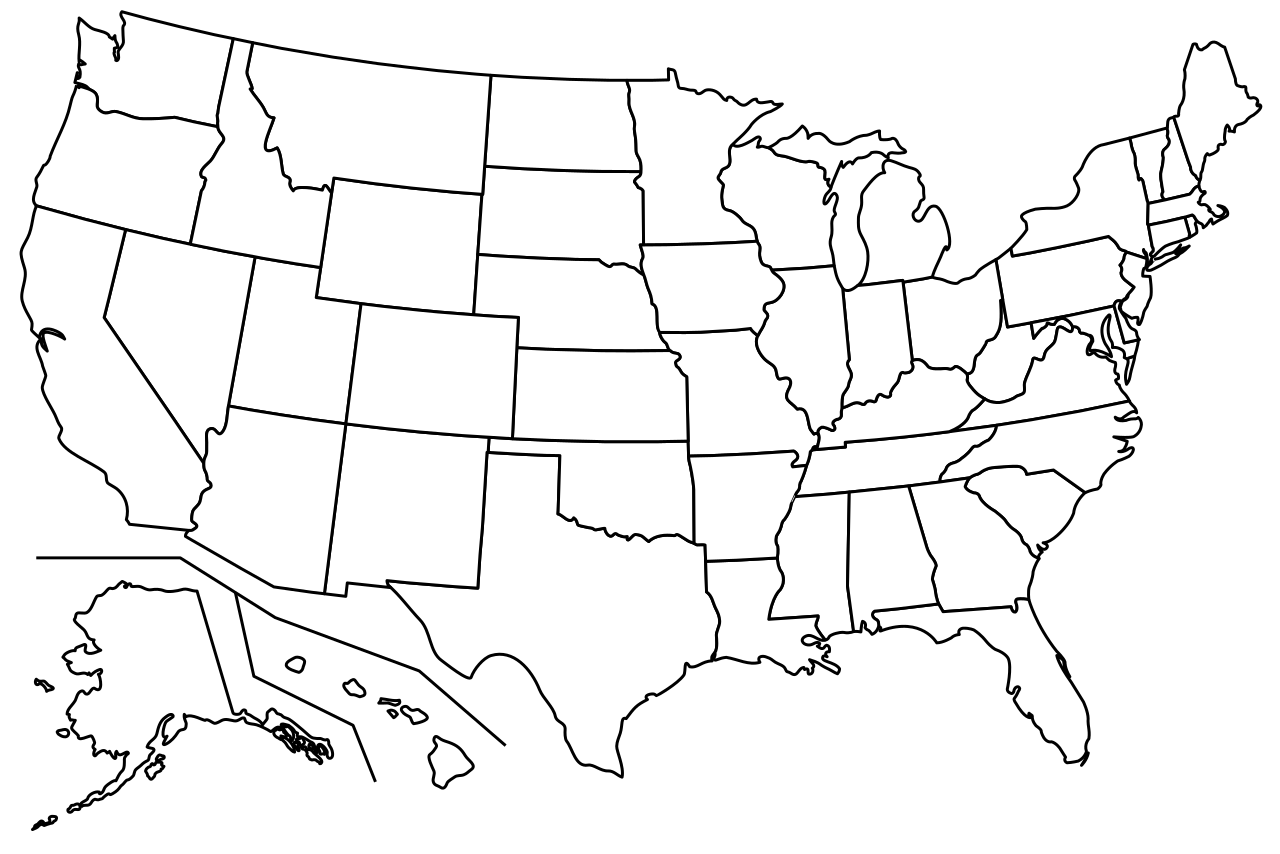
Explore the cities that helped shape rap. Choose a pin to discover each scene’s sound, pioneers, defining movements and original Raptology stories. From Bronx block parties to Southern production and Midwest innovation, the history is bigger than any one artist.
Hip-hop has never had just one sound. New York, Atlanta, Chicago, Memphis, Houston and Detroit developed distinct scenes through local DJs, producers, MCs, independent labels, venues and communities. The Raptology Hip-Hop Atlas is an interactive editorial guide to those connections. Start with a city below or use the map. Every location opens a short researched overview and direct links to existing published Raptology coverage. More cities and original guides can be added as their reporting is verified.
EXPLORE ATLAS LAYERS
Select a layer to explore curated artists, producers, labels or studios associated with each city. Pins represent cities, not personal or business addresses.
Select a red city marker or a city above. On narrow screens, swipe sideways to explore the entire map. City pin positions are approximate.
HIP-HOP CITY FILE / New York
New York City
The Bronx beginnings, DJ culture, MC lyricism and the recording networks that helped take rap worldwide.
New York is essential to the history of hip-hop, especially the Bronx parties of the 1970s where DJs, MCs, dancers and graffiti writers developed a connected culture. DJ Kool Herc’s break-focused mixing, Grandmaster Flash’s technical innovations, early rap records and the city’s later lyrical movements all belong in the story. As rap expanded, New York also developed record-promotion networks, labels, studios and independent scenes that shaped the music business. Raptology’s New York coverage connects those roots to a wider cultural history, from DJ record pools to the artwork on city streets. A city this influential cannot be reduced to one borough, artist or era.
- Notable artists
- DJ Kool Herc, Grandmaster Flash, Run-DMC, The Notorious B.I.G., Nas
- Core movements
- Bronx block parties / turntablism / record pools / East Coast lyricism / graffiti
Explore Raptology stories
- How New York Invented the DJ Record PoolMusic history ↗
- Keith Haring’s Crack Is Wack MuralStreet art ↗
- New York Commits $1 Million to Bronx Hip-Hop MuseumCulture ↗
Historical source: Rock & Roll Hall of Fame: DJ Kool Herc
Artists in New York City
Selected artists connected to this city’s hip-hop history. This is a sourced editorial selection, not a comprehensive directory.
- Run-DMC
The Queens trio helped bring hard-edged rap and hip-hop fashion to global audiences.
Source and background ↗ - Grandmaster Flash and the Furious Five
New York pioneers whose turntable techniques and social storytelling changed rap.
Source and background ↗
Producers in New York City
Selected producers connected to this city’s hip-hop history. This is a sourced editorial selection, not a comprehensive directory.
- DJ Premier
His New York recording career is closely associated with Gang Starr and D&D Studios.
Source and background ↗ - Rick Rubin
Producer who began the Def Jam story while studying at New York University.
Source and background ↗
Record Labels in New York City
Selected record labels connected to this city’s hip-hop history. This is a sourced editorial selection, not a comprehensive directory.
- Def Jam Recordings
The influential hip-hop label began in New York; Cornell documents its formative releases.
Source and background ↗
Studios in New York City
Selected studios connected to this city’s hip-hop history. This is a sourced editorial selection, not a comprehensive directory.
- D&D StudiosHISTORIC / CLOSED
A historic Manhattan rap studio associated with DJ Premier. Closed in 2015, not a present-day booking option.
Source and background ↗
HIP-HOP CITY FILE / Michigan
Detroit
Rhythmic innovation, the legacy of J Dilla, battle-rap tradition and an unmistakable independent voice.
Detroit’s hip-hop legacy moves between producer experimentation and direct, highly individual MC voices. The city’s musical heritage, including Motown, provides important context for the environments in which local rappers and producers developed their styles. J Dilla’s rhythmic ideas became influential far beyond Detroit, while artists including Eminem, Proof and later generations helped bring the city’s lyrical competitiveness to national audiences. In more recent years, Detroit rap has continued to develop recognizable drum patterns, cadences and independent pathways. The Atlas connects the historic recording culture with Raptology’s profiles and coverage, without treating one artist as representative of the entire city.
- Notable artists
- J Dilla, Eminem, Proof, Slum Village, 42 Dugg
- Core movements
- Beat-making / lyricism / battle rap / Motown influence / independent scenes
Explore Raptology stories
- 42 Dugg: The Story Behind the Voice of DetroitArtist profile ↗
- Eminem and IDK on a J Dilla-Produced SingleProduction ↗
- Eminem and the Infinite AnniversaryMusic history ↗
Historical source: Detroit Historical Society: Motor City Music
Artists in Detroit
Selected artists connected to this city’s hip-hop history. This is a sourced editorial selection, not a comprehensive directory.
- Eminem
Detroit battle-rap alumnus whose work took the city’s underground sound worldwide.
Source and background ↗ - Slum Village
Detroit group founded by J Dilla, T3 and Baatin, known for inventive rhythmic production.
Source and background ↗
Producers in Detroit
Selected producers connected to this city’s hip-hop history. This is a sourced editorial selection, not a comprehensive directory.
- J Dilla
Detroit-raised producer whose work and music equipment are preserved in Smithsonian collections.
Source and background ↗
Record Labels in Detroit
Selected record labels connected to this city’s hip-hop history. This is a sourced editorial selection, not a comprehensive directory.
- Shady Records
Founded in 1999 by Detroit rapper Eminem and Paul Rosenberg. Listed for creative ties, not a claimed current Detroit headquarters.
Source and background ↗
Studios in Detroit
Selected studios connected to this city’s hip-hop history. This is a sourced editorial selection, not a comprehensive directory.
- United Sound SystemsHISTORIC LANDMARK
A historic Detroit recording institution linked to important jazz, soul, Motown and other sessions. Present-day booking status not asserted.
Source and background ↗
HIP-HOP CITY FILE / Illinois
Chicago
Soulful experimentation, lyrical tradition, the worldwide influence of drill and independent storytelling.
Chicago’s rap identity cannot be contained within drill alone. The city produced artists associated with soulful sample-based production, conceptual lyricism, community-minded storytelling and adventurous independent releases. Kanye West, Common, Lupe Fiasco and Chance the Rapper represent different directions within that broader picture. Chicago drill later developed a sound and visual language with worldwide impact, and the city’s music journalists and videographers became important interpreters of that scene. Raptology’s collection includes long-form reporting on Chicago drill and an account of the journalist Zack TV. The Atlas places those stories in a larger creative history rather than framing the entire city through tragedy.
- Notable artists
- Common, Kanye West, Lupe Fiasco, Chief Keef, Chance the Rapper
- Core movements
- Soul sampling / independent releases / lyricism / drill / visual reporting
Explore Raptology stories
- Remembering Chicago Hip-Hop Journalist Zack TVMedia history ↗
- King Von: The Chicago Drill StoryDocumentary ↗
- Lil Durk, OTF and Chicago’s Modern Rap HistoryDocumentary ↗
Historical source: WBEZ Chicago: Rap history
Artists in Chicago
Selected artists connected to this city’s hip-hop history. This is a sourced editorial selection, not a comprehensive directory.
- Common
South Side Chicago rapper known for soulful, jazz-influenced lyricism.
Source and background ↗
Producers in Chicago
Selected producers connected to this city’s hip-hop history. This is a sourced editorial selection, not a comprehensive directory.
- No I.D.
Chicago producer closely associated with Common and later influential hip-hop releases.
Source and background ↗
Record Labels in Chicago
Selected record labels connected to this city’s hip-hop history. This is a sourced editorial selection, not a comprehensive directory.
- Closed Sessions
Chicago-rooted independent label and artist-development community.
Source and background ↗
Studios in Chicago
Selected studios connected to this city’s hip-hop history. This is a sourced editorial selection, not a comprehensive directory.
- Classick StudiosRECORDING STUDIO
Chicago recording facility with a documented track record across hip-hop and R&B. Check its official website directly for current studio services.
Source and background ↗
HIP-HOP CITY FILE / Tennessee
Memphis
Underground cassette culture, dark Southern production, crunk energy and enduring independent-label ambition.
Memphis built an influential underground rap identity through local tapes, distinctive percussion, eerie textures and charismatic personalities. Three 6 Mafia and producers including DJ Paul and Juicy J helped take its sound beyond Tennessee, while Project Pat became a recognizable voice connected to the city’s storytelling traditions. The city’s influence also extends through later stars and independent enterprises. Raptology has documented Young Dolph, the Paper Route Empire story, Project Pat and changing relationships among Memphis rap circles. These stories are different chapters of an evolving scene, not a single narrative of conflict. The Atlas highlights how Memphis artists developed a recognizable sound and business identity long before streaming playlists.
- Notable artists
- Three 6 Mafia, Project Pat, Young Dolph, Moneybagg Yo, GloRilla
- Core movements
- Underground tapes / Southern production / crunk / independent labels / modern Memphis rap
Explore Raptology stories
- Project Pat: The Rise Before Three 6 PeakedMusic history ↗
- Young Dolph and Paper Route EmpireDocumentary ↗
- Memphis Rap Wars: The Opening ChapterDocumentary ↗
Historical source: Memphis Music Hall of Fame: Three 6 Mafia
Artists in Memphis
Selected artists connected to this city’s hip-hop history. This is a sourced editorial selection, not a comprehensive directory.
- Three 6 Mafia
Memphis collective that helped transform Southern underground rap into a major musical force.
Source and background ↗ - GloRilla
Contemporary Memphis MC whose breakout followed early performances and recordings in her city.
Source and background ↗
Producers in Memphis
Selected producers connected to this city’s hip-hop history. This is a sourced editorial selection, not a comprehensive directory.
- DJ Paul
Three 6 Mafia producer and songwriter behind a distinctive Memphis rap sound.
Source and background ↗
Record Labels in Memphis
Selected record labels connected to this city’s hip-hop history. This is a sourced editorial selection, not a comprehensive directory.
- Hypnotize MindsHISTORIC LABEL
Memphis-based label associated with DJ Paul, Juicy J and the Three 6 Mafia camp.
Source and background ↗
Studios in Memphis
Selected studios connected to this city’s hip-hop history. This is a sourced editorial selection, not a comprehensive directory.
- Ardent StudiosHISTORIC / BOOKING NOT VERIFIED
Long-running Memphis recording landmark. This historical entry does not assert current operating or booking status.
Source and background ↗
HIP-HOP CITY FILE / Georgia
Atlanta
From Southern experimentation and bass to trap production, mixtape movements and global chart success.
Atlanta’s rap story stretches from regional innovation to global commercial influence. OutKast and the Dungeon Family helped expand perceptions of Southern hip-hop during the 1990s, and the city later became an essential center for trap production, mixtape circulation and artist development. T.I., Jeezy, Gucci Mane, Future, Migos and Young Thug represent distinct eras and approaches, rather than a single uniform sound. Local producers, studios, designers and promoters also played crucial roles. Raptology’s reporting includes artist documentaries, new releases and emerging independent musicians connected to the Atlanta ecosystem. The Atlas gives those subjects a common geographical context while encouraging readers to discover the inventive side of Southern rap.
- Notable artists
- OutKast, T.I., Gucci Mane, Future, Migos
- Core movements
- Southern rap / Dungeon Family / trap / mixtapes / independent pathways
Explore Raptology stories
- Future: The Making of an Atlanta Rap IconDocumentary ↗
- Offset Releases GMFU With Atlanta CollaboratorsNew music ↗
- BunnaB and Atlanta’s Next WaveRising artists ↗
Historical source: Atlanta History Center: Hip-Hop
Artists in Atlanta
Selected artists connected to this city’s hip-hop history. This is a sourced editorial selection, not a comprehensive directory.
- OutKast
Atlanta duo whose creative experimentation helped bring Southern hip-hop to a global audience.
Source and background ↗
Producers in Atlanta
Selected producers connected to this city’s hip-hop history. This is a sourced editorial selection, not a comprehensive directory.
- Organized Noize
Atlanta production collective central to the Dungeon Family, OutKast and Goodie Mob sound.
Source and background ↗
Record Labels in Atlanta
Selected record labels connected to this city’s hip-hop history. This is a sourced editorial selection, not a comprehensive directory.
- Quality Control Music
Founded in Atlanta in 2013; its own history describes a West Atlanta headquarters.
Source and background ↗
Studios in Atlanta
Selected studios connected to this city’s hip-hop history. This is a sourced editorial selection, not a comprehensive directory.
- Patchwerk Recording StudiosRECORDING STUDIO
Atlanta facility associated with hip-hop recording, mixing and engineering. Current offerings should be verified with the studio.
Source and background ↗
HIP-HOP CITY FILE / Texas
Houston
Chopped-and-screwed innovation, independent tape distribution and a Southern hip-hop identity all its own.
Houston’s hip-hop legacy is inseparable from DJ Screw, whose slowed-down and reworked recordings helped establish the chopped-and-screwed approach. The city also fostered strong independent distribution networks, neighborhoods with distinct rap histories and artists who built audiences through local recordings before national labels paid attention. The University of Houston Libraries maintains an important collection of Screw-related materials, providing a documented starting point for exploring the scene. Raptology has examined the surviving DJ Screw archives and reporting involving Houston’s music business and regional rap figures. This Atlas entry focuses on the musical and entrepreneurial groundwork, with the understanding that the city’s history extends far beyond any one artist or recording style.
- Notable artists
- DJ Screw, Geto Boys, Scarface, Z-Ro, Paul Wall
- Core movements
- Chopped and screwed / Grey Tapes / local distribution / independent Southern rap
Explore Raptology stories
- The Lost DJ Screw Archive: How Many Tapes Exist?Music history ↗
- The Prince Family and Houston’s Rap BusinessIndustry reporting ↗
Historical source: University of Houston Libraries: DJ Screw
Artists in Houston
Selected artists connected to this city’s hip-hop history. This is a sourced editorial selection, not a comprehensive directory.
- Scarface and the Geto Boys
Houston rap group and its influential MC Scarface were central to the rise of Southern recorded rap.
Source and background ↗
Producers in Houston
Selected producers connected to this city’s hip-hop history. This is a sourced editorial selection, not a comprehensive directory.
- DJ Screw
Pioneering Houston producer whose chopped-and-screwed legacy is preserved in University of Houston archives.
Source and background ↗
Record Labels in Houston
Selected record labels connected to this city’s hip-hop history. This is a sourced editorial selection, not a comprehensive directory.
- Rap-A-Lot Records
Houston-based rap label founded in 1986, important to the region’s early hip-hop recording business.
Source and background ↗
Studios in Houston
Selected studios connected to this city’s hip-hop history. This is a sourced editorial selection, not a comprehensive directory.
- SugarHill Recording StudiosRECORDING STUDIO
Historic Houston recording institution with modern studio information on its own website.
Source and background ↗
One Culture, Many Local Histories
There is no single story of American hip-hop. Regional scenes took shape through local creative communities, economic conditions, recording technology, independent distribution and collaboration. New York’s early DJs laid important foundations. Atlanta built influential Southern movements. Chicago shaped distinctive lyrical and drill traditions. Memphis developed a powerful underground production language. Houston pioneered chopped-and-screwed music and tape circulation. Detroit contributed influential beat-making and MC cultures. Artists, producers and ideas constantly crossed city borders, so these entries should be understood as starting points, not exclusive claims about who invented a sound.
This first edition highlights six cities with verified background sources and existing Raptology reporting, not a ranking of the “best” rap cities. Articles linked here include music history, artist profiles, investigations and documentaries. As the archive grows, the Atlas can expand into more places, neighborhood-level guides, archival media and original interviews. Explore related reference sections including Today in Rap History, Quizzes & Fun Facts, Rap School and the Rap Hall of Fame.