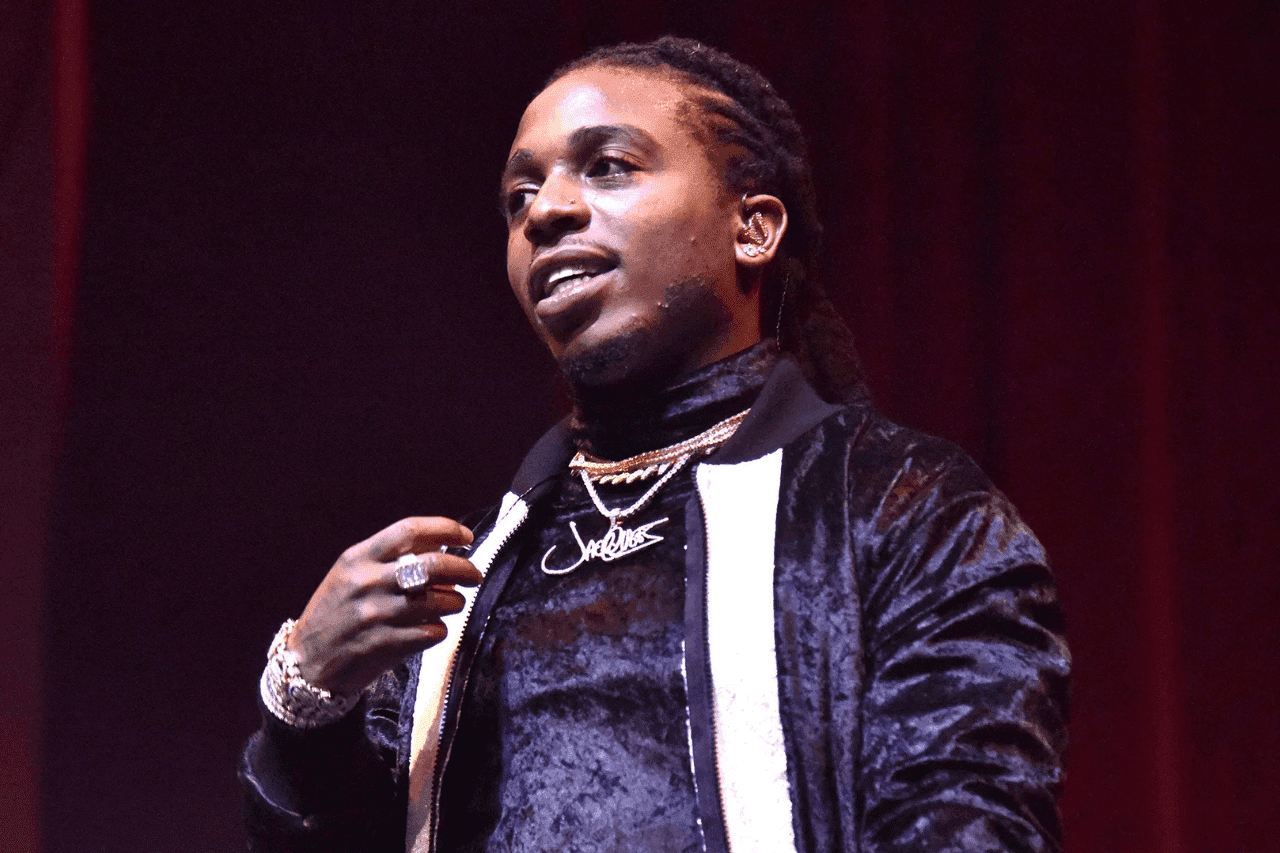

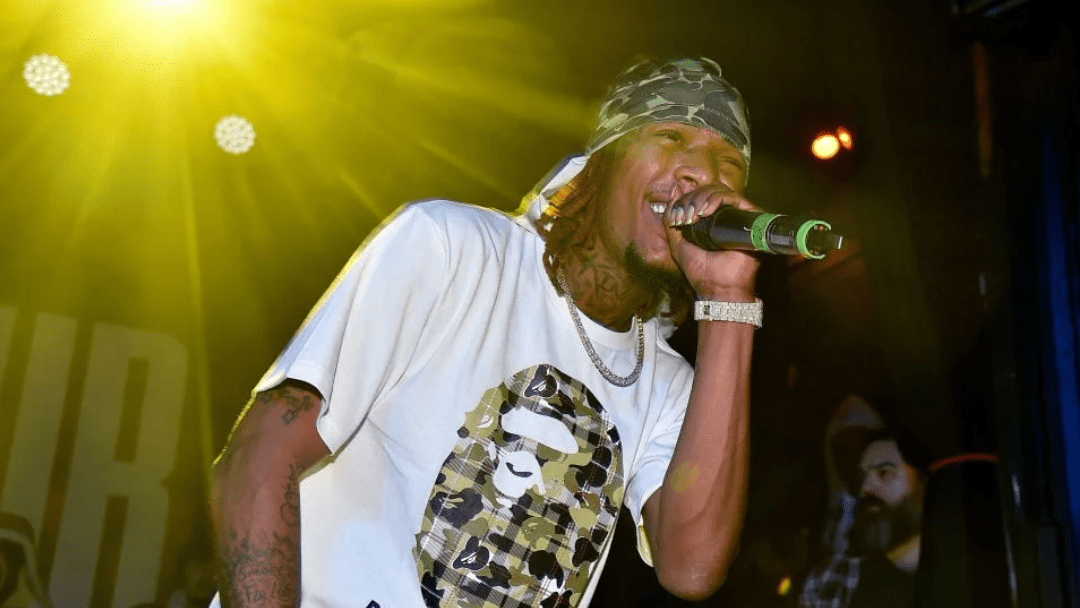
Fetty Wap has returned to the recording spotlight with Zavier, a 17-track album released March 27, 2026, following his return home earlier in the year. The project is more than a nostalgic attempt to revisit “Trap Queen.” It marks a significant new chapter for the New Jersey rapper, whose unmistakable melodic delivery helped shape the sound of mainstream hip-hop during the mid-2010s. For listeners who followed his earliest records, the album raises a straightforward question: what does an artist with a highly recognizable sound want to say after a period of major personal and professional change?
The answer, at least in part, comes through the music itself. Zavier moves among love songs, rap performances, reflective moments and tracks built around Fetty Wap’s familiar singing style. Apple Music’s album page identifies the record as a 17-song release and discusses its range of influences. The Associated Press interviewed Fetty Wap ahead of the release, documenting how he thought about his music and personal life during his return.
From Paterson breakout to one of rap’s most recognizable voices
Fetty Wap emerged from Paterson, New Jersey, with a musical identity that was immediately recognizable. His 2015 breakthrough “Trap Queen” blended an infectious hook, unusual vocal inflections and a direct celebration of partnership and ambition. The record became one of the defining crossover hits of its moment, bringing the rapper national attention and establishing a sound that other performers would study. His appeal was not based on traditional technical rap competition alone. It was the ability to turn everyday phrases into memorable melodies that lingered long after a song finished.
Follow-up records helped establish that he was more than a one-song story. He built a string of widely heard tracks, appearing on radio, playlists and at performances during a period when melodic trap was expanding quickly. For many listeners, his music evokes the sound of a particular era, but nostalgia does not capture the entire story. The production and vocal style also influenced how rap artists approached hooks, pitch and songwriting in the years that followed. Fetty Wap’s voice gave him a distinct lane at a time when mainstream audiences were becoming increasingly comfortable with rappers who sang.
The 2026 return changes the context
Fetty Wap’s comeback story carries unusual weight because it follows a prison sentence and a return to public life in January 2026. The Associated Press reported that the rapper was released on January 8 after approximately three years behind bars. He has discussed how that period affected his thinking about music, family and time. The circumstances should be reported without romanticizing incarceration or reducing a long career to one legal chapter. His new album reflects an artist seeking to restart professional momentum while acknowledging that his life is not exactly where it was when he first became famous.
That distinction matters to fans who may want another run of carefree 2015-era hits. A performer can revisit the sound that built a following while approaching it with different priorities. The AP’s pre-release interview and the album’s public tracklist offer evidence of a musician consciously reconnecting with his audience, not proof that every old success will be repeated. An important comeback can exist without an immediate chart-topping single. The work is in rebuilding the relationship with listeners over time.
Why the album carries his personal name
The title Zavier gives the project a more personal identity than a generic comeback record. In discussing the album, Fetty Wap said he wanted to recapture some of the energy that had made his debut album connect with listeners. That aspiration is understandable: fans often associate a breakthrough record with a period of discovery, when the artist and audience are building the connection together. Yet the new title also distinguishes the project from a simple anniversary edition or remake. It is presented as a new full-length work, released into a music industry that has changed dramatically since 2015.
The 2026 market is dominated by streaming, fast-moving social platforms and a much larger supply of new recordings. An artist returning after a prolonged absence must compete for attention against new stars whose audiences were built under different conditions. Fetty Wap’s advantage is immediate recognition: a distinctive voice and a catalog that already means something to listeners. His challenge is using that recognition to introduce new material rather than depending exclusively on earlier hits.
Inside Zavier’s sound and collaborators
The album is varied without losing the melodic qualities that made Fetty Wap famous. Apple’s editorial description notes the presence of pop-R&B arrangements, melodic hooks, more direct rap performances and material that draws on older musical styles. Tracks such as “Real Love,” “Spot Back,” “Favorite Girl,” “N LUV,” “With It or What” and “White Roses” demonstrate the range of approaches the artist was willing to include. These titles and styles provide a clearer picture of the record than an unsupported declaration that the singer has already reinvented his entire career.
The project also brings together familiar collaborators and guests. iHeart’s release-day coverage identifies names including Max B, Wiz Khalifa and Monty. The collaborations connect Fetty Wap to performers with very different histories in rap, but the album’s main appeal remains his own vocal character. Guest appearances can introduce additional listeners, yet their presence does not replace the need for a coherent lead performance.
What makes a comeback last beyond release week?
Rap history is filled with highly anticipated returns that delivered an immediate burst of publicity but struggled to sustain attention afterward. The key test for any comeback is what happens when the initial headlines fade. Do the new songs build repeat listeners? Do audiences respond at shows? Does the artist remain active enough to develop another meaningful chapter? These questions matter more than projecting success from the fact that a record has been released. Zavier offers a starting point, not a guarantee about the next several years.
Fetty Wap’s catalog may give him an advantage because listeners already know what is distinctive about his voice. A recognizably melodic record can bridge older fans and new audiences when the songwriting remains strong. But an artist cannot simply rely on the memory of an earlier hit, especially in an environment where trends evolve rapidly. The challenge is to use that familiar musical personality in ways that feel relevant to the present. The variety on Zavier suggests Fetty Wap is at least interested in testing several possible directions.
Paterson, New Jersey remains part of the story
Fetty Wap’s background in Paterson has always been central to his identity. New Jersey’s rap history is sometimes discussed in the shadow of nearby New York, but the state has produced performers with independent styles and substantial influence. His breakthrough demonstrated that an artist from Paterson could develop a sound that felt local while reaching listeners around the world. That connection to place gives his career an additional dimension beyond radio success.
The city’s musical story also provides a useful contrast with the rapid changes in contemporary hip-hop. The industry may focus on short clips and algorithmic discovery, but many listeners still connect to artists who sound rooted in a particular environment. Fetty Wap’s accent, melodic instincts and early collaborations made his records recognizable as his own. His return invites a new generation to hear that origin story while evaluating the songs he is releasing now.
The wider influence of Fetty Wap’s melodic style
By the time Zavier arrived, singing over trap-influenced production had become an ordinary part of popular rap. In 2015, Fetty Wap’s approach felt particularly fresh to broad audiences. His music balanced a rough-edged delivery with pop-ready choruses, allowing romantic themes and street-rooted language to sit inside the same songs. He was not the only artist making melodic rap, but his commercial breakthrough was one of the moments that helped normalize that blend.
That legacy can make a comeback artist difficult to judge fairly. If the new music sounds familiar, listeners may accuse him of repetition; if it sounds too different, they may argue that the qualities they loved are missing. The most useful way to evaluate Zavier is to hear the album as a complete project and consider whether the songwriting, delivery and production serve its purpose. Comparing every track to “Trap Queen” risks overlooking the different ambitions behind the record.
What the album release confirms
Several facts are clear. Zavier was released on March 27, 2026. It contains 17 songs and follows Fetty Wap’s return from prison earlier in the year. The album includes established guests and covers multiple styles associated with his recording career. Public interviews show that he is thinking about his musical legacy and his responsibilities outside the studio. Those are substantive developments without requiring speculation about unreleased albums, unannounced tours or imagined commercial numbers.
The album does not automatically prove that Fetty Wap has regained his former chart position, and no unsupported streaming total or sales figure should be attached to it. Its significance is that a once-ubiquitous voice has issued a substantial new recording project and placed himself back in the conversation through his own music. For fans interested in how artists survive interruptions and rebuild careers, that is a story worth following.
Where Fetty Wap goes from here
The next chapter will depend on sustained recording activity and the reception of the music already available. Fetty Wap has an audience that remembers a powerful breakout era, but his newer work will ultimately be assessed on its own terms. Zavier reconnects that familiar voice to the present and suggests an artist interested in more than simply replaying old successes. Whether it becomes a major turning point can only be assessed as the songs and his career develop over time.
For readers who want the release itself, the album is available on Apple Music and Spotify. Readers can also explore more featured hip-hop stories on Raptology.
Sources: Associated Press, March 26, 2026; XXL, March 27, 2026; iHeart, March 27, 2026; Apple Music release listing.

Shawn Grant is a Chicago-based journalist, multimedia host, and dedicated storyteller with a deep passion for hip-hop culture. His work spans artist interviews, music reporting, entertainment, and cultural commentary. Through conversations with influential figures such as Ice-T, Shawn explores hip-hop’s history, evolving legacy, and the artists shaping its future.