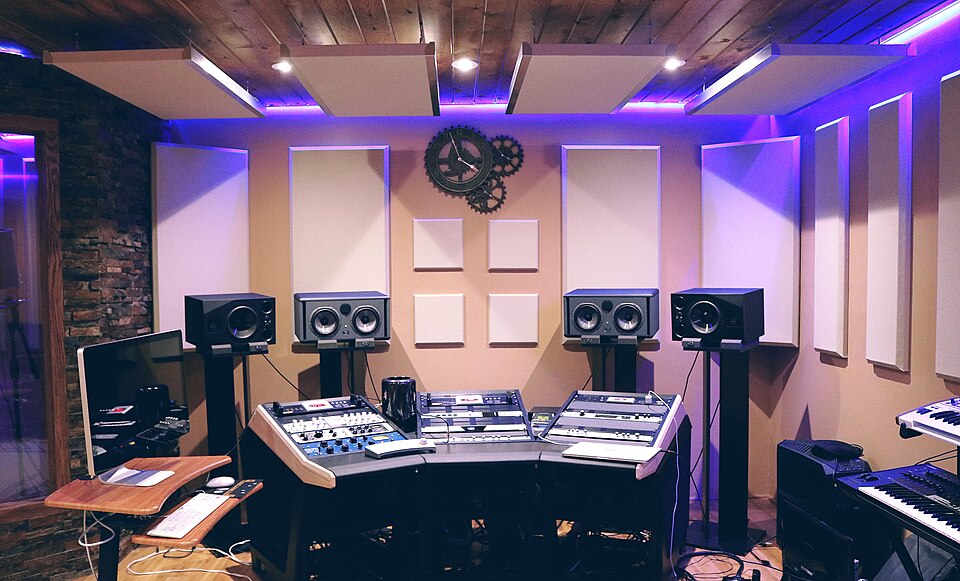
Professional digital audio production studio with mixing console and monitoring equipment

AI Music Faces New Chart Rules as IFPI Pushes Human Creativity and Licensing Standards

The global recording industry is drawing a sharper line between AI-assisted music and recordings that are largely synthetic. On July 30, 2026, the International Federation of the Phonographic Industry (IFPI) announced principles for determining when recordings developed with generative AI should qualify for its official music charts. The rules matter to hip-hop, where technology has long shaped production, sampling and vocal effects. But there is an important difference between an artist using software as a creative tool and a system producing an entire recording with little human input or clear…

Read More

United States Capitol building in Washington DC

Protect Working Musicians Act of 2026: What the Proposed Law Could Mean for Independent Artists

A proposal in Congress is putting independent musicians' negotiating power under scrutiny. The Protect Working Musicians Act of 2026 seeks to make it easier for qualifying music creators who own their recordings to negotiate together with dominant online platforms. Its supporters argue that artists acting alone often have too little leverage when a small number of companies control access to streaming audiences. For rappers, producers and small labels, the important question is not whether this bill has changed their rights today. It has not become law. The issue is what…

Read More
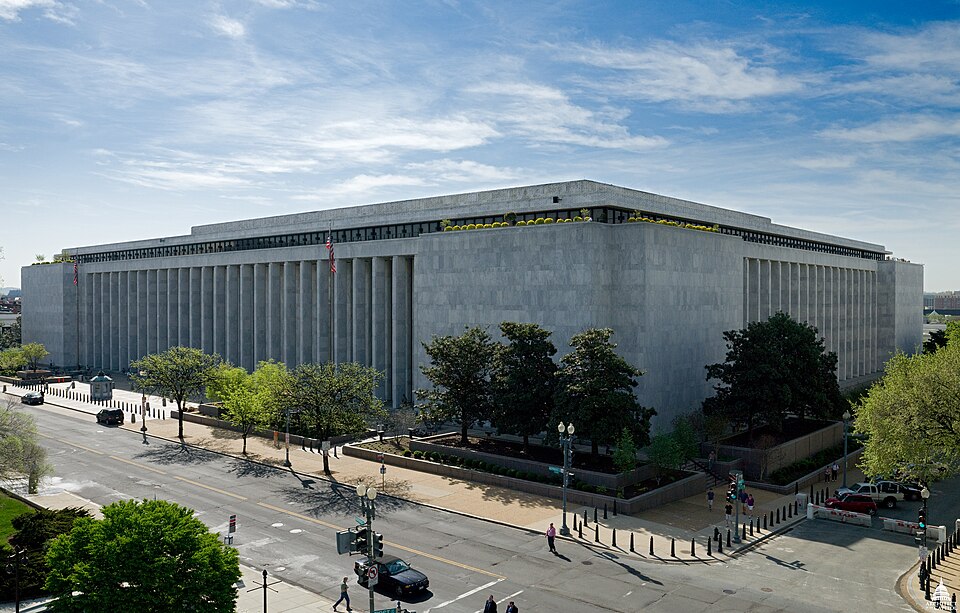
James Madison Memorial Building housing the United States Copyright Office

U.S. Copyright Office Investigates Streaming Fraud: What Rap Artists Need to Know

The U.S. Copyright Office is examining music streaming fraud in a federal inquiry that could inform future debate over how platforms, distributors and rights holders respond to artificial plays. The agency launched the inquiry following a congressional request and is seeking information about the scale of the problem, existing anti-fraud practices and possible solutions. This is an inquiry, not a newly enacted law. No new penalty or nationwide royalty formula has taken effect simply because the Copyright Office opened the proceeding. The distinction matters for artists who see alarming social-media…

Read More
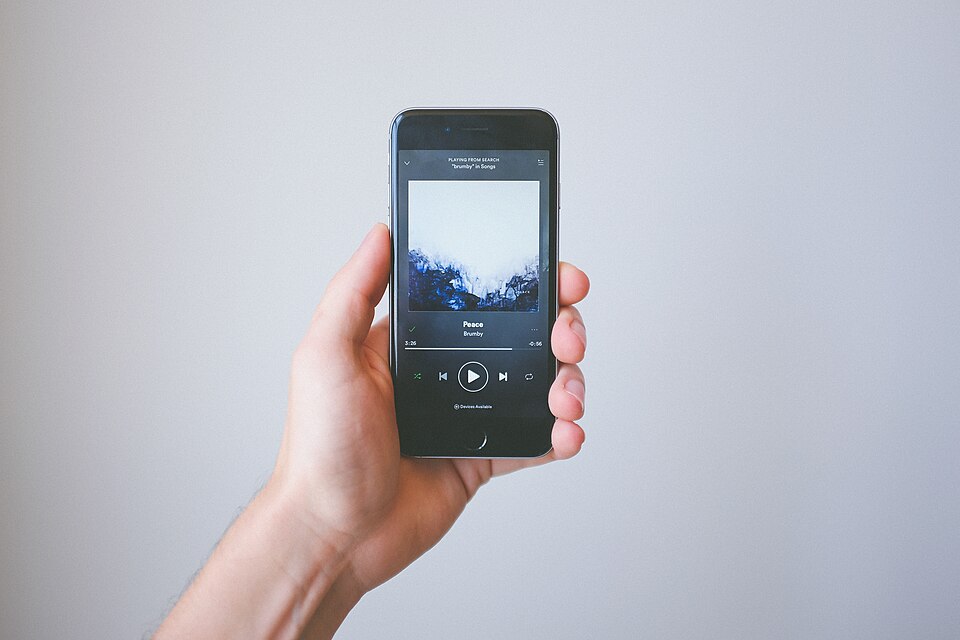
Smartphone displaying the Spotify music streaming player

Spotify Opens Artist Profile Protection to All Artists: What Independent Rappers Should Know

Spotify has opened Artist Profile Protection to all artists, giving independent rappers and their teams a new way to challenge releases mistakenly associated with their profiles. The expansion took effect November 17, 2026, according to Spotify for Artists. It arrives as open music-distribution systems and the rise of AI-generated tracks make attribution an increasingly sensitive issue. For a developing rapper, a wrongly attributed upload is more than a cosmetic headache. A track credited to the wrong artist can distort a discography, create confusion for fans and interfere with audience data…

Read More
DJ Record Pools

How New York Invented the DJ Record Pool: From the 1975 Loft Era to 2026

The DJ record pool was born long before anyone could upload an MP3, pitch a playlist or send a link to a thousand tastemakers. In 1975, a group of New York disc jockeys began organizing around a deceptively simple demand: the people who were breaking records in clubs deserved meaningful access to new music. Their experiment linked labels, working DJs and dance floors, then helped establish a promotional model that would later serve disco, house, freestyle and hip-hop. By 2026, the cardboard boxes had largely given way to music libraries…

Read More
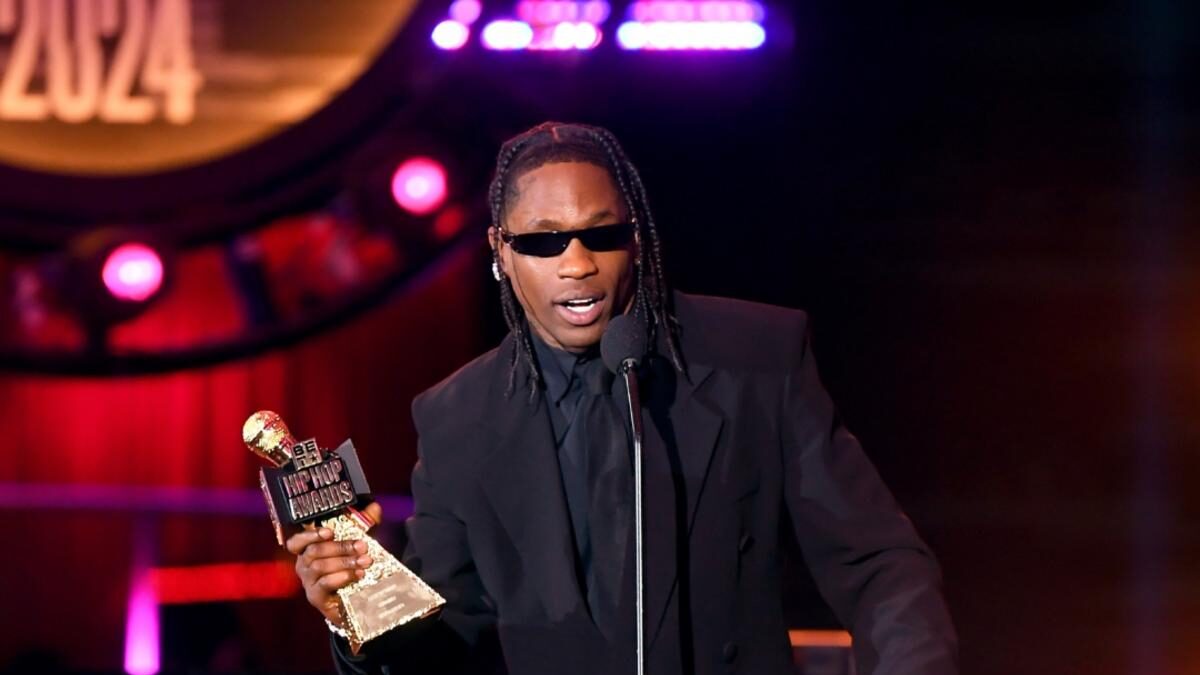
Travis Scott at the 2024 BET Awards, archival photograph

Travis Scott and Don Toliver Named in Copyright Lawsuit Over JACKBOYS Track ‘What To Do?’

Travis Scott and Don Toliver are among the defendants in a new federal copyright lawsuit over the 2019 JACKBOYS song “What To Do?,” with producer Niv Kalisky, professionally known as Early Yellow, alleging that his work was used without the recording royalties he says he is owed. Kalisky filed the complaint Nov. 17 in the U.S. District Court for the Southern District of New York. The defendants named in the case include Scott, Toliver, Sheck Wes, producer Mike Dean, Sony Music Entertainment, Epic Records, Cactus Jack Records and other parties,…

Read More
DJ Record Pools

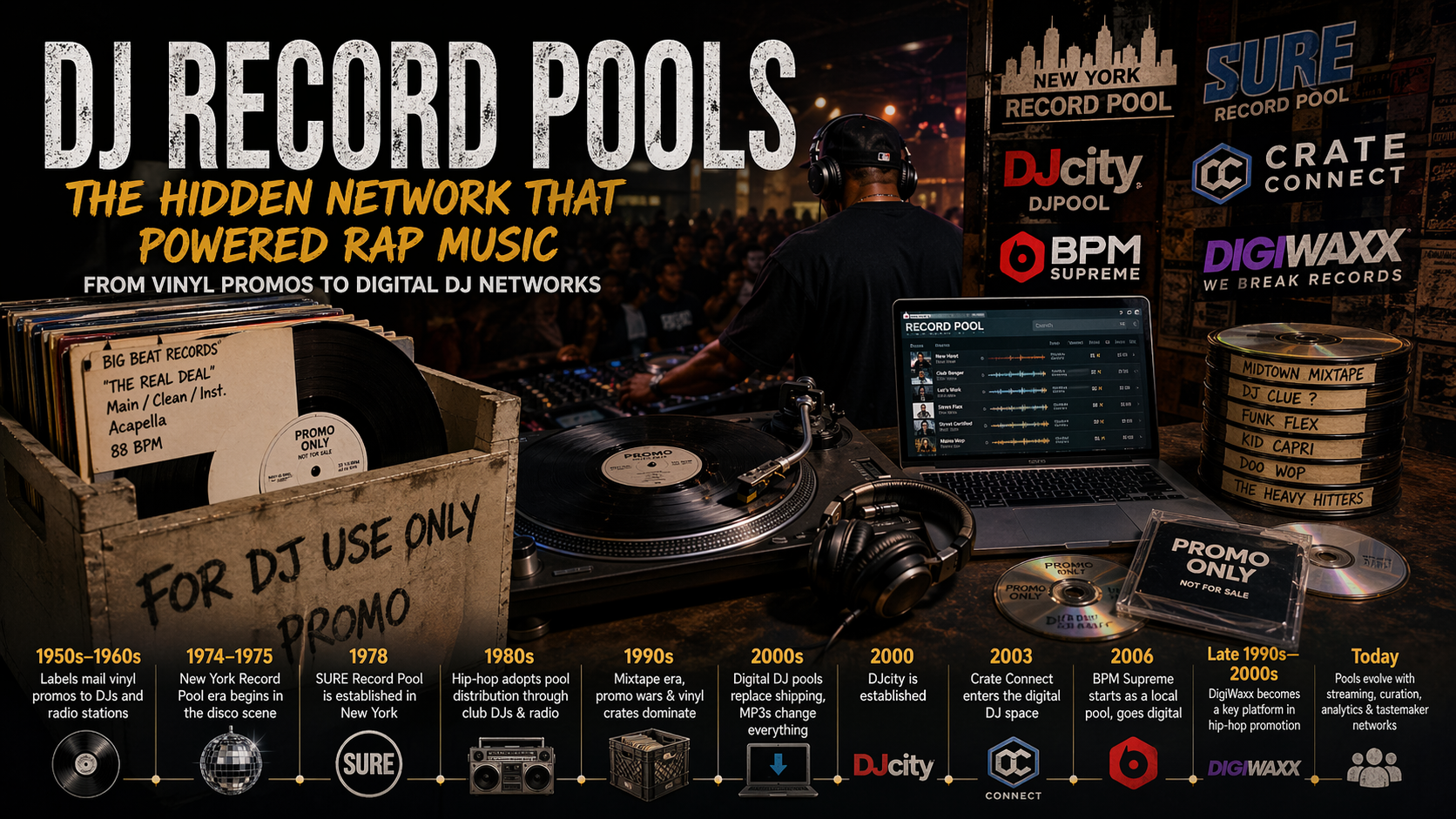
DJ Record Pools and the Rise of Rap Promotion: From Vinyl Promos to Digital DJ Networks

Before streaming playlists, before DSP dashboards, before social media could manufacture the illusion of instant momentum, there was a more physical, more selective, and often more powerful system deciding which records reached the streets first. That system was the DJ record pool. Most casual listeners never saw it. They only felt the result. A song would suddenly be everywhere in clubs, on mixshows, in cars, on mixtapes, and at parties, long before the broader public understood that a deliberate promotional machine had already been working behind the scenes. Record pools…

Read More
Intellectual Property Rights

Protecting a Rapper’s Music Catalog: How Intellectual Property Rights Factor Into Estate Planning

A rapper’s catalog can remain commercially valuable long after the artist’s final recording session. Songs may generate income through streaming, publishing, radio, synchronization licenses and other uses for years. But a family cannot assume it owns every asset connected to a recording, especially when producers, featured artists, publishers, distributors or record labels control different rights. Protecting the music starts with understanding what the artist actually owns and documenting how those rights should be handled. In hip-hop, one track can involve several people with separate ownership stakes. A beatmaker may hold…

Read More

Stay in the Loop with Raptology!

Get new rap stories, artist interviews, and documentaries sent to your inbox.

No spam. Unsubscribe anytime.