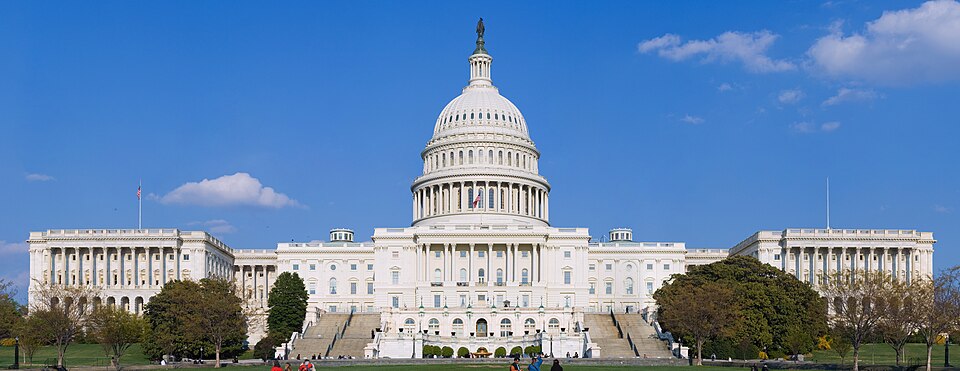
A proposal in Congress is putting independent musicians’ negotiating power under scrutiny. The Protect Working Musicians Act of 2026 seeks to make it easier for qualifying music creators who own their recordings to negotiate together with dominant online platforms. Its supporters argue that artists acting alone often have too little leverage when a small number of companies control access to streaming audiences.
For rappers, producers and small labels, the important question is not whether this bill has changed their rights today. It has not become law. The issue is what the proposal might change if Congress ultimately enacted it, and which kinds of rights holders could qualify.
What does the proposal actually seek to do?
Under the version identified in the federal legislative record as H.R. 9253, the measure would empower independent music creator owners to negotiate collectively over the terms on which dominant platforms distribute their music. The federal text identifies qualifying creators and addresses a narrow negotiation framework rather than creating a universal royalty rate for every recording.
The proposal is also relevant to licensing discussions involving digital platforms and music technology. The broader debate reflects tension between creators who own original work and businesses with far greater distribution reach and bargaining leverage.
Why does collective negotiation matter?
Historically, many independent artists have accepted standard distribution terms because their alternative was to forgo access to important digital services. When negotiations occur one artist at a time, an unsigned rapper with a modest catalog may have little practical influence over platform-wide licensing terms.
A carefully limited legal pathway for collective bargaining could change that dynamic for qualifying rights holders. It would not, by itself, guarantee higher payouts or change the private contract an artist has already signed with a distributor or label. The value would depend on the final law, the participants, and how negotiations were organized.
Who is behind the measure?
Representative Deborah Ross of North Carolina introduced the legislation. A congressional announcement highlights support from organizations representing independent music businesses, performing artists, songwriters and other rights holders.
Support from industry groups does not mean the bill has passed. Proposed legislation can be amended, delayed or fail entirely. Artists should check the official legislative record before making contracts or business plans based on headlines about the bill.
Independent artist? Get Featured on Raptology and reach listeners beyond your existing audience.
What independent rappers should check now
Know whether you personally own your sound recording copyrights or have assigned them to a label. Review distributor agreements, royalty accounting provisions and restrictions on licensing. If you work with producers or co-owners, clarify who may authorize licensing decisions.
Ownership is central to the practical significance of this proposal. An artist who controls masters may be in a different position from someone whose label owns the recordings. And publishing rights and recording rights are separate subjects, even when both generate income from the same track.
The real story is the effort to change the bargaining relationship between independent creators and powerful digital companies. Whether that effort succeeds remains a question for Congress, not an established industry rule.
Primary sources: Official text of H.R. 9253 and Rep. Ross’s legislative announcement.
Related reading: How Music Royalties Work and Music Publishing Explained.
Jose Zamora is a writer and creator from Boston, MA. He has been a music nerd since middle school when he started his record collection. His passion for Hip-hop began when he discovered legends like Nas and Gang Starr and became obsessed with up-and-coming acts like Kendrick Lamar and A$AP Mob.
He is a recently graduated, up-coming journalist, passionate about music and culture. He is always keeping an eye out for the next big thing and is eager to put their talent in the spotlight for others to enjoy. He believes firmly that “Good art deserves to be talked about.”

Leave a Reply