
Discover the world of hip-hop culture through its foundational elements and modern evolution. From graffiti and breaking to MCing, DJing, rap battles, streetwear and sneaker culture, Raptology explores the artists, pioneers, movements and defining moments that shaped hip-hop into a global cultural force.
HIP-HOP IS
MORE THAN
MUSIC.
From the Bronx to the world, hip-hop culture has shaped how generations move, speak, create, compete and dress. Explore the art forms, originators and communities behind a movement that never stands still.
One global movement.
Hip-hop culture began as a creative expression of urban communities in New York City during the 1970s and grew into an international force in music, art, fashion and language. Its four foundational artistic elements are often described as DJing, MCing, breaking and graffiti writing. Together they created a space for experimentation, self-expression, community and competition.
Raptology goes beyond the records to document hip-hop history, preserve the stories of its pioneers and examine how the culture continues to evolve. Browse our guides to graffiti art, breakdancing, rapping, turntablism, rap battles and the streetwear and sneaker scenes influenced by hip-hop.
THE CULTURE, DECODED.
From foundational disciplines to the spaces where hip-hop keeps reinventing itself.
EXPLORE THE ELEMENTS.
Original context, essential concepts and selected reading from the Raptology archive.
Graffiti &
Street Art
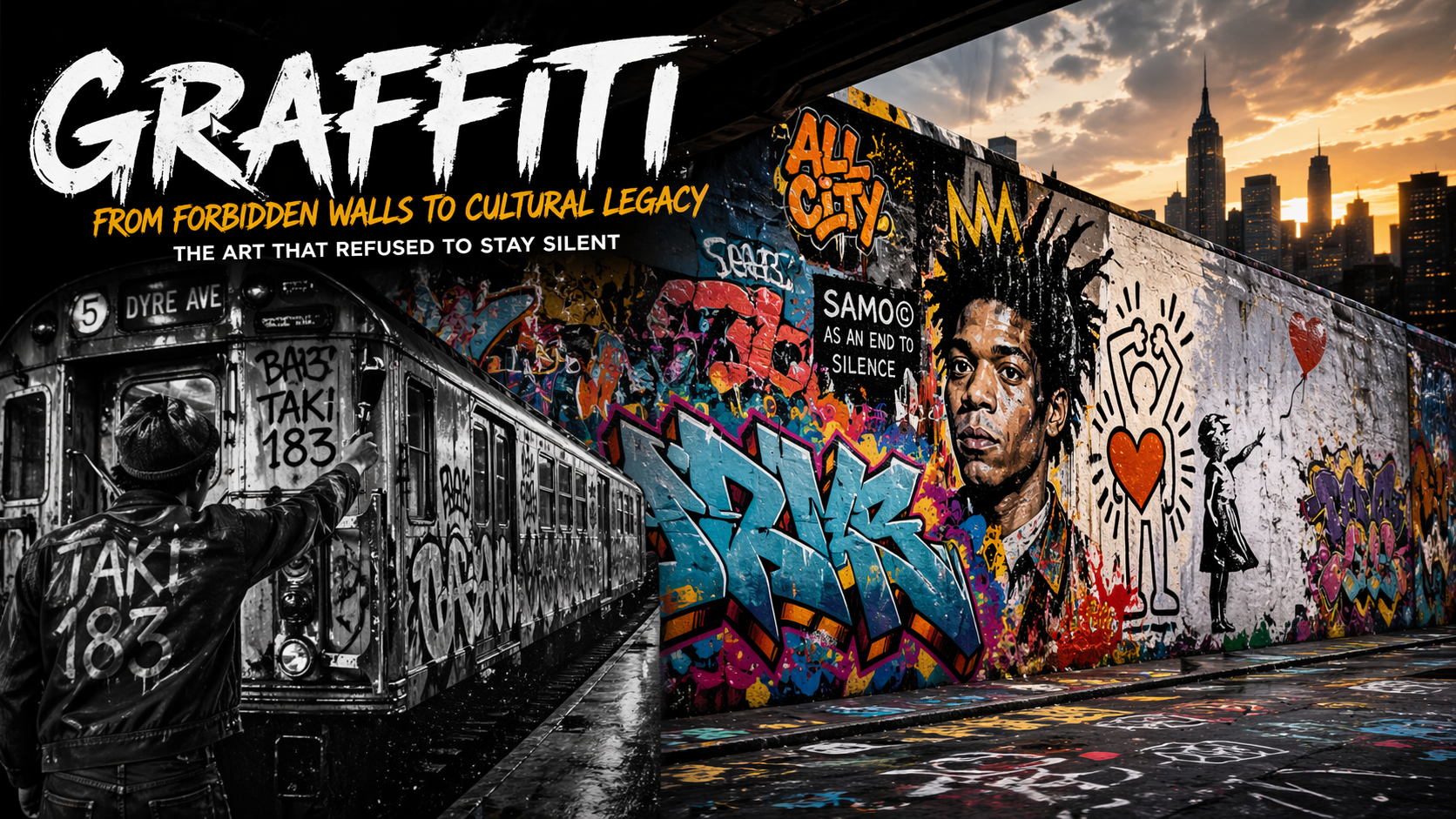
Graffiti writing gave hip-hop a visual identity. From tags and subway pieces to large-scale murals and gallery exhibitions, writers developed distinct lettering styles and claimed space in the urban landscape. Raptology explores graffiti’s pioneers, its relationship with public space, and the ongoing debate over where street expression ends and institutional art begins.
Breaking &
Dance
Breaking, also called breakdancing in mainstream coverage, developed around the physical vocabulary of toprock, footwork, freezes and power moves. B-boys and B-girls built scenes around crews, cyphers and battles, transforming the dance floor into a space for originality, improvisation and mutual respect. Its growth from neighborhood gatherings to international competitions reflects hip-hop’s global reach.
MCing &
Lyricism
Before the rapper became the face of mainstream hip-hop, MCs energized parties, engaged audiences and developed rhythmic verbal performances over the DJ’s selections. MCing evolved into a sophisticated craft defined by cadence, rhyme schemes, breath control, punchlines, storytelling and regional styles. The art of rapping continues to connect music with lived experience, identity and social commentary.
DJing &
Turntablism
Hip-hop’s earliest sound was driven by DJs extending percussion breaks and using records as instruments. Mixing, scratching, beat juggling and inventive transitions became the backbone of live parties and recorded rap music. From neighborhood sound systems to regional mixtape movements, DJs remain central to musical discovery, cultural preservation and the evolution of hip-hop production.
Rap
Battles
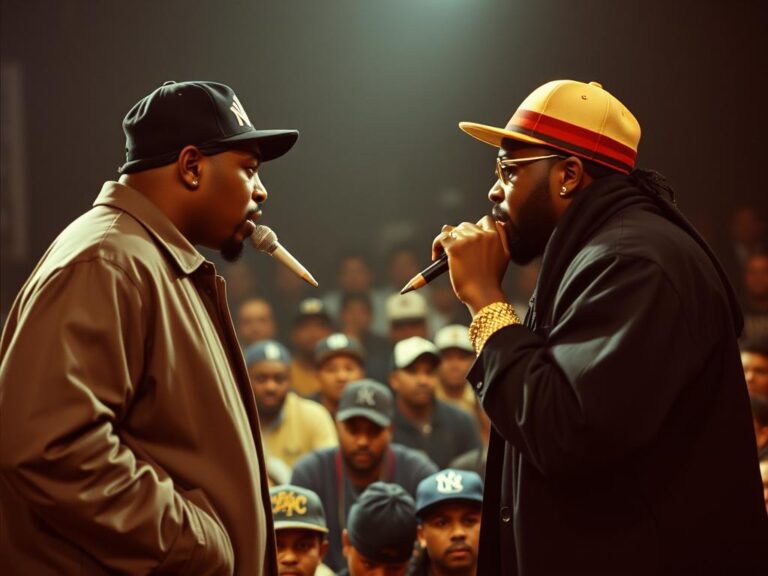
Competition has long been a catalyst for innovation in hip-hop. Battle rap celebrates sharp writing, performance, stage presence, rebuttals and crowd control, whether in spontaneous cyphers or carefully prepared rounds. Modern leagues have turned a street-level tradition into a specialized live entertainment scene with dedicated audiences, influential figures and moments that travel far beyond the battle stage.
Streetwear &
Sneakers
Hip-hop fashion tells stories about neighborhoods, aspiration, entrepreneurship and influence. Sneakers, tracksuits, denim, jewelry and independent clothing labels helped shape a visual style that crossed into global retail and luxury fashion. Raptology follows the relationship between rap artists, footwear collaborations, streetwear movements and the cultural meaning behind the clothes.
STORIES THAT DEFINE THE CULTURE.
Start with these deep dives into hip-hop’s creative past and continuing influence.

WHY HIP-HOP CULTURE MATTERS
Hip-hop is both a collection of artistic practices and a continually evolving cultural movement. Music is its most commercially visible expression, but dance, visual art, language, competition and fashion all contribute to its impact. Understanding the artists, neighborhoods and social conditions behind these forms helps preserve their history while making room for the next generation to innovate.
Our culture coverage connects the foundations of hip-hop with the voices, communities and creative industries shaping its future. For more context, explore Raptology’s hip-hop documentaries and our ongoing Today in Rap History archive.
What are the four foundational elements of hip-hop?
The four artistic elements most commonly identified are DJing, MCing (rapping), breaking and graffiti writing. Other expressions, including fashion and knowledge of hip-hop history, are also important parts of the culture.
Is hip-hop culture the same as rap music?
No. Rap music is a prominent part of hip-hop culture, but hip-hop encompasses multiple art forms, communities, histories and social practices beyond recorded music.
Where did hip-hop culture begin?
Hip-hop took shape in the Bronx, New York City, in the 1970s, drawing on Black, Latino and Caribbean musical and cultural influences and the creativity of local communities.
How do sneaker culture and streetwear connect to hip-hop?
Hip-hop artists, dancers, DJs and fans helped popularize distinctive footwear and clothing styles. Fashion became a means of expressing affiliation, creativity and identity, and eventually a major area of commercial collaboration.
YOUR STORY IS PART OF HIP-HOP.
Independent artists and creative entrepreneurs help shape what comes next. Discover our music submission opportunities or reach out about cultural partnerships and advertising.
LATEST HIP-HOP CULTURE STORIES
- How New York Invented the DJ Record Pool: From the 1975 Loft Era to 2026 – DJ culture and hip-hop history