
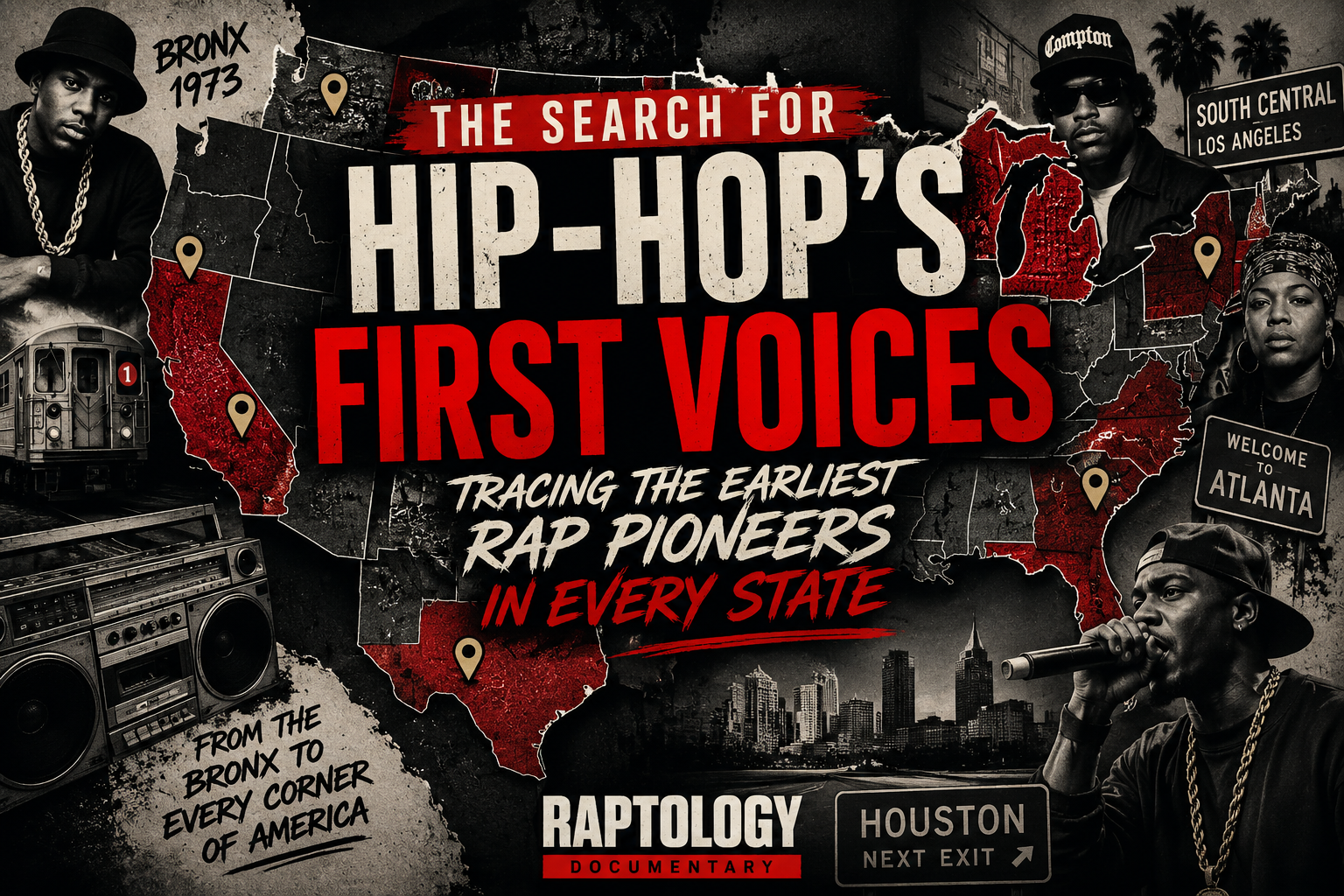
Hip-hop history usually begins in one place: the Bronx. That origin story is essential, but it is not the entire map. Once rap moved beyond New York, every region began reshaping the culture through its own slang, production, street politics, radio scenes, club circuits, and independent labels. The result was not one national sound, but hundreds of local histories moving at different speeds.
This Raptology Documentary looks at one of the most difficult questions in rap history: who were the earliest rap voices from every U.S. state? The answer is not always clean. In some places, the first widely recognized rapper is easy to identify. In others, the earliest documented figure may be a local performer, an independent group, a college-radio name, a cassette-era artist, or someone whose story was never properly preserved by mainstream media.
Are You Building Your Own Rap Story?
Raptology covers hip-hop history, breaking rap news, independent artists, and the next generation of regional voices. If you are an artist with a real story, submit your music for editorial consideration and get in front of a hip-hop audience.
Submit Your Music To RaptologyWhy “First Rapper” Is Hard To Prove
Rap was a live culture before it became a record business. Long before streaming platforms, blogs, social media, and digital archives, MCs were performing at parties, gyms, parks, skating rinks, community centers, local clubs, and neighborhood events. Many early performers never released official music. Others recorded cassettes, vinyl singles, or demo tapes that never reached national distribution.
That is why this article uses careful language. The names below should be read as early documented candidates, pioneering figures, or historically important regional voices, not as final legal rulings. In states with deeper archives, the picture is clearer. In states with fewer preserved sources, local historians, DJs, collectors, and longtime fans may know names that never made it into national databases.
Raptology note: This is a living history piece. If your state has an earlier documented rapper, record, flyer, interview, radio appearance, or local scene source, the conversation should continue. Hip-hop history is strongest when forgotten regional names are brought back into the record.
The Bronx Remains The Foundation
Any serious map of American rap begins in the Bronx, where hip-hop culture took shape through DJing, MCing, breaking, graffiti, and neighborhood sound-system energy. DJ Kool Herc, Coke La Rock, Grandmaster Flash, Afrika Bambaataa, Grandmaster Caz, Melle Mel, Busy Bee, and other early figures helped define the foundation before rap became a mainstream industry.
But hip-hop did not stay frozen in New York. It traveled. Philadelphia gave rap some of its earliest recorded and lyrical breakthroughs. Los Angeles developed a West Coast identity that moved from electro to street reporting to gangsta rap. Miami turned bass music into a regional force. Houston, Atlanta, Memphis, New Orleans, Detroit, Chicago, Oakland, Seattle, St. Louis, Cleveland, and other cities built scenes that sounded nothing like the Bronx but still carried hip-hop’s DNA.
Explore More Raptology Hip-Hop History
- Raptology Documentaries for long-form rap history and true-story features.
- Rappers A-Z for artist profiles, background, and discovery.
- Producers A-Z for the architects behind rap’s regional sounds.
- Rap Hall of Fame for legacy artists and cultural icons.
- Latest Rap News for current developments across hip-hop.
State-By-State: Specific Early Rap Voices And Documented Candidates
The table below names a specific rapper, group, or historically useful candidate for every state. Some entries are stronger as “first rapper” claims than others, especially in states with older recorded scenes. In under-documented states, the named artist is included as a specific documented point of reference rather than a guaranteed first performer.
| State | Specific Rapper, Group, Or Candidate | Why This Name Belongs In The Conversation |
|---|---|---|
| Alabama | Dirty | The Montgomery group gives Alabama a specific early Southern rap reference point before later stars such as Rich Boy, Yelawolf, Flo Milli, NoCap, and Gucci Mane carried the state into wider rap conversations. |
| Alaska | Lane McCray | Alaska has limited publicly archived rap history, but McCray gives the state a specific documented hip-hop-linked artist with a Wikipedia page. This entry should be treated as a documented candidate, not a settled first. |
| Arizona | Willy Northpole | Phoenix rapper Willy Northpole became one of Arizona’s better-known national rap representatives, while the state’s deeper underground also includes artists such as Injury Reserve, Futuristic, and Roqy Tyraid. |
| Arkansas | SL Jones | Arkansas rap history is often under-covered nationally, but Little Rock’s SL Jones gives the state a specific documented rap figure before newer names such as Bankroll Freddie and YTB Fatt reached broader attention. |
| California | Ice-T | Ice-T is one of the strongest early West Coast candidates because his early 1980s recordings helped push Los Angeles rap toward a national identity before the full explosion of N.W.A, Dr. Dre, Snoop Dogg, Tupac, and Kendrick Lamar. |
| Colorado | FL | Colorado’s early rap archive is less centralized than New York or California, but FL, formerly of the Foodchain, gives Denver a specific documented candidate connected to the state’s hip-hop scene. |
| Connecticut | Stezo | Stezo is one of the clearest Connecticut-linked early rap names, tied to hip-hop’s late 1980s transition from old-school performance culture into recorded solo careers. |
| Delaware | Sap | Delaware’s early rap history is difficult because the state sits between stronger Philadelphia, New Jersey, and DMV scenes, but Sap provides a specific documented Delaware hip-hop figure and producer-rapper reference point. |
| Florida | 2 Live Crew | 2 Live Crew helped make Miami bass a national force and gives Florida one of the clearest early rap identities in the country. Their rise also shows how regional party music became part of hip-hop’s legal, cultural, and commercial story. |
| Georgia | MC Shy D | MC Shy D is one of Atlanta’s strongest early rap candidates, predating the city’s OutKast, Goodie Mob, Jeezy, T.I., Gucci Mane, Future, and modern trap dominance. |
| Hawaii | Sudden Rush | Sudden Rush gives Hawaii a specific hip-hop group tied to local identity and island culture, making them a more useful historical reference than treating the state as an empty space on the rap map. |
| Idaho | Doseone | Doseone gives Idaho a specific documented underground rap figure with national alternative hip-hop credibility, even if the state’s first local performer may have existed outside major archives. |
| Illinois | Common | Common is not the only early Chicago rap figure, but he is one of Illinois’ most important documented voices. His rise helps connect the state’s history to Chicago’s wider evolution from lyricism to drill and modern street rap. |
| Indiana | Freddie Gibbs | Gary’s Freddie Gibbs is not presented as Indiana’s first rapper, but he is one of the state’s most important documented rap figures. Indiana’s earlier local hip-hop timeline remains a subject for deeper regional research. |
| Iowa | Json | Iowa has a limited national rap archive, but Json gives the state a specific documented rapper with a public record, making him a useful anchor for a state whose early hip-hop history remains under-documented. |
| Kansas | XV | Wichita’s XV gives Kansas a specific documented rap figure, while the broader Kansas City rap story also intersects heavily with Tech N9ne and independent Midwest hip-hop. |
| Kentucky | Nappy Roots | Nappy Roots brought Kentucky into the national Southern rap conversation, even though earlier local performers likely existed before the group’s mainstream breakthrough. |
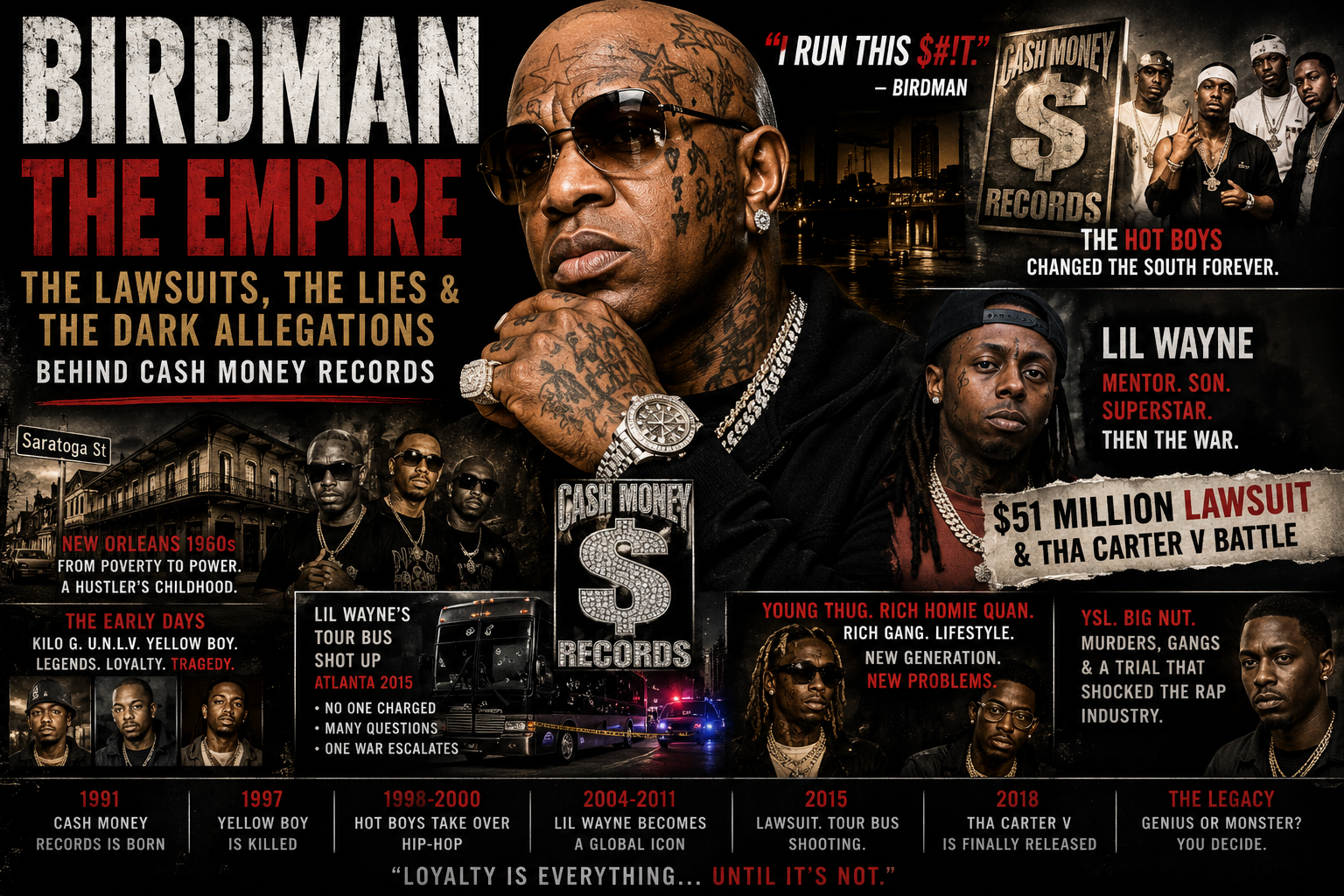
| Louisiana | MC Thick | MC Thick is one of Louisiana’s key early rap names, helping bridge New Orleans’ local foundations before Cash Money, No Limit, bounce, Lil Wayne, Juvenile, and the city’s later global influence. |
| Maine | Sole | Sole gives Maine a specific documented underground hip-hop figure, making him a useful entry point for a state whose early rap history rarely appears in mainstream timelines. |
| Maryland | Logic | Logic is one of Maryland’s most visible rap figures, though the state’s earlier hip-hop history also overlaps with Baltimore club, D.C. influence, and the wider DMV scene. |
| Massachusetts | Ed O.G. | Ed O.G. is one of Boston’s strongest early rap names, helping Massachusetts earn national recognition before later artists expanded the state’s hip-hop profile. |
| Michigan | The Awesome Dre | The Awesome Dre is one of Detroit’s important pre-Eminem rap names, showing that Michigan’s hip-hop foundation was already active before the city’s later global visibility. |
| Minnesota | Atmosphere | Atmosphere gives Minnesota a nationally recognized independent rap foundation, although the Twin Cities had earlier local scenes that shaped the environment around Rhymesayers and underground hip-hop. |
| Mississippi | David Banner | David Banner is Mississippi’s most visible national rap representative, linking the state’s rap story to Southern production, activism, and regional identity. |
| Missouri | Nelly | Nelly made St. Louis rap globally visible, but Missouri’s deeper rap map also includes Kansas City, underground scenes, and the independent infrastructure that helped Midwest hip-hop grow. |
| Montana | Supaman | Supaman gives Montana a specific documented hip-hop figure connected to Native identity, performance, and cultural storytelling, making him an important name in a state often left out of rap history. |
| Nebraska | Conor Oberst / Team Love-era hip-hop-adjacent documentation | Nebraska’s publicly documented rapper categories are limited and messy. The state needs more local hip-hop documentation, so this entry should be treated as an open research slot rather than a definitive first rapper claim. |
| Nevada | Baby Kea | Nevada’s rap history is usually overshadowed by Las Vegas entertainment culture, but Baby Kea gives the state a specific documented rap candidate tied to modern Nevada representation. |
| New Hampshire | Adeem | Adeem gives New Hampshire a specific documented underground hip-hop name and shows why smaller-state rap history often needs to be traced through independent scenes rather than mainstream radio. |
| New Jersey | The Sugarhill Gang | The Sugarhill Gang gives New Jersey one of rap’s biggest early commercial landmarks through “Rapper’s Delight,” while later Jersey figures such as Queen Latifah, Redman, Naughty by Nature, and Lauryn Hill deepened the state’s legacy. |
| New Mexico | Xzibit | Xzibit was born in New Mexico before becoming associated with West Coast rap, making him a documented New Mexico-born rapper even though the state’s local rap scene deserves separate deeper research. |
| New York | Coke La Rock | Coke La Rock is widely discussed as one of hip-hop’s first MCs, placing New York at the foundation of the culture and connecting directly to the Bronx origin story. |
| North Carolina | Petey Pablo | Petey Pablo gave North Carolina one of its most visible early mainstream rap moments, while the state’s deeper history also includes Little Brother, 9th Wonder, J. Cole, Rapsody, DaBaby, and multiple regional scenes. |
| North Dakota | Wiz Khalifa | Wiz Khalifa was born in Minot, North Dakota, giving the state a documented rap connection, although his career identity is tied far more strongly to Pittsburgh than to a North Dakota local scene. |
| Ohio | Bone Thugs-n-Harmony | Bone Thugs-n-Harmony made Cleveland central to Midwest rap history through melodic, rapid-fire flows and a sound that influenced generations of artists. |
| Oklahoma | Jabbar | Oklahoma rap history is not heavily archived nationally, but Jabbar provides a specific documented reference point while Tulsa and Oklahoma City’s local scenes remain areas for deeper research. |
| Oregon | Cool Nutz | Cool Nutz is one of Portland’s key hip-hop figures and gives Oregon a specific early regional anchor within Northwest rap history. |
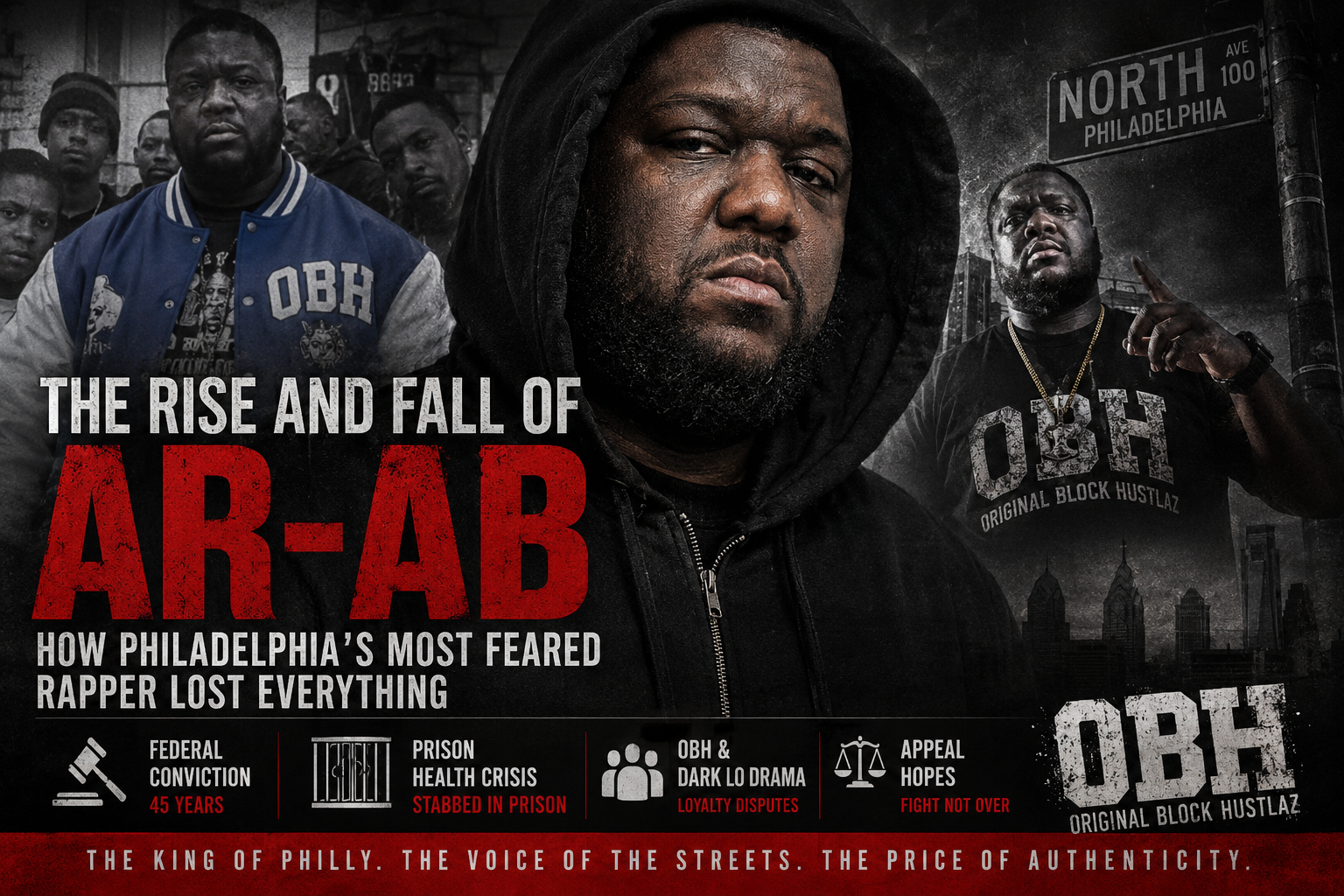
| Pennsylvania | Lady B and Schoolly D | Philadelphia has one of rap’s strongest early claims. Lady B is tied to early recorded rap history, while Schoolly D became a key figure in street rap and gangsta rap’s development. |
| Rhode Island | Sage Francis | Sage Francis gives Rhode Island a specific documented underground rap figure with national independent credibility, helping the state appear in a larger East Coast hip-hop map. |
| South Carolina | Speaker Knockerz | Speaker Knockerz became one of South Carolina’s most important modern rap figures, especially in the internet era, even though the state likely had earlier local performers before his rise. |
| South Dakota | Frank Waln | Frank Waln gives South Dakota a specific documented rapper and producer, with work connected to Indigenous identity and storytelling. He is a stronger documented candidate than leaving the state vague. |
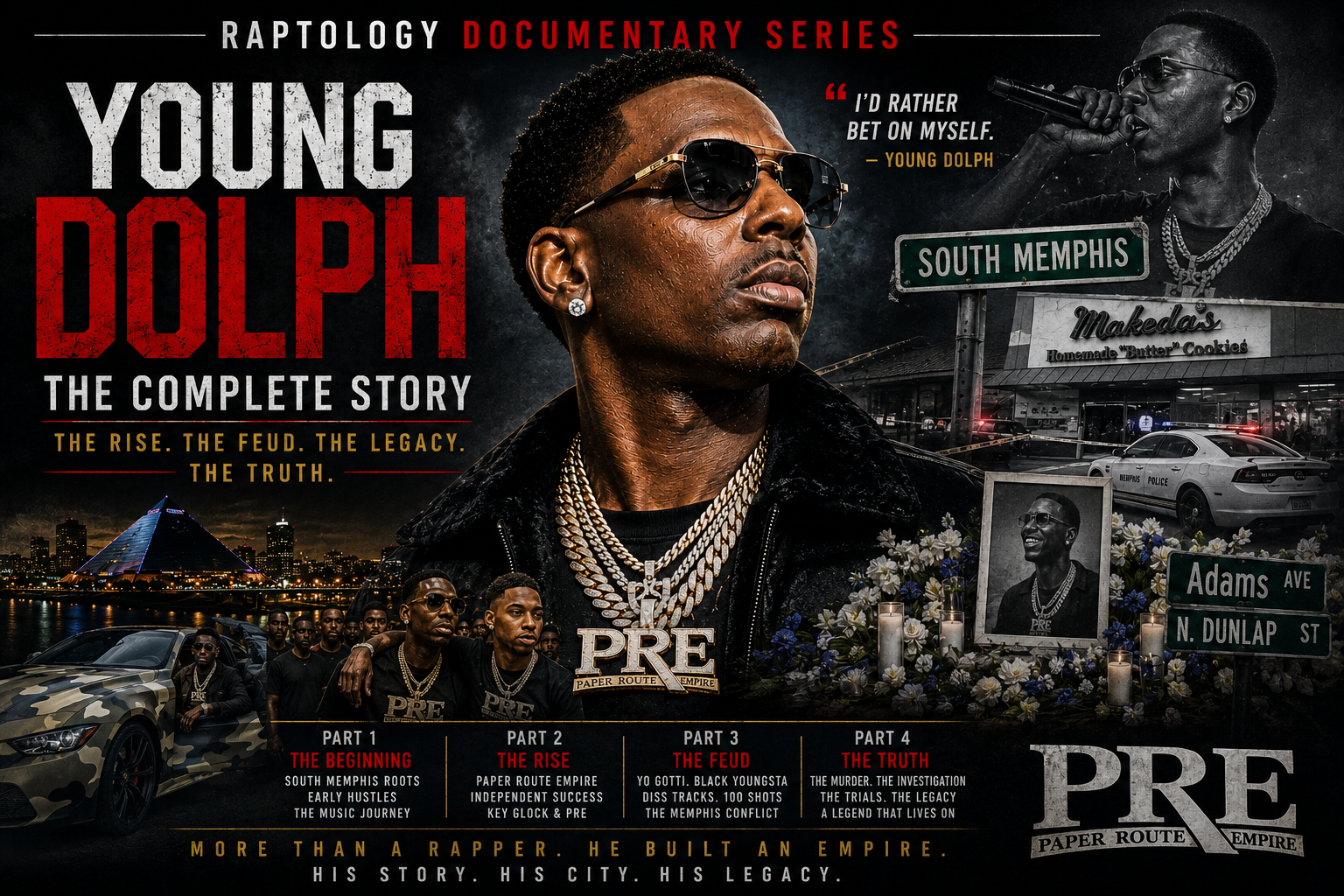
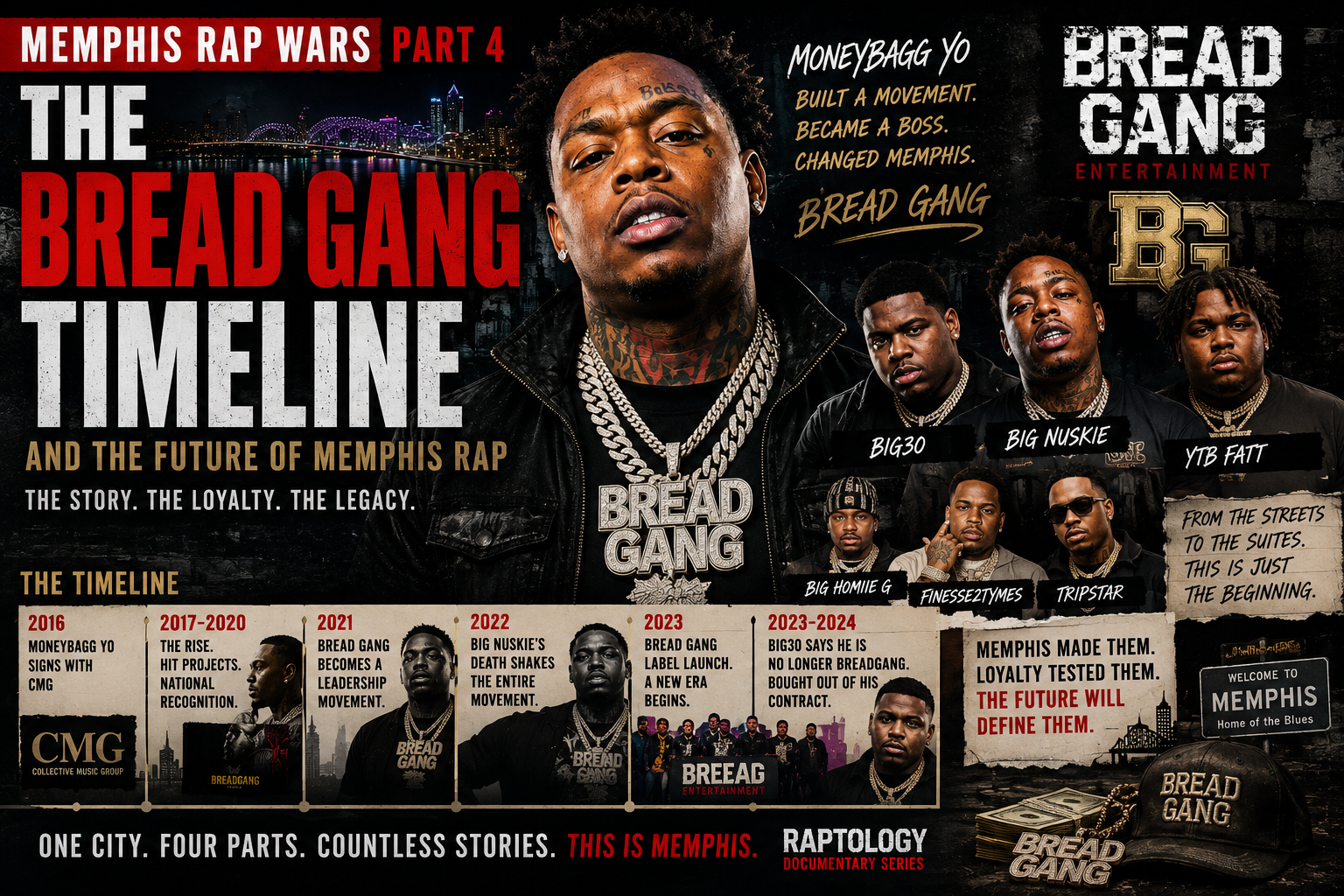
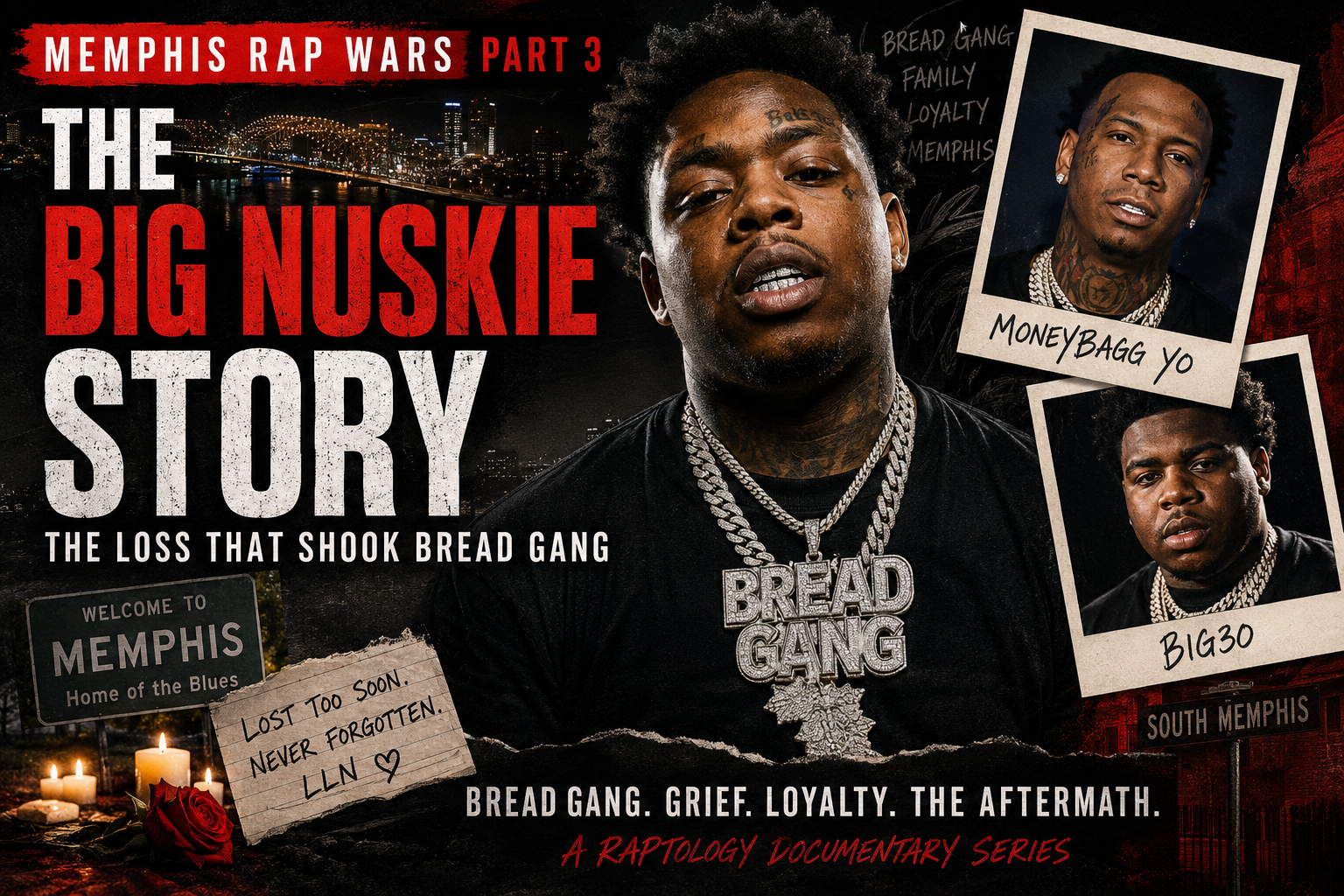
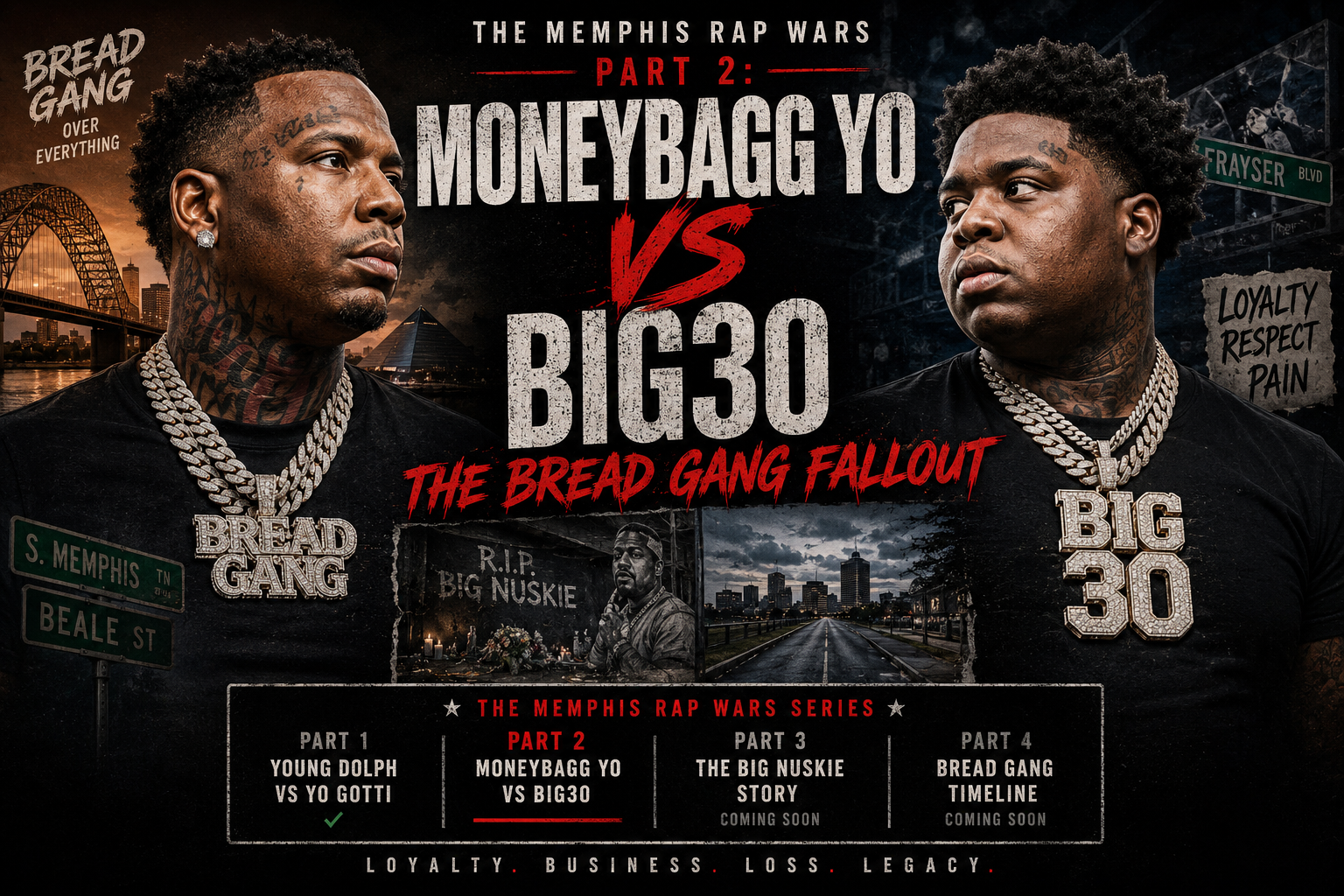
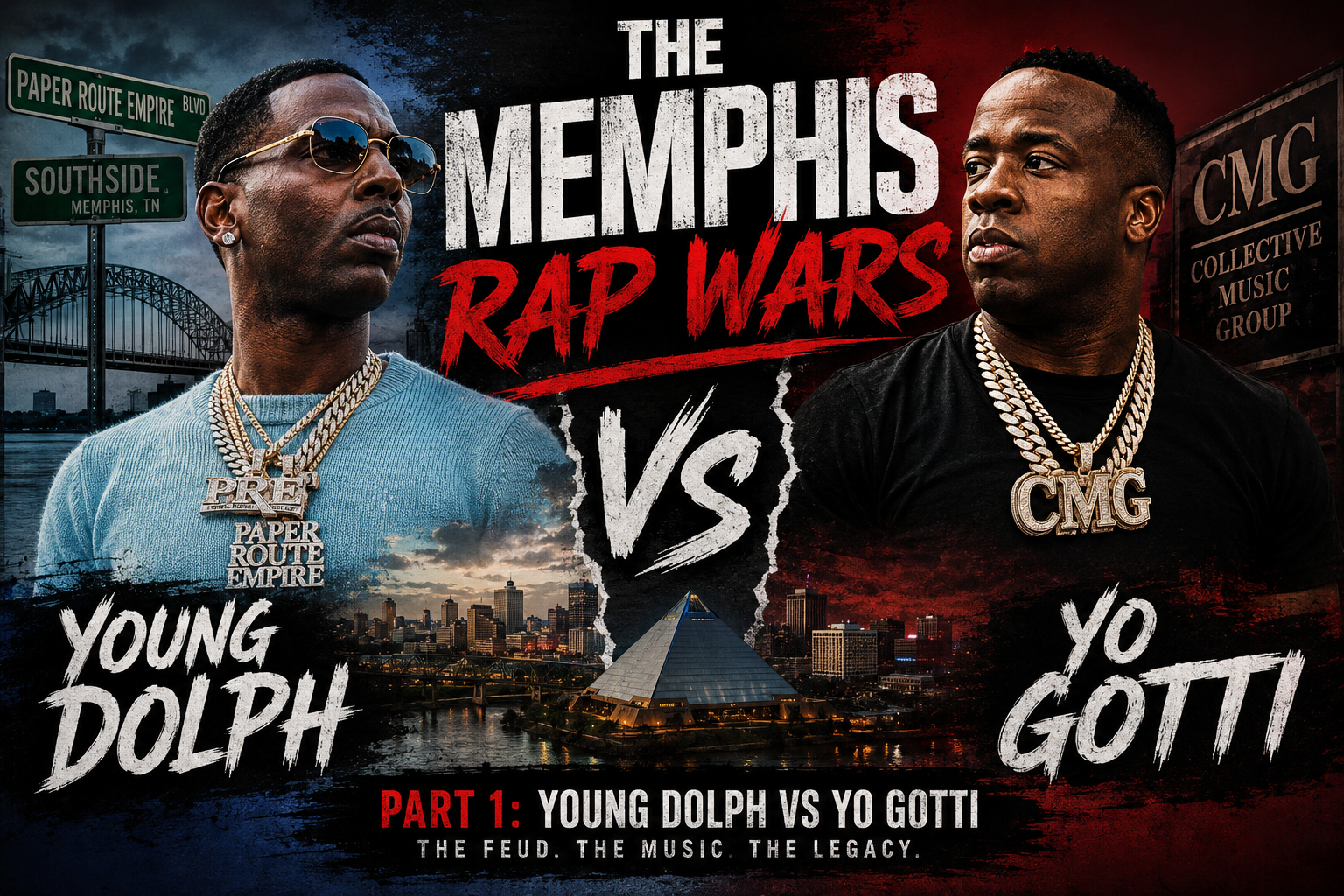
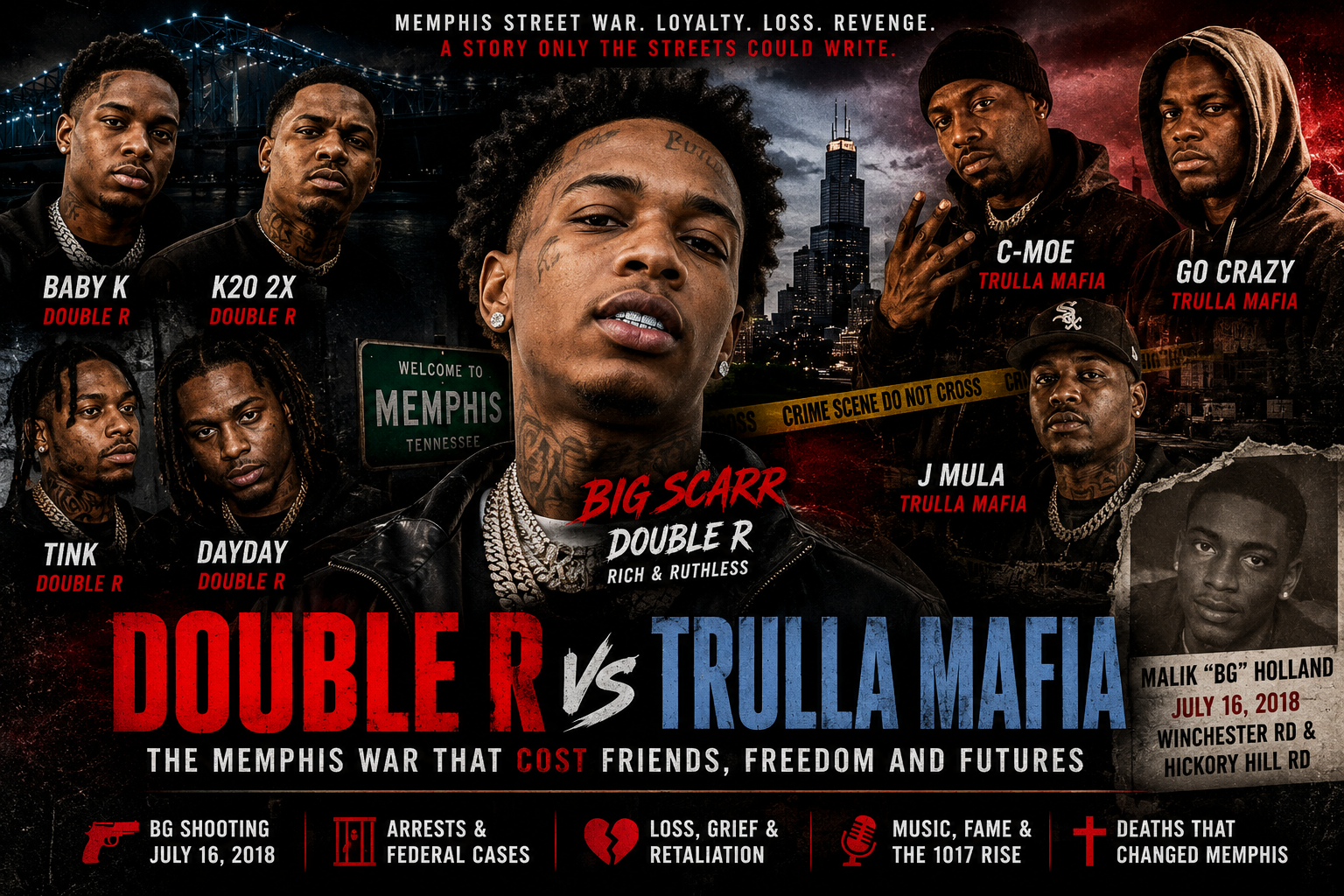
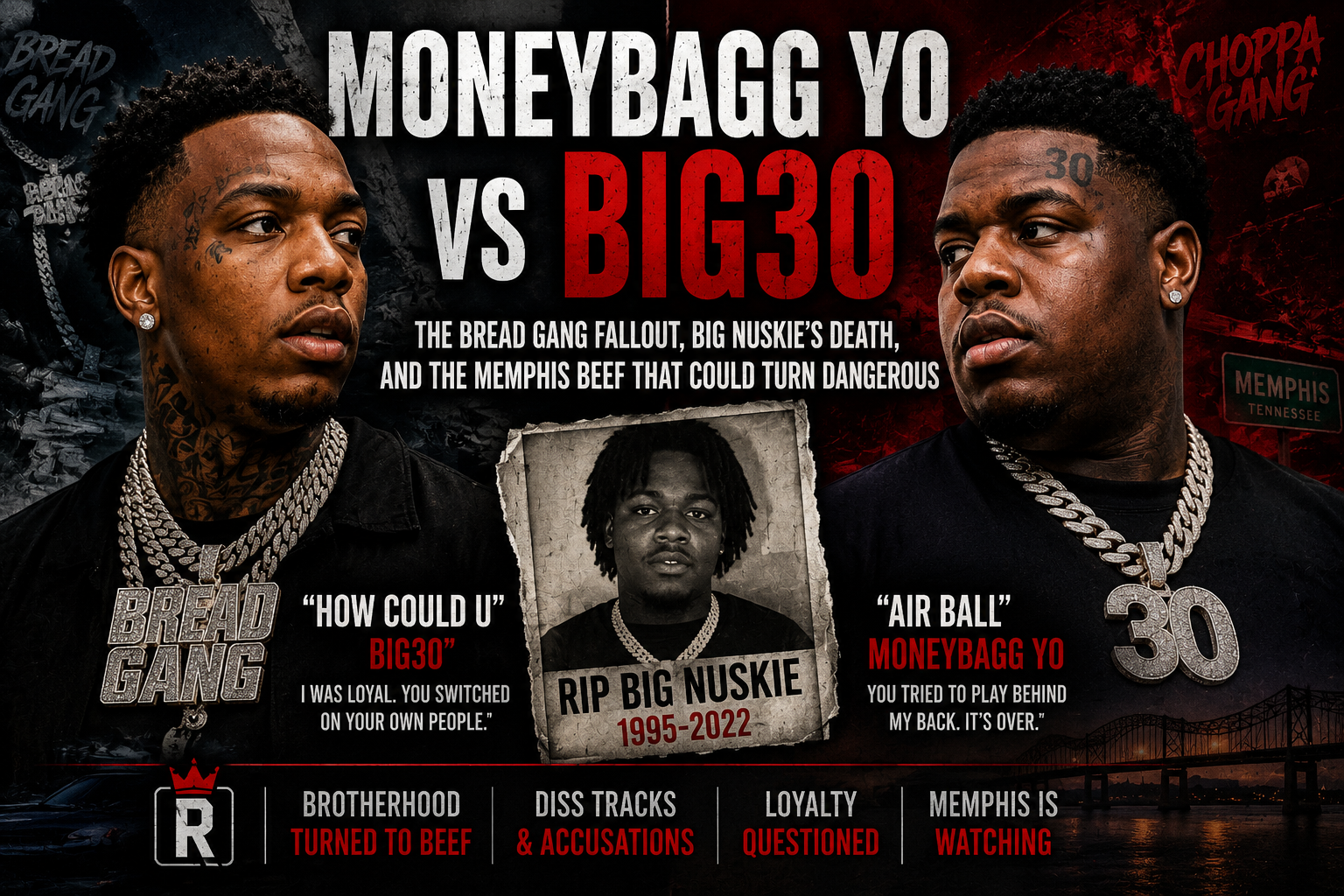
| Tennessee | Gangsta Pat | Gangsta Pat is one of Memphis rap’s essential early names, helping set the stage before Three 6 Mafia, Project Pat, Yo Gotti, Young Dolph, Moneybagg Yo, and the city’s later national dominance. |
| Texas | Geto Boys | The Geto Boys helped put Houston and Texas rap on the national map through Rap-A-Lot Records, street storytelling, and a Southern identity that changed hip-hop’s geography. |
| Utah | Restlezz | Utah’s rap history is thin in national archives, but Restlezz gives the state a specific documented hip-hop name while Salt Lake City’s local history remains under-researched. |
| Vermont | Iame | Iame is listed as a Vermont-based rapper and gives the state a specific documented hip-hop reference point, though Vermont’s earliest local rap activity likely needs more regional documentation. |
| Virginia | Missy Elliott | Missy Elliott is one of Virginia’s most important rap and music figures, while Timbaland, The Neptunes, Clipse, Pusha T, and Pharrell helped make the state a creative powerhouse. |
| Washington | Sir Mix-a-Lot | Sir Mix-a-Lot gives Washington one of the clearest early state claims, helping Seattle rap reach national attention before the wider Northwest scene became more visible. |
| West Virginia | DJ Cocoa Chanelle | West Virginia’s rap archive is limited, but DJ Cocoa Chanelle gives the state a specific documented hip-hop figure and a stronger historical anchor than a generic “local candidate” label. |
| Wisconsin | Coo Coo Cal | Coo Coo Cal is one of Milwaukee’s best-known rap figures and gives Wisconsin a specific documented state representative in Midwest hip-hop history. |
| Wyoming | Yung Gravy | Wyoming has no major, clearly documented early rap pioneer in common national databases, but Yung Gravy was born in Rochester, Minnesota and raised partly in Wisconsin rather than Wyoming, so Wyoming remains the most open research slot in this project. The state needs a verified local candidate before any serious “first rapper” claim can be made. |
What Changed When The Names Became Specific
Adding names changes the way the map feels. A vague phrase like “local underground candidates” may be safe, but it does not give readers anything to research, debate, or correct. Once the table names artists such as Coke La Rock, Ice-T, MC Shy D, MC Thick, Gangsta Pat, Geto Boys, and Sir Mix-a-Lot, the story becomes easier to follow and more useful as an evergreen hip-hop resource.
It also makes the uncertainty more honest. Some states have clear foundational candidates. Others only have documented rappers who became visible much later than the state’s first local hip-hop activity. That difference matters. A rapper with a Wikipedia page is not automatically the first rapper from that state. But a documented name gives the search a starting point, and that starting point can lead readers toward deeper local history.
Enter The Raptology Rap Contest
Every state once had a first voice, and every era creates new ones. If you are an independent artist ready to be heard, the Raptology Rap Contest gives emerging rappers another way to gain visibility and build momentum.
Join The Rap ContestThe Strongest Early Claims
New York, Pennsylvania, California, Florida, Georgia, Louisiana, Tennessee, Texas, Washington, and Massachusetts are among the states with the strongest early documented entries. Their scenes either produced foundational records, nationally visible pioneers, or regional movements that changed hip-hop’s direction. These are the states where the claim feels less like a placeholder and more like a true historical anchor.
New York still owns the foundation because the Bronx created hip-hop culture itself. Pennsylvania has Philadelphia’s early recorded and street-rap importance. California gave the world early West Coast rap and later one of the most powerful regional movements in music history. Florida made Miami bass unavoidable. Georgia and Texas helped shift the center of rap away from the coasts. Tennessee and Louisiana reshaped Southern rap through Memphis darkness, New Orleans bounce, independent labels, and street storytelling.
More Raptology Sections For Hip-Hop Fans
- Documentaries for deep dives into rap stories, beefs, deaths, legal cases, and regional history.
- Breaking News for current rap headlines and industry updates.
- Rap School for music business education, royalties, publishing, and artist growth.
- Submit Your Music for artists looking to reach Raptology’s audience.
- Rap Contest for independent rappers seeking exposure.
The Most Difficult States Still Need Local Receipts
The hardest part of the search is not finding famous rappers from each state. The harder task is proving who came first. States such as Alaska, Idaho, Iowa, Maine, Montana, Nebraska, New Hampshire, North Dakota, South Dakota, Utah, Vermont, West Virginia, and Wyoming reveal the limits of mainstream rap documentation. In several cases, the most visible documented rapper may not be the earliest rapper who actually performed locally.
That does not make the search useless. It makes it more important. Hip-hop history often rewards the artists who were documented, not always the ones who were first. The first rapper in a small town may have been on a local flyer, a self-released cassette, a college radio freestyle, or a community-center stage long before blogs, databases, and streaming services existed. Those names still matter, even if they are harder to find.
Why This Belongs On Raptology
Raptology’s Documentary section is built around stories that are bigger than quick headlines. This map of early rap voices connects directly to the site’s larger mission: preserving hip-hop history, documenting regional scenes, and giving readers a reason to explore beyond the most obvious names. A reader who lands here can move into Rappers A-Z, study producers through Producers A-Z, follow legacy artists inside the Rap Hall of Fame, or keep up with current developments through Latest Rap News.
The bigger lesson is simple. Hip-hop was born in the Bronx, but it did not become global by staying in one place. It became powerful because every state, city, scene, and neighborhood learned to translate the culture into its own voice. Some of those voices became legends. Some became local heroes. Some are still waiting for someone to recover the evidence.
Get Featured On Raptology
If you are an artist, manager, producer, publicist, or label with a story that deserves coverage, Raptology can help build visibility through editorial-style music coverage, artist features, and hip-hop audience placement.
Start Your SubmissionReader Poll: What Should Count As A State’s “First Rapper”?
Hip-hop history is complicated. Should the title belong to the first known live performer, the first official record, the first nationally recognized rapper, or the first artist with major regional impact?
The Map Is Still Being Written
The story of America’s earliest rap voices is not complete. It may never be complete in the way a simple list suggests. Hip-hop was built by people who often had no idea their local parties, tapes, performances, and independent records would one day become part of a global culture. Some became legends. Some became regional heroes. Some were forgotten before they were ever properly documented.
That is why the search matters. Finding the earliest rapper from every state is not just about trivia. It is about restoring scale to hip-hop history. The Bronx gave the culture its foundation, but every state that picked up the microphone added another chapter. The map is bigger than the industry usually admits, and many of its first voices are still waiting to be heard again.

Raptology Editorial is the official newsroom voice of Raptology, covering breaking hip-hop news, artist developments, industry trends, and in-depth editorial reports from across the global rap landscape.

Leave a Reply