
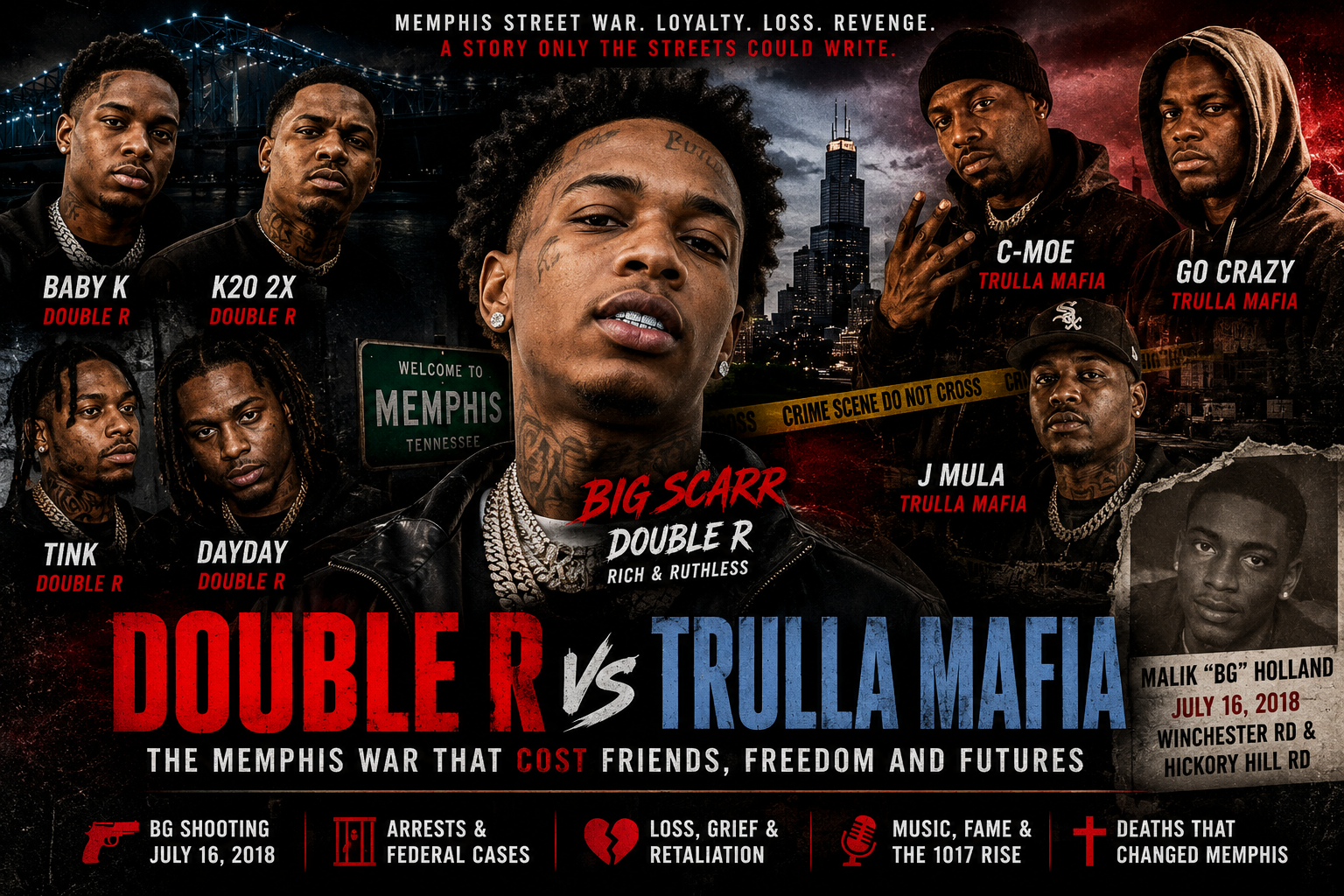
Before Big Scarr became one of Gucci Mane’s most promising 1017 signees, his story was already tied to a Memphis world where rap ambition, neighborhood loyalty, grief, and street politics moved together. The conflict often discussed online as Double R versus Trulla Mafia was never just a rap beef. It was a story about former ties breaking apart, young men choosing sides, violence spilling into neighborhoods, and music becoming one of the few ways survivors tried to turn pain into something larger.
The uploaded transcript frames the conflict as one of Memphis’ most dangerous modern street stories, involving Double R, also known as Rich & Ruthless, and Trulla or Truly Mafia. It names figures such as Big Scarr, Baby K, K20 2X, C-Moe, J Mula, Go Crazy, BG, D Money, J Money, and others whose names circulate in Memphis street-media discussions. Because many of those claims come from commentary, social media clips, lyrics, and alleged street accounts rather than court findings, this article treats disputed claims carefully and separates documented public reporting from drill-media narratives.

Case Snapshot
Main focus: Double R, Trulla Mafia, Big Scarr’s Memphis circle, and the fallout from a violent local conflict
City: Memphis, Tennessee
Key artist: Big Scarr, a Memphis rapper later signed to Gucci Mane’s 1017 label
Major public case: Malik “BG” Holland was killed in a July 16, 2018 shooting at Winchester Road and Hickory Hill Road
Music connection: Big Scarr’s rise through “Make A Play,” “SoIcyBoyz,” and the 1017 movement brought national attention to his circle
Core issue: A local split that became a cycle of grief, retaliation claims, arrests, music, and public street-media storytelling
Are You An Independent Artist?
Raptology covers rising artists, regional rap movements, street stories, music videos, and independent hip-hop culture. If you are building momentum and want your music seen by real rap readers, submit your music for editorial consideration.
Submit Your MusicMemphis Was Already Heating Up
Memphis rap has always carried a different kind of darkness. Long before the streaming era, the city’s underground sound helped shape trap music, horrorcore textures, crunk energy, and Southern street rap. By the late 2010s and early 2020s, Memphis was once again one of the most important cities in hip-hop, producing stars, crews, labels, and street-linked narratives that fans followed obsessively online.
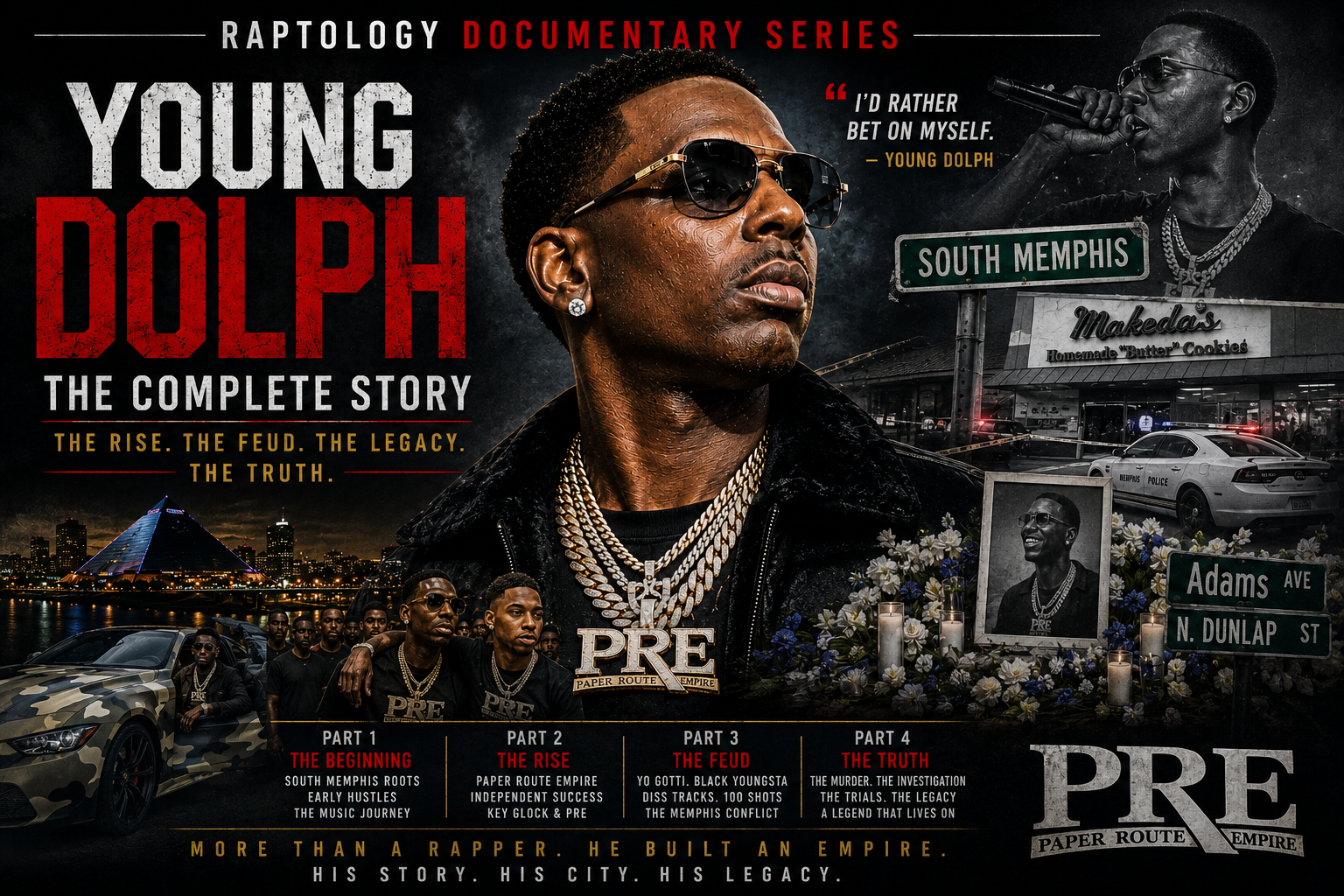
Young Dolph had turned Paper Route Empire into a powerful independent movement. Moneybagg Yo was becoming a mainstream force. Pooh Shiesty brought a new wave of aggression and momentum. Big Scarr emerged as another hard-voiced Memphis artist with the kind of street-coded presence that made fans believe every bar came from real life. But behind the music was another story, one filled with grief, arrests, fractured friendships, and neighborhood tension.
The transcript describes several Memphis groups that fans often discuss in connection with street politics, including Goon Squad Mafia, Spring Valley Military, 700 Murder Squad, Choppa Gang, Double R, and Trulla Mafia. The focus here is not to glorify any group or repeat every online accusation as fact. The focus is to understand how the Double R and Trulla Mafia conflict became part of the larger Memphis rap conversation.
Who Were Double R And Trulla Mafia?
Double R is commonly described in Memphis street-media discussions as Rich & Ruthless. The transcript connects the group to Big Scarr and several names from his wider circle, including Baby K, K20 2X, Tink, and others. Trulla Mafia, sometimes described online as Truly Mafia, is presented in the transcript as an older or more rooted Memphis street organization with names such as J Mula, C-Moe, Go Crazy, and other associates appearing in the narrative.
The most important part of the story is not simply that two groups existed. It is that the transcript suggests they were not always enemies. Like many conflicts in street rap history, the tension is described as coming from a split, a break in loyalty, or a falling out between people who once had overlapping connections. That is usually what makes these situations so hard to stop. When the people involved once knew each other, every loss feels personal, and every insult feels like betrayal.
The Memphis Question
What happens when young men who once shared circles stop seeing each other as allies and start treating every loss as something that must be answered?
The BG Shooting Became A Turning Point
One of the clearest documented events connected to the story is the July 16, 2018 shooting that killed 18-year-old Malik Holland, also known in online discussions as BG or Baby Grape. Public reporting from Memphis described the shooting as taking place shortly after 9:30 p.m. near Winchester Road and Hickory Hill Road, when a vehicle occupied by several teens was stopped at a red light.
According to that reporting, Carlos Lacey was accused of getting out and firing into the vehicle, killing Holland and critically injuring another passenger. The transcript identifies BG as a close friend of Big Scarr and frames the killing as one of the events that pushed the Double R and Trulla Mafia conflict into a far more dangerous phase.
That distinction matters. The court reporting documents the shooting and the charges. The broader meaning of the killing inside Memphis street politics comes from the transcript, local commentary, and the way people close to the scene discussed it afterward. In rap culture, a death like that does not stay in police paperwork. It becomes part of songs, tribute posts, accusations, and a cycle of grief that can last for years.
Why BG’s Death Changed The Atmosphere
When someone close to a rising artist’s circle is killed, the emotional impact moves in several directions at once. Friends grieve privately. Neighborhoods react publicly. Opposing sides may begin posting, dissing, or denying involvement. Fans start building timelines. Bloggers search old posts for clues. The internet turns trauma into a storyline, even while families are still processing the loss.
In the transcript, BG’s death is described as the moment that changed the tone of the conflict. Before that, there may have been tension, arguments, and smaller incidents. After that, the situation was framed as something deeper. The death of someone connected to Big Scarr’s circle became the wound that people kept returning to when explaining why the conflict escalated.
This is the part of street rap culture that often gets misunderstood. A killing does not only remove one person. It reshapes everyone around that person. It changes how friends move. It changes how music sounds. It changes how people interpret lyrics. It makes every future disagreement feel heavier because a real loss is already sitting in the background.
Big Scarr’s Rise Was Happening At The Same Time
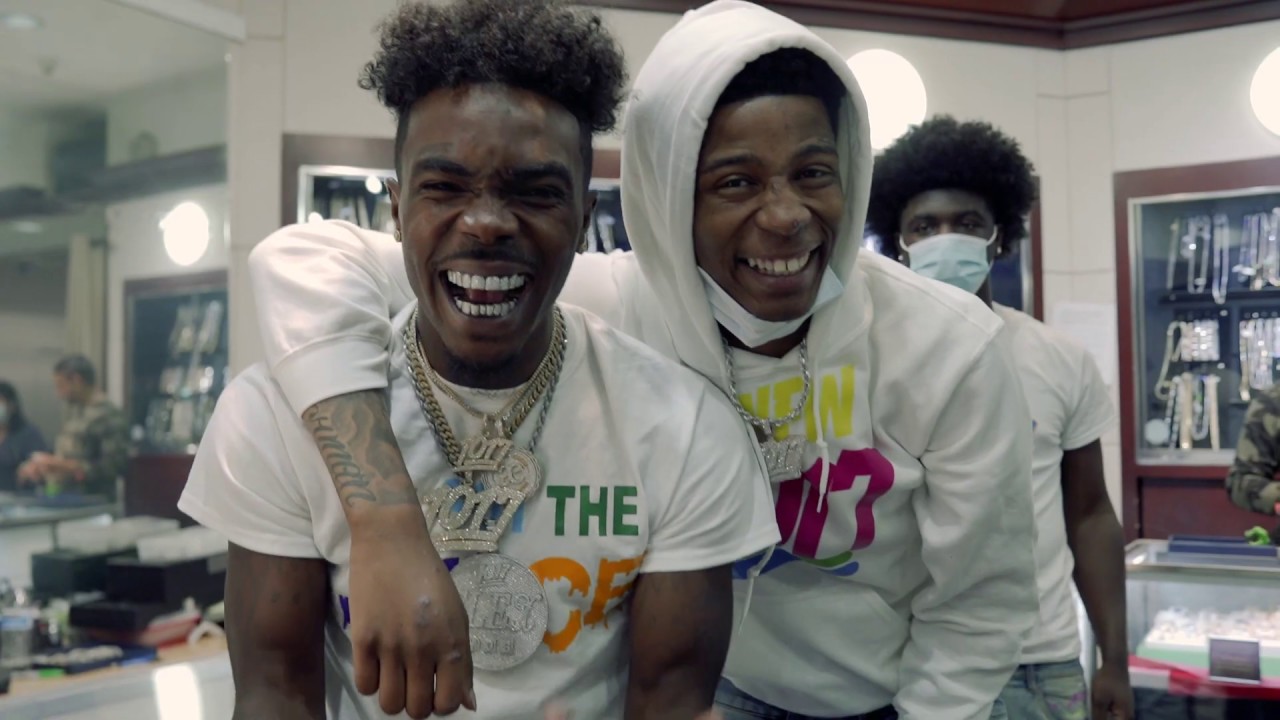
As the conflict became part of Memphis street-media conversation, Big Scarr was building something different through music. His breakout record “Make A Play” helped put him on the radar, and the rawness of his voice made him stand out immediately. He did not sound polished in the traditional industry sense. He sounded like Memphis pressure, delivered with the confidence of someone who had lived through more than he wanted to explain.
The transcript describes Baby K as one of the people who pushed Big Scarr toward music. That part of the story matters because it shows that rap was not just entertainment for the people around Double R. It was also an exit strategy, a way to turn local reputation into national opportunity. In a city where violence was closing in on young men from every direction, the studio could become a possible escape route.
Gucci Mane eventually signed Big Scarr to 1017, placing him alongside a new generation of Southern street rappers. The move made sense. Gucci has always had an eye for raw regional talent, and Big Scarr carried the kind of authenticity labels cannot manufacture. But success did not erase the pain around him. If anything, it made the contrast sharper: national attention on one side, local losses on the other.
The Scar Behind The Name
Big Scarr’s stage name itself became part of his mythology. Fans knew he had survived a serious car accident that left a visible scar, and he later spoke publicly about surviving violence as well. The transcript references a shooting injury that left him physically damaged before his rap career fully took off. Those experiences added to the feeling that Scarr’s music came from a place of survival rather than performance.
That survival narrative made fans connect with him, but it also made his story feel haunted. Big Scarr was rising, yet he was carrying memories of friends lost, physical trauma, and the pressure of representing people who did not get the same chance. That is why his music often sounded bigger than flexing. Behind the money talk and street confidence was a sense of urgency, like success had to happen before something else went wrong.
C-Moe, Go Crazy, J Mula, And The Trulla Side
The transcript places major focus on figures from the Trulla Mafia side, especially C-Moe, Go Crazy, and J Mula. In street-media storytelling, C-Moe is described as one of the most central names on that side of the conflict, while Go Crazy becomes connected to the publicly reported BG case. J Mula is also discussed in relation to arrests, social media disputes, and the broader Trulla network.
Because many of these claims come from the transcript’s narration and online discussions, they should not all be repeated as confirmed facts. What can be said is that the names became part of the public mythology around the feud. Once a conflict enters music and social media, people are not remembered only by court documents. They are remembered through lyrics, comments, arguments, mugshots, tribute posts, and the way fans retell the story.
That is one reason these Memphis conflicts remain so heavily discussed. The music gives the public a soundtrack. The street-media channels give the public a timeline. But the full truth is usually harder to access, especially when people involved are dead, incarcerated, or unwilling to speak openly.
When Social Media Became Part Of The War
The transcript repeatedly references online posts, taunts, accusations, and diss-related content. That is not unique to Memphis. Chicago, Jacksonville, Baton Rouge, Atlanta, and other rap cities have all seen social media become part of real-world conflicts. But Memphis had its own intensity because the city’s rap scene was exploding nationally at the same time these local stories were circulating.
Every post became a clue. Every song became a possible message. Every old picture became evidence of who used to be cool with whom. Fans watched from a distance, but for the people involved, the attention could make things worse. Once pride becomes public, backing down becomes harder. Once losses are mocked online, grief can turn into rage.
The Cost On Both Sides
What makes the Double R and Trulla Mafia story so grim is that nobody truly wins. The transcript describes losses on both sides, including BG, 2-3, D Money, J Money, Murder Brasi, and others whose names appear in local discussions. Some of those details remain difficult to verify fully through public records, but the larger point is clear: the conflict produced grief, trauma, arrests, and long-term damage.
One of the most painful parts of the transcript is the reference to mental health and the emotional toll of living through constant loss. Street stories are often told like scoreboards, but real people are not statistics. Every death leaves parents, children, siblings, friends, and communities trying to make sense of something that cannot be repaired.
That is why this story should not be told as entertainment only. It is a rap history story because Big Scarr’s rise is tied to it. It is a Memphis story because neighborhoods were affected by it. But it is also a warning about how quickly loyalty can turn into a trap when retaliation becomes the only language people feel they have left.
The 2020 Cane Creek Apartment Shooting
The transcript references the killing of a Double R member known as 2-3 and says his father was also killed during a shooting at Cane Creek Apartments off Reagan Street on January 20, 2020. Because this detail comes from the transcript’s street-media account, it should be treated as part of the narrative rather than a fully independently verified claim inside the article.
Still, the alleged event matters within the story because it shows how the conflict was understood by people following Memphis street politics. In these narratives, each loss becomes connected to previous losses, whether law enforcement publicly confirms those links or not. That creates a dangerous feedback loop. People begin seeing every shooting as part of a larger war, and the expectation of retaliation grows.
Music As The Escape Route
Big Scarr’s rise showed that there was another possible path. Instead of letting every conflict end in prison or death, music offered a way to move Memphis street energy into a national platform. “Make A Play” was more than a breakout song. It was proof that someone from that world could turn pain, charisma, and local reputation into opportunity.
“SoIcyBoyz” pushed that opportunity further. With Pooh Shiesty and Foogiano involved, the song placed Big Scarr inside the 1017 wave that briefly looked like one of the strongest new movements in Southern rap. The chemistry, the visuals, and the street credibility all aligned. For fans, it felt like Memphis and 1017 had found another star.
Why Big Scarr Became The Strongest Article Angle
From an editorial standpoint, Big Scarr is the center of this story because he is the name most readers will search. The groups matter, the local history matters, and the cases matter. But Scarr gives the story a human anchor. He represents the possibility that someone connected to a dangerous environment could still build something meaningful through music.
That is also what makes the story tragic. Big Scarr’s career showed promise, but the environment around him was filled with loss. The transcript describes friends dying, associates going to prison, and people carrying physical and emotional scars long before national fans knew their names. That contrast is what gives the documentary its weight.
Rap fans often discover these stories backward. They hear the hit song first. Then they learn about the crew. Then they discover the deaths, the arrests, the old conflicts, and the trauma behind the music. By the time they understand the full context, the song sounds different.
Law Enforcement Closes In
As the conflict continued, law enforcement attention increased. The transcript references arrests involving C-Moe, J Mula, CEO Bobby, and others, along with allegations connected to roadway shootings and attempted murder charges. Some of these claims require more public documentation before being stated as legal fact, but they reflect how the feud was discussed by people following the case online.
That is a recurring pattern in street-linked rap stories. Once violence becomes public, law enforcement begins building cases while the internet builds its own version of events. The two narratives do not always match. Police reports may focus on specific charges and evidence, while fans focus on lyrics, posts, and rumored motives.
For the people involved, both narratives can be dangerous. The legal system can take freedom. The internet can destroy reputations, escalate pressure, and make private grief impossible to escape.
Timeline Of The Double R And Trulla Mafia Story
Before 2018: Memphis street-media accounts describe overlapping ties and eventual splits involving people later associated with Double R and Trulla Mafia.
July 16, 2018: Malik “BG” Holland is killed in a shooting near Winchester Road and Hickory Hill Road in Memphis.
2019: Carlos Lacey is publicly reported as indicted in connection with the July 2018 shooting.
2019-2020: Big Scarr’s “Make A Play” begins pushing his name into wider rap conversations.
2020: The transcript describes additional violence, arrests, and losses that deepened the conflict’s reputation.
2020-2021: Big Scarr’s momentum grows through Gucci Mane’s 1017 platform and records such as “SoIcyBoyz.”
Afterward: The story remains part of Memphis rap lore, with fans continuing to connect music, losses, arrests, and local street history.
The Bigger Lesson Behind The War
The hardest part of the Double R and Trulla Mafia story is that so much of the damage appears to come from people who were not always strangers. The transcript suggests that parts of the conflict grew out of a split, and that kind of breakup is often more painful than a traditional rivalry. It is one thing to lose someone to an enemy. It is another to watch former associates become enemies.
Once that happens, pride makes peace difficult. Every side has dead friends. Every side has people in jail. Every side feels wronged. Every side believes it is reacting to something that came before. That is how a conflict becomes self-sustaining. Nobody remembers the first argument clearly, but everyone remembers the funerals.
For Memphis rap, the lesson is not that street stories should be ignored. These stories shape the music, and pretending they do not exist would make the coverage dishonest. The lesson is that the stories should be handled with care. Real people died. Real families suffered. Real artists tried to turn pain into careers. That deserves more than scoreboard-style coverage.
Big Scarr’s Legacy In The Story
Big Scarr’s legacy is bigger than the conflict around him. He became one of the most recognizable young voices from Memphis, signed to one of Southern rap’s most important label figures, and left behind music that still connects with fans. His story should not be reduced only to crew politics or street rumors.
At the same time, the environment around him helps explain why his music felt so urgent. He was not rapping from a distance. He came from a world where friends were lost, violence was close, and success felt like a race against time. That context matters because it helps listeners understand why the records hit the way they did.
In the end, the Double R and Trulla Mafia story is not simply about who won or who lost. It is about what happens when young people inherit conflict, turn pain into identity, and then try to escape through music before the streets take everything back.
The Final Question
Was the conflict worth the lives, cases, trauma, and missed futures it created? The music may survive, but the cost behind it remains impossible to ignore.
Frequently Asked Questions
Who was Big Scarr?
Big Scarr was a Memphis rapper associated with Gucci Mane’s 1017 label. He became known for records such as “Make A Play” and “SoIcyBoyz,” and his music carried the raw street energy that helped define a new Memphis rap wave.
What is Double R?
Double R is commonly described in Memphis street-media discussions as Rich & Ruthless. The transcript connects the group to Big Scarr’s circle and several other Memphis names frequently mentioned in online accounts.
What is Trulla Mafia?
Trulla Mafia, sometimes described online as Truly Mafia, is discussed in the transcript as a Memphis street group connected to figures such as C-Moe, Go Crazy, J Mula, and others. Many details about the group come from street-media accounts and should be handled carefully.
Who was Malik “BG” Holland?
Malik Holland, also known in online discussions as BG or Baby Grape, was an 18-year-old killed in a July 16, 2018 shooting in Memphis. Public reporting says the shooting happened near Winchester Road and Hickory Hill Road.
Why does this story matter to Memphis rap history?
The story matters because it shows how Memphis rap success, street politics, grief, and violence often existed side by side. Big Scarr’s rise gave the story a national music connection, while the local conflict showed the cost behind the movement.
Raptology Rap Contest
Raptology supports independent artists who want exposure without relying on destructive beef for attention. Enter the Raptology Rap Contest for a chance to build visibility, reach new listeners, and move your music beyond your local circle.
Enter The Rap ContestReader Poll: What is the biggest lesson from the Double R and Trulla Mafia story?
Raptology Editorial is the official newsroom voice of Raptology, covering breaking hip-hop news, artist developments, industry trends, and in-depth editorial reports from across the global rap landscape.

Winifred
Thanks for finally writing about > Double R vs Trulla Mafia:
Big Scarr, BG’s Death And The Memphis Feud That Tore A Rap Circle
Apart | Raptology Link Tips Inspirasi