
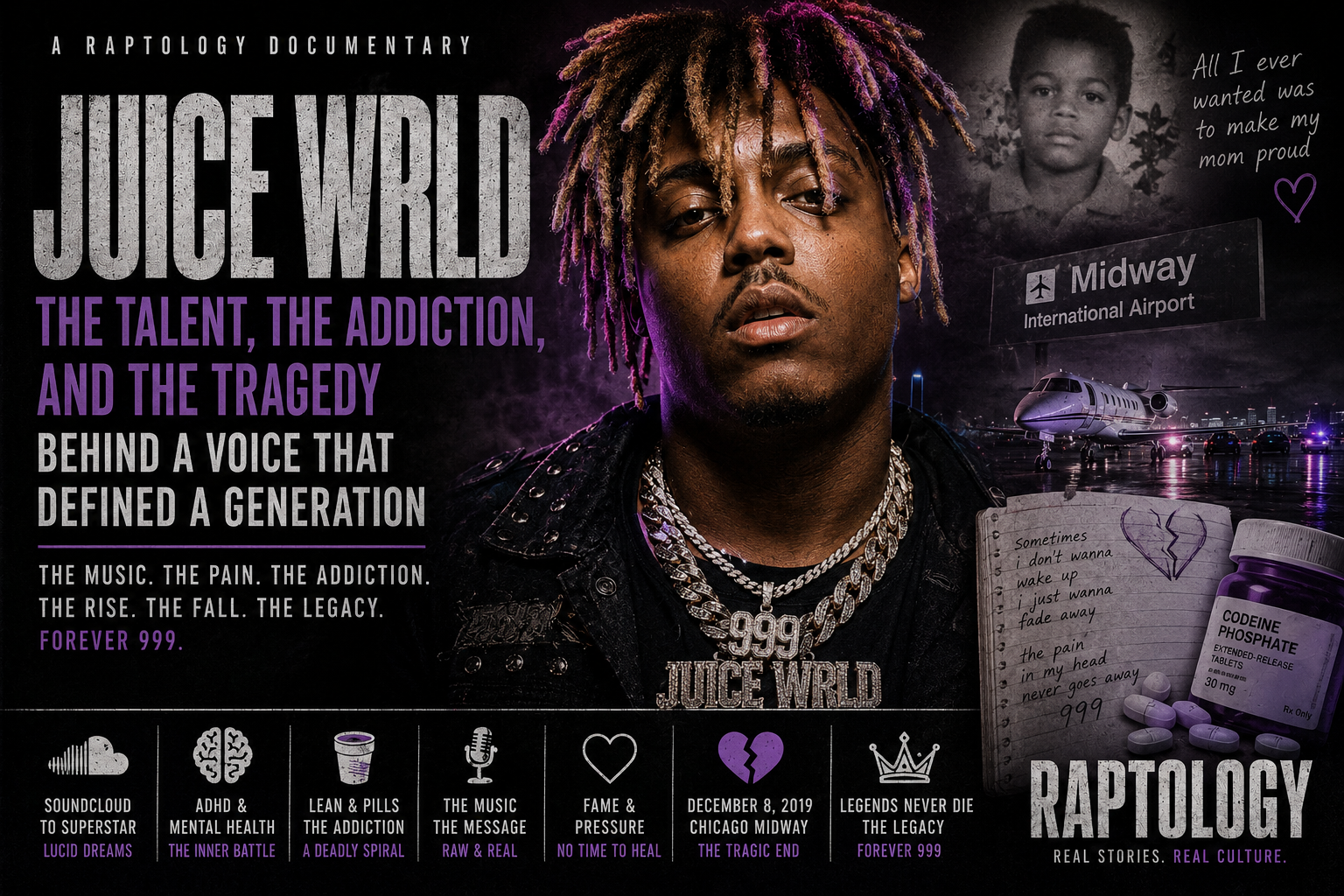
Juice WRLD did not sound like he was chasing a generation. He sounded like he was trapped inside it — anxious, heartbroken, medicated, gifted, funny, self-aware, and too talented to ignore. In less than two years as a mainstream star, Jarad Anthony Higgins turned pain into a language millions of fans understood.
His rise felt almost impossible in real time. One minute, he was another young artist uploading songs online. The next, he was standing at the center of a new emotional wave in hip-hop, powered by a song that transformed heartbreak into a global anthem. “Lucid Dreams” made him famous, but it was not the whole story. Juice WRLD was bigger than one hit. He was a songwriter, a freestyler, a melodic innovator, and a young man trying to survive the same darkness that made his music feel so real.
That is why his death still hurts. Juice WRLD was only 21 when he died on December 8, 2019, after suffering a medical emergency at Chicago Midway International Airport. His official cause of death was later ruled an accidental overdose involving oxycodone and codeine. For fans, the tragedy felt cruel because the warning signs were already in the songs. He had been telling the world what he was fighting. The world sang along. Then the voice disappeared.
Get Featured On Raptology
Independent artists, managers, and labels can submit music for editorial coverage, interviews, and promotional visibility across Raptology.
Submit Your MusicThe Chicago Kid Who Heard Music Differently
Before the world knew him as Juice WRLD, he was Jarad Anthony Higgins, born December 2, 1998, in Chicago, Illinois. He grew up in the Chicago area during a period when the city was shaping modern rap from multiple directions at once. Drill music was exploding. Chief Keef had already changed the sound and attitude of street rap. Chance The Rapper represented a different kind of independent success. Kanye West remained one of the city’s most important creative exports.
Juice WRLD came from that environment, but he did not copy any single lane. His sound pulled from rap, rock, pop-punk, emo, trap, and internet-era teenage confession. He was part of a generation that did not treat genre boundaries as rules. A young listener could grow up with Lil Wayne, Chief Keef, Travis Scott, Fall Out Boy, Panic! At The Disco, and Black Sabbath all sitting inside the same digital universe. Juice WRLD absorbed that freedom.
That wide musical imagination became one of his defining gifts. He could rap with technical confidence, sing with emotional directness, and create hooks that felt instantly familiar. His songs did not require complicated decoding. They sounded like journal entries written in melody.
He first released music under the name JuicetheKidd, a name connected to his admiration for Tupac Shakur’s role in the film Juice. Eventually, the name evolved into Juice WRLD — a title that suggested taking over the world. It sounded ambitious, but within a few years, it no longer seemed unrealistic.
Raptology Documentary note: Juice WRLD’s story is inseparable from addiction and mental health. This article discusses those topics in the context of his music, public reporting, and legacy, without romanticizing substance use or tragedy.
SoundCloud Changed Everything
The mid-to-late 2010s were a turning point for hip-hop. SoundCloud lowered the gate. Young artists no longer needed major-label budgets, radio programmers, or traditional approval to build a fan base. A song recorded in a bedroom could reach millions if the emotion was strong enough and the internet decided to move it.
Juice WRLD arrived at exactly the right time. He understood the speed of the platform, but more importantly, he understood the emotional temperature of the audience using it. Many young fans were not looking for perfect celebrity distance. They wanted artists who sounded like they were living through the same confusion they were. Anxiety, heartbreak, depression, pills, toxic relationships, insecurity, and loneliness were not side themes. They were the center.
Juice WRLD’s early uploads carried that feeling. He did not sound like a rapper trying to prove he was untouchable. He sounded wounded, open, sometimes reckless, and strangely comforting. That combination made him magnetic.
In a different era, his vulnerability might have been considered too raw for mainstream rap. In the SoundCloud era, it became the reason listeners believed him.
More Documentaries
Explore long-form hip-hop stories in the Raptology Documentary archive.
Featured Stories
Read artist profiles and deep dives in Featured Stories.
Latest Rap News
Follow current updates in Latest Rap News.
“All Girls Are The Same” Opened The Door
Before “Lucid Dreams” became the song everyone knew, “All Girls Are The Same” helped introduce Juice WRLD’s identity to a wider audience. The track was direct, wounded, and melodically addictive. It sounded like a breakup message turned into a confession booth.
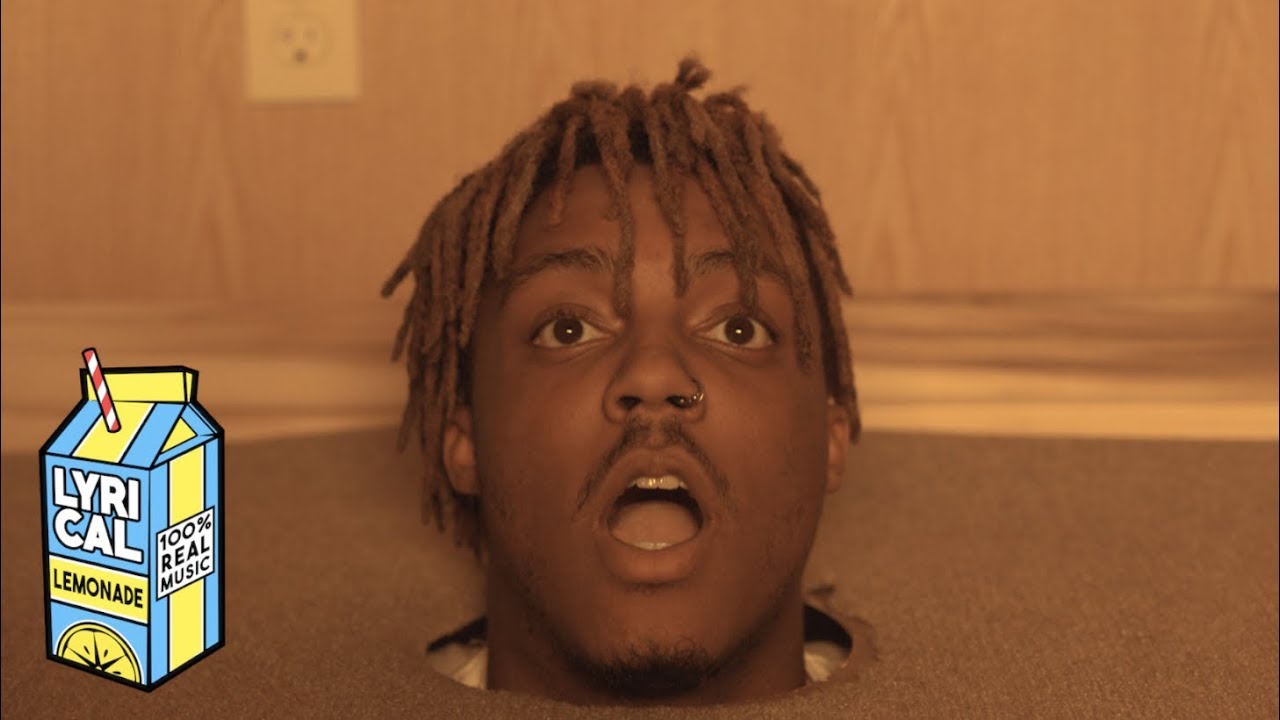
The Cole Bennett-directed video was crucial. Lyrical Lemonade had become a powerful visual engine for the SoundCloud generation, helping transform internet songs into cultural moments. When Juice WRLD connected with that visual world, the pieces aligned. The sound, the look, the timing, and the emotional message all made sense together.
“All Girls Are The Same” showed what Juice WRLD could do better than almost anyone in his class: take teenage heartbreak seriously without making it feel small. He did not treat pain as background decoration. He made it the main character.
“Lucid Dreams” And The Breakout That Changed His Life
Then came “Lucid Dreams.”
The song was built around heartbreak, betrayal, and emotional obsession, but it carried the size of a stadium record. Its melody was unforgettable. Its lyrics were simple enough to quote and painful enough to feel personal. When Juice WRLD sang about still seeing someone’s shadows in his room, the line became more than a lyric. It became a generational caption for heartbreak.
“Lucid Dreams” peaked at No. 2 on the Billboard Hot 100 and became one of the defining rap songs of 2018. It pushed Juice WRLD from internet success to global visibility. Suddenly, he was not just a promising SoundCloud artist. He was one of the most important new voices in music.
The record also helped prove that emo rap could live at the center of the mainstream. Artists had blended rap and emotional vulnerability before him, but Juice WRLD made that blend feel unavoidable. He did not need to choose between melody and bars, between rap fans and pop audiences, between vulnerability and commercial success. He reached all of them at once.
Goodbye & Good Riddance: The Sound Of A Generation’s Heartbreak
Juice WRLD’s debut studio album, Goodbye & Good Riddance, arrived in 2018 and immediately became the project that defined his early legacy. It was not a traditional rap debut built around proving lyrical dominance. It was an emotional world. The album sounded like being trapped in a bedroom after a breakup, replaying memories, scrolling through messages, and trying to numb the feeling before morning.
That was the power of it. Juice WRLD understood heartbreak as something messy, repetitive, irrational, and consuming. The album did not present pain in a polished way. It circled around the same wounds because that is what heartbreak often does.
Tracks like “Lucid Dreams,” “All Girls Are The Same,” “Lean Wit Me,” “Wasted,” and “Armed And Dangerous” gave the project range. There was sadness, addiction talk, flexing, melody, humor, and danger. Juice WRLD could sound broken one moment and charismatic the next. That emotional instability made him feel real to listeners.
The album also helped create a blueprint for countless melodic rappers who followed. Its influence can be heard in the way newer artists approach hooks, vocal delivery, vulnerability, and genre-blending.
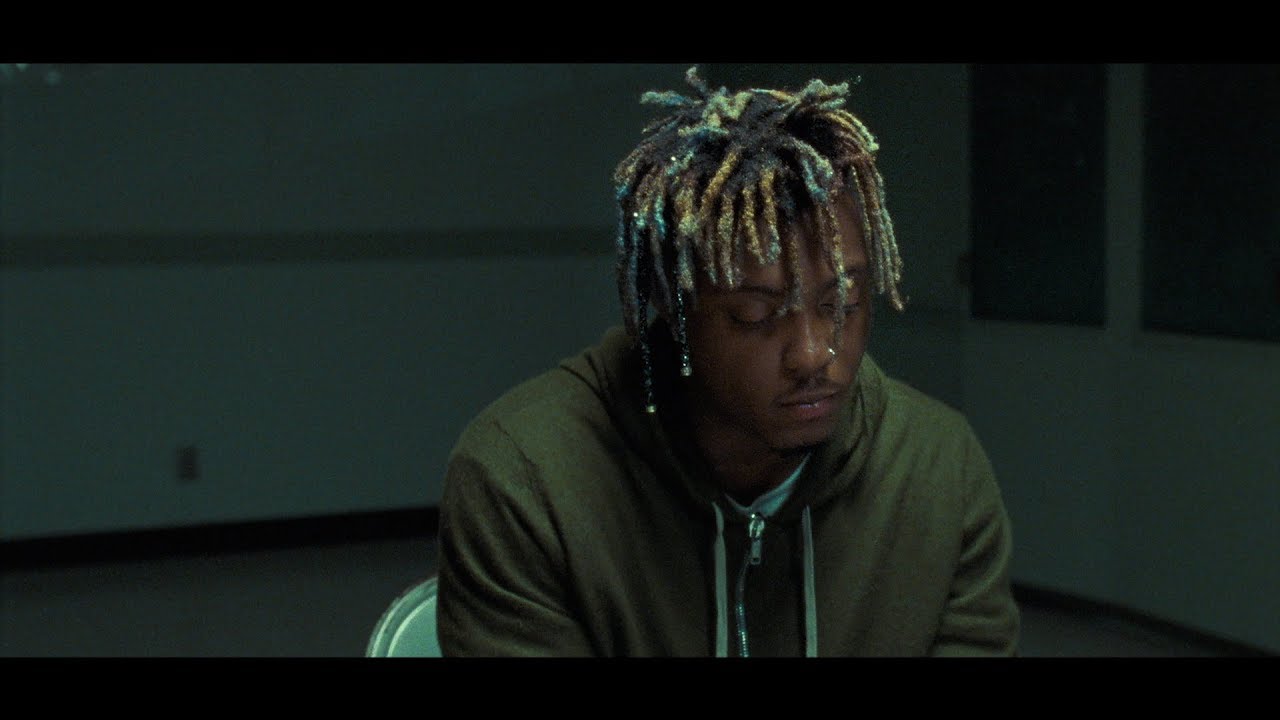
The Freestyle Gift Nobody Could Ignore
For casual fans, Juice WRLD was the artist behind “Lucid Dreams.” For deeper hip-hop fans, he was something even rarer: a natural freestyler with almost frightening creative stamina.
Videos of Juice WRLD freestyling for long stretches became part of his legend. He could rap over beat after beat, switch flows, create hooks, joke, confess, and keep going long after most artists would run out of ideas. His freestyles were not always polished in the traditional sense, but they showed the speed of his mind. He seemed to have songs pouring out of him constantly.
That ability mattered because it gave him credibility beyond the emo rap label. Some critics tried to reduce him to a melodic heartbreak artist, but the freestyle footage complicated that reading. Juice WRLD could really rap. He understood rhythm, internal melody, timing, and wordplay. His gift was not just that he felt deeply. It was that he could turn those feelings into music almost instantly.
WRLD On Drugs And The Future Collaboration
In 2018, Juice WRLD teamed with Future for WRLD On Drugs, a collaborative project that now feels more complicated in hindsight. On the surface, it was a major co-sign. Future was one of the most influential artists of the previous decade, and his melodic trap style helped shape the environment Juice WRLD emerged from.
But the project also placed Juice WRLD inside a larger conversation about drug culture in rap. Future’s music had often explored toxicity, excess, numbness, and self-destruction. Juice WRLD’s music did the same from a younger, more emotionally exposed perspective. Together, the title alone felt like a statement about the era.
At the time, many fans heard the project as another high-profile collaboration. After Juice WRLD’s death, it became harder to separate the music from the warning signs. His catalog was filled with references to pills, codeine, anxiety, and attempts to escape pain. The tragedy is that those references were not just aesthetic choices. They reflected a real struggle.
Death Race For Love: A Superstar In Motion
In 2019, Juice WRLD released Death Race For Love, his second studio album and his first project after becoming a mainstream star. The album debuted at No. 1 on the Billboard 200, proving his success was not built on one single alone.
Death Race For Love was bigger, more experimental, and more chaotic than his debut. It stretched across rap, rock, heartbreak songs, aggressive moments, melodic confession, and arena-sized hooks. Some listeners preferred the tighter emotional focus of Goodbye & Good Riddance, but Death Race For Love showed an artist trying to expand while moving at an impossible speed.
That speed defined Juice WRLD’s career. He recorded constantly. Collaborators have often described his creative output as massive. The public only heard a fraction of what he made while alive. That endless recording habit later became central to his posthumous catalog.
The Addiction He Kept Telling Us About
The most painful part of Juice WRLD’s story is that his music never hid the danger. Songs like “Lean Wit Me” were not vague. They spoke directly about substance use, dependency, and the cycle of trying to feel better while making everything worse.
Fans often loved the honesty because it made them feel less alone. But honesty is not the same as safety. Juice WRLD’s lyrics created connection, yet they also documented a crisis in motion. He was young, famous, heavily watched, constantly traveling, and surrounded by the pressures of an industry that often rewards output more than healing.
In interviews and reporting after his death, people close to him described growing concern about his drug use. His mother, Carmela Wallace, later became publicly involved in mental health and addiction awareness through Live Free 999, a foundation connected to his legacy.
That work matters because Juice WRLD’s death should not be reduced to myth. It was not just a dramatic ending to a rock-star story. It was a preventable human tragedy tied to addiction, youth, fame, and the normalization of self-medication inside music culture.
If there is one lesson in Juice WRLD’s story, it is that emotional honesty can save people only when it leads to care, support, and intervention. The music helped millions feel seen. The tragedy reminds us that being understood is not the same as being protected.
Why Fans Felt So Personally Connected
Juice WRLD fans often talk about him differently than they talk about ordinary celebrities. For many, he was not simply an artist they liked. He was someone whose music helped them survive a breakup, a depressive episode, a lonely school year, an addiction struggle, or a private anxiety they could not explain to people around them.
That kind of bond is powerful. It can make an artist feel like a friend, even when the relationship is one-sided. Juice WRLD’s voice carried that intimacy. He sounded close. He sounded unguarded. He sounded like someone admitting things other people were afraid to say out loud.
His songs were also easy to live with. They worked in headphones at night, in cars with friends, at parties, after breakups, and during moments of isolation. That flexibility allowed his music to become part of fans’ personal histories.
This is why his legacy has remained so strong. His catalog is not just remembered. It is still used. People still return to it when they need language for feelings they cannot organize on their own.
What Made Juice WRLD Different?
He combined freestyle ability, pop instinct, emotional transparency, and internet-era vulnerability in a way that made pain sound melodic without making it feel fake.
Why Does The Music Still Work?
Because the songs are built around emotions that do not expire: heartbreak, anxiety, addiction, loneliness, regret, hope, and the need to be understood.
December 8, 2019
On December 8, 2019, Juice WRLD suffered a medical emergency shortly after arriving at Chicago Midway International Airport. He was transported for medical treatment and later pronounced dead. He had turned 21 only days earlier.
The news spread with the speed of the internet era he helped define. Fans posted lyrics. Artists shared memories. Many people reacted with disbelief because Juice WRLD still felt like someone at the beginning of his story. He had already achieved more than most artists ever will, but he had not reached anything close to his full potential.
The Cook County Medical Examiner later ruled his death an accidental overdose involving oxycodone and codeine. The details were devastating because they connected directly to the themes he had been addressing in his music.
Hip-hop has lost young stars before, but Juice WRLD’s death landed with a particular weight because his art had made the crisis visible. Listeners were not shocked that he had struggled. They were shocked that the struggle had won.
Legends Never Die And The Posthumous Era
After Juice WRLD’s death, his team faced a difficult question: how do you honor an artist whose vault is enormous, whose fans are grieving, and whose story still feels unfinished?
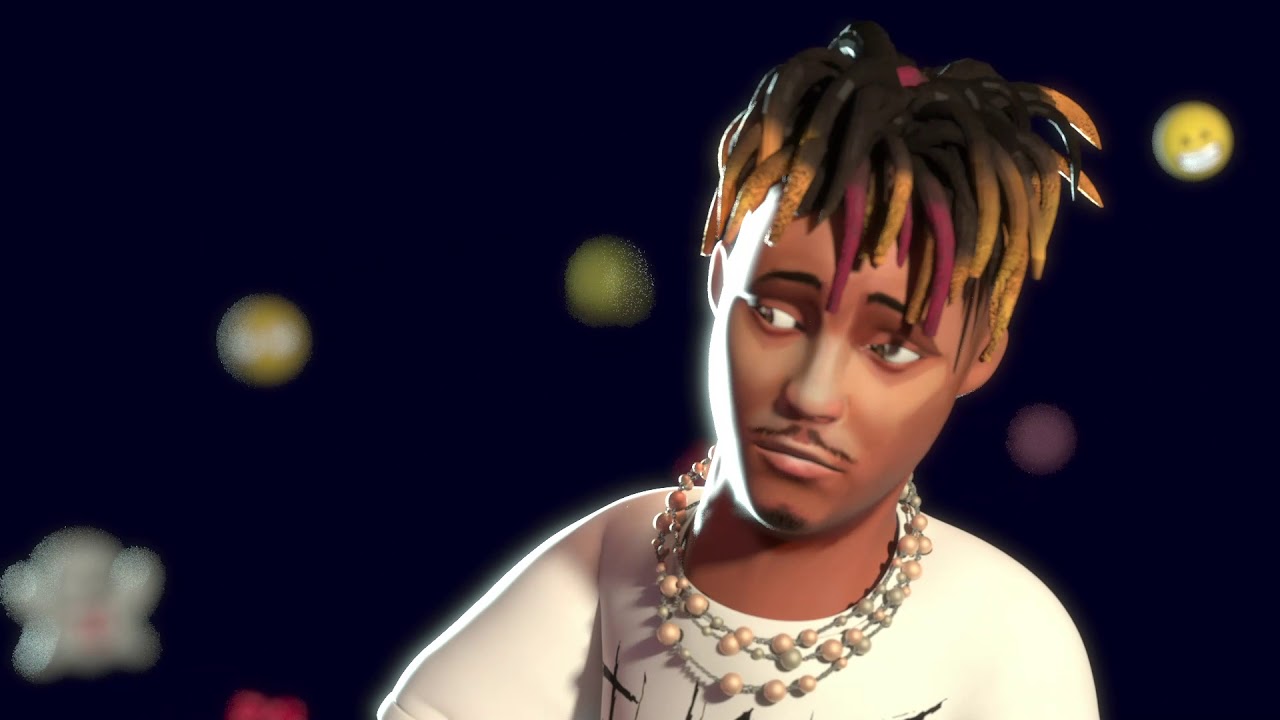
The answer began with Legends Never Die, released in 2020. The album became one of the most successful posthumous releases of the modern era and showed the scale of Juice WRLD’s unreleased material. It also proved that his audience had not moved on. If anything, the grief intensified the connection.
Songs like “Wishing Well,” “Come & Go,” and “Life’s A Mess” carried new meaning after his death. Lines about addiction, anxiety, and needing help no longer sounded like ordinary album themes. They sounded like messages from someone fans wished they could have saved.
Posthumous releases are always complicated. They can preserve an artist’s legacy, but they can also raise questions about consent, sequencing, and whether the artist would have approved the final presentation. With Juice WRLD, those questions became part of the ongoing conversation. Fans wanted more music, but they also wanted the legacy handled with care.
Fighting Demons And The Party Never Ends
Fighting Demons, released in 2021, continued the posthumous chapter and leaned directly into the darkness surrounding Juice WRLD’s story. The title itself felt like a summary of his public and private battle. The project arrived alongside continued fan demand for unreleased songs, leaks, documentary material, and official updates from his estate and label team.
In 2024, The Party Never Ends expanded the catalog again, arriving after years of anticipation from fans who had followed snippets, rumors, and leaked material. By then, Juice WRLD’s posthumous career had become a major part of his legacy. He was no longer only remembered as an artist who died young. He was also an artist whose unreleased work continued shaping the sound of young rap years after his passing.
That is rare. Many artists experience a spike of attention after death, then slowly fade into nostalgia. Juice WRLD did not fade. His streaming numbers, fan communities, and influence remained active because the emotional need for his music never disappeared.
Discography: The Projects That Built The Legacy
| Year | Project | Type | Why It Matters |
|---|---|---|---|
| 2018 | Goodbye & Good Riddance | Studio Album | The breakthrough project that turned heartbreak, melody, and vulnerability into a mainstream rap formula. |
| 2018 | WRLD On Drugs | Collaborative Project With Future | Connected Juice WRLD with one of trap’s most influential voices while reflecting the drug-heavy themes of the era. |
| 2019 | Death Race For Love | Studio Album | Debuted at No. 1 on the Billboard 200 and showed Juice WRLD expanding beyond his breakout sound. |
| 2020 | Legends Never Die | Posthumous Album | Became a massive posthumous release and turned grief into one of the defining music moments of 2020. |
| 2021 | Fighting Demons | Posthumous Album | Focused heavily on mental health, addiction, and the darker emotional themes surrounding his legacy. |
| 2024 | The Party Never Ends | Posthumous Album | Extended the official catalog after years of fan anticipation and continued debate over unreleased music. |
Essential Juice WRLD Songs
| Song | Era | Legacy |
|---|---|---|
| All Girls Are The Same | Breakout Era | The early emotional anthem that helped introduce his sound to a wider audience. |
| Lucid Dreams | Goodbye & Good Riddance | The global hit that made Juice WRLD a superstar and helped define late-2010s emo rap. |
| Lean Wit Me | Goodbye & Good Riddance | One of his most direct songs about addiction, self-destruction, and the danger behind the lifestyle. |
| Robbery | Death Race For Love | A dramatic heartbreak record that showed his voice becoming bigger and more cinematic. |
| Bandit | 2019 Single | One of his final major hits during his lifetime, featuring NBA YoungBoy. |
| Wishing Well | Legends Never Die | A posthumous song that became painfully symbolic because of its addiction-related lyrics. |
| Come & Go | Legends Never Die | Showed his crossover reach and connection to rock-influenced festival-sized production. |
Timeline: The Life And Career Of Juice WRLD
Enter The Raptology Rap Contest
Think your music deserves a bigger audience? Submit your track and compete for visibility on Raptology.
Join The ContestHow Juice WRLD Changed Modern Rap
Juice WRLD’s influence is everywhere in modern rap, even when artists do not mention him directly. His melodic instincts, emotional openness, and genre-blending helped normalize a style where rappers could sing about anxiety, heartbreak, and addiction without abandoning hip-hop identity.
He did not invent vulnerability in rap. Artists before him had already opened those doors. Kanye West, Kid Cudi, Lil Wayne, Drake, Future, XXXTentacion, Lil Peep, and others all contributed to the emotional expansion of hip-hop. But Juice WRLD arrived with a unique combination: the freestyle ability of a rapper, the hook sense of a pop writer, the pain of an emo singer, and the speed of an internet-native creator.
That combination made him especially influential for younger artists. After Juice WRLD, it became even more common to hear rappers using melody as confession, turning mental health struggles into central themes, and building songs around emotional immediacy instead of traditional rap structure.
His impact can be felt in the work of artists who blend rap, pop-punk, emo, and melodic trap. Some followed his sound directly. Others followed the door he helped open.
The Kid LAROI Connection
One of the clearest examples of Juice WRLD’s influence is The Kid LAROI. Their relationship became an important part of Juice WRLD’s later story, with LAROI often connected to him as a young artist who benefited from mentorship, proximity, and exposure to Juice’s creative world.
The Kid LAROI’s later success showed how far the emotional melodic lane could travel. While LAROI has his own identity, the connection between the two artists remains part of the larger Juice WRLD legacy. Juice was not just making songs. He was helping define a path younger artists could follow.
That is one of the marks of real influence: the sound continues through people who came after you.
Rap Hall Of Fame Case
Juice WRLD’s career was short, but his impact was enormous. In traditional career terms, he did not have decades of albums, reinventions, or long tours. But hip-hop history is not measured only by time. Sometimes impact arrives fast and changes the direction of the culture before anyone fully understands what happened.
His case for the Rap Hall Of Fame rests on several points. He helped bring emo rap and melodic vulnerability deeper into the mainstream. He produced one of the defining singles of his era. He built a catalog that continues to stream heavily after his death. He influenced a generation of artists. And he created a fan connection that remains unusually intense years later.
The tragedy is that he never got to grow into the veteran version of himself. The legacy is that the young version was already powerful enough to matter permanently.
Rap Hall Of Fame
Explore the legends who shaped hip-hop culture inside the Raptology Rap Hall Of Fame.
Rappers A-Z
Browse artist histories, profiles, and career guides through Rappers A-Z.
Documentary Archive
Read more deep-dive stories in the Raptology Documentary section.
The 999 Message
The number 999 became one of the most recognizable symbols connected to Juice WRLD. To fans, it represented turning negativity into something positive — flipping pain, darkness, and struggle into growth. That message became even more important after his death.
For many listeners, 999 was not just branding. It became a personal symbol. Fans tattooed it, posted it, wore it, and used it as shorthand for survival. That is another reason Juice WRLD’s legacy remains active: it gave people a language beyond the songs.
Hip-hop has always created symbols that outlive artists. Tupac had “Thug Life.” Nipsey Hussle had “The Marathon Continues.” Juice WRLD had 999. Each phrase carries a different meaning, but all of them show how rap can become a philosophy for fans trying to organize pain, ambition, grief, and hope.
The Problem With Romanticizing Tragedy
There is a danger in telling Juice WRLD’s story badly. If the focus stays only on the romance of a young genius dying early, the real lesson gets lost. Juice WRLD should be remembered for his talent, his songs, his humor, his generosity, his creativity, and his influence. But his addiction should not be turned into mythology.
The music industry has a long history of celebrating self-destruction until the consequences become irreversible. Hip-hop is not alone in that. Rock, pop, jazz, and other genres have all done it. But rap’s modern relationship with pills, lean, anxiety medication, and numbness has made the conversation especially urgent.
Juice WRLD’s death forced many fans and artists to reconsider what they were singing along to. Were the lyrics just expression? Were they cries for help? Were listeners consuming pain as entertainment? Could the culture create more room for intervention before tragedy?
Those questions do not have easy answers. But they are necessary.
Why Juice WRLD Still Connects
Juice WRLD still connects because his music captured a feeling that remains common. Young people still experience heartbreak. They still struggle with anxiety. They still feel pressure to appear fine while privately falling apart. They still search for songs that make the chaos feel understandable.
Juice WRLD gave them that. His voice carried pain without making it feel distant. His hooks were catchy, but they were also emotional survival tools. Fans could scream them in a crowd or play them alone at 2 a.m. Both experiences felt valid.
That is why the music has lasted. It was not only built for charts. It was built for moments.
The Final Word
Juice WRLD’s story is one of the most painful in modern hip-hop because it contains so much promise. He had already changed music before he was old enough to legally rent a car. He had already built a global fan base, scored massive records, earned respect as a freestyler, and created a sound that influenced a generation.
But the same songs that made fans feel understood also revealed a young man in danger. His music was full of warnings. The tragedy is that the warnings became part of the appeal until it was too late.
Still, Juice WRLD should not be remembered only for how he died. He should be remembered for how alive his music made people feel. For the fans who found comfort in his honesty. For the artists who learned from his fearlessness. For the way he helped push hip-hop into a more emotionally open future.
Jarad Anthony Higgins lived only 21 years, but Juice WRLD became a voice that continues to echo through bedrooms, headphones, cars, playlists, and memories around the world.
That is the legacy: talent, pain, warning, influence, and a catalog that still sounds like someone reaching through the darkness to tell listeners they are not alone.
Want A Raptology Feature?
Raptology covers rising artists, independent rappers, producers, DJs, and new voices in hip-hop. If you want your story in front of a rap-focused audience, start by submitting your music today.
Get FeaturedReader Poll: What Is Juice WRLD’s Greatest Legacy?

Raptology Editorial is the official newsroom voice of Raptology, covering breaking hip-hop news, artist developments, industry trends, and in-depth editorial reports from across the global rap landscape.





Leave a Reply