
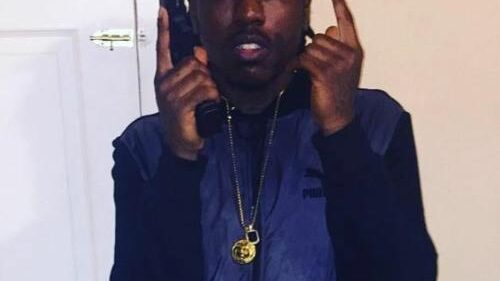
By midafternoon on July 17, 2017, two men lay dead on a residential block in Chicago’s Woodlawn neighborhood. One was Jermaine Robinson, the 26-year-old rapper known as FBG Brick and the older brother of FBG Duck. The other was Stanley Jacoby Mack, 31, known to friends as Coby. The shooting would become another chapter in the public history of Chicago drill, but the confirmed facts are more limited than the elaborate theories that followed.
This documentary reconstructs what contemporary reporting established, traces Brick’s place in the Fly Boy Gang music circle and examines how the deaths of two brothers three years apart shaped one family’s story. Where the public record ends, the account says so.
The Afternoon That Ended Two Lives
On July 17, 2017, police were called to the 6300 block of South St. Lawrence Avenue in Chicago’s Woodlawn neighborhood. The time was approximately 2:50 p.m. Two men had been shot. Officers found one victim in front of a home and another in a rear gangway. Both died at the scene. The Cook County medical examiner identified them as Jermaine Robinson, 26, and Stanley Jacoby Mack, 31. Robinson was known to Chicago drill listeners as FBG Brick. Mack was known to friends as Coby. The Chicago Sun-Times reported the locations of the victims and the injuries observed by police, but did not establish which man was found in which position. That is a meaningful limitation: online retellings sometimes assign specific last movements to each victim without showing where those details came from. The official account establishes a double homicide. It does not establish a complete minute-by-minute reconstruction of the men’s final hours. The neighborhood, however, was already familiar to fans who followed Chicago drill through its music videos, street interviews and online rivalries. The shooting became another moment in which the distance between the music and the city’s real losses collapsed.
Who Was FBG Brick?
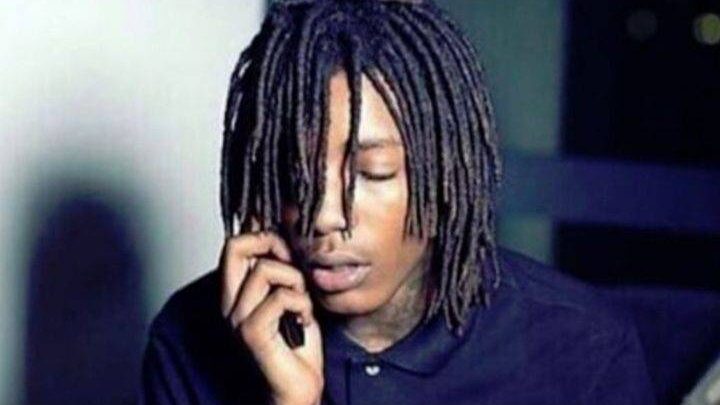
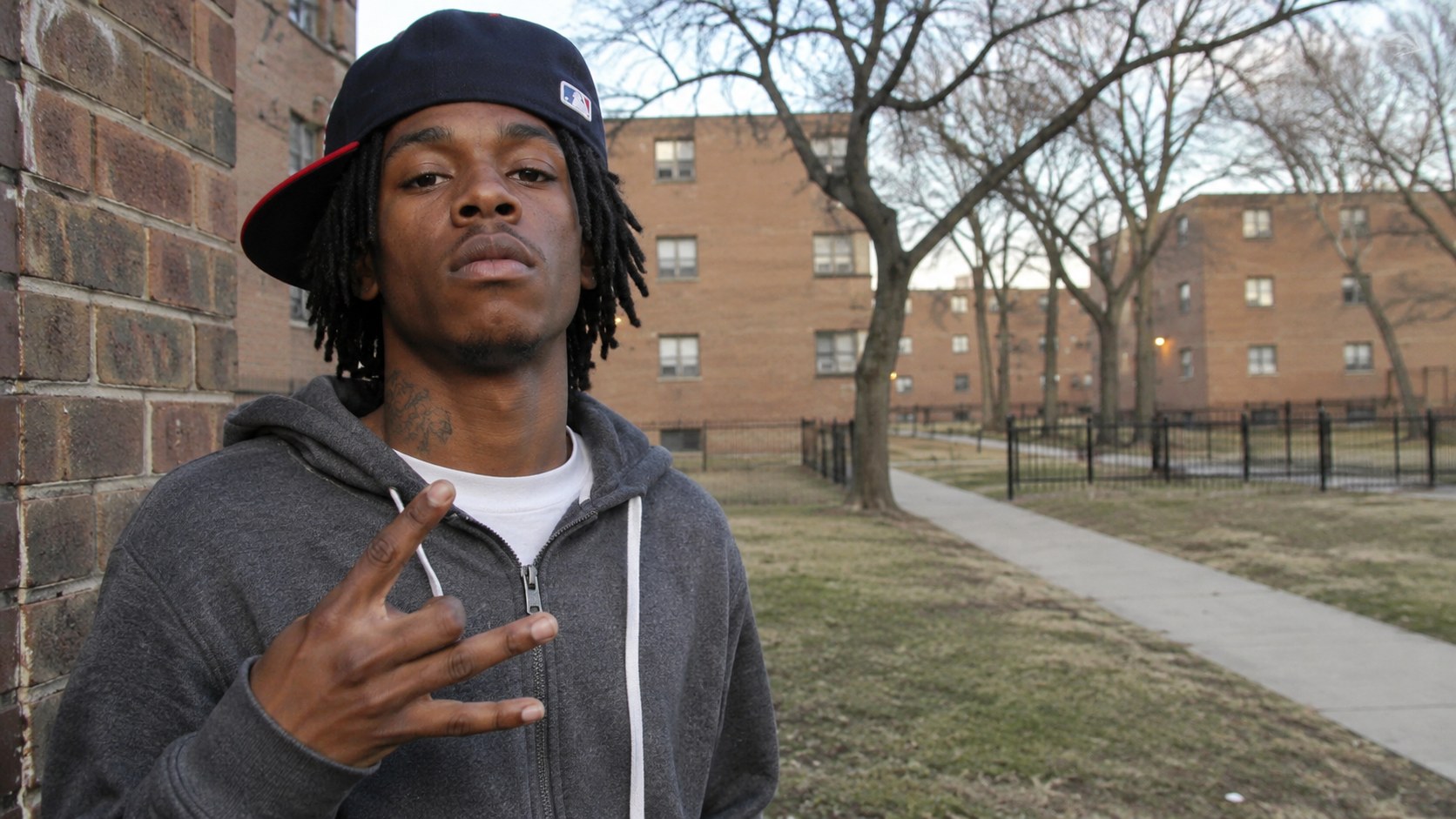
Jermaine Robinson was more than a name attached to a crime-scene report. He was an older brother, a son and an aspiring rapper who recorded under the FBG Brick name. His younger brother, Carlton Weekly, became known to the world as FBG Duck. Their family ties help explain why Brick’s death has remained part of Chicago drill history long after the first news reports disappeared from social feeds. FBG stood for Fly Boy Gang, the loose music collective associated with Duck and other artists in the South Side scene. Membership in a rap circle, however, is not proof of involvement in any particular crime. Contemporary reports described Brick as trying to establish his own place in music. The Sun-Times’ later reporting on FBG Duck identified Robinson as a rapper and confirmed that he and Mack had been killed together in 2017. That record offers a firmer foundation than the sprawling mythology that followed. Much of Brick’s personal biography is not documented in independently verified public reporting. A responsible account must resist filling those gaps with stories repeated in fan forums, reaction videos or anonymously edited timelines.
Chicago Drill Before the Streaming Era Fully Took Over
The Chicago drill movement emerged during the early 2010s as young artists used inexpensive recording equipment, local video crews and social platforms to make records that felt inseparable from the neighborhoods where they lived. The sound was stark and direct. Artists such as Chief Keef brought international attention to the city’s South Side, while different collectives developed audiences of their own. FBG was part of that landscape. Its members used YouTube, street interviews and independent releases to reach listeners who wanted music without a polished major-label filter. Those same channels could amplify personal disputes, transform neighborhood nicknames into search terms and encourage audiences far removed from Chicago to treat real tragedies like serialized entertainment. The wider story cannot be reduced to one rivalry or one record. The music was also about ambition, humor, loyalty, economic pressure and the desire to be heard. For artists who lacked conventional industry access, a video circulating online could mean a real chance at recognition. Brick was trying to participate in that world. His recorded material matters because it preserves a voice that might otherwise survive only through references in other people’s songs.
The Music He Left Behind
In the months surrounding his death, Brick’s music circulated through independent drill channels. Contemporary outlet RapCatchUp identified the video “Another One” as a notable release and described his efforts to pursue rap following a period of incarceration. An archival SoundCloud listing for “Throw It Back,” associated with the late Chicago interviewer ZackTV, also survives in Raptology’s existing media records. Those references show that Brick was not merely a background figure in his younger brother’s story. He had his own material and his own attempt at building an audience. At the same time, a limited surviving discography makes sweeping judgments about his career difficult. It would be inaccurate to describe him as a national breakout star or to invent streaming totals and chart placements. His importance is more specific: he belonged to a formative local scene whose participants documented their lives in real time, often with few resources and little institutional protection. The recordings allow listeners to hear the artist rather than only encounter the circumstances of his death.
Woodlawn and the Geography of a Movement
The block where Robinson and Mack died was not an abstract symbol. It was a residential street where people lived, worked and raised families. Yet online drill culture often reduced Chicago geography to a map of factions and rival territories. Woodlawn, Parkway Gardens and surrounding South Side areas became recognizable to audiences who had never visited the city. Journalists later documented longstanding conflicts involving factions associated with STL/EBT, Jaro City and O-Block. Those reports help establish the atmosphere surrounding the scene, but they do not automatically prove a motive in Brick’s killing. That distinction is especially important when writing about a homicide. A neighborhood’s history can provide context without identifying the perpetrators. The Sun-Times’ reporting on the later FBG Duck case described the broader conflict as police understood it. That later investigation is not a substitute for evidence about the separate 2017 double homicide. Readers should be able to understand the environment without being asked to accept unsupported claims about who fired the shots.
July 17, 2017: What the Record Shows
The strongest reconstruction begins with what was reported immediately after the shooting. At about 2:50 p.m., officers responded to the 6300 block of South St. Lawrence. One man was found outside a residence with a gunshot wound to the head. Another was found in a rear gangway with wounds to the back and arm. Both were pronounced dead on the scene. The medical examiner later identified the victims as Robinson and Mack and ruled their deaths homicides caused by multiple gunshot wounds. These are the essential facts documented by the Chicago Sun-Times. Contemporary social-media accounts circulated scanner traffic and speculation about possible retaliation. Scanner chatter can indicate what was being reported to dispatchers at a particular moment; it is not equivalent to a final investigative finding. Claims about the number of shooters, the route taken by a suspect, Brick’s exact last words or a named individual’s responsibility require evidence that the available reporting does not provide. The absence of a publicly verified account is not an invitation to invent one. For two families, the consequences were concrete regardless of what the internet believed.
Coby Mack Was Not a Footnote
Stanley Jacoby Mack was 31 years old when he died alongside Robinson. In coverage centered on a rapper, the second victim can easily disappear into a passing sentence. That would repeat one of the worst habits of celebrity-driven crime storytelling: treating everyone outside the headline as incidental. Mack’s name appeared in the medical examiner’s identification and contemporary news reports. The public memorial database Gun Memorial also records his death and preserves tributes from people who remembered him as Coby. These personal remembrances should be treated as expressions of grief rather than independently verified biographical evidence. What is firmly established is that two people were killed that afternoon, not one. Any honest telling of Brick’s final hours must make space for Mack’s life and the loss experienced by his family and friends. The story is a double homicide, and the record should reflect that at every stage.
The First Wave of Grief
News of the shooting spread rapidly through Chicago’s independent rap network. KollegeKidd’s contemporaneous coverage documented public tributes from artists and associates who knew the men. Their reactions capture how quickly a local loss became a shared event for listeners following the scene. A post can convey authentic shock without resolving what happened. The emotional response was also shaped by the way drill audiences consumed news: music pages, interview channels and personal accounts often reported developments before a full police narrative was available. That speed made mourning immediate, but it also gave rumors room to harden into accepted explanations. The grief deserves to be preserved without reproducing every accusation that accompanied it. Brick’s death was a major loss within a community already familiar with memorial songs, online tributes and the repeated interruption of young careers.
The Connection to FBG Duck
For many listeners, Brick’s name became inseparable from the subsequent rise and killing of his younger brother. Carlton Weekly, better known as FBG Duck, developed a wider audience through records including “Slide.” On August 4, 2020, Duck was shot and killed in Chicago’s Gold Coast shopping district. The Chicago Sun-Times reported that the brothers’ mother, LaSheena Weekly, publicly appealed against retaliatory violence after Duck’s death. She had already endured the loss of Robinson in 2017 and another child in a 2014 fire. Her statement is a crucial corrective to narratives that frame the family solely through street affiliations. These were children and siblings, and the violence reached far beyond the artists themselves. Duck’s death later became the subject of a major federal prosecution, but that case should not be conflated with the separate killings of Brick and Mack. The fact that both brothers were murdered does not, on its own, establish a shared perpetrator or a single proven conspiracy.
What the Federal FBG Duck Case Does and Does Not Explain
In 2024, a federal jury convicted six men in the 2020 murder of FBG Duck. The case involved racketeering allegations and evidence concerning the O-Block faction. The Associated Press reported the convictions and the government’s account of the attack. The federal case offers important context for the dangerous environment in which Chicago drill developed, and it explains why Duck’s death received national attention. But the indictment and verdict concerned the 2020 murder of Carlton Weekly. They were not a trial establishing responsibility for Robinson and Mack’s deaths in 2017. Some online timelines weave every violent event into one uninterrupted revenge plot. That can create a compelling narrative while erasing legal distinctions and evidentiary gaps. A documentary should do the opposite. It should show where one record ends and another begins. Until a reliable court record or official statement connects a specific person to Brick’s homicide, attributing the killing to that person would be speculation.
Why the Unanswered Questions Still Matter
Years after the Woodlawn shooting, much of the public discussion still revolves around competing theories. Some accounts use lyrics, old social posts or association with a particular block as if they were conclusive proof. None of those things, alone, identifies a murderer. Lyrics can be performative. Social posts can be ambiguous. An association with a neighborhood is not evidence of participation in a shooting. The documented record establishes the victims, date, location, medical findings and basic police response. It does not establish a publicly verified final-hours itinerary or a proven motive. That gap is worth stating plainly. It is possible to tell a powerful story without pretending to know more than the evidence permits. In fact, acknowledging uncertainty is one way to resist the exploitation of real deaths for clicks. The case remains important because it represents two lives lost, families left grieving and a music scene that has often been narrated through violence at the expense of its creativity.
The Legacy of a Short Recording Career
FBG Brick never had the chance to develop the kind of extensive catalog that allows critics to trace a long artistic evolution. His surviving recordings and the accounts of people who knew him suggest an artist trying to find his footing within a scene that was gaining visibility well beyond Chicago. That is a more grounded description than calling him a forgotten superstar or assigning him an influence that cannot be documented. The larger legacy lies in the network of relationships and recordings he left behind. Chicago drill did not emerge fully formed through a handful of famous names. It was shaped by dozens of local voices, camera operators, producers, friends and families who helped circulate the music. Some gained international careers; others died before their work could reach a larger audience. Brick’s story belongs to that wider history. His name remains familiar to followers of FBG Duck, but the person behind it deserves an account not limited to the feud narratives that dominate search results.
Remembering Jermaine Robinson and Stanley Mack
The final image of July 17, 2017, should not be a scoreboard of rival neighborhoods or a speculation-filled map of Chicago. It should be the recognition that Jermaine Robinson, 26, and Stanley Jacoby Mack, 31, were killed in a residential neighborhood on an ordinary Monday afternoon. Robinson was an emerging rapper with family ties to one of drill’s most recognizable artists. Mack was a person with his own relationships and history. Both deaths were ruled homicides. The available public record does not justify identifying a particular killer. Nearly a decade later, that is the boundary between reporting and mythology. FBG Brick’s surviving music offers a way to hear his ambitions, while the reporting preserves what is actually known about his death. The most responsible legacy documentary does both. It remembers the artist without making unsupported accusations, and it remembers the second victim without reducing him to a footnote.
Sources and Related Reading
Read the Raptology documentary archive, latest rap news, and Featured Stories. Related coverage includes FBG Cash’s final hours, Chicago drill history and ZackTV’s contribution to the scene.
Reporting is based on contemporary Chicago Sun-Times coverage, medical examiner findings as reported at the time, contemporary local rap reporting and Associated Press coverage of the separate FBG Duck case. Neither a suspected motive nor a named perpetrator is presented as an established fact.
Raptology Editorial is the official newsroom voice of Raptology, covering breaking hip-hop news, artist developments, industry trends, and in-depth editorial reports from across the global rap landscape.






Leave a Reply