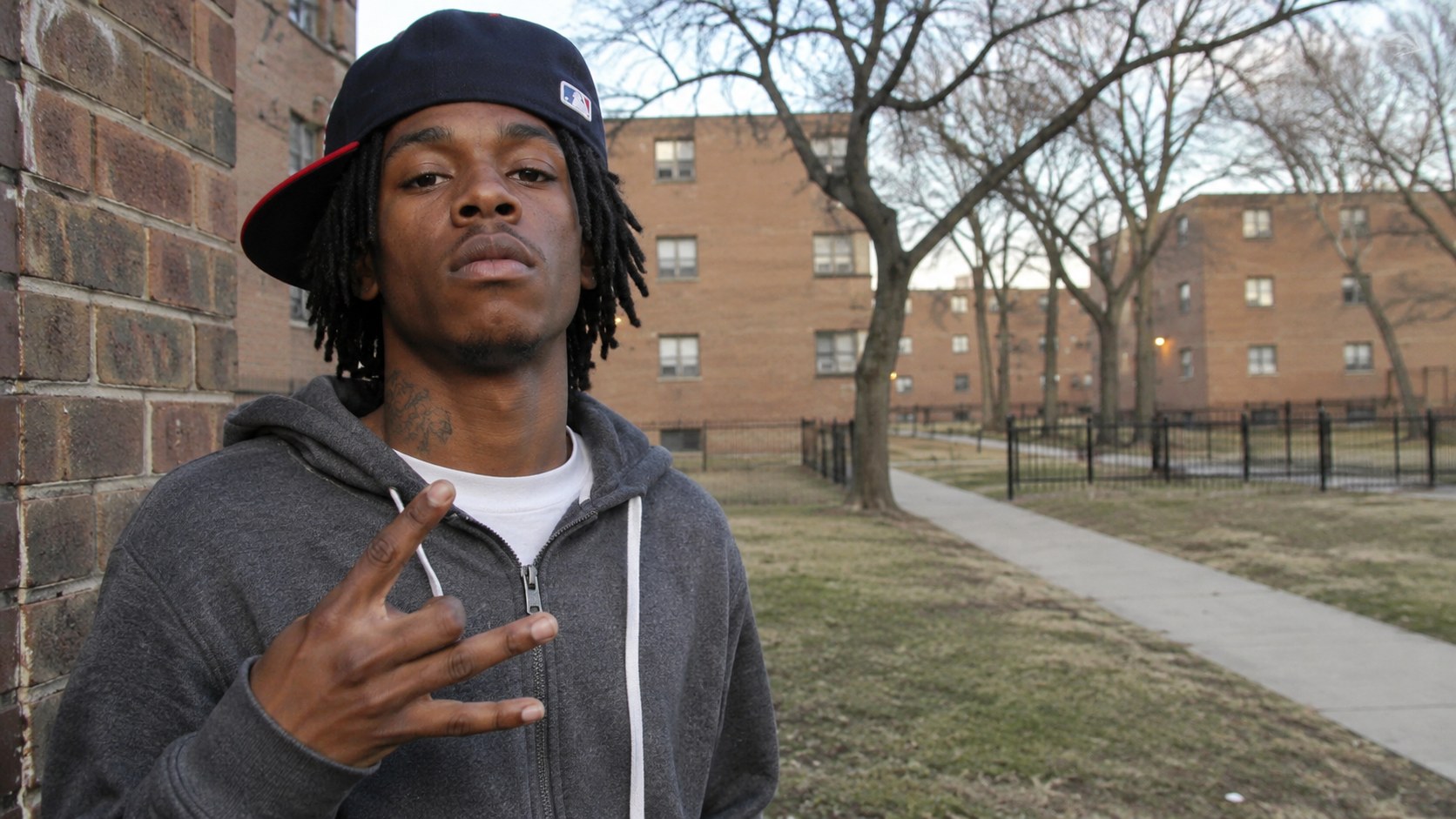
Before O’Block became one of the most recognizable place names in modern rap, it was simply a stretch of Parkway Gardens on Chicago’s South Side. Then Odee Perry was killed in August 2011. In the years that followed, his name became attached to the block, then to a street faction, then to a global drill mythology carried by Chief Keef, King Von and a generation of Chicago rappers.
That transformation makes Perry’s story unusually important to hip-hop history. He was not a famous rapper. He did not leave behind a major discography. Most listeners who know his name learned it backward, through lyrics, documentaries, social media arguments and the title of King Von’s Welcome to O’Block. Yet the name “O’Block” traces back to a real 20-year-old man who was shot to death near Parkway Gardens in the summer of 2011.
The problem is that internet retellings have filled the gaps in Perry’s story with rumor. Claims about who he killed, who killed him, why the shooting happened and what retaliation followed have circulated for years, often without any distinction between documented fact and street lore. This Raptology documentary focuses on what can actually be established, then explains how Perry’s death became part of a much larger Chicago drill story.
Who Was Odee Perry?
Odee Perry was 20 years old when he was killed. Contemporary reporting from CBS Chicago identified him as a resident of the 10900 block of South Racine Avenue. Later Chicago reporting described him as a member of the Black Disciples faction associated with Parkway Gardens, the sprawling apartment complex along South Dr. Martin Luther King Jr. Drive.
Parkway Gardens already had a complicated history long before drill rap made it internationally famous. The complex sits between 63rd and 66th streets and had once been home to Michelle Obama. By the early 2010s, however, the area was increasingly identified in Chicago reporting with shootings, gang conflict and the young artists who would soon push drill music into the mainstream.
Perry belonged to the neighborhood before the mythology hardened around it. Later reporting would describe the Parkway Gardens faction as taking the name O’Block in his memory. That point is not merely internet folklore. The Chicago Sun-Times reported in 2014 that gang members named the block after Perry, with the “O” referring to Odee.
The Final Night: What the Public Record Actually Shows
The confirmed timeline is shorter than many online documentaries suggest.
According to CBS Chicago’s contemporary report, the shooting happened shortly after 11:30 p.m. on Wednesday, Aug. 10, 2011, near 64th Street and King Drive, close to Parkway Gardens. Police said Perry was shot once in the neck. He was taken to Stroger Hospital of Cook County, where he was pronounced dead. His death is recorded as Aug. 11, 2011.
Publicly available mainstream reporting does not provide a reliable hour-by-hour account of what Perry did earlier that day. There is no credible basis to invent where he ate, who he called, what he said, or whether he believed he was being followed. Those details are common ingredients in online street documentaries, but they are not established by the sources Raptology reviewed.
What can be said is more stark. A 20-year-old man was shot near the housing complex that would soon carry his name, and the killing became a reference point in a conflict that would outlive him by years.
How Parkway Gardens Became O’Block
Three years after Perry’s death, the Sun-Times examined violence around the 6400 block of South King Drive and reported that the area had become known as O’Block in his honor. Its analysis found 19 people were shot there between June 2011 and June 2014, more than on any other Chicago block during that period. Two of those victims died.
The name eventually escaped the geography. It became a cultural marker in drill music, a shorthand understood by listeners far outside Chicago. Chief Keef’s rise helped make Parkway Gardens globally recognizable, while King Von later turned O’Block into a central part of his artistic identity.

That process is part of what makes Perry’s story different from the biography of a rapper. His name became bigger after his death, but not because he released music. It became a place name, then a crew name, then a symbol embedded in records that reached hundreds of millions of listeners.
Get Featured on Raptology
Independent artist, label or manager? Raptology publishes professionally edited artist features, interviews and long-form stories. Submit your music or contact Raptology for editorial consideration.
King Von Turned the Name Into Rap History
No artist did more to carry the O’Block name into mainstream rap than King Von. His 2020 album Welcome to O’Block arrived at the height of his rise and tied his personal story directly to the Parkway Gardens environment where he grew up.

Pitchfork noted in its review of the album that O’Block was named after murder victim Odee Perry and connected the neighborhood to both Von and Chief Keef. The album title meant that millions of listeners who had never been to Chicago were repeating the name of a place whose identity had been reshaped by Perry’s death.
Von’s success also created a strange historical loop. Perry was killed before Chicago drill became a global commercial force. By the end of the decade, the neighborhood named after him had become one of the best-known locations in the genre.
Raptology readers already know part of that story through The Legacy of T.Roy: The Chiraq Rambo, Gakirah Barnes: The Deadliest Member Out of STL/EBT and King Von: From O’Block to Crazy Story and a Rise Cut Short. Perry’s death sits near the beginning of the timeline connecting those stories.
Was Gakirah Barnes Responsible?
This is where careful wording matters.

Chicago police sources have identified Gakirah Barnes as the suspected shooter in Perry’s killing. The Sun-Times reported that claim in its 2014 investigation of O’Block. Years later, federal prosecutors went further in a 2023 filing connected to the FBG Duck murder case, saying Barnes’ brother had “firsthand knowledge” that she shot Perry.
That does not mean Barnes was convicted of Perry’s murder. She was not. She was never tried for the killing. Therefore, the responsible way to state the record is that police sources and later federal prosecutors identified Barnes as the suspected shooter, not that her guilt was established in court.
Barnes herself was killed in 2014 at age 17. Federal prosecutors later alleged that her death was connected to the same wider rivalry. Her killing became another chapter in a cycle of violence that was increasingly intertwined with Chicago’s drill scene and the online culture documenting it.
Support Raptology’s Independent Hip-Hop Journalism
Stories like this require research, archive work and careful fact-checking. If you value long-form reporting that separates documented history from internet rumor, help keep Raptology independent.
Support RaptologyThe Tooka Story and the Problem With Internet Certainty
One of the most repeated claims about Perry is that he was responsible for the January 2011 killing of Shondale “Tooka” Gregory, a 15-year-old whose name later became infamous through Chicago drill lyrics. Online accounts often present Perry’s alleged involvement as settled fact.
Raptology is not doing that here.
The credible sources reviewed for this documentary establish Perry’s own killing and the later police suspicion surrounding Barnes. They do not provide a criminal conviction or comparable official finding establishing that Perry murdered Gregory. The two deaths are frequently linked in street lore and online discussions of the rivalry, but rumor should not be upgraded into fact simply because it has been repeated for years.
That distinction is especially important in Chicago drill coverage. YouTube channels, message boards and social-media pages have built enormous audiences by reconstructing alleged gang histories from songs, posts, deleted accounts and neighborhood claims. Some of those reconstructions contain useful clues. Others collapse accusation, gossip and fact into one narrative.
The documentary standard should be different. When the record supports a claim, say it. When police or prosecutors allege something, attribute it. When the evidence is only internet lore, label it that way.
From a Neighborhood Conflict to a Federal RICO Case
Perry’s name resurfaced prominently a decade after his death when federal authorities prosecuted members and associates of O’Block for the 2020 murder of rapper FBG Duck, born Carlton Weekly.
The U.S. Attorney’s Office for the Northern District of Illinois said the O’Block organization used violence to protect its perceived territory and used social media and music to increase the criminal enterprise. In January 2024, a federal jury convicted six members or associates on racketeering offenses that included Duck’s murder.
Reporting on the case repeatedly traced the O’Block name back to Perry. A Sun-Times account of the trial described Perry’s 2011 murder as an event that accelerated a yearslong gang war. Another report cited an FBI affidavit noting that Duck had publicly insulted multiple deceased rivals, including Perry.
That does not mean Perry caused everything that happened afterward. Street conflicts rarely have a single beginning, and reducing years of violence to one death can create a false sense of simplicity. But his killing clearly became a major symbol inside the conflict, and the name given to the Parkway Gardens faction ensured that he remained part of the story.
The Name Outlived the Man
There is an uncomfortable contradiction at the center of Odee Perry’s legacy. The world knows his name, but it knows relatively little about him.
That is partly because his death came before Chicago drill had fully become an international media economy. By the time Chief Keef, Lil Durk and later King Von turned South Side locations and affiliations into globally recognized rap references, Perry was already gone.
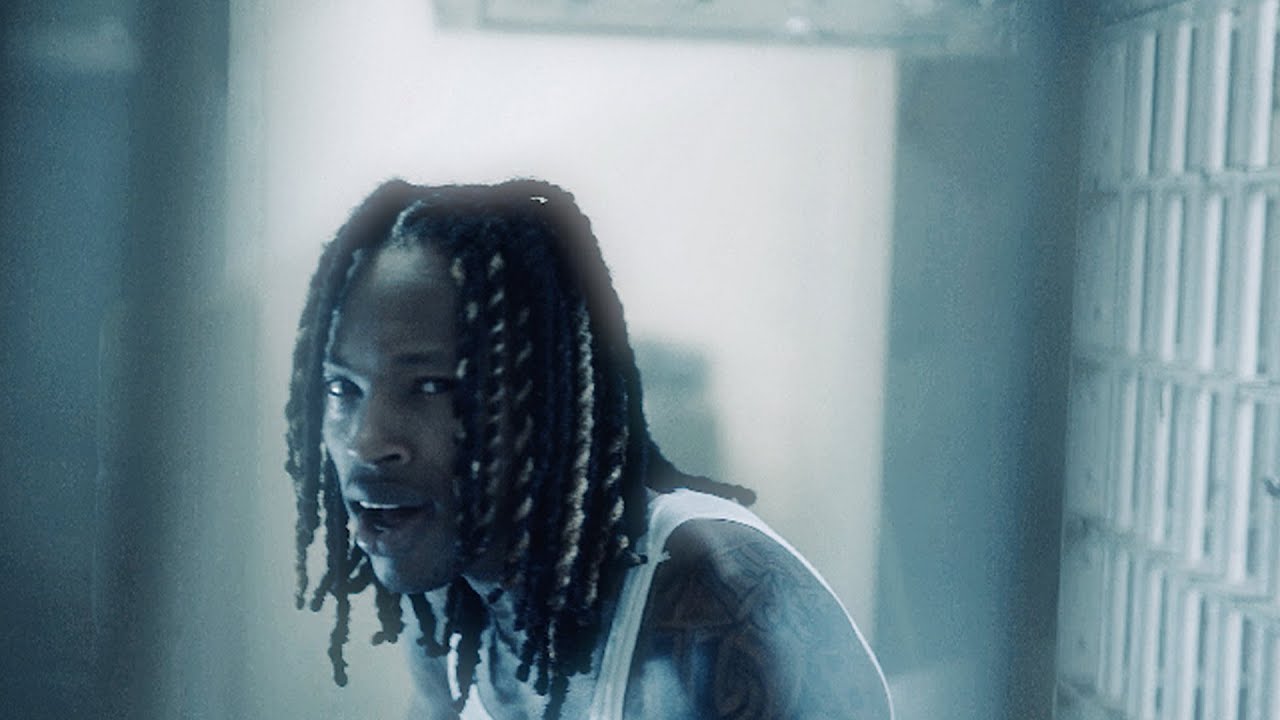
The internet filled in the missing biography with mythology. His name appeared in songs and disses. It became part of gang histories assembled by fans thousands of miles from Chicago. Eventually, O’Block became so culturally recognizable that the name could function independently of the person it honored.
That is why the strongest version of Perry’s story is not the one with the most dramatic rumors. It is the one that understands what happened to his name after his death.
O’Block Became Bigger Than Chicago
By 2020, King Von could release an album called Welcome to O’Block and expect listeners around the world to understand the reference. The record arrived on Oct. 30, 2020, one week before Von himself was killed in Atlanta.
The album transformed a local nickname into a permanent piece of rap history. Songs such as “Armed & Dangerous,” “Demon,” “Gleesh Place” and “How It Go” tied Von’s storytelling to the neighborhood environment that shaped him. The project has since accumulated massive streaming numbers, giving the O’Block name a reach that would have been almost unimaginable when Perry was alive.
Meanwhile, Parkway Gardens continued to appear in documentaries, news investigations and online street-rap coverage. In 2025, the Sun-Times reported that residents said shootings had decreased from the block’s worst years, even as O’Block’s reputation remained internationally recognizable.
The Final Hours of Odee Perry Were the Beginning of Something Larger
There is no responsible way to turn Odee Perry’s last day into a detailed cinematic script. The public record does not support it. What the record does support is powerful enough.
Near midnight in August 2011, Perry was shot near Parkway Gardens. He was 20 years old. By the next morning, he was dead and no suspect was in custody.
Afterward, his friends and neighborhood associates attached his name to the block. Then Chicago drill exploded. Chief Keef helped turn the area into a rap landmark. King Von transformed the name into an album title and a core piece of his identity. Federal prosecutors later used “O’Block” as the name of the organization at the center of the FBG Duck racketeering case.
The result is one of hip-hop’s strangest forms of immortality. Odee Perry never became a rap star, yet his name became embedded in the vocabulary of a genre.
For listeners, O’Block can sound like a brand, a crew, a neighborhood, an album title or an internet mythology. Before all of that, it was a memorial.
Continue Reading Raptology
Explore more long-form reporting in the Raptology Documentary archive, follow Latest Rap News, and browse more Featured Stories.
Reader Poll
What is the most important part of Odee Perry’s legacy in Chicago drill history?
Sources and reporting notes
Primary reporting for this documentary includes CBS Chicago’s Aug. 11, 2011 report on Perry’s killing, multiple Chicago Sun-Times investigations into O’Block and the FBG Duck case, federal reporting from the U.S. Attorney’s Office for the Northern District of Illinois, and music-context sources including Pitchfork. Claims about alleged shooters are attributed to police sources or federal prosecutors where appropriate. Unverified internet claims are not presented as established fact.
Raptology Editorial is the official newsroom voice of Raptology, covering breaking hip-hop news, artist developments, industry trends, and in-depth editorial reports from across the global rap landscape.




Leave a Reply