

Gakirah Barnes was only 17 when she was fatally shot in Chicago’s Woodlawn neighborhood on April 11, 2014. Years later, her name remains embedded in the lore surrounding South Side street violence and the emergence of Chicago drill. Much of that reputation rests on allegations, social-media posts and stories that were never proven in court. This updated retrospective examines the documented events of her life, the losses around her, and the distance between a teenager’s real story and the legend that spread after her death.
Beyond the street legend
Barnes, also known as K.I., was described in sharply different ways by people who knew her and authorities who investigated neighborhood shootings. A 2015 Chicago Sun-Times investigation described police suspicions about her involvement in violence, but also reported that investigators lacked physical evidence and witness identifications tying her to several shootings. Her mother, Shontell Brown, said she could not confirm the rumors about her daughter. Those distinctions are fundamental: suspicion and online reputation do not establish guilt.

A student remembered differently
The same Sun-Times investigation interviewed people at a South Side charter school who remembered a different Gakirah Barnes. An assistant principal recalled a shy student who did not regularly fight and sometimes sought extra help with math. The school hoped she would continue her education. Her later troubles and growing association with street life were real concerns for people around her, but the accounts of her teachers and mother complicate a story too often told through one-dimensional labels. Before the internet made Barnes a figure in drill mythology, she was a teenager whose life had multiple possible directions.

Tooka, Odee Perry and disputed accounts
The deaths of young people in Chicago’s South Side communities became part of the vocabulary of drill music. Shondale “Tooka” Gregory was killed in January 2011. Odee Perry was killed later that year, and Parkway Gardens became widely associated with the name O’Block. Police and online commentators proposed theories linking these deaths and particular individuals, including Barnes, but the Sun-Times emphasized that Barnes was not charged in the shootings it discussed. For the documented history of Perry’s death, see Raptology’s Odee Perry documentary. A rumor about a possible motive is not proof that any named person committed murder.


A number of screenshots and online posts have been circulated as evidence of rivalries in the years before Barnes died. Such material helps illustrate the rhetoric surrounding Chicago drill, but images of a social-media post cannot establish who carried out a shooting. The distinction is particularly important where people discussing the events were minors and where firsthand accounts were later mixed with speculation. These archived images are retained for historical context, not as independently authenticated evidence of criminal conduct.


Losses that shaped a young life
Among the deaths discussed in reporting about Barnes was that of Tyquan Tyler, a 13-year-old boy killed in 2012. His name later appeared in her online identity and in the neighborhood stories that followed her. The Sun-Times reported that Barnes used the name “Tyquanassassin” on Twitter after his death. The account provides evidence of her public response to a personal loss, not a reliable inventory of crimes. Behind the names passed around in drill commentary were children and families living with repeated bereavement.


Tyquan’s death became one of the events repeatedly cited in retellings of Barnes’s life. It is tempting to turn tragedies into a simple chain of vengeance, but an individual’s thoughts, motives and actions cannot be reconstructed from later internet commentary alone. The documented facts are that a boy was killed and a young friend grieved him. Anything beyond that requires attribution to reliable reporting or a specific named source.


The story police told, and what police could prove
As Barnes grew older, authorities and residents became concerned about threats and gun violence near her neighborhood. She was reportedly suspected in multiple shootings. But a police suspicion is not a criminal conviction. The 2015 Sun-Times investigation reported that officers had no physical evidence connecting her to the particular crimes discussed and that witnesses did not identify her as the gunman. The difference between the public reputation and the actual investigative record should remain visible throughout any account of her life.


Some online biographies attribute an extraordinary number of killings to Barnes. Those numerical claims are not supported by a verified record of convictions. In its investigation, the Sun-Times described a police official’s suspicion that Barnes may have been involved in three to five shootings, while making clear that no charges were brought in those incidents because evidence was lacking. Such allegations should be reported as allegations, not transformed into a body count or a statement of guilt. Claims repeated by anonymous accounts do not become facts through repetition.


Public threats and social media
The Sun-Times documented threatening messages from Barnes’s account after a Chicago police officer shot a friend in March 2014. The posts were alarming and part of the public record reported at the time. They still cannot be used to infer responsibility for a separate violent crime. Researchers have also examined how youth in neighborhoods facing gun violence used social media to express grief, anger, loyalty and fear. A threat is serious, but it is not automatically evidence that the person later committed the act being discussed.


The enduring interest in Barnes reflects a broader problem with the online retelling of Chicago drill history. Dramatic nicknames and isolated posts often overshadow the complexity of an actual person’s life. Her mother described a teenager trying to project toughness in her environment, while educators recalled a much quieter student. Neither image is the whole story. A responsible documentary should account for the contradictions rather than choosing the most sensational version.

Gender, notoriety and the construction of a myth
One reason Barnes drew exceptional attention was that reports portrayed her as a teenage girl participating in violence more commonly associated with young men. That made her a subject of intense media interest and online mythmaking. The reports are worth examining critically, including which details came from named witnesses, which came from anonymous law-enforcement sources and which were no more than rumor. Barnes’s gender should not make unsupported allegations more believable or turn a tragic death into an entertaining spectacle.


Rumors about Barnes’s relationships with rival groups and specific individuals expanded after her death. The available reporting does not justify presenting those accounts as a definitive record of what she did or why others might have targeted her. Where a claim has no verifiable source, it is safer and more accurate to say that it remains unconfirmed. The same standard should apply to every person named in the story.


Online accounts often arrange Chicago shootings into a continuous feud narrative, linking events by neighborhood, social-media interactions or rap lyrics. That format can make an uncertain theory look like a completed investigation. It is important to distinguish chronology from causation. That several deaths occurred during a period of neighborhood tension does not prove that Barnes or anyone else committed them. The factual record supports discussion of the atmosphere surrounding her life, not a sensational reconstruction of crimes without corroboration.

Screenshots of posts circulated under Barnes’s name can be useful artifacts of the online culture surrounding Chicago drill. However, the authenticity and full context of each image need to be verified before it is used to support a serious accusation. This article retains selected historic images but does not treat them as independent proof of responsibility for a particular killing. The difference between what someone wrote and what they actually did matters.


By the spring of 2014, Barnes had witnessed repeated losses around her. Contemporary reporting described a police shooting involving someone close to her and messages she posted afterward. The sequence helps explain why grief and fear appear in accounts of her final weeks. It does not establish that she committed an act of retaliation or reveal the motives of everyone involved.

A teenager amid repeated deaths
Reducing Barnes to a nickname overlooks her age and the community around her. Her mother and former school staff described aspects of her childhood that were missing from the most widely shared street stories. Those recollections do not erase the concerns expressed by investigators; they show why a fuller account must include the person as well as the allegations. She was still a teenager when she died, and her life cannot responsibly be summarized by an unverified tally of violence.

It is difficult to know how Barnes privately processed the deaths of people she knew. Reports and social-media posts may provide glimpses of anger or sadness, but they do not allow outsiders to state her inner thoughts with certainty. That uncertainty should be acknowledged rather than filled with dramatic assumptions about revenge or destiny.

Accounts of other killings in Chicago’s drill era, including the death of rapper Blood Money, have sometimes been folded into the story of Barnes’s final days. Chronological proximity, however, is not proof that one incident caused another. Unless a police investigation or court record establishes a connection, theories about direct retaliation must be attributed and treated as unresolved. This is especially important when the theories implicate people in homicide.


Screenshots and archival material associated with these events have circulated for years. They capture aspects of how the stories were discussed online, but their presence in an article should not be mistaken for independent confirmation of the claims made in them.

April 11, 2014: The Woodlawn shooting
What happened to Barnes on April 11, 2014, is a matter of contemporary news reporting. She was shot in the 6400 block of South Eberhart Avenue in Chicago’s Woodlawn neighborhood during the afternoon. The shooting wounded others as well. DNAinfo reported that Barnes was taken to Northwestern Memorial Hospital and pronounced dead later that day. That account establishes the place and circumstances reported by officials without speculating about an unproven motive.


According to contemporaneous DNAinfo coverage, the shooting occurred around 3:30 p.m. near South Eberhart Avenue, and Barnes died at Northwestern Memorial Hospital. Two men were reported wounded in the same incident. In a later investigation, the Chicago Sun-Times described police suspicions about her possible role in prior shootings and the unresolved questions surrounding her death. Those reports should be read on their own terms. They do not support a confident reconstruction of the gunman’s identity or an automatic conclusion that her killing was retaliation for a crime she had committed.

Stories naming a particular suspect in Barnes’s death have circulated online and in later accounts. A named suspect, theory or allegation must be distinguished from a conviction, especially when the original reporting did not conclusively establish who fired the shots. This documentary does not present those claims as judicially proven facts.


What remains of Gakirah Barnes’s story
Barnes’s death at 17 left behind a grieving family, memories from school, a complicated online record and a reputation that has been repeatedly enlarged through speculation. Reporting from people who knew her provides a more human account than the labels applied to her afterward. Understanding that distinction is essential to telling Chicago drill history with accuracy and care.
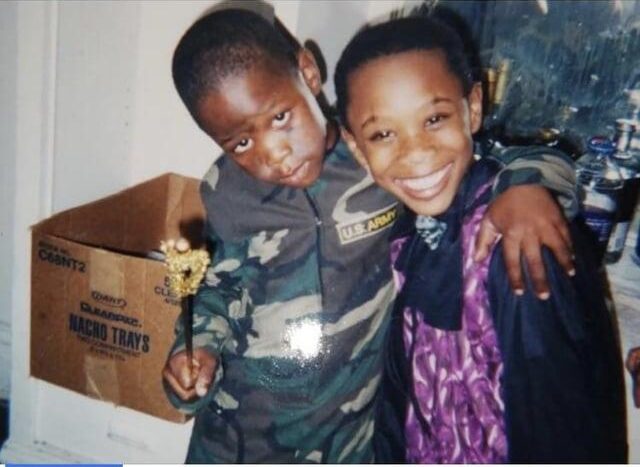
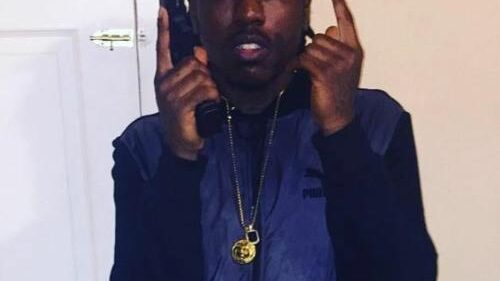
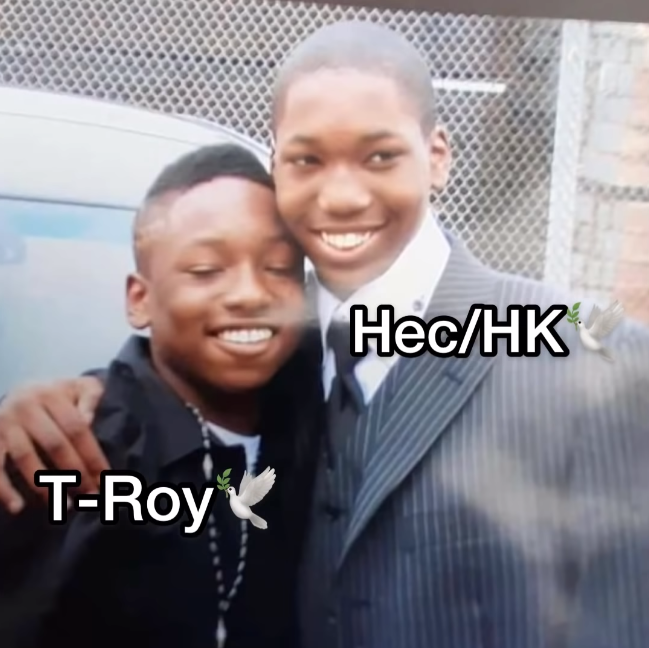
The early photographs in this archive belong to the story of a young person before the mythology took over. They should be viewed in that context rather than as illustrations of unproven crimes.


The language of “assassin” and “hitman” that appears in some older retellings reflects an online reputation, not a set of established convictions. Readers should not treat such labels as factual findings about Barnes.

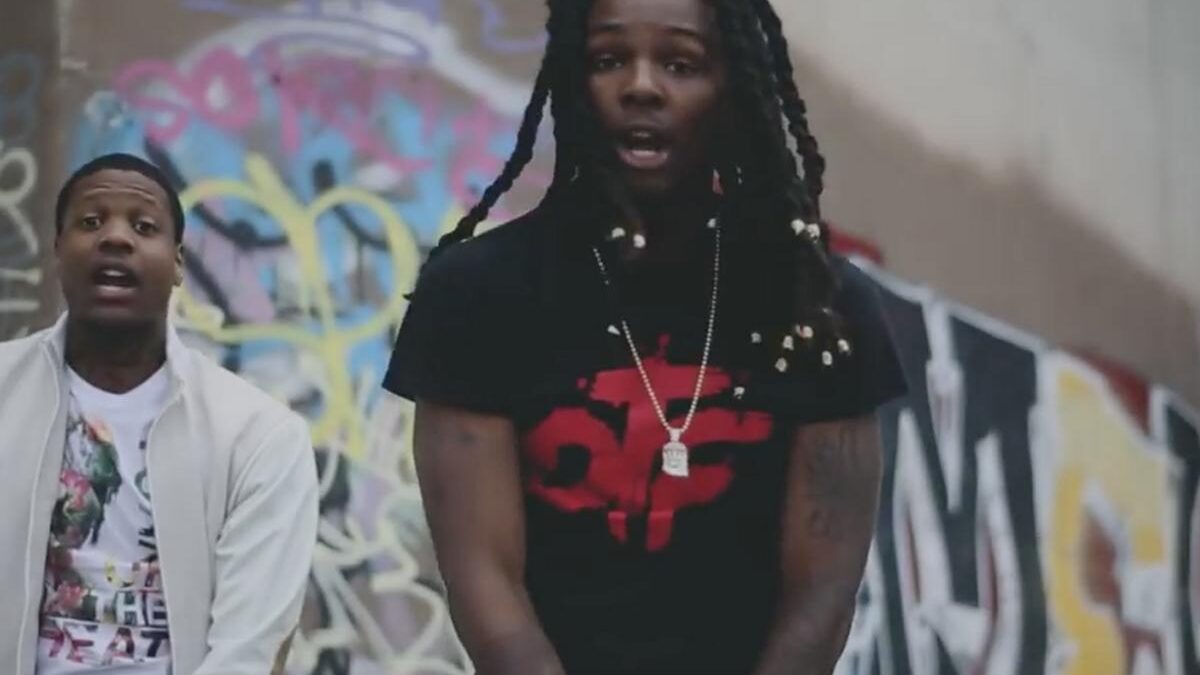
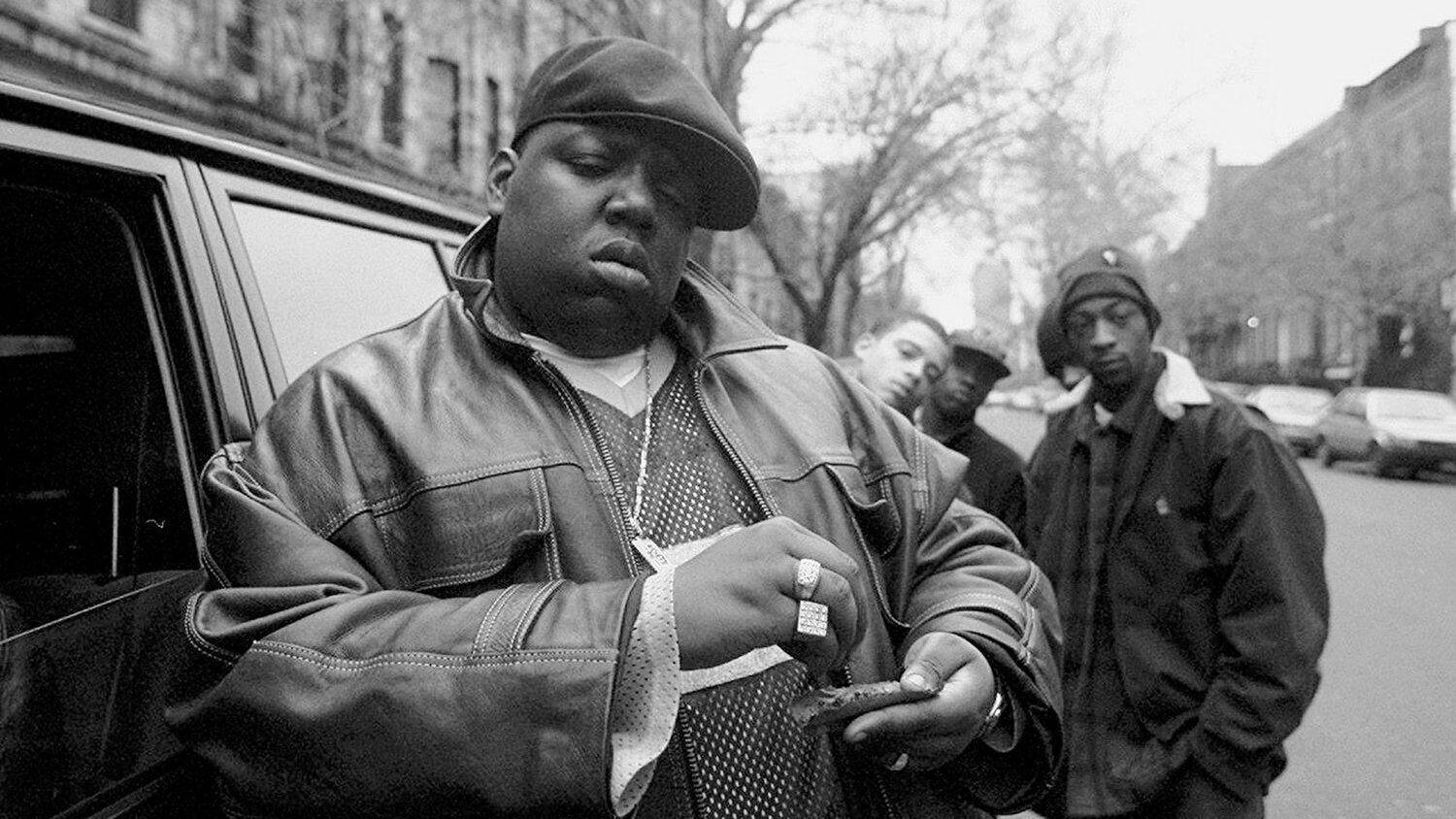
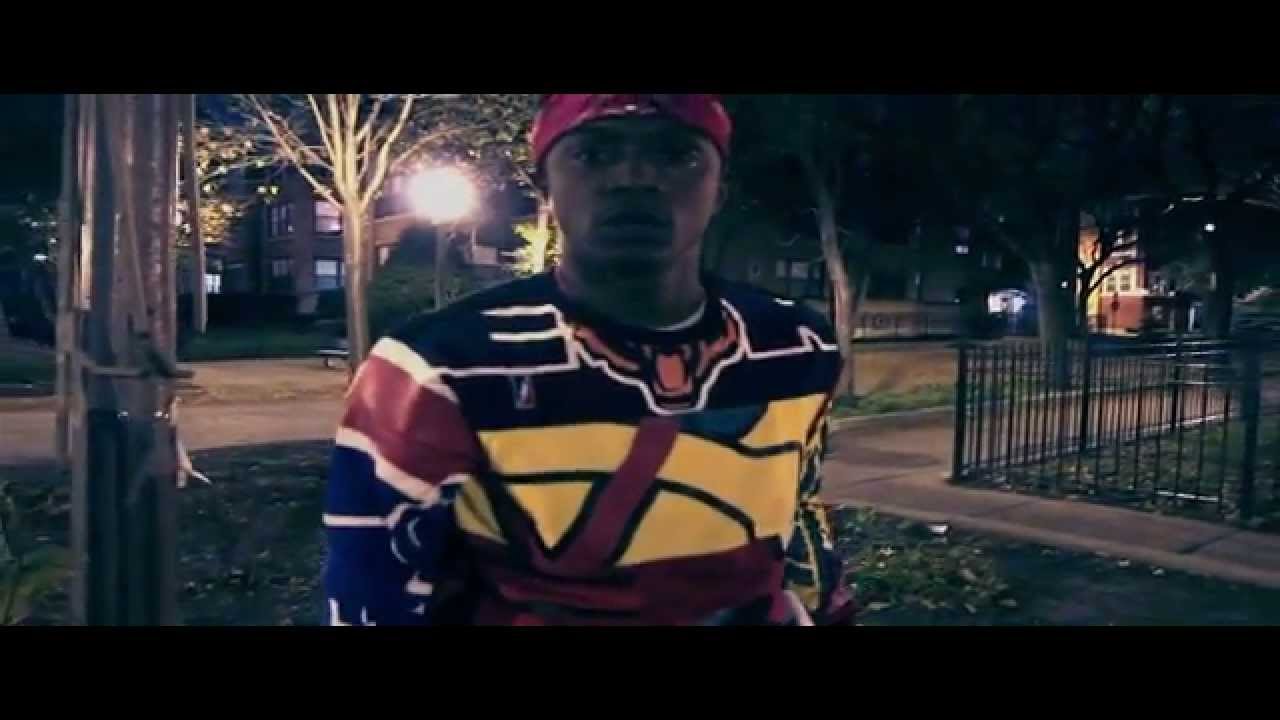
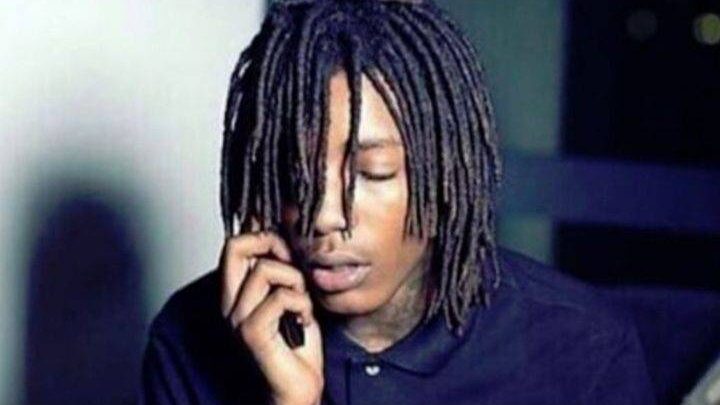
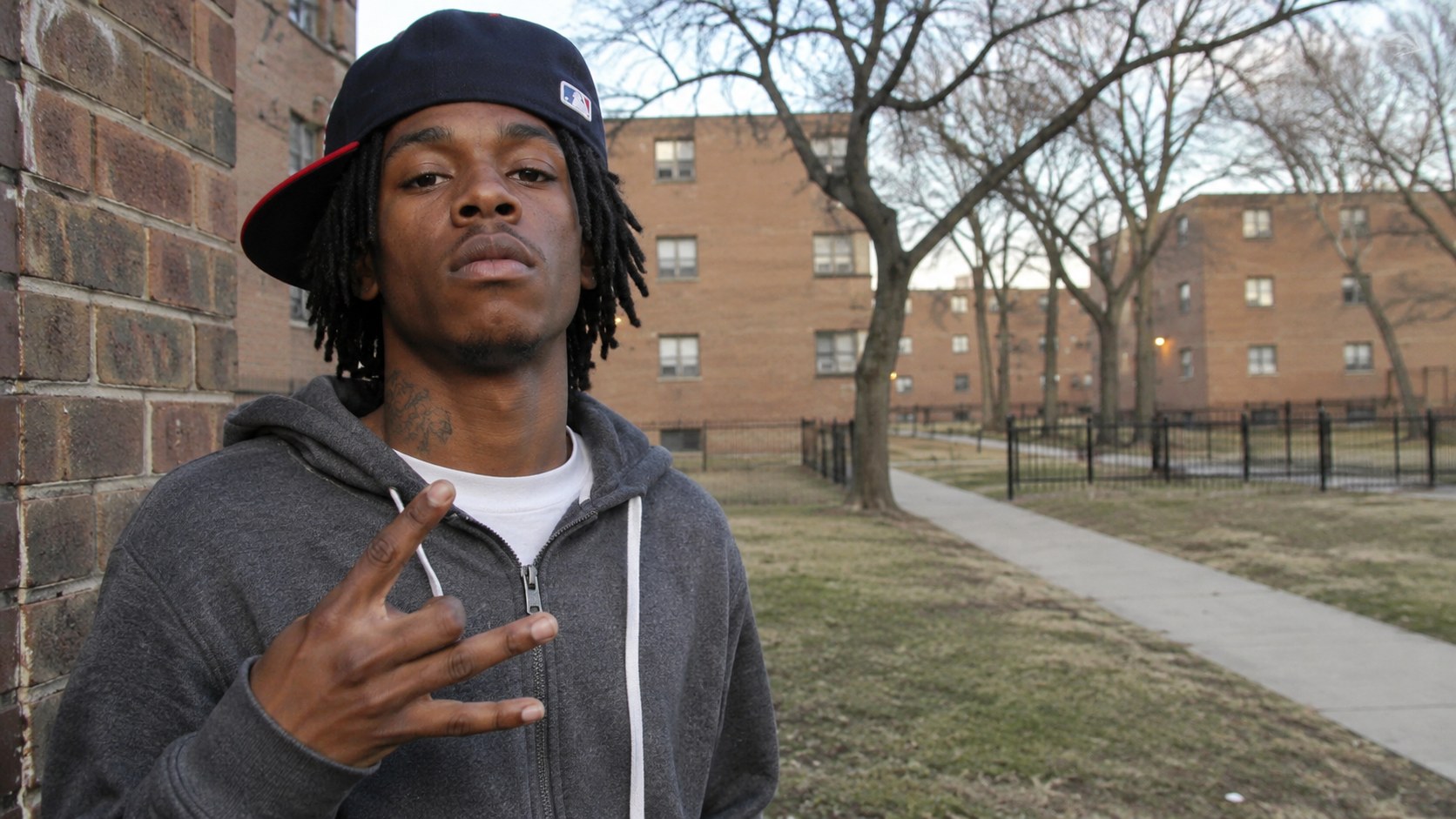
Photographs and screenshots from this period show some of the relationships and narratives surrounding Chicago’s South Side scene. They do not, on their own, establish what particular individuals did during criminal incidents.

This retrospective is part of Raptology’s wider examination of Chicago drill and its human consequences. For related context, read The Final Hours of Odee Perry and the profile of 051 Melly. The contemporaneous DNAinfo report and Chicago Sun-Times investigation linked above provide essential source material. They document a young woman’s death and the unresolved allegations around her without treating internet stories as proof.

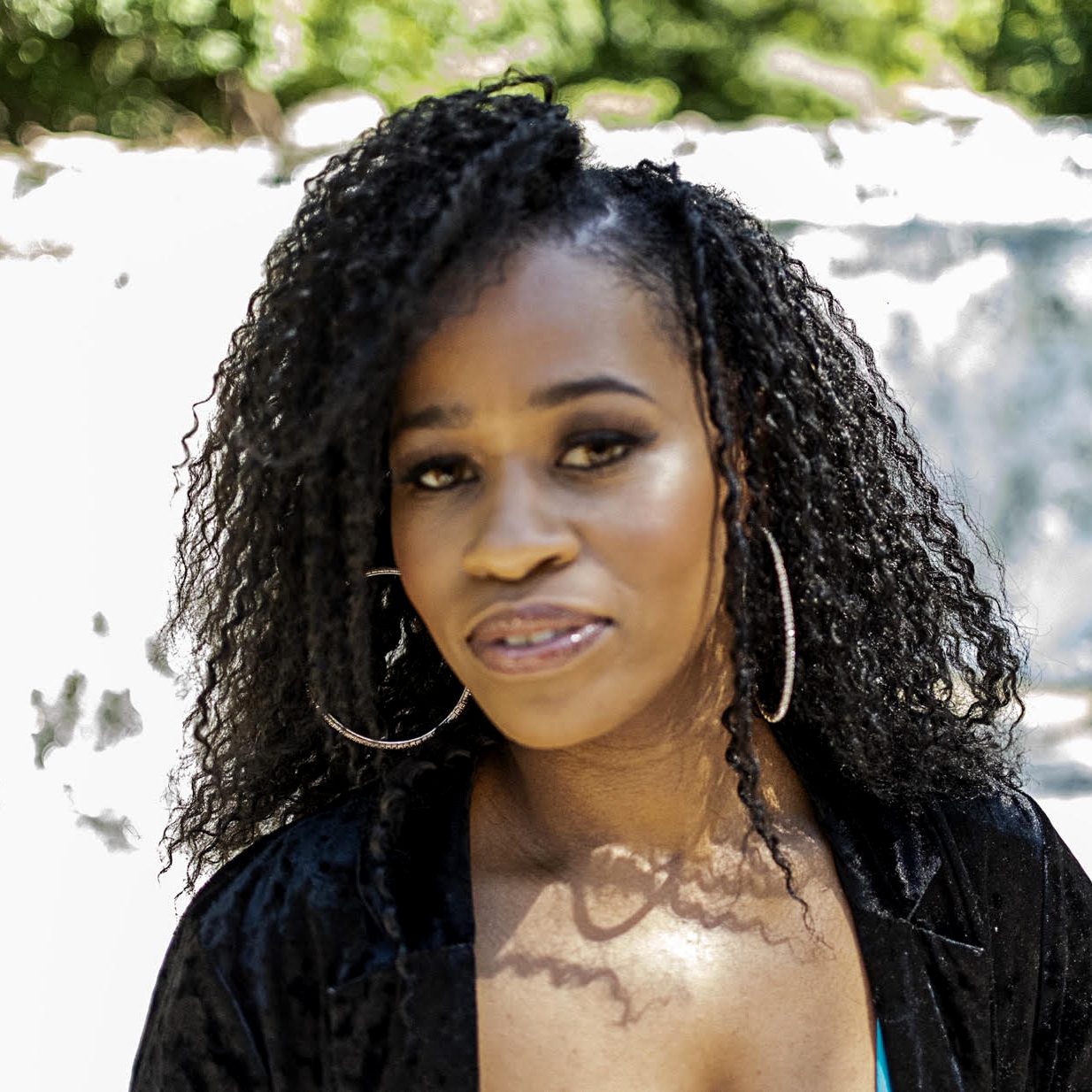
Hulda Hicks was born in Brooklyn, NY in the late ’70s, at the time when Hip-Hop music was just emerging as an art form. Her entire life was influenced by the culture, having grown up in the epicenter of the creative movement.
As a trained musician and vocalist, Hulda got exposed to the industry in her twenties and has worked on projects with iconic figures such as the Chiffons, the Last Poets, and Montell Jordan, to name a few. Her passion for music extended past the stage on to the page when she began to write ad copy and articles as a freelancer for several underground publications.
A written review from “Jubilee Huldafire” is as authentic as it gets, hailing from one creative mind that has a unique voice, on paper and in person.




Leave a Reply