
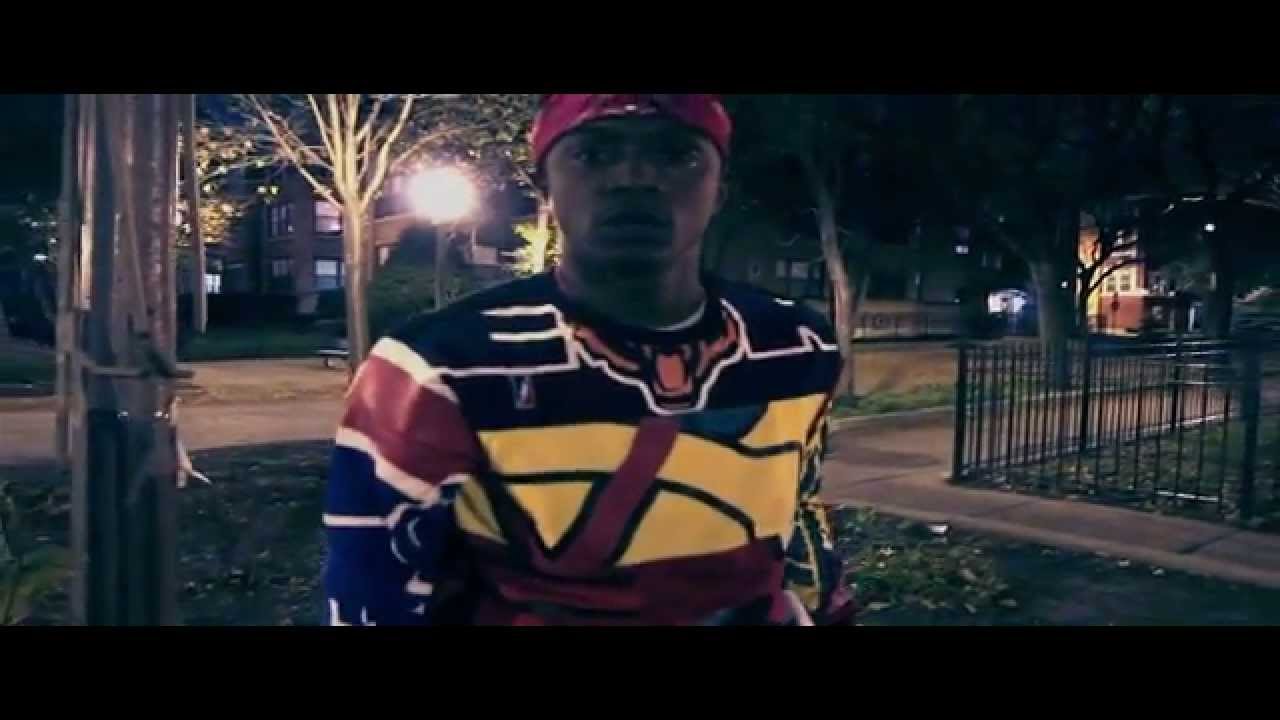
On May 29, 2015, Chicago drill lost one of its most distinctive voices. Young Pappy was just 20 when he was fatally shot in Uptown. The circumstances of his death were tragic, but the music he left behind helped define a North Side chapter of the genre that too often disappears from mainstream histories.
The North Side Voice Chicago Drill Could Not Ignore
By the spring of 2015, Shaquon Thomas had built a following without the machinery of a major label. As Young Pappy, he was one of Chicago drill’s most forceful voices, a North Side artist whose records could sound like they were being delivered in a single breath. His performances were explosive, sometimes funny, often confrontational, and unmistakably his own. On May 29, 2015, he was shot on a residential street in Uptown. He was 20 years old. The killing ended a career just as the music was finding a wider audience. It also followed two earlier shootings that police said had targeted him but killed other people instead. The story of Young Pappy is therefore not simply the story of a rapper who died young. It is about the North Side’s place in drill history, the difference between performance and lived conflict, and the innocent lives caught in the violence surrounding him.
A Chicago Drill Story Beyond the South Side
When national media first discovered drill, attention tended to center on Chief Keef, Lil Reese, Lil Durk and the South Side. That framing left important parts of the city outside the picture. Young Pappy came from the North Side, where Rogers Park, Edgewater and Uptown had their own neighborhoods, alliances and conflicts. The music was connected to the same citywide technological shift: inexpensive video production, YouTube distribution and an audience that followed street narratives in real time. But Pappy’s voice did not sound like an imitation of the South Side artists. He attacked beats with sharp rhythmic changes and a relentless intensity. Listeners who discovered him through “Killa,” “Homicide” or his “Faneto” freestyle heard an artist capable of turning raw urgency into memorable records. His music offered an alternate map of Chicago drill, one in which the North Side was central rather than peripheral.
From Shaquon Thomas to Young Pappy
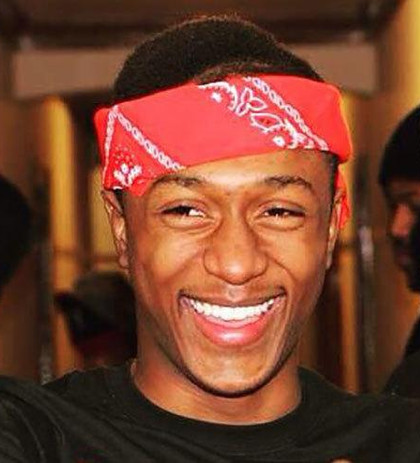
Thomas grew up around Rogers Park and Uptown. Local reporters who followed him in 2014 and 2015 described a young man whose music was gathering momentum while his encounters with police and neighborhood violence intensified. His family’s perspective complicates the image that videos alone convey. The public persona was loud and threatening, but relatives and people around him described a young artist with ambitions beyond local rivalries. Contemporary reporting also documented criminal cases, including a 2013 weapons conviction. Those facts belong in the biography, but they do not make every boast in a song a factual confession. Drill’s language is built around confrontation, exaggeration, coded names and performance. Responsible reporting cannot convert lyrics into proof of an unsolved crime.
The Records That Built His Reputation
Young Pappy’s breakthrough was built through individual tracks and visuals rather than radio campaigns. “Killa” became the signature performance, an example of how his delivery could move from tightly controlled patterns into explosive emphasis. “Faneto Freestyle” showed his ability to take a beat already associated with Chicago’s larger drill movement and make it feel personal. “Homicide” and “Savages” expanded the catalog, while “Shooters” later became inseparable from discussions of his death. In May 2015, he promoted the mixtape 2 Cups: Part 2 of Everything. The project represented a substantial body of work by an independent rapper still in his teens or barely beyond them. Later critics would recognize the project’s importance to Chicago’s decade in music. That recognition matters because it gives Pappy a place in drill history beyond the headlines about his death.
Get Featured on Raptology
Independent artist or manager? Submit your music for editorial consideration and professional coverage.
Submit Your MusicYoung Pappy, “Killa” (2014). Official video via TFG Ent. Watch on YouTube.
February 2014: Markeyo Carr Is Killed
On Feb. 5, 2014, a masked gunman opened fire near a McDonald’s in Rogers Park. Seventeen-year-old Markeyo Carr was killed, and several other people were wounded, including Young Pappy, who was struck in the arm. Police believed Thomas had been an intended target, according to contemporary DNAinfo reporting. The investigation and its aftermath made the stakes of the conflict impossible to ignore. Carr was not a supporting character in somebody else’s musical mythology. He was a teenager whose life ended in a shooting that reached beyond the people believed to be involved in a feud. That distinction is essential when reconstructing this period. Online accounts often collapse every victim into a narrative about a rapper. The record demands that Carr be remembered separately.
July 2014: The Death of Wil Lewis
Months later, another shooting brought the same warning. Wil Lewis, a 28-year-old photographer, was killed near a bus stop on Devon Avenue. Authorities said the shooting was aimed at Thomas, who survived. Lewis had moved to Chicago with his wife and was building a life around photography. Local coverage described the grief of his family and the fear the shooting created among residents. Prosecutors later presented allegations involving other people in connection with the gunfire. Those allegations must be distinguished from findings about who killed Thomas in 2015. The two cases should never be casually merged into one revenge timeline. What connects them in the contemporary record is that police described Pappy as an intended target in earlier attacks that killed bystanders.
The 2018 Wil Lewis Verdict: A Separate Case
Police accounts of the July 2014 shooting later led to a court verdict. In November 2018, a Cook County jury convicted Eric Vaughn of first-degree murder in the killing of photographer Wil Lewis. According to prosecutors, a gunman had intended to shoot Thomas, but Lewis, standing at a Rogers Park bus stop, was struck and killed instead.
The distinction is essential. The verdict was in Lewis’s 2014 murder case. It was not a conviction in Young Pappy’s fatal shooting in 2015, and it cannot identify who killed the rapper. The Chicago Sun-Times reported on the verdict, adding a judicial finding to one chapter of the broader history.
What is established: A jury convicted a defendant for the 2014 death of Wil Lewis. That verdict does not establish who murdered Young Pappy in 2015.
Enter the Free Raptology Rap Contest
Independent artists can submit original songs, music videos or cover art for consideration in Raptology’s monthly competition.
Enter the Rap ContestA Career Accelerating Under Pressure
The collision between music and street conflict was increasingly visible. Pappy’s videos reached a large online audience. Police and community leaders worried that public taunts were escalating existing tensions. At the same time, the artist was pushing forward with a new mixtape and more music. A release party in May 2015 drew police after gunfire was reported near the gathering, and a SWAT response followed. Thomas was among those charged with disorderly conduct, according to DNAinfo. It was a moment when the promotional machinery of an emerging artist and the realities of policing on the North Side became almost impossible to separate. Yet reducing the entire period to arrests and threats would miss the creative urgency that made his music influential.
Young Pappy, “Homicide” (2015). Official video via TFG Ent. Watch on YouTube.
The Final Hours: May 29, 2015
The confirmed timeline begins in the early morning hours of Friday, May 29. At approximately 1:30 to 1:35 a.m., Thomas was in the 4800 block of North Kenmore Avenue in Uptown. Gunfire erupted, and he was struck twice in the back. Witnesses described a dark vehicle near the scene; contemporary accounts differed in some details of the movements around it. Thomas was transported to Advocate Illinois Masonic Medical Center. He was pronounced dead at 2:04 a.m. Police described the shooting as apparently gang-related, but that characterization did not identify a convicted perpetrator. The reported circumstances do not establish the names of shooters, a definitive motive or the online claims that later became attached to his death. His final known timeline is short, and it should not be inflated into a cinematic sequence unsupported by evidence.
Support Independent Hip-Hop Journalism
Help Raptology preserve rap history with researched documentaries that distinguish documented facts from internet rumor.
Support RaptologyThe Week Before the Killing
One week earlier, Pappy had released a visual for “Shooters.” Coverage after his death emphasized the song’s confrontational language and the unsettling proximity between its release and the fatal attack. The juxtaposition made for a dramatic headline, but it does not prove that the song directly caused the killing. Music videos and social posts can help document the public atmosphere around a performer. They are not a substitute for witness testimony, forensic evidence or court findings. A responsible documentary can acknowledge the timing without claiming to know what motivated the person who fired the shots.
Young Pappy and Lil $hawn, “Shooters” (May 22, 2015), released one week before his death. Official video via TFG Ent. Watch on YouTube.
The People Left Behind
The immediate reaction reached beyond his collaborators. Fans posted tributes, local officials requested additional patrols, and residents worried about further violence. Those responses were shaped by the preceding shootings and by a wider struggle to prevent retaliation. Young Pappy’s family lost a son and brother. The families of Markeyo Carr and Wil Lewis had already suffered losses that should never be erased from the story. Their deaths were not music-industry milestones. They were human tragedies. Keeping them in the narrative is not an attempt to diminish Pappy’s artistic contribution; it is the only way to describe the full public impact of the violence accurately.
Why Young Pappy’s Music Endured
After his death, Young Pappy’s records continued to circulate. The combination of breathless delivery, abrupt shifts in cadence and unfiltered energy distinguished him from many peers. His best performances remain a reference point for listeners exploring Chicago drill beyond its biggest commercial names. His music also offers a snapshot of an era before streaming playlists fully standardized the genre’s presentation. Individual videos and mixtape uploads could build reputations neighborhood by neighborhood and then reach audiences around the world. The recognition given to 2 Cups: Part 2 of Everything in later Chicago music retrospectives confirms that the work stands independently of the circumstances of his death.
The music’s significance has been recognized beyond his immediate fan base. In 2019, Pitchfork named “Killa” among 11 songs that defined Chicago drill. Writer Alphonse Pierre identified his North Side roots and forceful delivery as part of what made the track distinct. The Chicago Reader also included 2 Cups: Part 2 of Everything in its retrospective of notable Chicago albums from the 2010s.
His “Faneto Freestyle” demonstrates another part of his skill: the ability to reinterpret a beat already associated with a major Chicago artist while still sounding immediately recognizable. The songs endure because of the performance, rhythmic control and individuality, not simply because listeners know his biography.
Young Pappy, “Faneto Freestyle” (2015). Official video via TFG Ent. Watch on YouTube.
A Legacy Larger Than the Violence
Young Pappy’s biography is often retold as three shootings and a final tragedy. That is part of the record, but it is not the whole record. He helped establish a distinct North Side voice in drill and left songs that still attract new listeners. He also lived amid a conflict whose effects reached people who were not participants in the music. A useful history must hold both truths at once. The question is not whether his records deserve attention. They do. The question is whether audiences can recognize the artistry without turning real deaths into an endless scoreboard. Young Pappy’s legacy deserves that more careful telling.
Related Raptology Stories
Explore Chicago’s street-rap histories, T.Roy’s legacy, and the Documentary archive. For emerging artists and interviews, browse Featured Stories.
Get Your Music Featured on Raptology
Independent artist, label or publicist? Explore published features, artist interviews and music submissions.
Submit Your MusicReader Poll
What is Young Pappy’s most important contribution to Chicago drill?
This poll stores your response on your own device. Results reflect your selection, not a sitewide tally.
Your answer has been saved on this device.
Sources and Reporting Notes
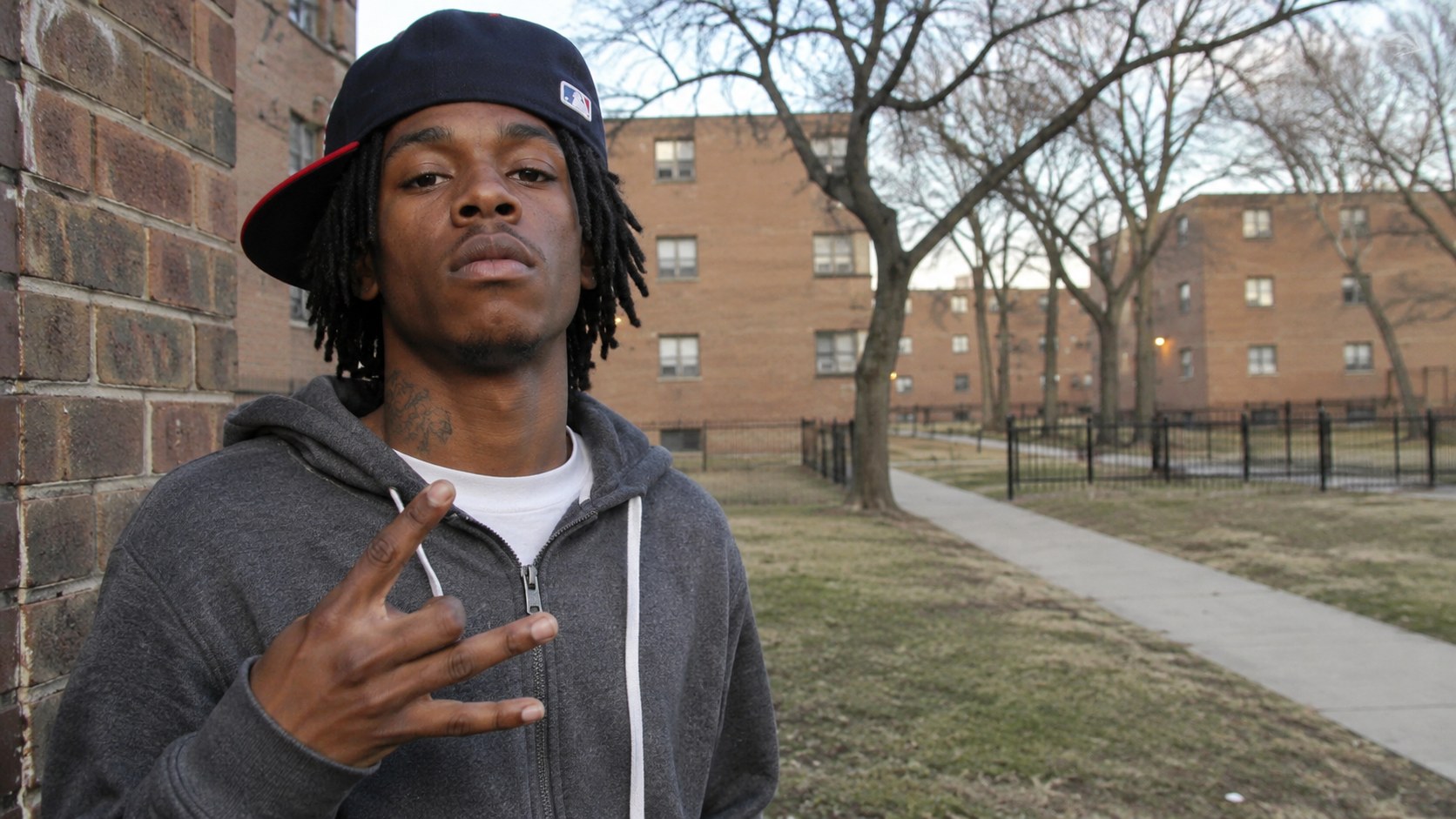
Contemporary reporting: DNAinfo, May 29, 2015; DNAinfo, June 10, 2015; CBS Chicago, May 29, 2015; DNAinfo, May 12, 2015. Police allegations and witness accounts are attributed and should not be mistaken for judicial findings. Featured image: Young Pappy in the official 2014 “Killa” video, TFG Ent / A309Vision (editorial video still). Archival portrait: Rokucoos flame / Wikimedia Commons, CC BY-SA 4.0.
Further verification: U.S. Attorney’s public remarks concerning the two 2014 shootings; Chicago Sun-Times reporting on the Wil Lewis verdict; Pitchfork’s Chicago drill retrospective.
Raptology Editorial is the official newsroom voice of Raptology, covering breaking hip-hop news, artist developments, industry trends, and in-depth editorial reports from across the global rap landscape.





Leave a Reply