

King Von had already touched his family, helped his friends and begun turning his attention toward something larger. His goals were moving toward helping his community, opening places such as daycares and creating businesses capable of generating money while making the neighborhood better. As his own circle expanded to include children, relatives and friends, he saw giving back as something that never really stopped. The only way to keep doing more, in his mind, was to keep building enough financial power to help more people.
That future never arrived the way King Von imagined it. On Nov. 6, 2020, only one week after releasing his debut studio album, Welcome to O’Block, the Chicago rapper was fatally wounded during a violent confrontation outside an Atlanta nightlife venue. He was 26 years old and had only recently reached the level where years of incarceration, street life and uncertainty were beginning to turn into a legitimate music career. The rapper known for making his songs feel like street movies suddenly became the subject of a tragedy that unfolded almost as quickly as his rise.
Von’s story, however, did not begin in Atlanta. It began in Parkway Gardens on Chicago’s South Side, an area the world eventually came to know as O’Block. That neighborhood produced and surrounded some of the names that helped turn Chicago drill into an international movement, including artists connected to Chief Keef, Lil Durk, Fredo Santana and Lil Reese. King Von emerged from that same environment with a distinctive ability to take chaotic street events and turn them into detailed stories that listeners could follow from beginning to end.
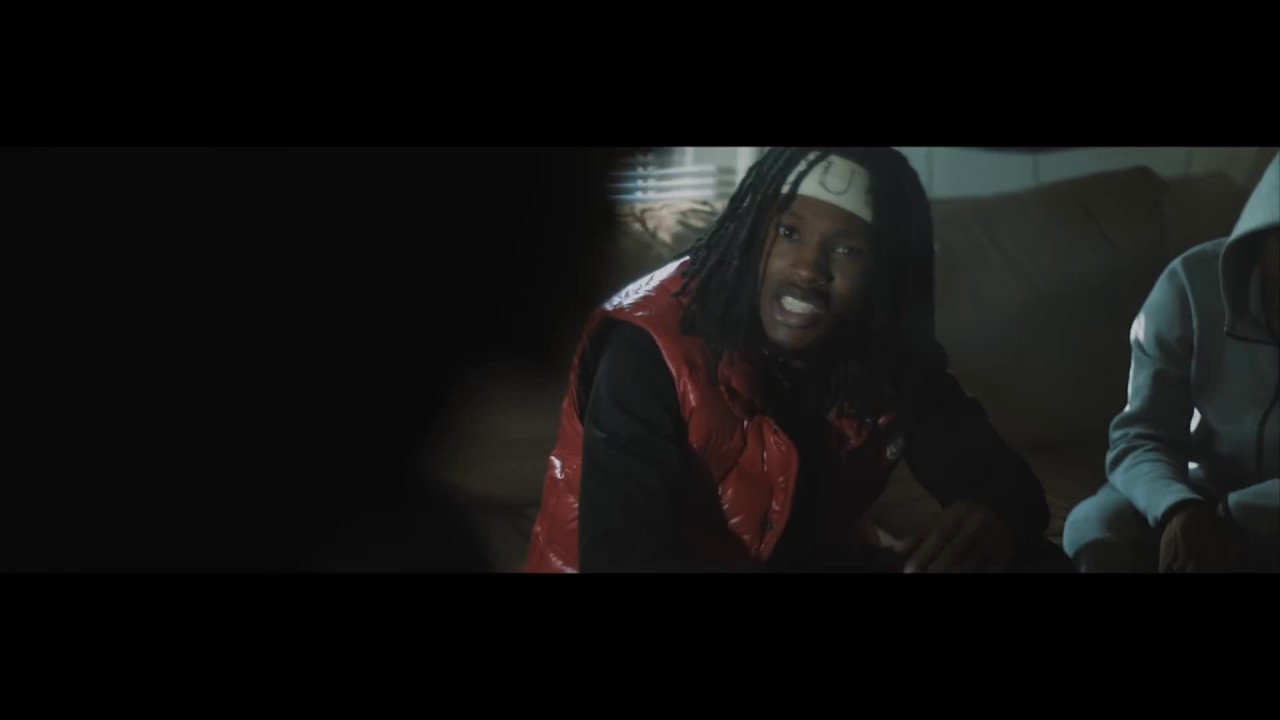
Watch The Record That Changed Everything
King Von’s ability to turn street stories into cinematic rap became impossible to ignore when Crazy Story began spreading far beyond Chicago.
Watch Crazy StoryGrowing Up In O’Block
King Von was born Aug. 9, 1994, and grew up in Parkway Gardens on Chicago’s South Side, the housing development that became internationally recognized as O’Block. He was raised with his parents separated and never remembered seeing his mother and biological father together. His father spent time in prison, and Von did not properly meet him until he was roughly 8 years old. Only a few months after that meeting, his father was killed.
Despite the instability around him, Von performed well academically through elementary and middle school. He remembered earning A’s and B’s and being productive while he was inside school around teachers and other students focused on their work. Once school ended, however, the environment changed completely. He was outside with older people and friends exposed to street activity, drugs, violence and the behavior that surrounded the neighborhood.
Von later described the transition as something that did not happen through one carefully considered decision. He went from being a good student to spending increasing amounts of time outside, and he gradually adapted to what he saw around him. Around middle school, he also became close with Lil Durk, a friendship that would eventually become one of the most important relationships in his life and career. At the time, neither could have known how strongly their names would later become connected through Chicago drill and Only The Family.
Raptology Documentary: Von’s own explanation of his childhood centered heavily on environment. School and the streets presented two completely different sets of expectations, and the more time he spent outside, the more he adapted to the world immediately surrounding him.
Street Life And The Pressure Of Environment
As Von spent more time outside, gang politics became increasingly difficult to avoid. He explained that he did not view his affiliation as something he simply decided to join from the outside. In his telling, the neighborhood itself forced young people to identify with the side surrounding them because remaining completely unaffiliated could leave someone vulnerable to robberies, beatings and other problems. He came to be associated with the Black Disciples in a part of Chicago where those identities could shape everyday life.
The lifestyle quickly brought legal trouble. Von was arrested as a young teenager in connection with an alleged armed vehicle robbery and spent time in the juvenile system. Because of his age, he received an opportunity to attend boot camp and was able to return home relatively quickly. It would not be his last encounter with the criminal justice system.
While Lil Durk’s music career was beginning to move forward, Von continued getting deeper into the streets. On Nov. 21, 2012, he was arrested and booked in Cook County Jail on an unlawful possession of a firearm charge, according to the source transcript. Around that period, Von stopped attending high school during his junior year. Without school occupying his time, the streets became an even larger part of his daily life.
A Case That Could Have Changed Everything
At 19, Von encountered the most serious legal battle of his young life. A shooting occurred May 29, 2014, and Von was later arrested and charged with first-degree murder and two counts of attempted murder. The charges placed the possibility of an extraordinarily long prison sentence in front of someone who had barely entered adulthood. He would spend approximately three and a half years fighting the case.
Von did not treat all of that time as wasted. While incarcerated, he earned his GED and began writing music in a serious way for the first time. He believed he could beat the case, return home and follow the musical direction Lil Durk had encouraged him to consider. Rap gradually became more than something happening around him because it represented a possible legal path forward once he regained his freedom.
His time in custody also contributed to the Grandson identity that would later become part of his music. According to the source, Von was housed with an elderly man who needed help performing basic daily tasks. Von pushed his wheelchair, helped him get to meals and reminded him to remove his dentures before sleeping. The older man began treating him like a grandson, while the nickname also reflected the respect and leadership Von believed he carried among people around him.
After approximately three and a half years, Von beat the case and returned home at 23. The years that had passed changed the world he was returning to because Lil Durk was no longer simply a neighborhood friend trying to make music. Durk had become an established rapper with a growing national career. Von now needed a legal way to generate income, and music suddenly looked like the most realistic answer.
Lil Durk Opens The Door
Lil Durk encouraged Von to take rap seriously and brought him to Atlanta, where he could focus more completely on music. Von had not spent his childhood presenting himself as someone destined to become a recording artist, and Durk later remembered that he had not previously talked much about becoming a rapper. Once Von started recording, however, the response came quickly. The same storytelling instincts that had developed through his life experiences translated naturally into songs.
One of his early records was Beat Dat Body with THF Zoo. The response gave Von another reason to keep recording, and much of the early work took place around Durk. Von was still learning how songs were structured, how hooks connected with verses and how an artist turned ideas into complete records. Durk became both a friend and a teacher during that transition.
Then came Crazy Story. Released at the end of 2018, the record immediately separated Von from many other developing rappers because of the way he constructed a narrative. Instead of simply stacking threats, punchlines and street references, he moved listeners through an unfolding situation with changing flows, characters and tension. The record spread quickly and established storytelling as the quality most closely associated with King Von.
Von continued the concept with additional installments, including a remix with Lil Durk and Crazy Story, Pt. 3. By then, Durk had formally brought him into the Only The Family movement. Von traveled with Durk, attended interviews and watched how an established artist handled the business surrounding a career. He also began opening shows and performing in different cities, gaining the kind of real-world experience that could not be learned from recording alone.
Going Back To O’Block
As money began arriving from music and performances, Von did not treat O’Block as a place he needed to pretend had never existed. According to the source transcript, when he accumulated one of his first major sums of money, he returned to his old neighborhood and gave money back to people there. The source describes him giving approximately $100,000 on more than one occasion. His attention increasingly expanded toward what else could be created for the community.
Von spoke about eventually establishing daycares and other businesses that could generate income while improving the neighborhood. The idea was not simply to make money and leave everyone he knew behind. As his position improved, he was thinking about family, friends, children and the number of people who could benefit if his own career continued growing. Helping other people was becoming part of how he described the next stage of his life.
That goal carried an obvious contradiction because Von’s career was progressing while old conflicts and legal problems still followed him. His music was providing a way out, but the world represented in that music had not disappeared simply because people were now streaming the songs. Fame made him more visible without automatically separating him from the relationships, rivalries and consequences formed years earlier. That tension remained present throughout his rapid rise.
King Von’s Final Night
Read Raptology’s earlier documentary, King Von — The Night Atlanta Changed Drill Forever.
The Lil Durk Story
Explore the larger OTF story in Lil Durk: The OTF Empire, Chicago Loss And The Federal Case That Changed Everything.
Rap Crime Stories
Explore more cases, losses and defining moments through Raptology’s Rap Crime Stories archive.
Another Atlanta Legal Case
Von’s growing music career was interrupted by another legal case in 2019, this time involving Lil Durk. According to the source transcript, authorities accused the two rappers in connection with a February incident in Midtown Atlanta in which a man was shot and allegedly robbed. Durk and Von later turned themselves in during June while attorneys worked to secure bond. Because these allegations were criminal accusations rather than findings of guilt, they remained allegations at that stage of the story.
Lil Durk was released on bond, followed several days later by Von. Once free, Von returned his attention to music instead of allowing another legal interruption to stop the momentum he had created. He continued learning how to conduct interviews, perform publicly and structure complete records from hook to verse and back again. Every month of 2019 made him look less like Durk’s friend experimenting with rap and more like a legitimate artist building his own audience.
Grandson, Vol. 1
On Sept. 20, 2019, King Von released Grandson, Vol. 1. The project arrived through the independent infrastructure surrounding his growing career and reached No. 75 on the Billboard 200, according to the source transcript. It also climbed into the R&B and hip-hop album rankings. For an artist who had only begun recording seriously after returning home from years of incarceration, the progress was happening remarkably fast.
The title connected directly to the identity Von carried from his years behind bars and the reputation he had built among those around him. More importantly, the project proved that Crazy Story did not have to remain an isolated viral moment. He could build a project, support it with additional songs and translate attention into an expanding fan base. The industry was beginning to see King Von as an artist with a career rather than a single record.
As 2019 continued, he began preparing the next phase. He released 2 A.M. in November and followed with Rollin later that month. Von was recording more frequently, becoming more comfortable in front of cameras and learning what audiences responded to when he performed. The artist who had entered music with almost no formal songwriting experience was developing quickly because he treated each release as practice for the next one.
Took Her To The O
On Feb. 21, 2020, Von released Took Her To The O, another record built around the storytelling ability that had become his strongest weapon. The song became one of the biggest records of his career and pushed him further into the mainstream. The source transcript identifies it as his highest-charting Hot 100 record at the time the original documentary material was produced. More importantly, the song showed that his narrative style could be repeated without feeling like a copy of Crazy Story.
Von did not simply describe situations. He performed the different pieces of a story with pacing that made listeners wait for what happened next. His delivery could accelerate, stop and change direction while the plot continued moving forward. That approach helped create the feeling that his records were scenes rather than loose collections of bars. It was a natural advantage for someone whose life had already contained more dramatic turns than many fictional stories.
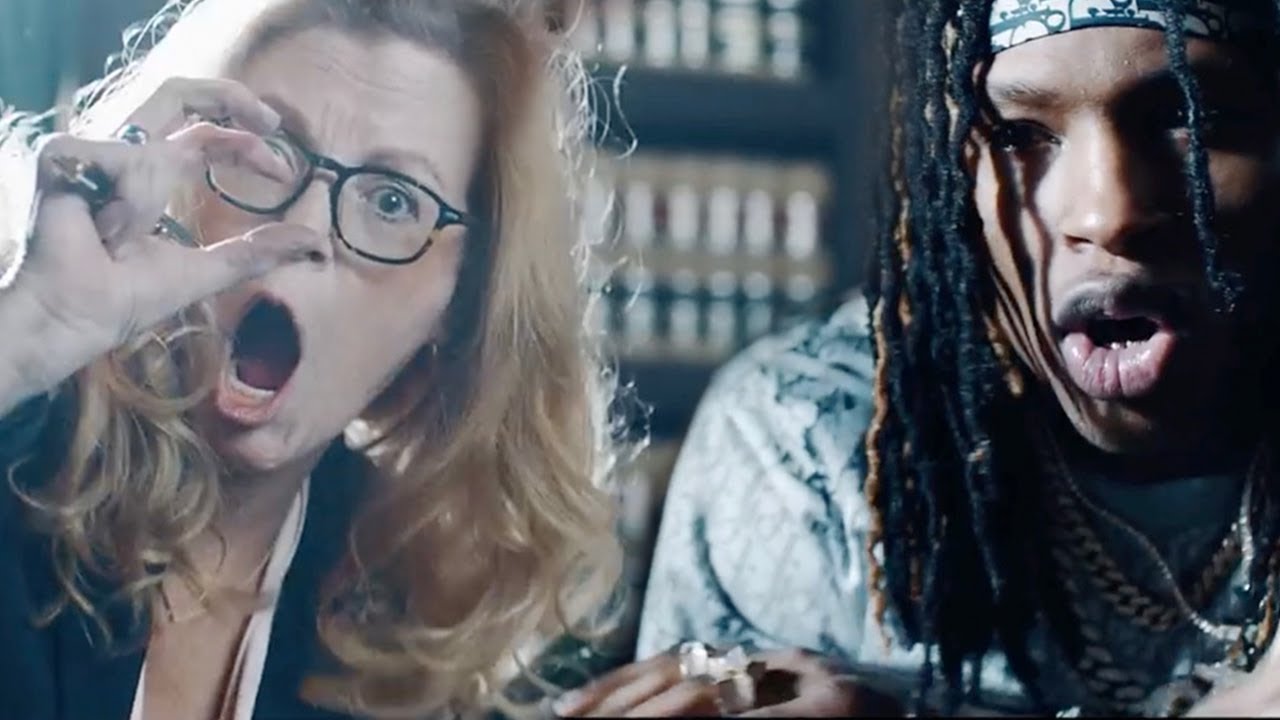
Levon James
Von followed the momentum with Levon James, released March 6, 2020. The title played on the name of basketball superstar LeBron James while continuing Von’s use of the Grandson identity. The project performed better on the charts than his previous mixtape and reinforced the idea that his growth was happening project by project rather than through one accidental hit. Every release was creating a larger audience for the next one.
The success also meant Von was moving deeper into an industry that could not be completely separated from his street reputation. Rivalries from Chicago remained part of the conversation around him, while other conflicts developed through social media and rap-world personalities. The source material discusses tension involving FBG Duck as well as public conflicts involving Famous Dex and 6ix9ine. Von nevertheless continued recording and preparing the album he expected to establish him on an even larger level.
Some of those Chicago conflicts were inherited from years of neighborhood history rather than created by music itself. Diss songs, social media responses and disrespect toward people who had been killed kept those rivalries visible to audiences far outside Chicago. Music allowed the conflict to travel beyond the neighborhoods where it had started. As Von became more famous, more listeners began analyzing every lyric through the history of those rivalries.
Context Matters: King Von’s music and street history became deeply intertwined in public discussion, but allegations, rumors and interpretations surrounding real-world violence should not automatically be treated as proven facts simply because listeners connect them to lyrics.
Building Welcome To O’Block
By the second half of 2020, Von was preparing what would become his debut studio album. The campaign included records with Lil Durk and additional singles that showed his growing confidence as an artist. How It Go arrived Aug. 28 and turned incarceration itself into another detailed piece of storytelling. The record again demonstrated that Von could transform experiences familiar to him into structured songs accessible to listeners who had never lived them.
Von initially announced that Welcome to O’Block would arrive in early October before the release was pushed back. He continued feeding the rollout with records including I Am What I Am featuring Fivio Foreign and Gleesh Place. The delay ultimately moved the album to Oct. 30, 2020. By then, the title itself functioned as a statement about the place that had shaped nearly everything listeners heard in his music.
Welcome to O’Block contained 16 songs and featured artists including Lil Durk, Prince Dre, Polo G, Dreezy, Fivio Foreign and Moneybagg Yo. Von was no longer being presented only as the newcomer attached to Durk because the project placed his own voice and storytelling at the center. The album debuted inside the upper portion of the Billboard 200 and represented the strongest commercial arrival of his career. He finally had the full-length project capable of turning momentum into something much larger.
Get Featured On Raptology
Independent artists, managers and labels can submit music for editorial coverage, written interviews and promotional visibility across Raptology.
Submit Your MusicA Career Moving Faster Than Ever
The timing made everything that followed even more difficult to comprehend. Von had gone from spending years fighting for his freedom to releasing a nationally charting album in a remarkably compressed period. He was learning the music business in public, improving from project to project and gaining money that allowed him to think beyond his immediate needs. He was only beginning to discover how large the career could become.
His plans extended beyond himself. Von wanted to put people around him in stronger positions, and the source describes plans to help friends secure record deals and give them meaningful amounts of money to begin their own careers. He had already returned to O’Block with money on several occasions. He also discussed developing businesses and daycares capable of creating more positive opportunities in the neighborhood.
That part of his story was easily overshadowed because the aggressive side of King Von was much easier to turn into headlines. Street rumors, lyrics, gang affiliations and legal history created a public image that frequently reduced him to the most dangerous interpretation possible. Von was aware of that portrayal and, shortly before his death, expressed frustration over media and YouTube personalities presenting him as if there were no other side to his personality. He did not claim to have lived a perfect life, but he believed the environment that produced him mattered when people tried to understand his decisions.
Nov. 5, 2020
On Thursday, Nov. 5, Von was in Atlanta promoting Welcome to O’Block. An album release celebration had taken place and, according to the account provided by his manager in the source transcript, the original plan afterward was for the group to return to the hotel. Instead, Von changed course and went to another nightlife location. His security vehicle arrived before much of the rest of his team.
The manager’s account describes Von remaining inside the vehicle for approximately half an hour rather than immediately entering the venue. Friends eventually returned to their vehicles because of the cold, while members of his team tried to understand what he was waiting for. Security checked the venue, and weapons carried by members of the entourage were kept outside because they could not be brought inside. For a period of time, there was no indication to most of the group that the night was about to become catastrophic.
According to the manager’s version of events in the source material, someone then informed Von that Quando Rondo had arrived. Von got out of the vehicle and moved toward him, and a physical fight began. The suddenness of the confrontation reportedly caught people on both sides off guard. Within moments, gunfire transformed the fight into a much larger emergency.
Nov. 6, 2020
A man associated with Quando Rondo came from behind the confrontation and opened fire, according to the account contained in the source transcript. Von was struck, his manager was also wounded and additional gunfire erupted around the scene. Police officers positioned in the area became involved as the situation expanded, while people scattered for cover. What had begun as a physical confrontation had become a deadly shooting involving multiple people.
Von’s team reached him and placed him inside a vehicle rather than waiting at the scene. They drove him to Grady Memorial Hospital in Atlanta while the people inside the vehicle panicked over the severity of what had happened. According to the manager’s account, Von remained conscious during the drive and attempted to calm the people around him. Doctors began emergency treatment after he arrived at the hospital.
Von did not survive his injuries. During the afternoon of Nov. 6, 2020, his death was publicly confirmed. He was only 26 years old. Initial confusion surrounding the shooting generated inaccurate reports and rumors about exactly who had shot him, but authorities later disputed claims that an Atlanta police officer had fired the fatal shots.
Other people were killed or injured during the wider incident as well. A suspect was later charged in connection with Von’s death, while attorneys connected to the other side argued that the shooting occurred in self-defense. Rumors quickly spread online about what had caused the original conflict, including theories involving other artists and personal relationships. Von’s manager rejected many of those stories and indicated that tensions between the parties had already surfaced publicly before the night of the shooting.
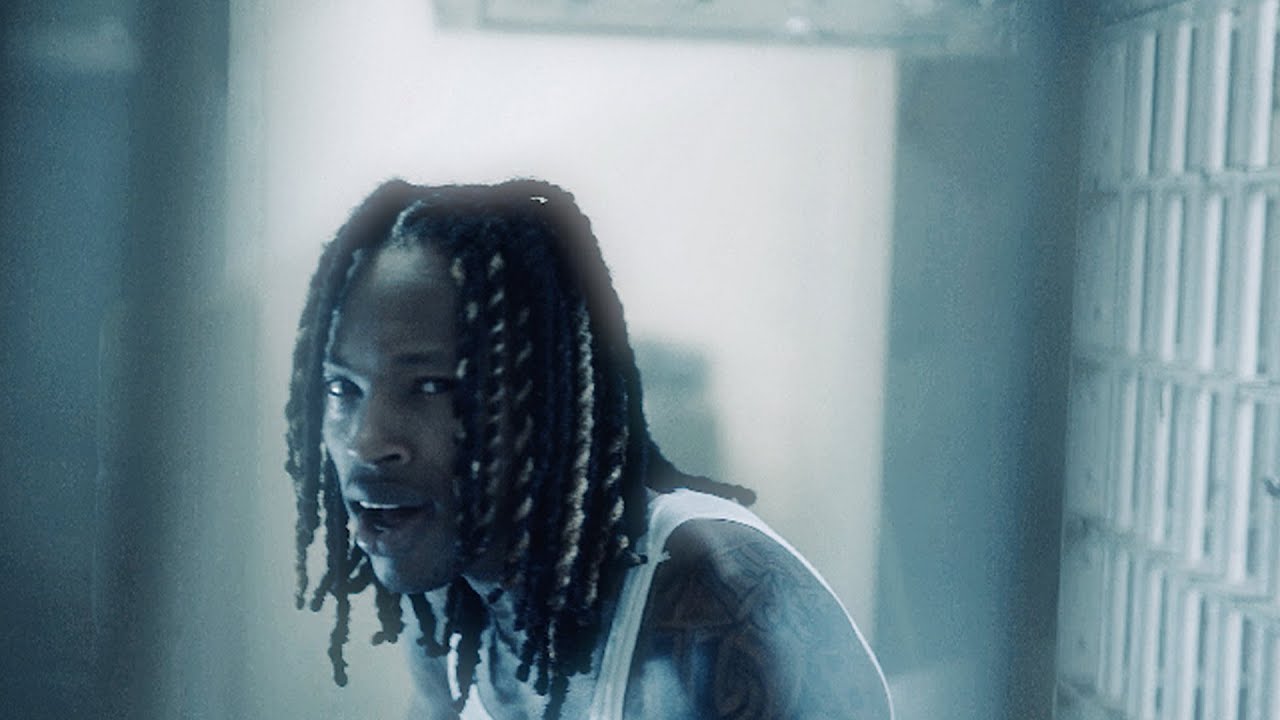
The Album He Never Got To Watch Grow
Von never had the opportunity to watch the complete first-week story of Welcome to O’Block unfold. The album had been released only seven days before his death. In the aftermath, listeners returned to the project in enormous numbers, and it climbed significantly higher on the Billboard 200 during the following week. The music intended to introduce the next stage of his career suddenly became inseparable from the fact that the artist who made it was gone.
The tragedy also changed the way many listeners heard the album. Songs that originally sounded like stories about survival, prison and neighborhood conflict now carried the weight of an ending that nobody involved in the recording process could have expected. Von had made a career from describing dangerous situations with extraordinary clarity. Now fans were examining his catalog knowing he had not ultimately escaped the violence surrounding his world.
His family and management made clear that the existing music would not simply disappear. They planned to continue supporting Welcome to O’Block while eventually sharing unreleased music, interviews and other material Von had completed. He had been working on additional endeavors that had not yet been announced. The amount of unfinished material made his death feel even more like an interruption than a conclusion.
The Plans Beyond Rap
Music was supposed to provide King Von with enough money to change more than his own circumstances. He had already begun helping people from O’Block financially and wanted to expand those efforts into something more permanent. The source material describes plans involving daycares, businesses and other ways of generating money while improving the neighborhood. His thinking was moving from individual success toward creating opportunities for a wider circle.
Family was part of that expansion as well. Von had children, relatives and a growing number of friends depending on him or looking toward him as his career accelerated. He understood that more success meant greater ability to help those people. In his own reasoning, giving did not have a natural stopping point because every new level of money created another level of possibility.
He also intended to help artists and friends around him secure opportunities. The source describes a vision in which people close to Von could receive record deals and enough money to begin changing their own circumstances. That plan reflected the same loyalty that had defined much of his life, although it was now being redirected through legitimate success. Von had only recently reached the stage where ideas like that could realistically become organized ventures.
King Von’s next chapter was beginning to move beyond simply escaping poverty. He was talking about using money, music and opportunity to create something for the people who had come through the same environment with him.
More Than The Character People Saw Online
Von understood that much of the internet saw him through an extreme version of the persona surrounding his music. His legal history, neighborhood affiliation, aggressive songs and public conflicts made it easy for online audiences to flatten an entire life into one image. Shortly before his death, he discussed his frustration with media personalities who portrayed him as if violence were the only meaningful part of who he was. The source documentary itself argues that understanding Von required understanding the environment that formed him.
That does not erase responsibility for personal choices or require turning every decision into something unavoidable. It does, however, place those decisions inside a childhood where violence, poverty, gangs, incarceration and death were present long before fame arrived. Von believed his life could have developed very differently if his mother had possessed greater resources or if he had grown up somewhere other than the projects. By his own account, he had been dealt a particular set of circumstances and spent much of his life adapting to them.
As he grew older, he was beginning to imagine what might have happened if those circumstances had been different. He wished certain deaths and conflicts had never occurred and recognized that the environment around him had shaped outcomes he could no longer reverse. At the same time, he was trying to make the best of what had happened by improving his community, helping friends and building a legal career. He did not get enough time to find out how far that transformation could have gone.
The Larger Question Behind Chicago Drill
The source documentary closes by connecting Von’s story to a much older argument about rap music. Tupac Shakur had addressed the criticism directed at rappers who describe violence, drugs, poverty and deteriorating neighborhoods. His larger point was that society cannot comfortably tolerate people living in destructive conditions and then become outraged when artists describe what those conditions actually produce. Rap frequently becomes controversial because it makes realities visible that many people would prefer not to confront.
That idea applies strongly to the conversation around King Von. His music did not emerge from an imaginary universe created in a recording studio because the people, conflicts, prisons and neighborhoods surrounding his songs existed before the records did. The difficult question is whether listeners hear those songs only as entertainment or also recognize what kind of environment produces stories like them. Von became compelling precisely because he could communicate that environment with unusual detail.
His catalog therefore sits inside a larger debate about Chicago drill itself. The music has been criticized for amplifying real rivalries and turning neighborhood violence into public entertainment, while supporters argue that it documents conditions young artists did not create. Both realities can exist at the same time. The songs can reflect a destructive environment while also becoming part of the machinery that keeps its conflicts visible.
Enter The Raptology Rap Contest
Think your music deserves a bigger audience? Submit your original track and compete for visibility through Raptology.
Join The ContestTimeline: King Von’s Rise
What King Von Left Behind
King Von’s recorded career was extremely short compared with the influence it produced. He had only been seriously recording for a few years when his life ended, yet he developed a recognizable musical identity almost immediately. Listeners knew when they were hearing a Von story because the pacing, details and changes in delivery created their own kind of suspense. He could make a three-minute drill song feel like an episode in a larger series.
Crazy Story established that identity, Grandson, Vol. 1 proved he could build a project around it, and Levon James expanded the audience. Took Her To The O became another signature record before Welcome to O’Block finally positioned him as an artist capable of carrying a major album campaign. The progression happened so quickly that it is difficult to know what King Von would have sounded like after another five or 10 years of musical development. He was still learning how to be an artist when millions of listeners were already treating him like a star.
There was also another version of his future beginning to appear. Von wanted the people around him to benefit, wanted to create businesses and spoke about improving O’Block through places that could help children and generate legitimate income. He had already returned to the neighborhood with money and begun giving back. Whether those ambitions would eventually have grown into lasting institutions is something his death made impossible to know.
The contradictions are part of why his story remains difficult to reduce to one sentence. King Von was a gifted storyteller whose music emerged from an environment filled with real violence, and he was also a young man beginning to imagine how success could change that environment for other people. He carried consequences from the streets while simultaneously building a route away from them. By the time the possibilities had finally become large enough for him to see another kind of future, his life was over.
A Story Without The Ending He Planned
Von had goals for the years ahead. He wanted to move to another level financially, continue taking care of his family and expand what he was doing for the community. Daycares, businesses, opportunities for friends and money circulating among the people around him were becoming part of his thinking. The rapper who had once needed a legal way to earn money was finally reaching a position where his income could begin changing other lives.
Instead, Welcome to O’Block became the final album released during his lifetime. The project that was supposed to introduce a larger chapter now stands as a snapshot of an artist immediately before everything stopped. Fans were left with the music, his family was left with unfinished plans, and Chicago drill lost one of the most naturally gifted storytellers it had produced. King Von was 26 years old.
His life cannot be separated from O’Block because the neighborhood shaped the conflicts, friendships, language and stories that ultimately made him famous. At the same time, the final stage of his life suggested he no longer wanted success to mean merely surviving the same cycle. He was beginning to talk about building, giving and helping people around him find opportunities of their own. That next version of King Von never had the chance to fully exist.
What remains is a catalog built on vivid storytelling and an unfinished transition from the streets into something larger. The same environment that gave Von the experiences behind his music also contributed to the dangers that followed him after success arrived. His rise showed how quickly talent could transform a life, while his death demonstrated how difficult it could be to leave every part of the past behind. Long live King Von.
More Documentaries
Explore long-form hip-hop stories inside the Raptology Documentary archive.
Rap Crime Stories
Explore rapper murders, legal cases and defining moments through Raptology’s Rap Crime Stories archive.
Rappers A-Z
Browse artist histories, biographies and career guides through Rappers A-Z.
Reader Poll: What defines King Von’s legacy the most?

Jose Zamora is a writer and creator from Boston, MA. He has been a music nerd since middle school when he started his record collection. His passion for Hip-hop began when he discovered legends like Nas and Gang Starr and became obsessed with up-and-coming acts like Kendrick Lamar and A$AP Mob.
He is a recently graduated, up-coming journalist, passionate about music and culture. He is always keeping an eye out for the next big thing and is eager to put their talent in the spotlight for others to enjoy. He believes firmly that “Good art deserves to be talked about.”










🔉 You have (1) MESSAGE #B6096 READ =>> linkspree.net/p/you-have-1-new-message-0637af?hs=749b179a2cd19a5f1a3785273246a8e9& W6551 🔉
suyymm