
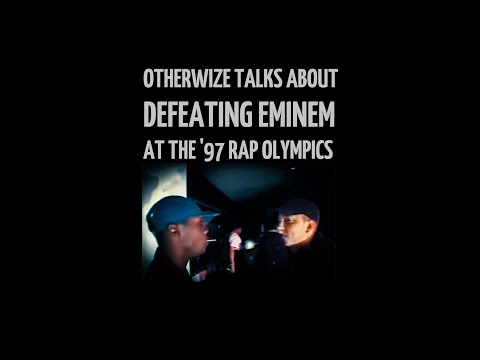
Before the platinum plaques, the stadium tours and the Hollywood adaptation of his Detroit upbringing, Eminem lost a battle in Los Angeles. The winner was Otherwize, an MC associated with the city’s Project Blowed underground. Nearly three decades later, the result is established, but the complete visual record remains elusive. For a culture that places enormous value on documenting its competitive history, the missing footage represents a remarkable gap.
The mystery returned to public discussion in October 2026, when Otherwize revisited the competition in interviews with PANDA CHOP! News. His recollections offer another opportunity to distinguish the actual competition from the mythology that developed around it after Eminem became famous.
Los Angeles before the record deal
In 1997, Marshall Mathers was an aspiring recording artist with an established interest in competitive lyricism. His debut album Infinite had not brought him mainstream success. The Slim Shady persona offered another creative direction, but national distribution and access to the major-label machinery remained separate obstacles.
Los Angeles offered a different environment from the Detroit circuit. The city’s underground tradition included performers whose reputations depended on their ability to improvise, manipulate rhythm and engage audiences without the resources of a national recording company. Project Blowed, which grew out of the Good Life Cafe scene, represented a particularly important concentration of that talent.
Placing Eminem in that context changes the emphasis of the familiar story. The event was not a contest between an established international star and an obscure challenger. It was a meeting between developing artists who had invested considerable time in the craft of competitive rap. Their later commercial trajectories should not determine how historians assess their performances in 1997.
The organizer and the two competitions
Music industry advocate Wendy Day arranged the showcase during a Rap Sheet magazine convention. Her account appears in a 2023 oral-history excerpt published by Parker Pubs. Crucially, the program included both an individual battle and a separate team exhibition.
That distinction explains why accounts of the evening sometimes appear to contradict each other. A reference to the Rap Olympics can encompass the whole gathering, even when the speaker is describing only one of its components. The final between Otherwize and Eminem belongs to the individual competition.
For an archivist, that means the first task is to identify which segment a surviving recording documents. Even a genuine video of Eminem performing at the convention might depict an earlier round rather than his eventual defeat. A compilation containing multiple performances might also combine material from separate competitions.
The event’s broader purpose was to put technically accomplished performers in front of an industry audience. Winning a contest and attracting a recording executive were therefore two different measures of success. The eventual outcome of Eminem’s career makes that distinction especially clear.
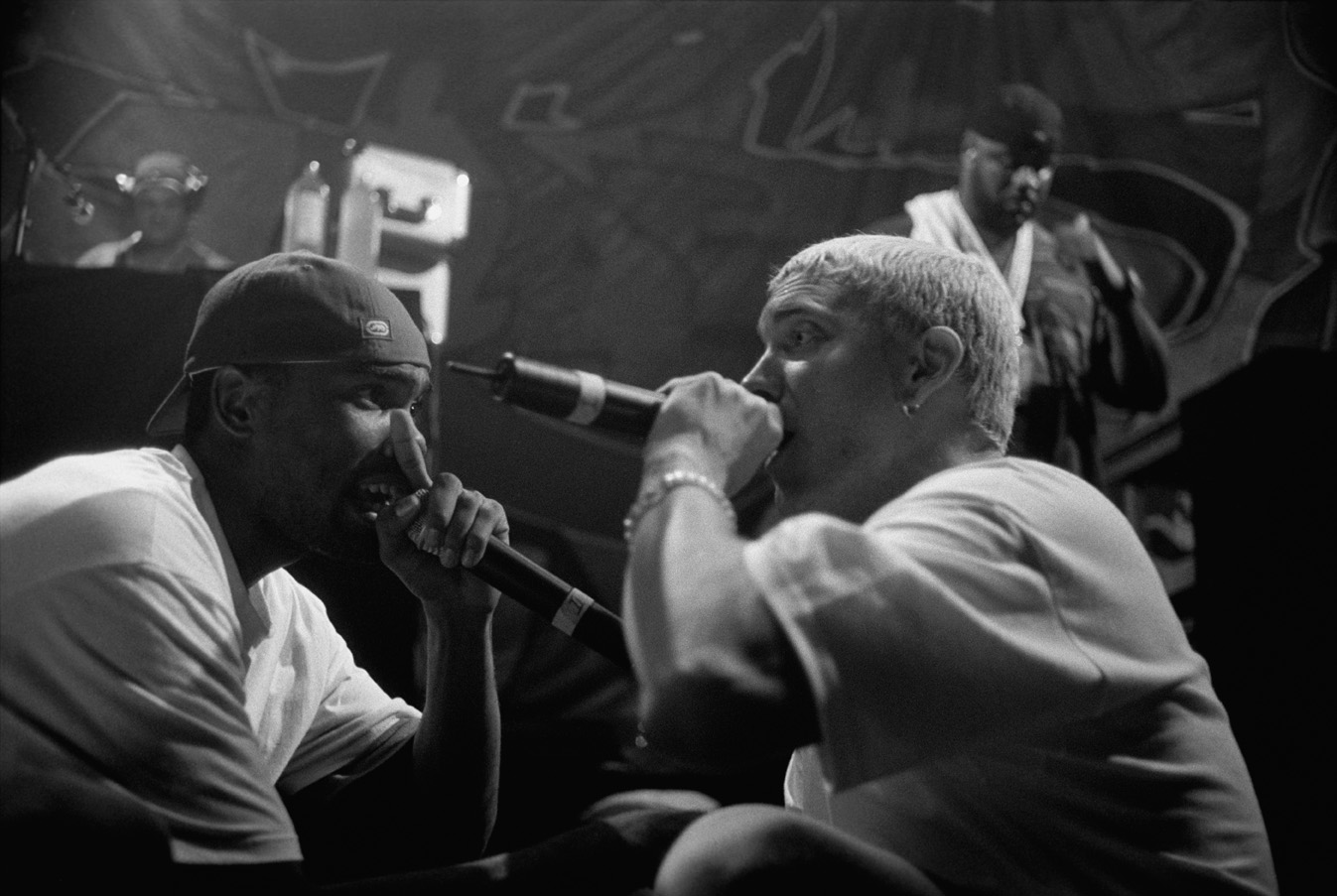
Otherwize tells his side
Otherwize’s account deserves attention independently of Eminem’s celebrity. He belonged to a scene with its own history, artistic standards and competitive traditions. His victory was an achievement in that context, not merely a footnote in another performer’s biography.
In the 2024 interview above, recorded in connection with his book Words from Wize, he discusses the contest as part of a much wider career. That framing is useful because it restores the winner’s identity as a working artist rather than presenting him exclusively as the person who once defeated a future superstar.
More recently, October 23, 2026 reporting on his PANDA CHOP! News interview describes his recollection of a closely contested final and Eminem’s difficulty maintaining his performance. Otherwize also acknowledged that he has not reviewed a complete recording of the encounter.
This last point sets a limit on what even a direct participant can establish today. Firsthand memory is valuable evidence, particularly when independently corroborated, but it cannot replace a recording when the question concerns the exact language, timing and context of individual verses.
What the surviving footage actually proves
Some video of Eminem at the 1997 gathering has circulated publicly. The unresolved issue is not whether every image from the event disappeared. It is whether the full final can be located and made accessible with a reliable account of its origins.
A fragment establishes only what appears inside its frame. It cannot establish the performance delivered immediately before or afterward unless that material is also present. A highlight reel offers a particularly selective record because the editor has already decided which moments deserve inclusion.
Documentary footage creates a related challenge. Film producers often license short archival sections to illustrate a larger narrative. The presence of a clean excerpt in a finished documentary does not establish whether its source supplied an entire event, a single camera reel or a previously edited compilation.
The distinction matters to anyone investigating claims about a complete tape. An authentic excerpt can indicate that better source material existed at some stage. It cannot establish the current location or condition of every recording made that day.
Get Featured on Raptology
Independent MCs, producers and artists: introduce your music and your story to our readership.
Two competing explanations for the missing archive
In coverage surrounding the 2021 documentary Where We’re From: Rise of LA Underground Hip Hop, co-producer DJ Breeze alleged that Eminem acquired the recordings. Contemporary reporting reproduced his account, which also emphasized the competitiveness of the performances.
That allegation is not independently established. No purchase agreement, verified transfer of masters or public confirmation from Eminem’s representatives was identified in the material reviewed for this article.
A different explanation emerged in Parker Pubs’ February 2023 investigation. According to the publisher’s account of conversations with Day, the organizer did not receive the expected footage from the person responsible for filming. The publisher reported that a possible custodian subsequently acknowledged possession through an intermediary.
Neither explanation supplies a publicly inspectable chain of custody. The claims also address different stages of the footage’s possible history: an initial failure to deliver material and a suggested later acquisition are not necessarily mutually exclusive. Without evidence linking those stages, however, joining them into a single narrative would be speculation.
The responsible conclusion is that there are competing accounts of the recordings’ whereabouts. It would be premature to accuse any individual of suppressing or stealing the archive on the strength of those accounts alone.
The route from battle rap to Interscope
The contest is often presented as the moment that immediately delivered Eminem to Dr. Dre. Oral histories complicate that shorthand. A November 2026 reconstruction of the event and demo handoff compares participant recollections with Jimmy Iovine’s later description of receiving music through an intern.
The accounts support a connection between the gathering and the eventual discovery of Eminem’s recorded work. They do not provide a contemporary, step-by-step record of the original demo’s movement.
From a music business perspective, the difference is instructive. Battle performance displays a set of skills under immediate pressure. A recorded demo presents an artist through production, songwriting, vocal character and the prospect of further development. Executives evaluating an emerging act need not arrive at the same conclusion as the audience judging a competition.
There is no contradiction in acknowledging Otherwize’s victory while recognizing that Eminem attracted an extraordinary commercial opportunity. The two outcomes were produced by different selection processes.
Why recovering the complete final matters
The most interesting material in an unedited recording might not be the moment that determined the result. It could be the exchanges that preceded it, the hosts’ instructions, the audience’s reactions or the way both performers adjusted to the conditions of the room.
Those details matter because rap competitions are collaborative events in an unusual sense. Each contestant’s performance responds to circumstances created by the other contestant, the host and the crowd. Isolating an individual verse removes part of the context that made it effective.
A fuller archive would also offer a corrective to the tendency to treat underground scenes as launchpads for celebrities. Otherwize and the other participants deserve a historical record of their work whether or not they subsequently signed major recording contracts.
The continued interest is evident in a September 2026 discussion on r/hiphopheads, where collectors raised the discrepancy between low-quality circulating clips and cleaner documentary excerpts. The discussion demonstrates audience interest, not proof of the present location of the masters.
How to authenticate a newly surfaced tape
A potential discovery would need to be assessed for continuity, source generation and provenance. A recording with identifiable introductions and uninterrupted exchanges would have different evidentiary value from an edited compilation. Original media labels and documentation of transfers between custodians could help establish its history.
Researchers would also benefit from comparison with known excerpts. Matching voices, clothing, stage details and audio characteristics could connect a new copy with previously documented material. Such comparisons would need to account for the separate contests and the possibility that different cameras captured different angles.
Finally, public access would require attention to the rights of performers, filmmakers and any other relevant rights holders. The survival of a recording and the legal right to distribute it are separate questions. A preservation copy can have enormous historical value even before distribution arrangements are settled.
Support independent hip-hop history
Help Raptology continue investigating the culture’s overlooked archives.
More than a missing celebrity performance
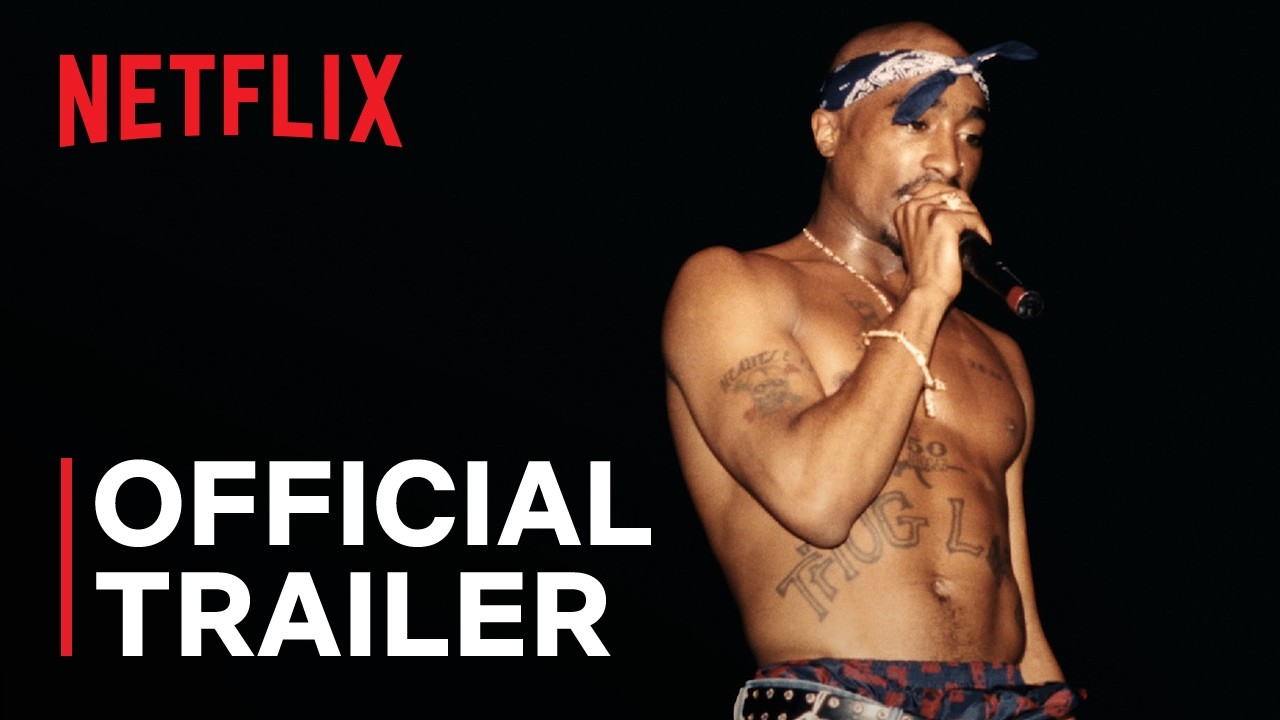
The Rap Olympics archive belongs alongside other unresolved questions about the preservation of hip-hop history. Raptology has examined Angie Martinez’s withheld Tupac interview, RZA’s lost studio recordings and the Commission’s unrealized group project. Each case raises a different question about what survives and what can be authenticated.
In this case, the result of the battle is not the mystery. Otherwize won. The missing chapter is the complete recorded performance and the larger artistic environment surrounding it. Recovering that history would enrich the understanding of Los Angeles underground rap as much as the biography of Eminem.
Editorial disclaimer
This independent documentary is based on publicly available interviews, reporting and oral histories. Raptology has not examined the original camera masters or authenticated a complete recording of the final. Allegations concerning ownership, withholding or disappearance of recordings remain unverified. No accusation of wrongdoing is presented as established fact.
Featured Stories
Explore Hip-Hop Mysteries and Featured Stories.
Zayed “Zod” Chowdhury is a writer, entrepreneur, and lifelong hip-hop student, born in the Bronx and raised in Queens during one of the most influential eras in rap history. His perspective was shaped by New York City’s golden-era energy, street fashion, mixtape culture, lyrical competition, and the rise of rap as a global force. With a voice rooted in authenticity and cultural memory, Zod writes about hip-hop through the lens of history, business, lyrics, influence, and impact. His work breaks down artists, eras, and debates with the eye of someone who lived the culture, studied the music, and understands why hip-hop still drives the conversation.




Leave a Reply