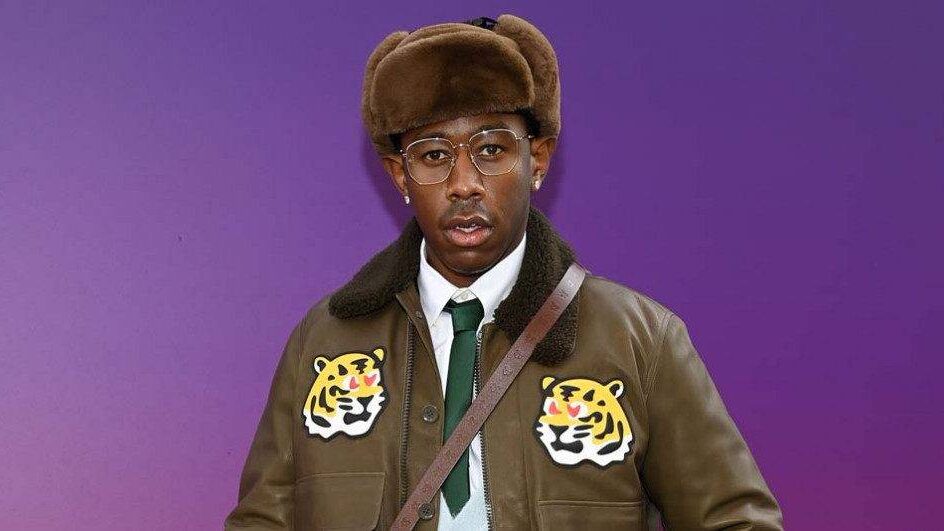
LOS ANGELES – Tyler, the Creator’s Camp Flog Gnaw Carnival returned to the grounds of Dodger Stadium on Saturday, Nov. 14, with a sold-out, two-day lineup featuring Don Toliver, Future, Vince Staples, J.I.D and other major rap performers. The event offered an official livestream at no charge through Amazon Music and its streaming partners.
Amazon Music confirmed that the 12th annual event ran Saturday and Sunday, Nov. 14-15. The company said the broadcast marks its fourth consecutive year streaming the artist-founded festival and that no paid subscription is required. Amazon’s Nov. 6 announcement says the broadcast was available on Prime Video, Twitch, Amazon Live and the Amazon Music app.
Don Toliver and J.I.D lead Saturday’s rap livestream
According to the Nov. 13 livestream schedule published by Pitchfork, coverage was scheduled to begin at 3:10 p.m. Pacific, or 6:10 p.m. Eastern, on both days. Saturday’s first channel includes Vince Staples at 6:10 p.m. Pacific, J.I.D at 8:05 p.m. and Don Toliver at 9:55 p.m. A second channel lists Domo Genesis at 6:10 p.m. and a joint Earl Sweatshirt and MIKE appearance at 8:25 p.m. The schedule is subject to change, and broadcast start times should not be mistaken for the complete length of each artist’s set.
The split-channel format gives remote viewers access to different performances during overlapping festival programming. Amazon says the stream will also include artist interviews and behind-the-scenes coverage hosted by Wayno and Jillian Superstar.
Future closes Sunday’s scheduled broadcast
Future is scheduled for a 10:15 p.m. Pacific broadcast slot on Sunday, Nov. 15, according to Pitchfork. Other Sunday rap sets listed for the first channel include Lupe Fiasco at 7:40 p.m. and Isaiah Rashad at 9:10 p.m. The second channel includes Concrete Boys at 6 p.m. and The Alchemist & Friends at 8:45 p.m. Pacific.
The official Amazon Music event page identifies Tyler, the Creator as the festival presenter and lists Future, Don Toliver, Vince Staples, Isaiah Rashad and Earl Sweatshirt among the participating artists. The page is the direct, verified destination for the broadcast, rather than an unofficial video upload or fan-generated link.
How to watch Camp Flog Gnaw 2026
Fans can use the festival’s official livestream page or the Amazon Music event listing to find viewing options. Amazon says international rebroadcasts begin at 8 a.m. GMT on Nov. 15 and 16. Viewers should check the official schedule for last-minute changes before a particular performance.
For Tyler, the Creator, the event remains an example of a rapper building a major live platform around his own artistic identity and curatorial vision. The 2026 edition pairs established mainstream artists with newer performers, bringing multiple generations and sounds of rap to the same Los Angeles venue. Its free livestream also extends that audience far beyond the festival grounds.
Raptology readers can explore Tyler, the Creator’s Rap Hall of Fame profile, Future’s artist profile and our long-form documentary on Future’s career for additional context.
Support independent hip-hop journalism
Help Raptology keep reporting verified stories about the artists and culture that matter.
How Tyler built a festival around his own creative world
Camp Flog Gnaw is more than a collection of unrelated performances assembled for a weekend. Its identity has grown alongside Tyler, the Creator’s evolving work as a rapper, producer, designer and curator. The festival gives him a platform to place his own aesthetic alongside artists he admires or wants his audience to discover. That makes the event distinctive in an increasingly crowded concert market. A fan attending for a specific headliner may encounter musicians from other genres in the same environment, which can expand the audience for performers who do not normally share a bill.
The carnival presentation also matters. Rather than treating the venue as a sequence of performance slots alone, the brand combines rides, merchandise, artwork and a community atmosphere with its music programming. That blend reflects a wider change in hip-hop entertainment: audiences increasingly expect an event to have a visual identity and an experience worth remembering beyond the playlist. Tyler’s curatorial role is especially visible because the festival carries the personality of its founder without making every performance about him.
Future and Don Toliver bring two different rap energies
Future and Don Toliver illustrate the range available within contemporary melodic rap. Future’s catalog draws heavily on Atlanta’s influence, blending hypnotic production, melodic phrasing and street-rooted storytelling. Don Toliver approaches melody with a different vocal texture, often using atmospheric production and elastic hooks. Placing both performers on the same large festival bill shows the breadth of the sound rather than suggesting they are interchangeable artists. Their presence also creates an entry point for audiences that might otherwise associate Camp Flog Gnaw mainly with Tyler’s own musical circle.
The event’s lineup offered a similar contrast through Vince Staples, J.I.D, Earl Sweatshirt and MIKE. Each represents a different approach to songwriting and performance, from crisp technical delivery to more understated and experimental material. The value of this mixture is not simply the number of names on the poster. It is the opportunity for people to encounter different forms of hip-hop without leaving the festival environment. That curatorial approach has helped Camp Flog Gnaw maintain a recognizable identity through changes in the wider live-music market.
Why free streaming matters to younger rap fans
A festival ticket, travel, lodging and local transportation can make an in-person event expensive for a fan living outside Los Angeles. An authorized livestream offers a very different form of access. It cannot reproduce the crowd, production scale or spontaneous conversations of being there, but it can let viewers follow performances without making the full trip. For young listeners in New York, Chicago, Atlanta and other cities, that access is particularly valuable when a festival takes place on the opposite coast.
Amazon Music’s decision to carry the event at no charge widened the potential audience beyond ticket holders. The company also offered coverage through several services rather than relying on a single destination. Those distribution choices can reduce friction for viewers who already use different streaming platforms. The precise size of the online audience, however, cannot be inferred from the existence of a free broadcast. Without independently verified viewing totals, it would be premature to describe the stream as setting records.
The multi-channel format changes the viewing experience
A large music festival runs several performances in parallel, creating a challenge for fans who want to see more than one artist. The two-channel streaming design attempted to address that by offering different sets at overlapping times. It also meant remote viewers had to make choices much like the audience at the venue. A fan following J.I.D on one channel could miss a performer appearing elsewhere during the same period. For a music event that values discovery, having several feeds can be both a benefit and a complication.
Published schedules are useful planning documents, but they should not be confused with proof of what ultimately aired at every moment. Festivals face normal production variables, and individual performances may begin later than the original timeslot or be presented in edited form. The schedule cited in the original coverage describes what the broadcast organizers announced, not a minute-by-minute account of every completed set. A reliable recap would require a verified archive or on-the-ground reporting to describe unexpected changes.
The business of artist-led live events
Tyler’s festival shows how a recognizable creative identity can become the foundation of a large entertainment business. Ticketing is only one part of the equation. Merchandise, concessions, partnerships, livestream distribution and long-term brand recognition can all contribute to a festival’s commercial structure. That does not establish the amount of money earned by this particular edition, and no financial figures should be invented. The business significance lies in the model: an artist can develop an enduring event that gives fans a reason to gather around a particular cultural point of view.
That model has obvious implications for independent rappers, even though few will operate at Camp Flog Gnaw’s scale. A smaller artist-led showcase can still benefit from coherent branding, a carefully selected lineup and relationships with audiences outside one city. Building such an event requires financial discipline and dependable production partners, not just a large social-media following. Tyler’s experience demonstrates the possible upside of turning creative trust into a recurring platform, while also showing how much infrastructure a successful event demands.
What the weekend reveals about hip-hop’s wider audience
The 2026 lineup mixed rap with R&B, rock and experimental performers. That variety reflects how many younger listeners actually consume music. Their playlists may move between a melodic Atlanta record, a Los Angeles rap performance and an alternative band without treating those choices as contradictory. Festivals that recognize this listening behavior can build lineups around shared cultural sensibilities rather than rigid genre boundaries. Camp Flog Gnaw’s identity is consistent enough to hold those sounds together.
For traditional rap audiences, this approach is not a retreat from hip-hop. It reflects a long history of the genre borrowing from and influencing other music forms. DJs sampled records outside rap, producers drew from funk, jazz and soul, and rappers frequently collaborated with singers and bands. The festival format makes those connections visible in a single weekend. Its strongest achievement may be creating a setting in which different artists can be heard by listeners who came for someone else.
After the livestream, the story continues
As of November 21, the November 14-15 festival dates have passed. Readers should therefore treat the original stream schedule as historical information, not as a promise that a particular live performance is still available at the same link. Any official replay or archived video should be confirmed directly through Amazon Music or the artist’s verified channels before being described as watchable on demand. Live broadcast access and replay rights are not necessarily the same thing.
The lasting story is the continued growth of an artist-created festival that connects mainstream names with emerging and alternative performers. The free broadcast extended that event beyond the Dodgers Stadium grounds, while the diverse bill reflected Tyler’s longstanding interest in building a cultural community around music. Raptology’s Tyler profile and Future documentary provide further context for two of the major artists linked to the weekend.
Sources: Amazon Music’s official announcement; Amazon Music’s event listing; Pitchfork’s Nov. 13 performance schedule; Digital Music News’ Nov. 8 report.
Read more in Raptology Breaking News.
Stephano Meola is a passionate music journalist and dedicated advocate for hip-hop culture. With a strong understanding of the genre’s history, evolution, and influence, he brings an informed and authentic perspective to every story. Through thoughtful interviews and compelling editorial coverage, Stephano highlights emerging talent, celebrates established artists, and helps preserve the voices shaping hip-hop today.


Leave a Reply