ATLANTA – Young Thug is pushing back against Quavo’s public appeal to repair his strained relationship with Gunna, a dispute that has lingered since the YSL racketeering case and continues to shape alliances among some of Atlanta’s most prominent rappers.
The exchange unfolded Thursday, Nov. 12, after Offset discussed the divisions in Atlanta hip-hop during an appearance on The New York Times’ Popcast. Quavo shared part of the conversation on Instagram Stories and urged Young Thug to help mend the rift. Young Thug replied that he did not cause the break in the first place, according to separate reports published Friday by XXL and Complex.
Quavo calls for unity, Young Thug disputes responsibility
Quavo’s message tagged Young Thug and emphasized the artists’ shared Atlanta roots. “We all family,” he wrote, before suggesting they should resolve the conflict, according to the two publications.
Young Thug’s answer was pointed: “How Uma fix some shit I didn’t break qua?” The response did not announce a reconciliation, and it did not identify a new agreement or meeting between the former collaborators. Rather, it challenged the premise that Young Thug should be the person responsible for restoring the relationship.
Neither exchange should be mistaken for a formal account of what happened in the YSL case. The posts represent the artists’ views of a personal dispute, not a judicial finding about anyone’s conduct.
Offset’s interview puts Atlanta’s fractures back in focus
The conversation followed Offset’s appearance on Popcast, in which the former Migos rapper described the way personal and legal disputes fractured Atlanta’s once unusually collaborative rap scene. Offset has continued working with Gunna, who appears on “Spit Propane” from Offset’s album GMFU, released Friday, Nov. 13.
Offset argued that divisions between artists had weakened the city’s collective influence. His comments offered a different approach to the controversy: He has maintained a working relationship with Gunna even as other prominent artists have distanced themselves.
Quavo’s intervention was significant because it came from another central figure in Atlanta rap. Quavo and Offset had their own public estrangement after the death of their Migos groupmate Takeoff, and the two have since repaired their relationship. The call for unity therefore carried a personal history beyond the Young Thug and Gunna dispute.
Why the Young Thug and Gunna relationship changed
The rift traces to the 2022 YSL racketeering prosecution in Fulton County, Georgia. Gunna accepted an Alford plea in December 2022, allowing him to resolve his case while maintaining that he did not admit committing the underlying criminal acts. His plea agreement included an acknowledgment that prosecutors characterized YSL as a gang.
Gunna has repeatedly denied cooperating against Young Thug or agreeing to testify against him. In a statement after his plea, he said he had not made statements or been interviewed by prosecutors about other defendants and did not intend to serve as a witness against anyone. Those denials are an essential part of the record, particularly given the allegations and speculation that circulated online after his release.
Young Thug later entered his own plea agreement in October 2024 and was released under a lengthy probation sentence. His public comments since then have indicated that his trust in Gunna was damaged, even while acknowledging the two artists’ shared history.
For a fuller account of the prosecution, see Raptology’s Young Thug, Gunna and YSL RICO documentary. Raptology also recently reported on Young Thug and Birdman’s dismissal from the Lil Wayne tour bus civil lawsuit, a separate legal matter.
Support Independent Hip-Hop Journalism
Help Raptology keep reporting the stories, legal developments and cultural shifts that matter to hip-hop.
How the YSL case changed Atlanta’s musical relationships
The tension between Young Thug and Gunna cannot be separated from the enormous public attention surrounding the YSL case. The proceedings became a focal point for debates about criminal law, rap lyrics, friendship and the expectations artists place on one another. For fans, the case was also intensely personal because the artists had spent years making music together. Their collaborative catalog had helped define a particular era of Atlanta rap, so even a short public exchange about their relationship quickly became major hip-hop news.
That background does not make every online accusation true. Legal outcomes, plea arrangements and allegations circulating on social media are different kinds of information, and conflating them can unfairly shape the public’s understanding of an artist. A personal dispute between musicians cannot be settled by treating fan commentary as verified evidence. The current news is an exchange of public messages about responsibility and reconciliation; the historical legal record requires separate sourcing and careful description.
Quavo’s appeal is part of a larger Atlanta conversation
Quavo’s message matters because he is not an outsider observing another city’s music industry. His career with Migos was integral to Atlanta’s global influence, and his collaborations connected him to many of the same performers now discussed in the dispute. His public call for unity speaks to a larger concern that long-running divisions can make a strong creative community feel fragmented. That concern is understandable in a city where collaborations have historically carried local sounds into worldwide markets.
At the same time, asking artists to reconcile is simpler than knowing whether they can or want to do so. A friendship can carry personal experiences that fans cannot see and that public figures are under no obligation to disclose. Quavo’s appeal expresses his preference for a repaired relationship, while Young Thug’s response makes clear that he sees the question of responsibility differently. Neither statement establishes a timetable for an actual conversation between Young Thug and Gunna.
Why the Young Thug and Gunna catalog matters
Before the public fracture, the two rappers developed a particularly recognizable chemistry. Young Thug’s elastic phrasing and improvisational approach influenced a generation of melodic street rap, while Gunna built his own measured flow and sleek production aesthetic. On collaborations, their contrasting styles often complemented one another rather than competing for attention. That musical connection is a central reason why listeners remain invested in the possibility of hearing them record together again.
Their work also helped establish Atlanta’s wider network of producers, labels and featured performers as a creative engine. Fans who came through one artist frequently discovered the other through shared tracks and guest appearances. Such collaborations mattered culturally and commercially because they allowed a local scene to behave like an interconnected movement. The current disagreement is therefore not only a celebrity story. It is a reminder that the relationships underlying a music scene can affect what the public eventually hears.
Online pressure cannot repair a private relationship
Social media rewards brief, emotionally charged responses. A single Instagram Story can become a headline, a repost and a nationwide debate before the people involved have explained what they meant. In this instance, Quavo’s appeal and Young Thug’s reply are relatively limited statements, yet they have become material for broad arguments about loyalty and responsibility. Reporters and listeners should resist treating those fragments as complete accounts of relationships built over years.
The question of reconciliation is ultimately a personal one. A future performance, collaboration or public photograph could show that circumstances have changed, but no such event is established by the November 13 reporting. Likewise, the absence of collaboration does not prove that the relationship is permanently beyond repair. The most accurate picture is that Quavo favors dialogue, Young Thug publicly disputed his own responsibility for the rift, and Gunna’s position on this specific appeal was not confirmed in the sources reviewed.
What this means for Atlanta rap’s next era
Atlanta’s long-standing influence comes from more than any single artist or crew. It is an ecosystem of recording studios, producers, independent entrepreneurs, songwriters and performers who frequently cross paths. When major figures disagree, the public may experience that conflict as a split in the entire city. In practice, local music communities are more complicated. Artists continue releasing records, building labels and introducing collaborators even while individual relationships remain strained.
That complexity explains why Offset’s remarks and Quavo’s public appeal resonated. They express concern about the broader scene, not simply curiosity about two famous rappers. Whether the specific friendship is repaired or not, Atlanta’s creative future will also depend on new partnerships and opportunities for emerging artists. The history of the city’s rise shows that its influence has repeatedly evolved through different generations, crews and production styles. One disagreement does not define that entire legacy.
Separating what is reported from what fans assume
The directly documented elements of this story are narrow: Offset discussed the city’s divisions; Quavo asked for unity in a public Instagram message; Young Thug answered by challenging the idea that he should fix the situation. Those actions are supported by contemporary coverage from XXL and Complex. A broader claim about private meetings, secret agreements, future records or an imminent reconciliation would require independent confirmation. None was established in the reporting available when this article was prepared.
For more context, Raptology’s YSL case documentary traces the larger legal and cultural setting. The rapper’s business and legal history also appears in our coverage of the dismissed Lil Wayne tour-bus lawsuit. These are separate developments and should not be confused with the personal response to Quavo.
What happens next?
As of the reports published Nov. 13, there was no publicly confirmed reconciliation between Young Thug and Gunna. Gunna had not announced a new agreement with Young Thug in response to Quavo’s appeal. Any claim that the two have reunited would go beyond what the documented exchange establishes.
The dispute also reflects a larger question facing Atlanta rap: whether the collaborations that once helped make the city a dominant force can survive disagreements over loyalty, legal proceedings and competing accounts of past events. Offset’s willingness to record with Gunna and Quavo’s call for peace show that not every artist has drawn the same line.
For now, Young Thug’s response leaves the door to reconciliation unresolved. It makes clear that, from his perspective, responsibility for repairing the friendship is itself contested.
Reporting sources: XXL, Nov. 13, 2026; Complex, Nov. 13, 2026.
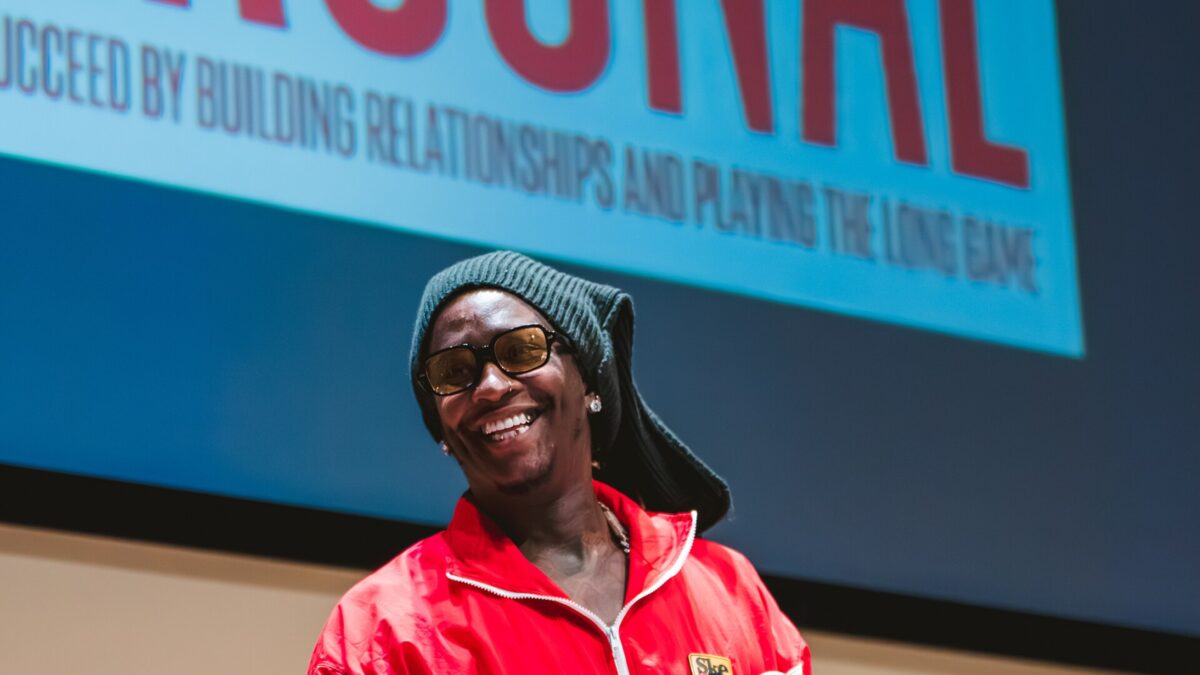
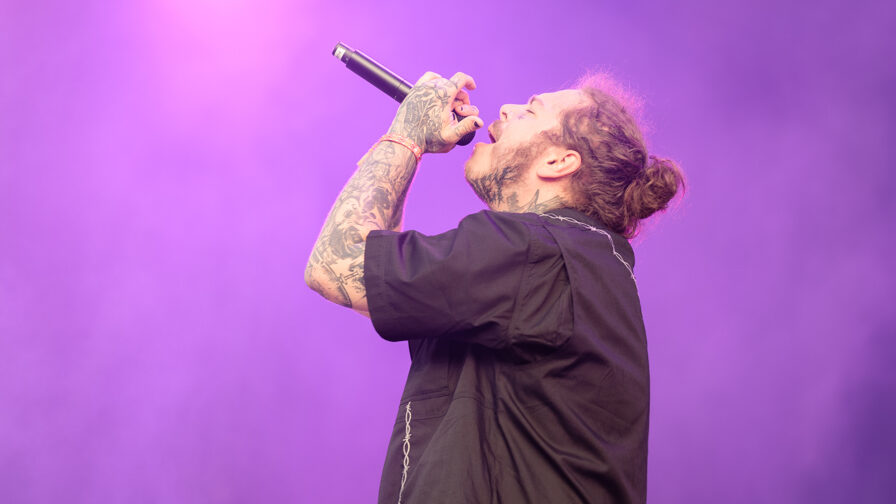
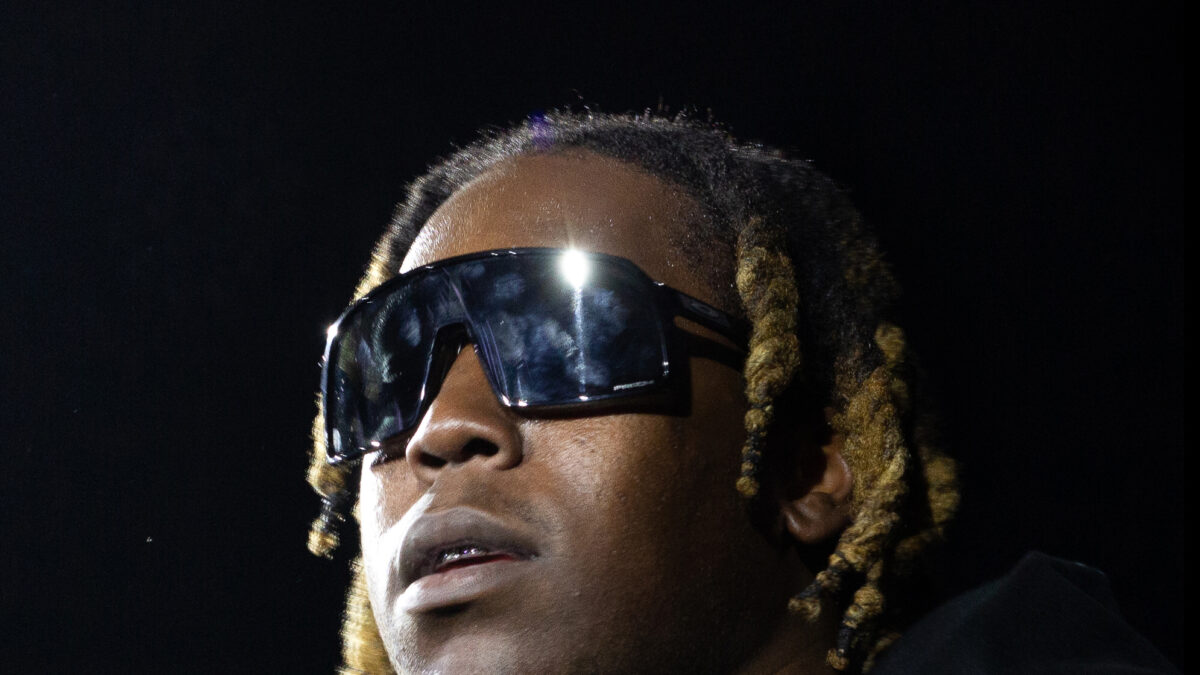
Featured photograph: Marcus Rasmussen, Young Thug at Florida International University, April 2026, via Wikimedia Commons, CC BY 4.0. Cropped and resized for publication.
Jason Soto is a HipHop enthusiast with love for everything generated by the culture. He fell in love with music during the first decade of his life and spent most of his teenage years as a DJ. He began to dabble in writing and rapping after being introduced to battle rap and found the art form to be extremely exciting and innovative. As an adult, his own personal interest has lead him to become a freelance columnist, a HipHop ghostwriter, and a cover art designer.


Leave a Reply