
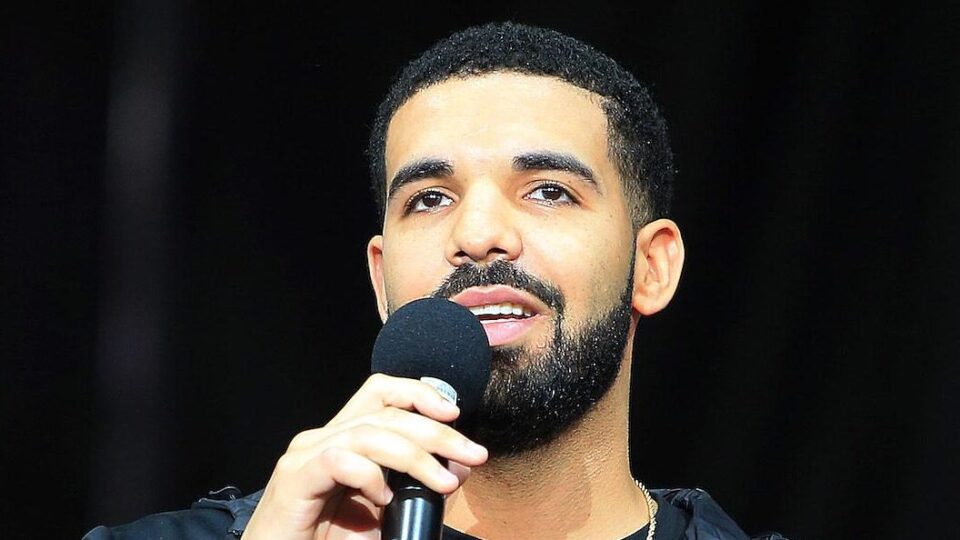
Drake is marking the approaching 15th anniversary of his landmark album Take Care by expanding access to “Hate Sleeping Alone,” a bonus track from the 2011 project that has long been difficult to find on some streaming platforms.
The song’s renewed distribution was reported Friday, Nov. 13, by Pitchfork, Complex and Hypebeast. The reports agree that the recording is not a newly recorded Drake song: It dates to the original Take Care era and was already available to Apple Music listeners. The news is its wider availability in the anniversary window.
What changed with “Hate Sleeping Alone”?
Complex and Hypebeast reported that the track was added to the deluxe edition of Take Care on Spotify, where it had previously been missing. Pitchfork likewise reported the song’s expansion to YouTube and other services, but its Nov. 13 account described Spotify as an exception. Because those contemporaneous accounts conflict, Raptology is not independently confirming the track’s Spotify availability without a direct platform check.
The distinction is important for listeners: “Hate Sleeping Alone” is archival material, not a surprise 2026 recording or an entirely new song. Its appearance on additional services is a catalog update timed to the anniversary, rather than the announcement of a new studio album.
Why the 15th anniversary matters
Released Nov. 15, 2011, Take Care helped establish the Toronto rapper’s blend of introspective hip-hop, melodic vocals and atmospheric production. The record’s enduring reputation makes the arrival of a previously platform-restricted bonus cut a noteworthy moment for fans who know the standard album but have not heard every track associated with its original release.
The anniversary falls amid another active year for Drake. Pitchfork and Complex reported that he released three albums on the same day in May: Iceman, Habibti and Maid of Honour. The rapper has also continued releasing collaborations and revisiting his catalog. Raptology previously covered the ongoing work of Young Money founder Lil Wayne, a central figure in Drake’s early rise.
For a broader look at Drake’s recorded career, albums and milestones, see Raptology’s history of Cash Money Records and the label’s influence on mainstream hip-hop.
Support independent hip-hop journalism
Help Raptology keep covering major rap releases, industry developments and the stories behind the music.
Why Take Care remains a landmark in Drake’s catalog
Released in November 2011, Take Care arrived during a period when Drake was helping change the emotional language of mainstream rap. The Toronto artist’s music moved easily between rapping and singing, and it treated loneliness, ambition, relationships and insecurity as subjects that could occupy the same space as bravado. That balance was not unprecedented, but the commercial reach of the album made it especially influential. For listeners who came of age during its original release, the record became a soundtrack to late-night drives, personal changes and complicated relationships.
Fifteen years later, the songs continue to invite debate because they capture an artist at a particular stage of his career. The project followed the momentum of Thank Me Later while pointing toward the larger pop-cultural presence he would eventually build. Its production favored atmospheric textures and spacious arrangements, creating room for the sort of introspective performances that had become part of Drake’s signature. The renewed availability of a bonus track gives listeners another piece of that period, rather than a wholly new direction.
A bonus track is not the same as unreleased music
The history of deluxe editions can be confusing because different markets and services often carry different versions of the same album. Physical editions, regional digital packages and later streaming updates may not have identical tracklists. A listener discovering “Hate Sleeping Alone” for the first time in 2026 could reasonably assume that it is a new recording, especially if a music platform presents it as a recent addition. The contemporaneous reporting, however, identifies it as material from the original Take Care sessions.
That distinction matters for accurate music journalism. An archival song can be new to a particular platform or audience without being newly created. The recording’s history is part of its appeal: it shows another angle of the creative period that produced the album. Describing it as a surprise new Drake single would inflate the release and misrepresent its place in the catalog. The more precise headline is about access, distribution and the anniversary of an established record.
The streaming era has changed how albums are remembered
When Take Care was released, listeners encountered music through a mix of physical purchases, downloads and the early stages of modern subscription streaming. Today’s audiences increasingly expect a definitive version of an album to appear on demand, complete with bonus recordings and deluxe additions. That expectation can clash with the reality of older distribution agreements and archival packaging. A version that was once limited to a particular service can feel missing to listeners who use another platform exclusively.
The addition of a bonus track highlights how streaming catalogs function as living archives rather than fixed historical documents. Metadata may be adjusted, artwork may change and additional recordings can appear years after the original release. Those updates create opportunities for new discovery, but they also complicate the history of what an album originally contained. Fans and critics should distinguish the 2011 tracklist from later versions when discussing the record’s creative legacy.
The role of atmosphere in the Take Care sound
The album’s lasting influence owes much to the relationship between voice and production. Drake’s conversational flow and melodic delivery fit instrumentals that emphasized space, mood and reflection rather than relentless intensity. Producers and collaborators helped develop a sound that allowed vulnerability to coexist with the polished presentation of major-label rap. The result resonated with audiences well beyond traditional hip-hop circles and helped make moody, confessional music a durable part of pop culture.
“Hate Sleeping Alone” belongs to that atmosphere. Its central emotional premise, suggested directly by the title, fits the larger album’s concerns about companionship, distance and success. It would be overstating the evidence to claim that one bonus song changes the meaning of an entire classic album. What it can do is deepen a listener’s understanding of the material Drake was exploring at the time. For longtime fans, returning to an overlooked track may be less about novelty than about revisiting a distinctive era.
Why the album’s 15th anniversary matters
Anniversaries can become easy promotional hooks, but they also provide a legitimate reason to reassess music that shaped a generation. Some albums achieve strong opening-week numbers and disappear quickly from cultural conversation. Others continue inspiring references, conversations and stylistic borrowings long after their release. Take Care belongs in the second category because listeners still return to its songs to understand the direction mainstream rap took during the early 2010s.
A catalog update timed to the anniversary encourages that reassessment without requiring a new album or a fresh cycle of invented speculation. Fans can compare different editions, revisit the original sequencing and consider how the additional track fits the work’s themes. That is a more useful conversation than treating every change on a streaming service as evidence of an unreleased project. At present, there is no verified announcement in the reviewed sources of a larger anniversary package beyond the specific bonus-track update.
Drake’s influence beyond one release
Drake’s career has included chart-topping albums, major collaborations and public controversies, but the influence of Take Care lies partly in its ability to make personal subject matter feel central to mainstream rap. The record helped normalize an artist moving freely between direct bars, melodic hooks and emotionally revealing songs within the same project. That approach is now common enough that younger audiences may not immediately recognize how distinctive the album sounded during its arrival.
Understanding that shift also means considering the business infrastructure around early Drake releases. His partnership with Young Money, Cash Money and associated distributors helped place a Toronto artist within a wider North American rap industry. Raptology’s history of Cash Money Records offers context for the label system that supported one of rap’s biggest careers. The later development of streaming changed how that music could be accessed and reintroduced to new listeners.
How listeners can approach the updated catalog
The most useful approach is to verify availability on the actual service a listener uses. Platform libraries can vary by territory, subscription status and the edition selected. The different reports about Spotify availability at the time of the rollout are a reminder that a publication should not claim universal access based on a single screenshot. A verified song listing on one service establishes availability there, not necessarily everywhere.
For fans who know the original album by heart, the track offers another chance to hear Drake’s early-career writing and production choices. For younger listeners, the anniversary is a good moment to explore the complete work and understand why its tone became so influential. Neither group needs a fabricated new release to find value in the music. The historical recording is enough to make the catalog update worth reporting.
What is confirmed, and what remains unclear?
The confirmed development is a renewed streaming push for an existing Take Care bonus recording ahead of the album’s 15th birthday on Sunday, Nov. 15. The song’s earlier Apple Music availability is documented by multiple outlets. Reports differ on whether Spotify’s catalog had already been updated when they published their articles Friday, so listeners should consult the platform directly for the latest availability.
No additional anniversary album, re-recording or previously unreleased batch of songs was established by the sources reviewed for this report. Any such release would require a separate announcement or independently verifiable listing.
Reporting sources: Pitchfork, Nov. 13, 2026; Complex, Nov. 13, 2026; Hypebeast, Nov. 13, 2026.

Raphael Fonge is a journalism graduate from Kennesaw State University, where he published several articles in the university’s newspaper. He has released multiple chapters of creative writing, with aspirations to work in the entertainment industry.
Raphael is a member of the KSU Film Club and the Society of Professional Journalists.




Leave a Reply