
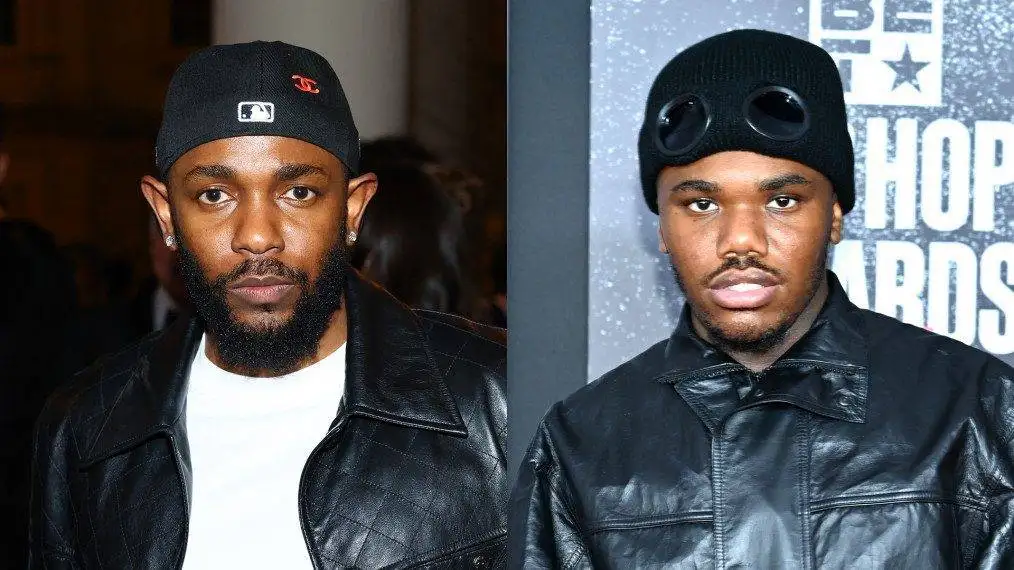
LOS ANGELES – A$AP Rocky and Baby Keem were among the prominent rappers missing from the 2027 Grammy Awards’ general-field nominations announced Monday, a result that renewed questions about how hip-hop is represented in the recording industry’s most visible awards races.
The Associated Press reported Nov. 16 that rap was absent from the album, record and song of the year fields despite high-profile 2026 projects by Rocky and Keem. Reuters separately reported that the leading nominations went to artists including Raye and Rosalía, with the top album contest dominated by pop and other genres.
The distinction matters: being absent from the general-field categories does not necessarily mean an artist received no Grammy nominations at all. The announcement also does not establish why voters favored other records, and the Recording Academy has not attributed the outcome to any single cause.
Rocky returned with Don’t Be Dumb in 2026, while Keem also released new material during the eligibility period, according to the AP’s coverage. Both artists have substantial profiles in contemporary rap, making their absence from the highest-profile races notable even in a year with a crowded field of releases.
According to Reuters, Raye led the nominations with 11, followed by Rosalía with nine. The awards are scheduled for Feb. 7, 2027, in Los Angeles. Those figures and the ceremony date were reported Monday and remain subject to the Recording Academy’s official record.
The Grammy Awards recognize rap in genre-specific categories, but the general-field contests carry broader visibility across music audiences. The omission of rap recordings from the three major music categories is a measurable outcome of this year’s nominations, not proof of an organized effort to exclude the genre.
For context on Rocky’s recent work, see Raptology’s Best Rap Albums of 2026 So Far and its earlier coverage of Rocky’s collaboration with J. Cole.
What the 2027 Grammy nominations actually show
The Recording Academy announced the 2027 nominees on November 16, putting dozens of categories into the public spotlight. The biggest headlines focused on the artists competing for album, record and song of the year, the high-profile general-field awards that cut across genre lines. Those categories drew particular attention because they did not feature a rap album or recording among the main nominees. That is an observable result of the ballot, but it should not be mistaken for an absence of rap throughout the ceremony. The genre-specific competitions still recognize a range of hip-hop performers and records.
The official Grammy nominations list is the most reliable reference for determining where particular artists appear. News stories about perceived snubs can simplify the results by combining entirely different categories. A record missing from album of the year might still be nominated for best rap album or another award. In Baby Keem’s case, the official list includes “Good Flirts,” his collaboration with Kendrick Lamar and Momo Boyd, in the rap field. Describing him as completely excluded from the Grammys would therefore be wrong.
A$AP Rocky’s return carried major expectations
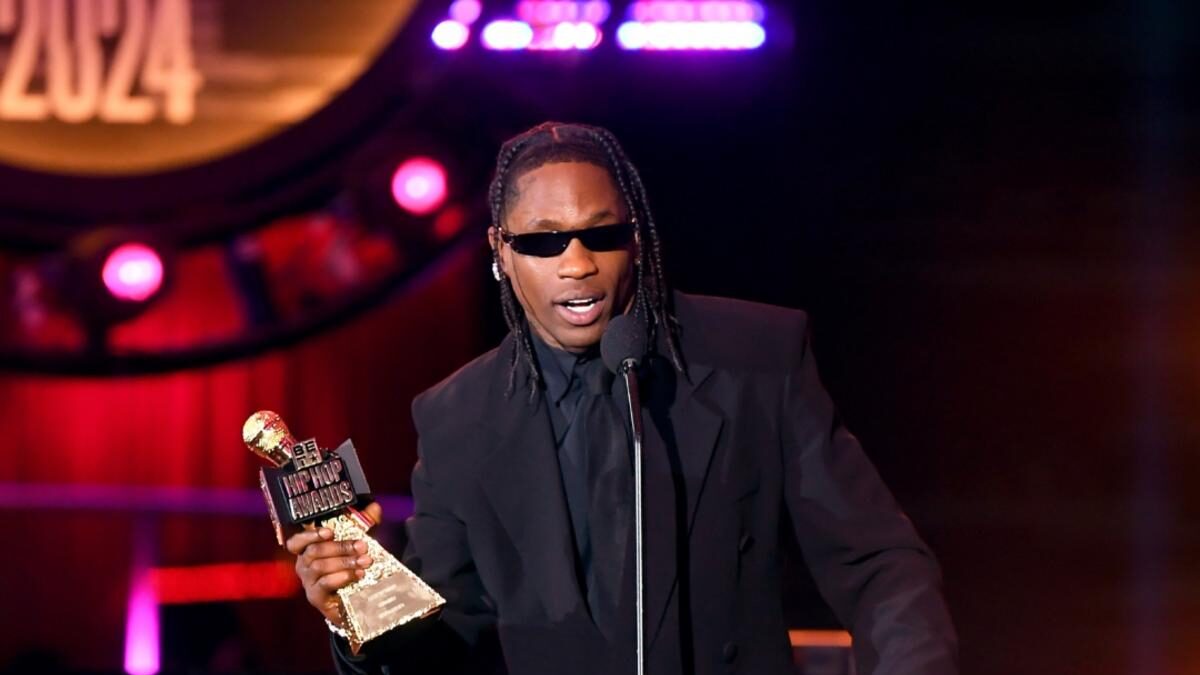
A$AP Rocky’s Don’t Be Dumb arrived after a long gap between solo studio albums, making the release a significant event for listeners who have followed his career since the early 2010s. Rocky’s influence also extends into high fashion, visual presentation and the way New York rap culture interacts with luxury branding. Those overlapping identities can make an album feel like a major cultural moment even before its reception has been measured by awards voters. They do not, however, guarantee a nomination in the Recording Academy’s general field.
For Rocky, the absence is particularly notable because he occupies a distinctive place in contemporary hip-hop. His music draws on Harlem street style, Southern influences, psychedelic textures and a fashion-forward visual world. His fans may regard the album as an important artistic statement irrespective of Grammy recognition. That perspective can coexist with the narrower factual conclusion that the record was not selected for the general-field contests. Awards are one form of industry assessment, not a comprehensive ranking of musical value.
Baby Keem’s case requires more precision
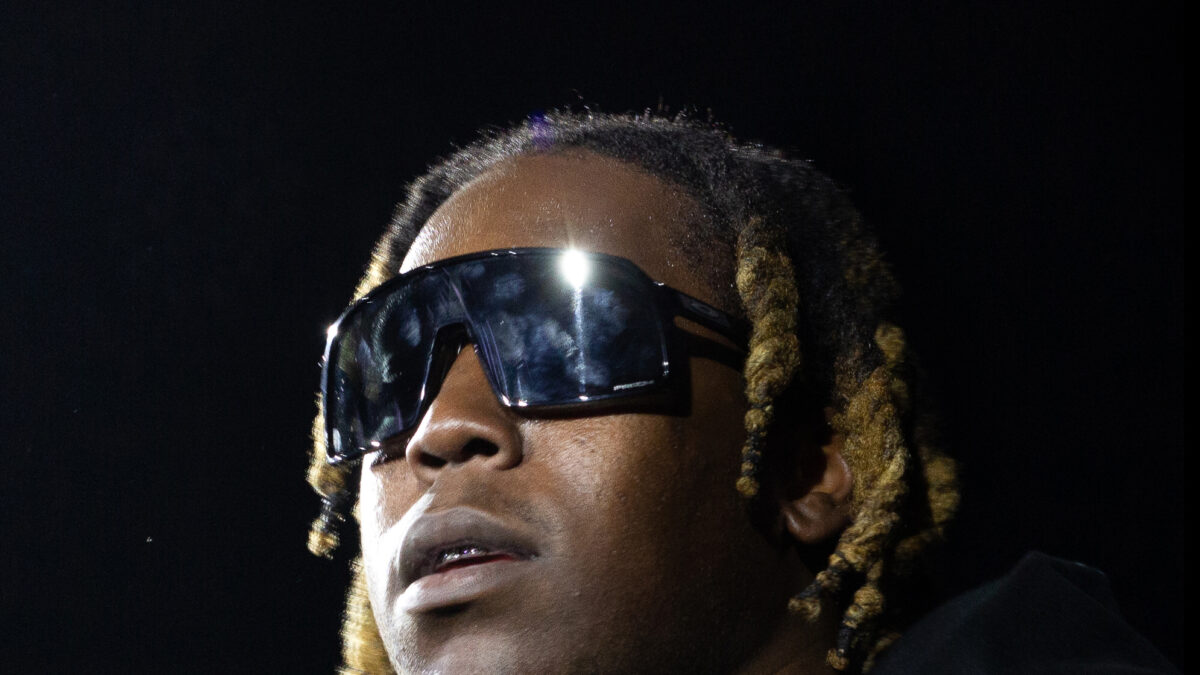
Baby Keem entered the conversation through his Ca$ino project and the wider visibility of collaborations with Kendrick Lamar. His writing and production choices differ from Rocky’s, but both artists generated substantial interest during the 2026 eligibility period. The Associated Press specifically identified Keem’s project when discussing records missing from the major all-genre contests. The article’s headline does not mean he received no recognition elsewhere on the ballot.
The official Grammy list demonstrates why careful wording matters. Keem’s presence on “Good Flirts” alongside Kendrick Lamar and Momo Boyd gives him a place among the genre-specific nominees. The disappointment, for observers who expected more, concerns the highest-profile general-field races. A report that collapses all categories into one would mislead readers about the artist’s actual position. That kind of accuracy is especially important for a music publication that aims to serve fans tracking their favorite performers’ careers.
Why the general field matters to hip-hop
Album, record and song of the year attract attention far beyond the audience for any particular genre. They are also often the awards most widely discussed in television recaps and the next day’s mainstream headlines. A nomination in those fields can introduce an artist’s work to listeners who do not normally follow rap closely. That visibility is valuable even though a nomination does not automatically determine streaming performance, touring demand or long-term influence.
Hip-hop has spent decades moving from a regional cultural movement to a dominant force in recorded music. The history of that expansion includes moments when rappers celebrated major Grammy breakthroughs and moments when artists openly questioned whether the awards reflected their artistic contributions. The 2027 nominations fit into that long-running debate. They provide fresh material for discussion, but the ballot alone cannot establish how individual voting members evaluated every eligible recording or why a particular nominee prevailed over another.
Genre awards still tell a different story
Some of the most important hip-hop achievements recognized by the Recording Academy happen outside the three general-field music categories. Rap performance, rap song and rap album awards allow voters to compare work within a more specific creative field. These categories matter to artists, producers, songwriters and audiences who understand the technical and cultural distinctions between different kinds of rap records. They should not be dismissed simply because the television broadcast devotes more attention to other awards.
There are also limitations to treating genre categories as a substitute for broader recognition. An album can define a year for its listeners while remaining absent from the major categories, creating a gap between audience priorities and industry voting. The degree of that gap depends on the year and the specific releases involved. Reporting should identify the recordings and categories at issue rather than declaring that an entire genre was either embraced or rejected. That approach produces a more useful conversation than an unsourced accusation about the motives of thousands of voters.
The fashion and street-culture influence behind Rocky’s profile
Rocky’s cultural visibility illustrates why Grammy debates often feel bigger than award eligibility. His Harlem roots and extensive involvement with fashion have helped connect rap with luxury labels, runway aesthetics and streetwear trends. For younger fans, those visual contributions can be as memorable as a particular album campaign. A performer who influences how people dress, shoot videos and present themselves may possess cultural significance not captured by a narrow awards comparison.
That does not mean a Grammy ballot is designed to measure fashion influence. The awards recognize eligible recordings and the work involved in making them. The distinction explains some of the frustration around high-profile omissions: audiences may be responding to an artist’s entire cultural footprint while voters are asked to consider specific musical releases. The two evaluations overlap but are not identical. Rocky’s absence from major general-field categories makes that difference especially visible.
What the nominations can and cannot prove
The absence of particular albums from the top races proves only that they were not nominated in those races. It does not prove that voters coordinated to exclude rap, that the artists submitted identical materials or that every eligible voter listened to the same recordings. Those claims require evidence not provided by the published nominee list. The Academy’s public process involves peer voting, and its official materials describe eligibility rules and the categories in which music competes. Criticism of the results can be forceful without attributing unverified motives to people involved.
Likewise, an artist’s audience should not be treated as irrelevant simply because the Grammy nominations differ from popular expectations. The results are an industry judgment within a defined system. They are not the only way music develops lasting value. Sales, streams, live performances, critical reception, influence on other artists and the cultural memory of listeners all provide different forms of evidence. An album may be important for one of those reasons while receiving little attention in an awards cycle.
What to watch before the February ceremony
The 2027 Grammys are scheduled for February 7, and the final results will offer another opportunity to assess which artists and records received recognition. Until then, the most useful approach is to compare the official nominee list with verified coverage of the artists’ releases. Public comments from nominees or Academy representatives may add information, but reporting should distinguish those statements from speculation circulating among fans. There is no reason to invent behind-the-scenes explanations for the ballot.
Raptology’s coverage of the year’s rap albums offers one perspective on the music itself, while our report on A$AP Rocky’s collaboration with J. Cole illustrates the wider conversation surrounding his work. Readers can also consult the Recording Academy’s official list rather than relying on fragments of a televised nomination announcement. The key point is that attention to the music need not stop where the major award categories begin.
Sources: Associated Press, Nov. 16, 2026; Reuters, Nov. 16, 2026.
Support Independent Hip-Hop Journalism
Help Raptology keep reporting the stories that matter to rap culture.

Imo Wimana Chadband, known to the creative world as Wimana, is a music enthusiast, songwriter, poet, author, and screenwriter, with 10+ years’ experience working in the creative world.
His love for hip-hop/rap music and writing was discovered in his years at High School, and the rest is as they say, history. Wimana’s passion for journalism and writing would lead to him releasing several creative projects personally, as well as provide writing services professionally for clients globally.
He has written and curated content for various blogs and websites with his unique writing style, and continues to expand his arsenal to give readers the best experience through his work.


Leave a Reply