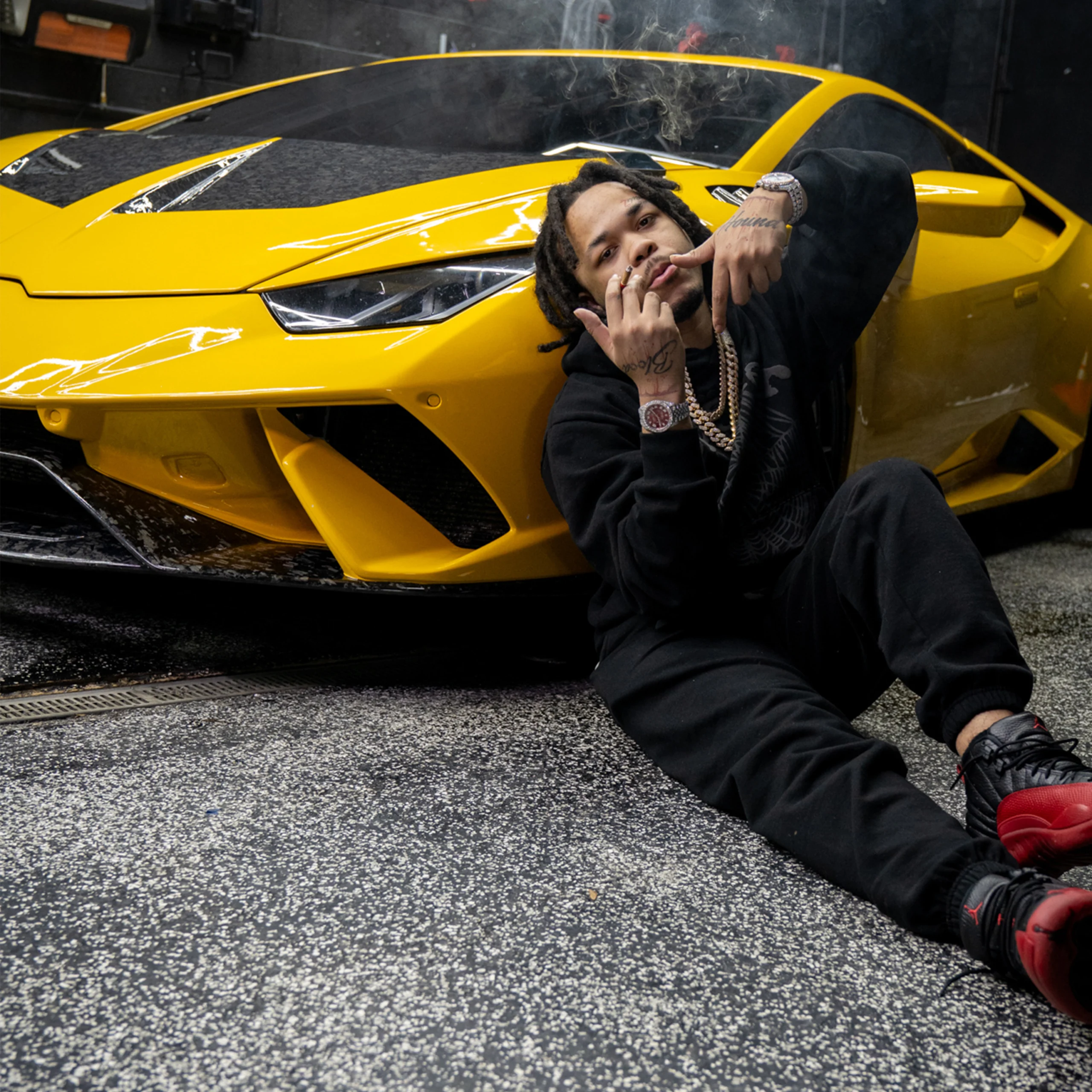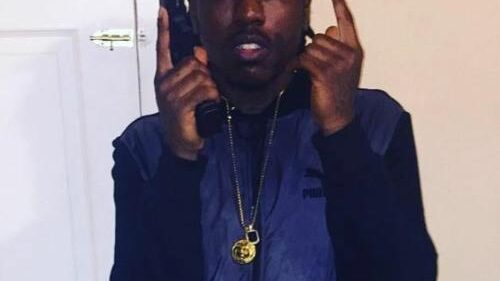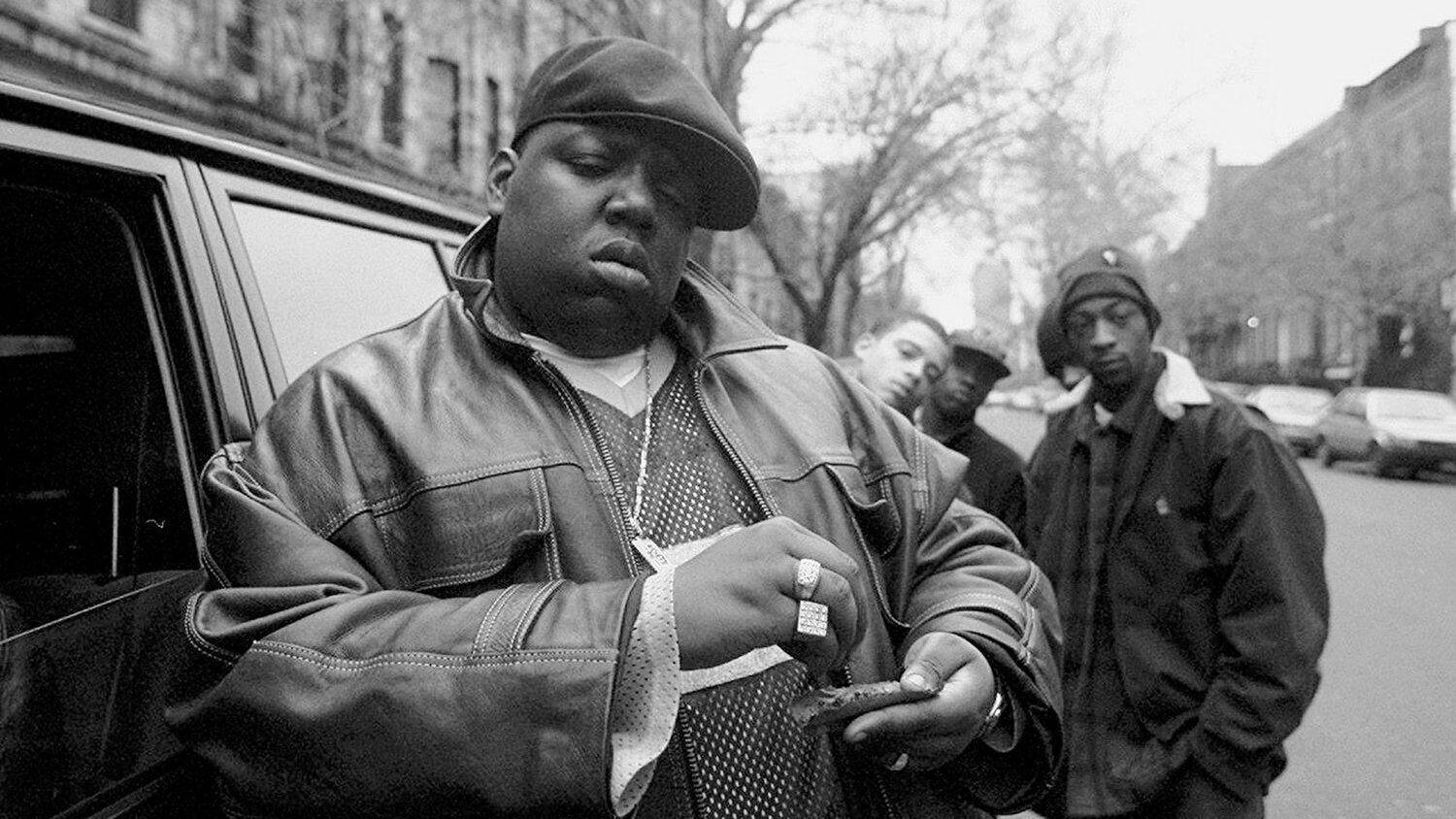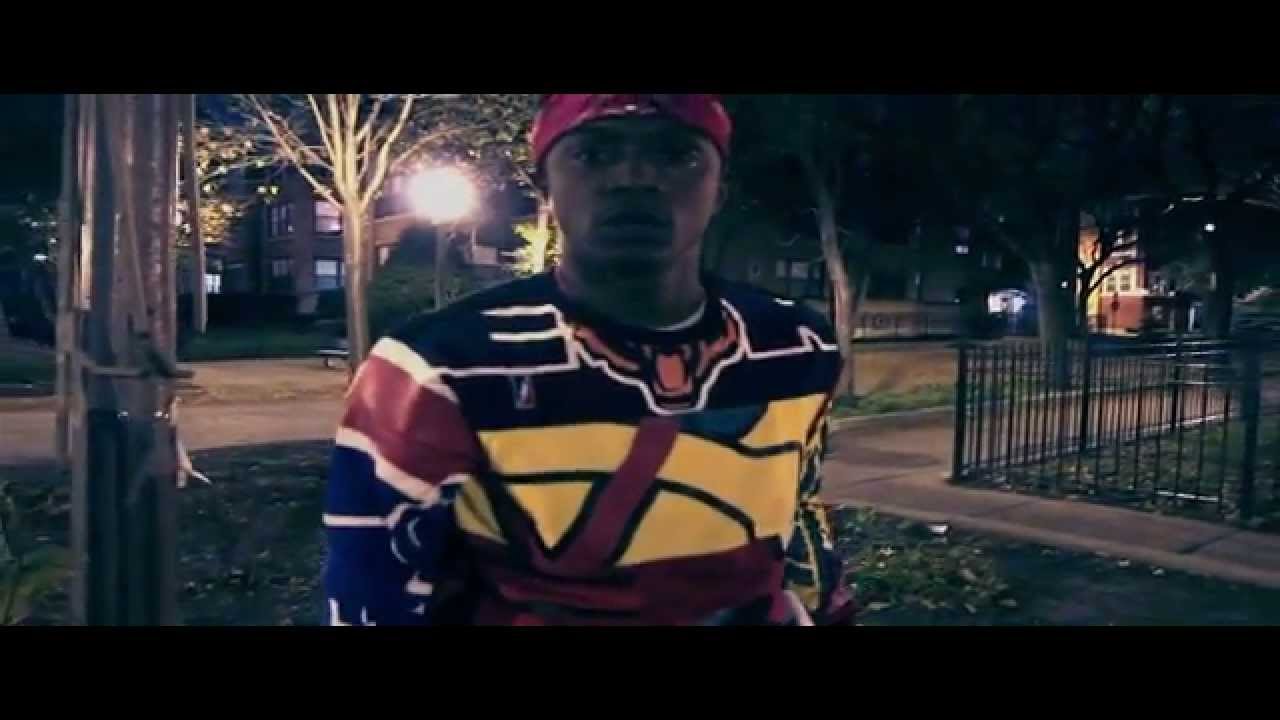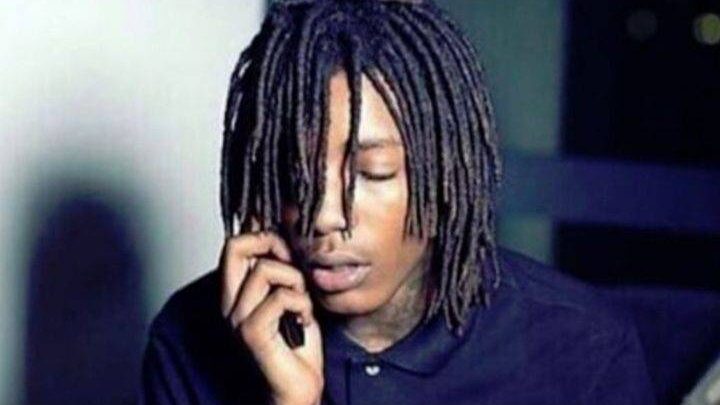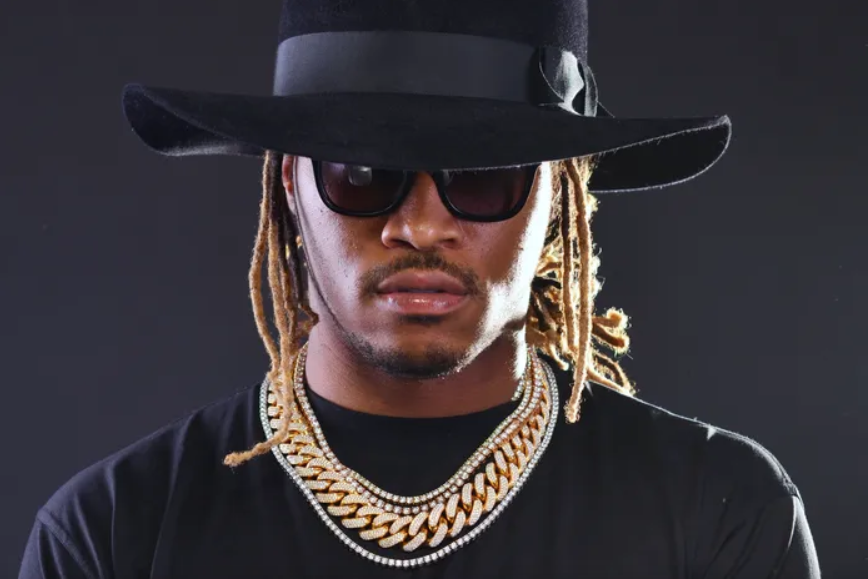

FYB J Mane built a second career out of the very Chicago drill history that first brought him attention. The rapper and internet personality became known for sharp-edged records, loud interviews and catchphrases such as “It Hit Different,” before increasingly making peace-making and humor central to his public image. The evolution has unfolded in front of an audience that knows the names, neighborhoods and losses of Chicago drill. This updated profile separates J Mane’s own accounts of his life from independently reported facts, tracing how a controversial voice developed into a recognizable media personality.
Before the catchphrases
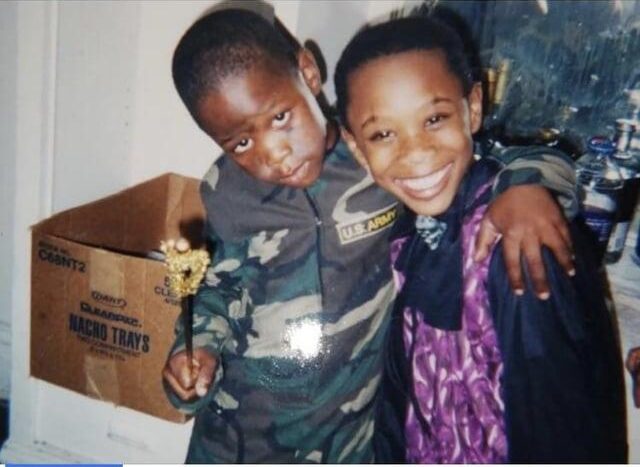
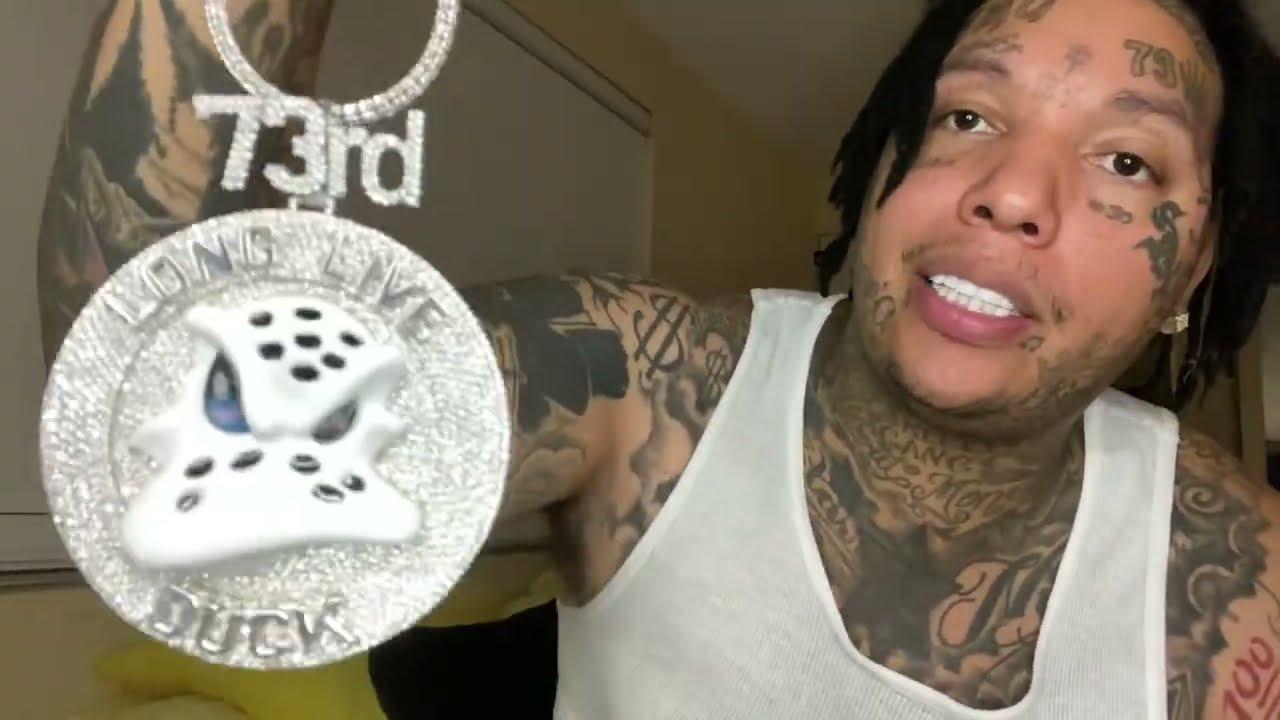
In interviews, J Mane has described growing up around people who would later become prominent in Chicago drill, including FBG Duck, G Herbo, Lil Bibby and Lil Reese. His reflections are valuable as a firsthand perspective on the music’s early social circles, although personal recollections should be attributed to him rather than presented as corroborated histories of every event. In a 2024 VladTV interview, he revisited those connections and discussed the conflicts that shaped his music. The story of Chicago drill is inseparable from the relationships that existed before anyone was a viral artist.
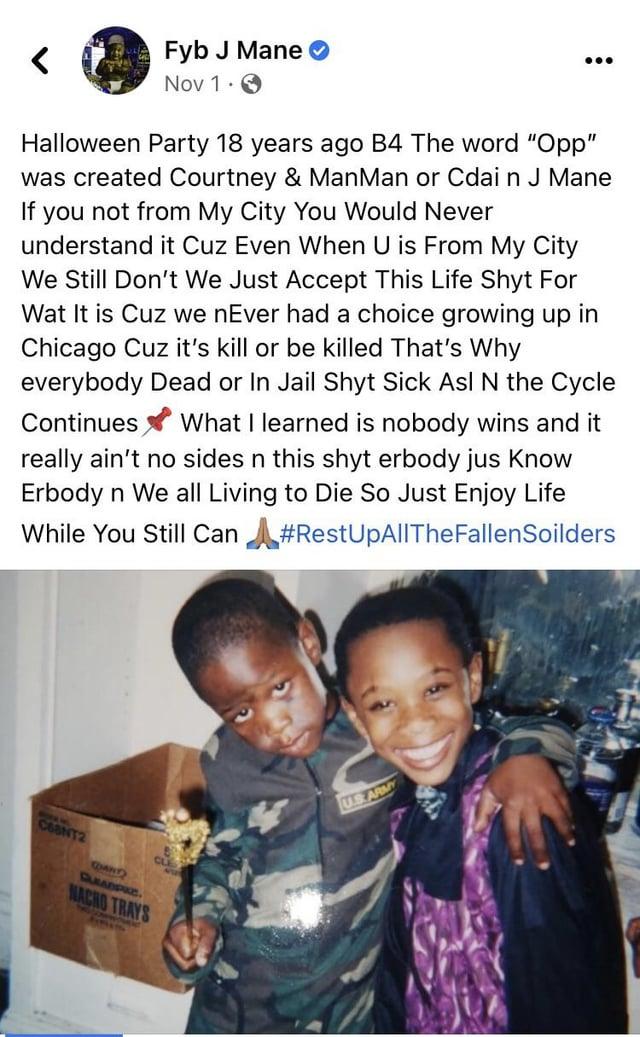
Chicago’s early drill scene was powered by artists who recorded locally and used the internet to reach audiences outside the city. J Mane’s accounts of his upbringing place him close to that environment. But the most dramatic details about childhood disputes or alleged neighborhood affiliations often come from interview anecdotes rather than public records. What can be said with confidence is that he built his public identity around a city whose music, losses and rivalries had become a national conversation.
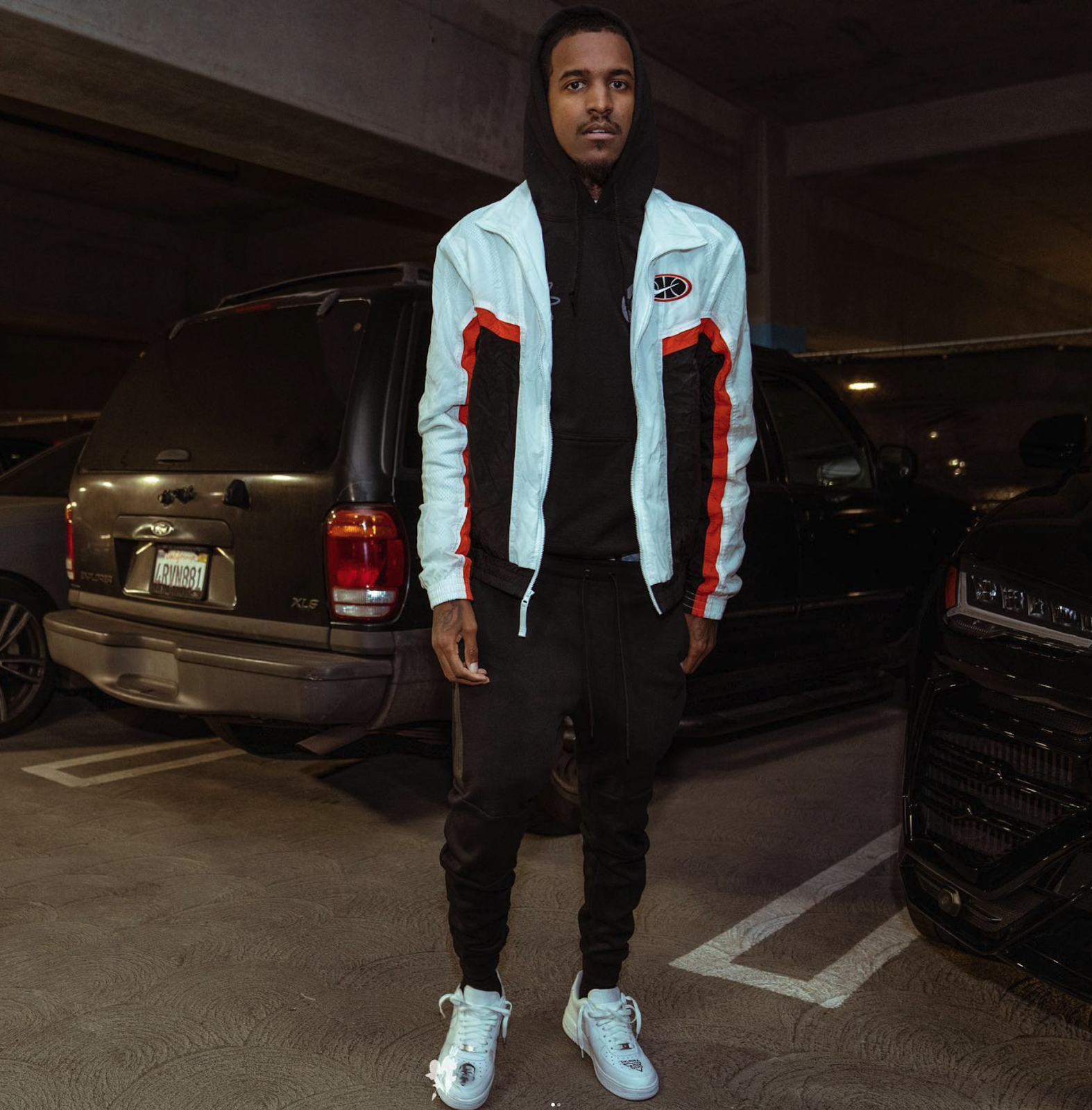
The Lil Reese connection became an especially visible talking point in J Mane’s interviews. He has discussed their relationship, while other participants have publicly disputed aspects of his recollections. The sensible editorial approach is to identify those statements as competing personal accounts, not to resolve them on the strength of viral clips. Such disagreements illustrate how Chicago drill’s audience came to treat private histories almost as part of the music itself.
J Mane’s early work leaned into the language and antagonism of the drill movement. Rivalry was a recurring subject, and records were often interpreted by listeners as statements about real disputes. That is a meaningful part of the period’s music history, but the interpretation of a bar is not proof that an artist participated in violence. Stories about specific shootings require independent verification, even when the musician is discussing them publicly.
The BDK era and early records
One of J Mane’s most discussed early chapters involved the BDK material associated with Chicago drill’s factional disputes. In a November 2024 interview with VladTV, he described working with Billionaire Black on a BDK track and acknowledged the influence of Lil JoJo’s earlier record. Those statements clarify the musical lineage behind the song without requiring an assumption about anyone’s involvement in criminal activity. For context on that earlier chapter of drill, see Raptology’s Lil JoJo documentary.
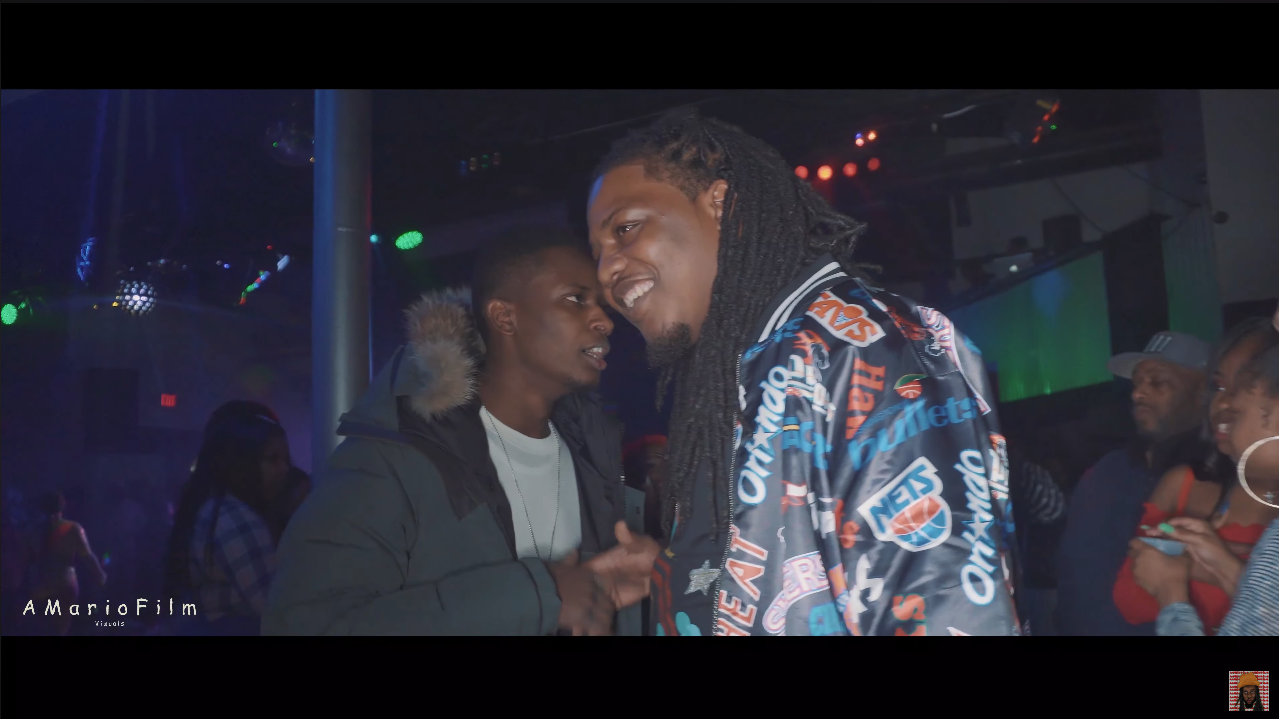
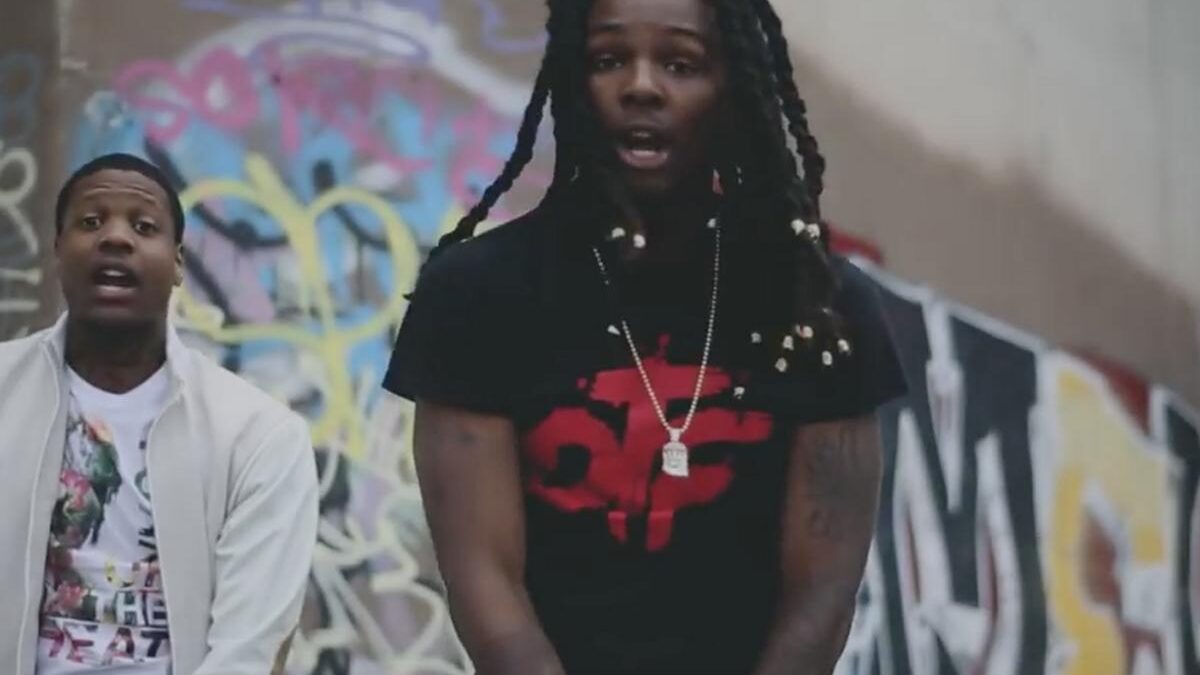
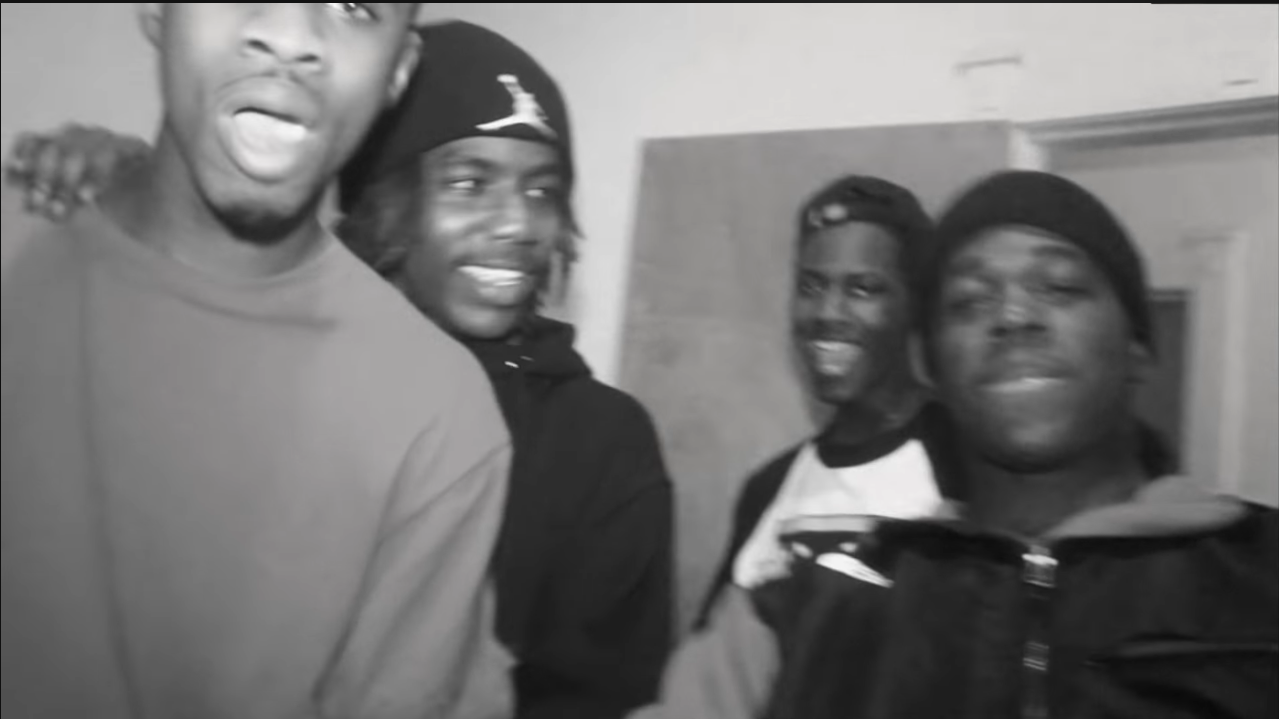
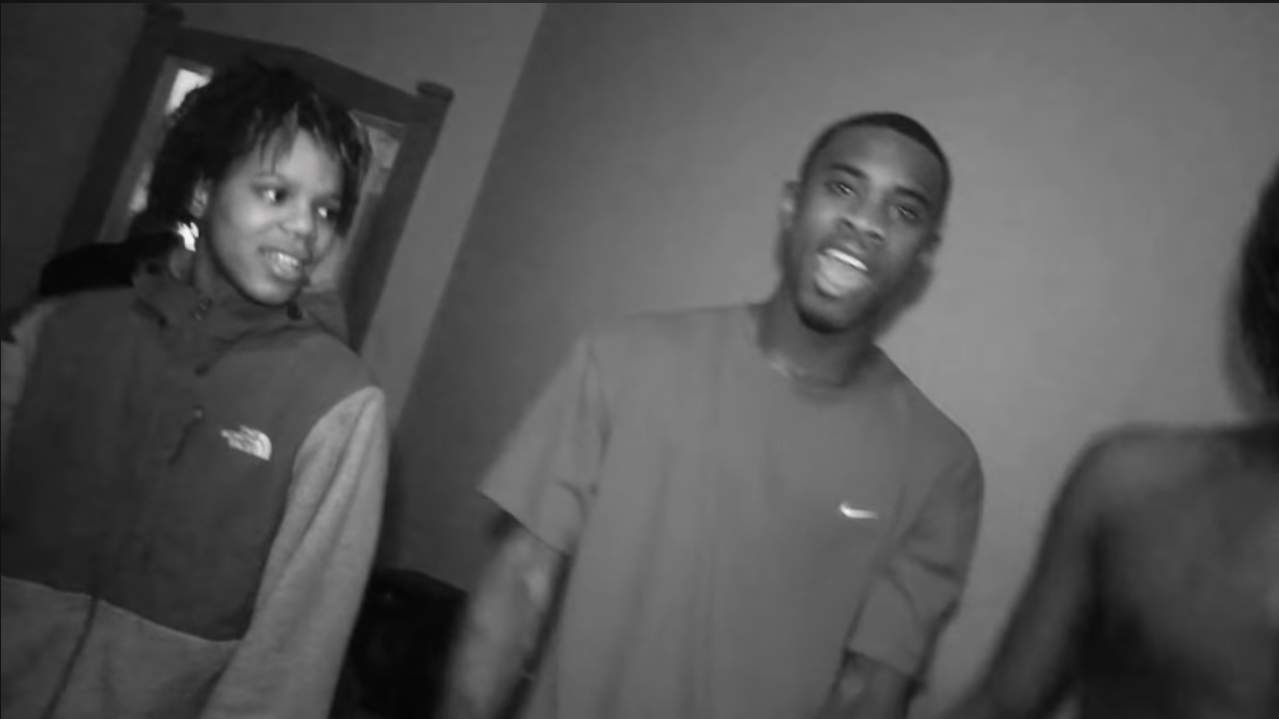
J Mane’s records and interviews frequently referenced other recognizable Chicago figures. That approach attracted listeners because the references felt immediate to those familiar with the local history. It also made his work controversial, particularly when the language targeted people who had died. The significance of the records lies partly in how they reveal the tensions between musical performance, neighborhood loyalty and public grief. The songs can be discussed as cultural artifacts without accepting their most confrontational lines as verified accounts of specific acts.
When controversy became a public identity
The audience for Chicago drill often treats an artist’s public disputes as a running narrative. J Mane’s name appeared in that world through music, online exchanges and later interview stories. Some claims about confrontations involving other artists have been repeated widely, but the source of a claim is important. A statement made by J Mane in an interview documents what he said; it does not independently establish every detail of the incident he describes. That distinction is essential in recounting allegations of violence or serious misconduct.
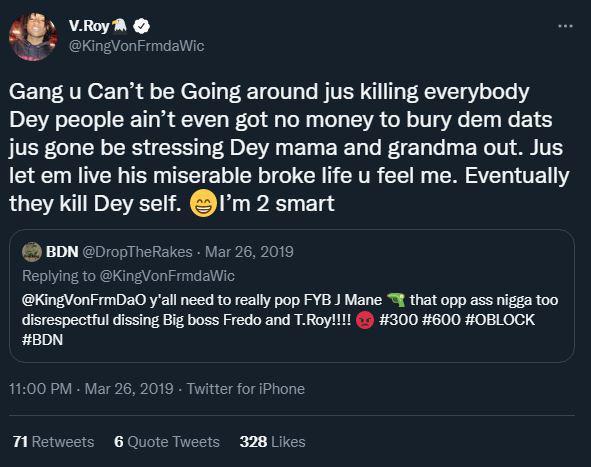
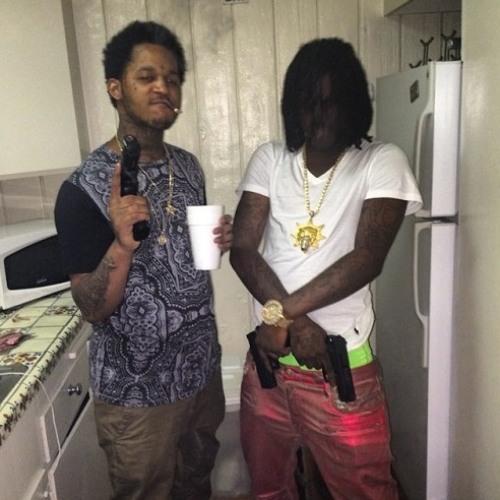
Public exchanges involving Chief Keef, Lil Reese, King Von and other Chicago personalities helped shape the mythology around J Mane. Over time, that mythology sometimes overtook the music itself. Listeners interested in the broader history can explore Raptology’s Chicago drill overview. The purpose of connecting these stories is to explain the shared cultural environment, not to imply that every artist mentioned was responsible for a particular incident.
Revisiting the damage caused by diss culture
Years after the most confrontational phase of his music, J Mane publicly addressed how insulting people who had died could affect their relatives. In a December 2024 VladTV interview, he spoke about apologizing to the mothers of people he previously disrespected in records. It was a notable change in tone for a personality whose earlier visibility depended partly on provocation. The apology is documented as his public statement; how others received it is a separate question that should not be assumed.
J Mane has used interviews to revisit disputes, childhood friendships and experiences in the Chicago scene. His willingness to talk openly is part of what attracts an audience, though it also creates an editorial challenge: serious claims must still be attributed and verified. When a musician recounts a confrontation or describes another individual’s behavior, the account should be framed as that speaker’s perspective unless an independent source confirms it. The distinction is particularly important where earlier narratives assigned blame for shootings or killings.
The evolution of his persona reflects a broader shift in hip-hop media. Artists no longer have to rely solely on music releases to keep a public profile. Interviews, livestreams, humor and recognizable catchphrases can turn a performer into a commentator with an audience of his own. J Mane understood how to keep a conversation moving, even when the conversation was about his own contradictions. The result was a visibility that stretched beyond Chicago’s original drill audience.
From rapper to interview-circuit personality
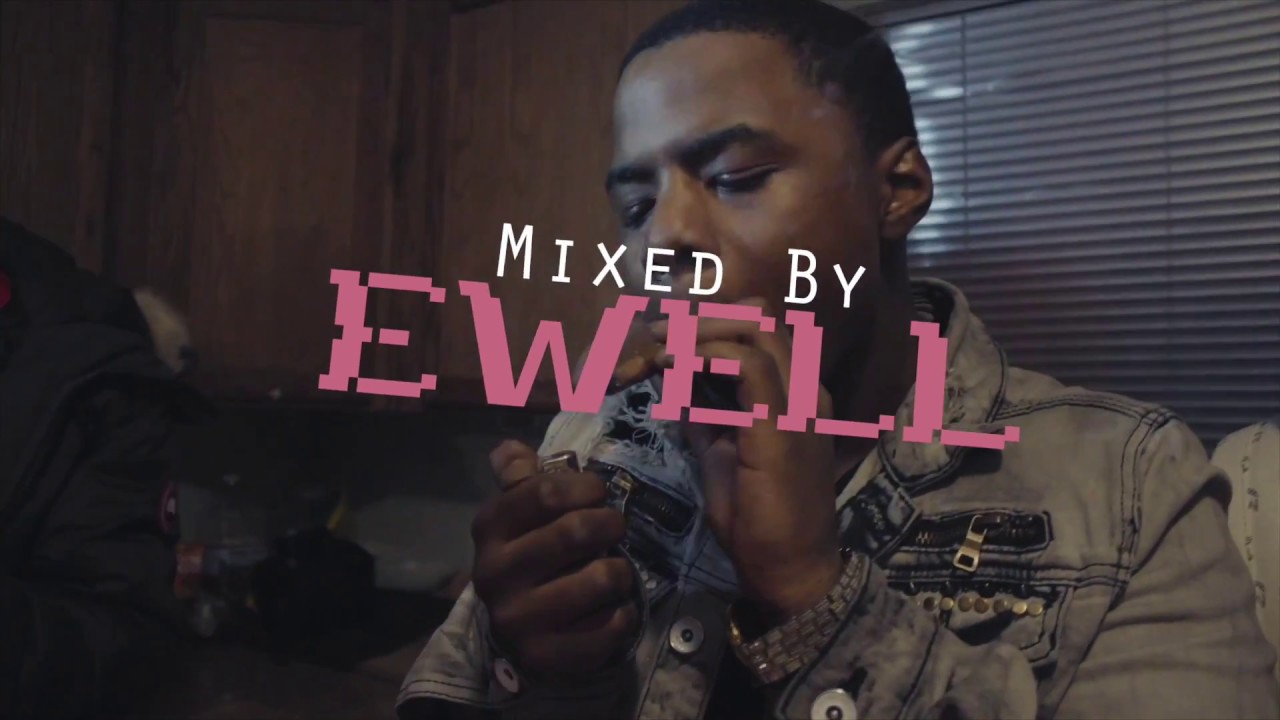
By 2024, J Mane was a familiar presence on rap interview platforms, where his speech, humor and references to drill history became part of his signature. Long-form conversations allowed him to tell stories that a short music video could never fully contain. They also made it easier for audiences to hear his position on old rivalries and the question of whether people associated with opposing circles could publicly reconcile. His later interviews are primary sources for what he has said about himself, not blanket verification of every claim he makes about someone else.
The push for peace was not free of controversy. People familiar with Chicago’s history questioned whether highly public gestures could change deeper relationships built over years of loss. Others welcomed the idea of an artist turning influence toward reconciliation. Both reactions are part of the story. A movement built through interviews and public encounters has to be assessed by what actually happens, rather than by a slogan or the size of a viral clip.
Pushing peace in front of the cameras
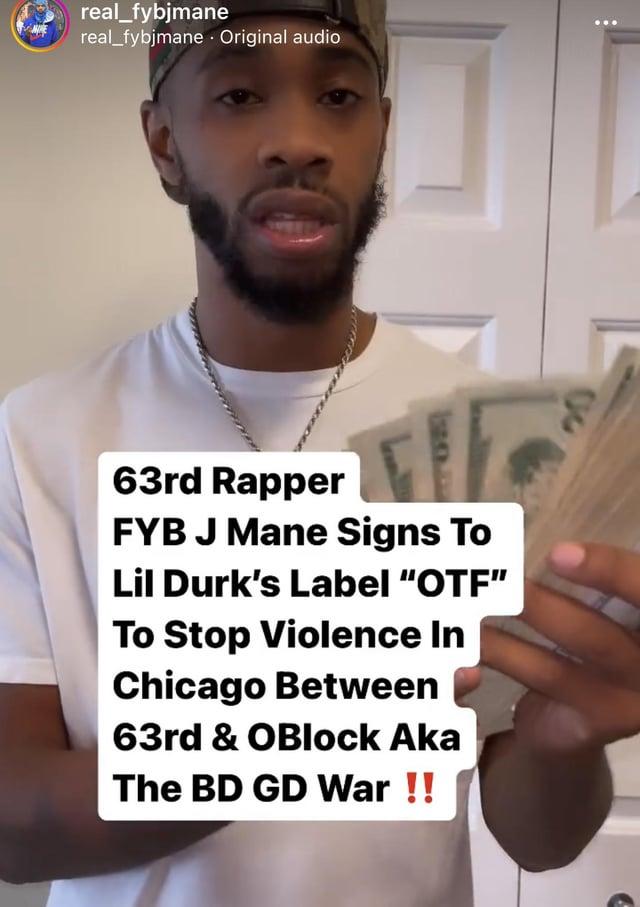
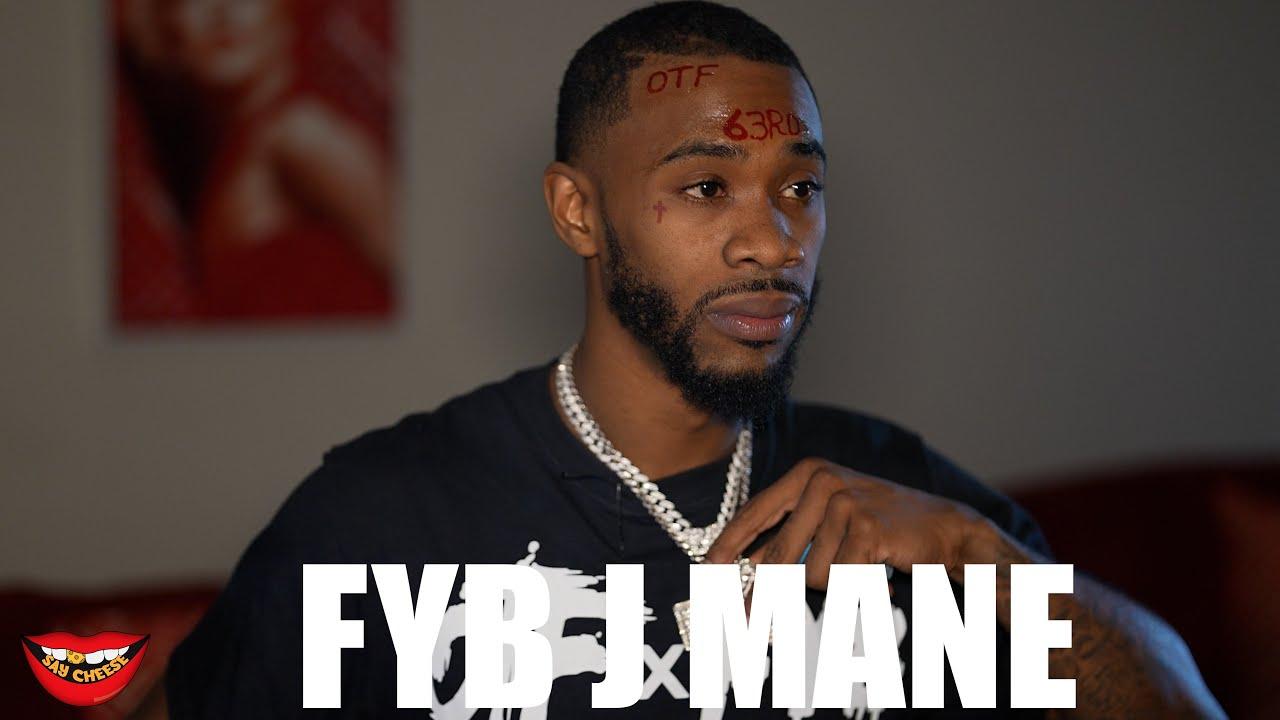
J Mane’s later interviews included discussion of reconciliation, his interactions with Lil Durk and the difficulty of crossing old divisions. In a 2024 VladTV segment, he described Durk bringing him onstage in Chicago despite their history around a BDK record. It was a striking example of how the public relationship between musicians could evolve. The account remains J Mane’s recollection of the moment, but his decision to discuss it openly is itself part of the shift in his public image.
The same instincts that made J Mane a recognizable interview guest also made his catchphrases and merchandise part of the entertainment. “Whoops” became more than a verbal habit, appearing in discussions of cereal and branded promotions. In a No Jumper interview, the cereal and his comedic approach were recurring topics. Those moments show how an independent personality can move between music, content and commerce, building an audience without depending on a traditional label rollout.
The business of being FYB J Mane
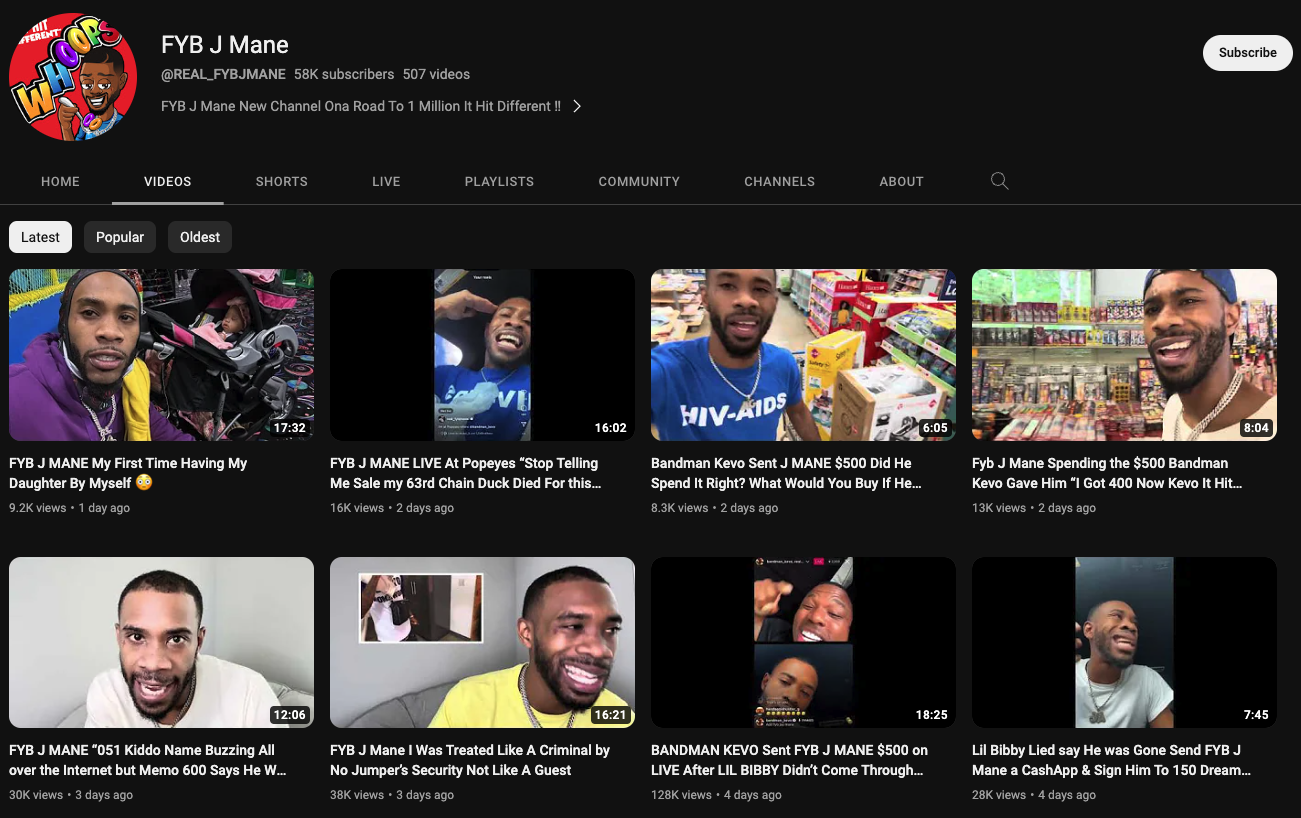
J Mane’s transformation illustrates the economics of independent hip-hop attention. An artist can turn a repeatable phrase into a recognizable identity, then carry that identity into interviews, short-form video and merchandise. The strategy also carries a risk: when every clip is designed to provoke a response, audiences may struggle to distinguish comedy from an actual statement of intent. The strongest version of the brand is one that keeps the humor while making its factual claims and commercial partnerships transparent.
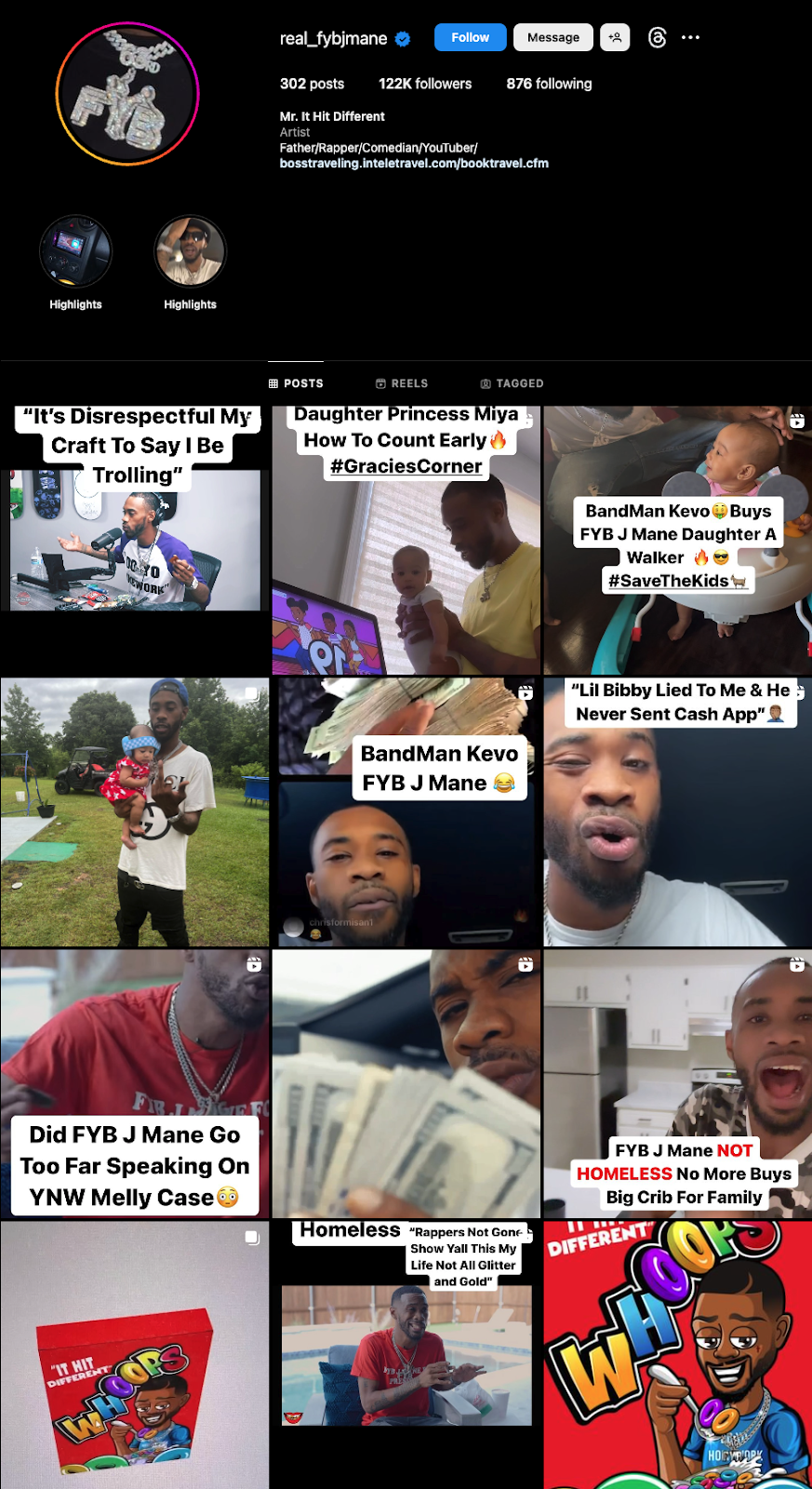
Internet stories about J Mane’s finances, properties and relationships have sometimes been presented with more certainty than the available evidence supports. Social-media announcements can demonstrate what a person chose to share publicly; they do not independently establish ownership, income or the full story behind a financial turnaround. What can be observed is the shift in the kinds of appearances and promotional ventures associated with his name, from street-oriented drill content toward a wider entertainment persona.
Why this story still matters
FYB J Mane’s career sits at the intersection of three trends that have shaped modern rap: the rise of drill, the power of viral interviews and the commercialization of an individual creator’s persona. His transition from provocative records toward humor and public discussions of peace does not erase his past. It does show that a public identity can change as an artist finds new ways to reach people. That possibility is worth examining without turning personal recollections into a police report or mistaking a slogan for measurable community change.
J Mane remains a useful case study in how a Chicago rapper can develop a recognizable media identity outside conventional label structures. His story is connected to the broader drill landscape documented in Raptology’s Chicago drill history and its 051 Melly retrospective. The primary interview sources linked above help establish what J Mane has said about his career and relationships, while leaving uncorroborated allegations explicitly unresolved.
Chad is an Atlanta-based music journalist with a deep passion for hip-hop culture and the stories behind the music. Inspired by the city’s influential sound and creative community, he brings an authentic perspective to artist interviews, music coverage, and cultural commentary. Through his work, Chad champions emerging talent, honors hip-hop’s legacy, and documents the artists shaping its future.