
In modern rap, some artists explode because the machine gets behind them. Others force the machine to notice. 42 Dugg has always felt like the second kind. His rise did not come wrapped in polish or industry grooming. It came out of Detroit pressure, East Side survival, a voice that sounded immediately different, and records that felt less like performances than coded dispatches from somebody who had already lived too much too fast.
By the time much of the mainstream audience first heard him whistling his way into records with Lil Baby, 42 Dugg already carried years of weight in his story. Prison had shaped him. Detroit had sharpened him. And once his name finally broke through outside Michigan, the success came fast enough to change his life, but not cleanly enough to erase the problems stalking it.
That is what has always made 42 Dugg compelling. His music doesn’t sound like a fantasy of the streets. It sounds like somebody trying to outrun what the streets, the courts, and his own past keep placing back on his shoulders.
Detroit Made Him
Before the national features, before the plaques, before the co-signs, 42 Dugg was Dion Marquise Hayes from Detroit’s East Side, a place where reputation matters, where pressure can arrive young, and where a lot of talent never gets the time or freedom to fully develop. His earliest story is inseparable from incarceration. He has spoken openly about writing his first raps while locked up, turning boredom, anger, and isolation into something that eventually gave him direction.
That detail matters because it explains the emotional tension in his music. There is hunger in it, but also claustrophobia. Even when the records are celebratory, they often feel like they were built with one eye over the shoulder. 42 Dugg’s best songs don’t just flex survival. They sound like survival was the tuition.
Once he came home and started recording seriously, the rawness of his delivery stood out immediately. Detroit rap has long prized specificity, grit, and a refusal to soften what life looks like. Dugg fit that lineage, but he also brought something else: a strained, melodic urgency that made his verses hit like a warning and a confession at the same time.
Need press for your music?
Get featured on Raptology and put your release in front of rap fans, artists, and industry readers.
Submit Your MusicThe Dice Game That Changed Everything
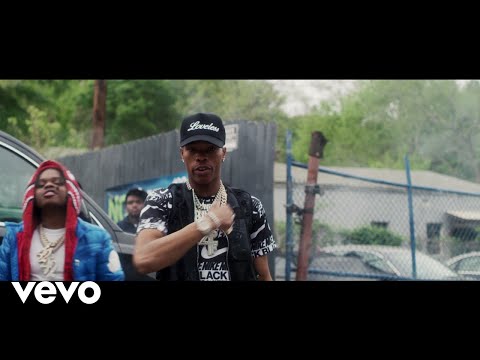
Plenty of rap stories get mythologized after the fact, but 42 Dugg’s connection to Lil Baby has one of those origin stories that actually sounds cinematic. After building local buzz with records like “The Streets,” Dugg ended up around Lil Baby through Detroit circles, and the relationship reportedly took shape after they shot dice together. It sounds almost too perfect for a rap biography: one meeting, one real conversation, one star recognizing that another artist had something undeniable.
Lil Baby didn’t just hop on a song and keep moving. He invested. That mattered. In rap, co-signs get handed out every day, but loyalty is another currency entirely. Baby’s support helped bring Yo Gotti into the picture, and before long 42 Dugg had landed one of the most notable joint situations of his era: connected to both 4PF and CMG, with major-label infrastructure behind him.
That move changed the scale of his opportunity overnight. It also changed the pressure. Once an artist from Detroit gets stamped by Lil Baby and Yo Gotti, expectations rise instantly. You are no longer being judged as a local threat. You are being measured against the national game.
“Grace,” “We Paid,” and the Sound of Breakout Pressure
The mainstream introduction came in waves, not all at once. “Grace” put 42 Dugg in front of a bigger audience and proved he could hold his own next to one of the biggest rappers in the country. Then “We Paid” changed everything. The song did not just perform well; it turned 42 Dugg from a promising name into an instantly recognizable one.
His whistle became a calling card. His voice became unmistakable. His cadence became one of those things younger rappers started circling around without always being able to replicate. On “We Paid,” he did not sound like a guest begging for space. He sounded like an artist who had arrived with his own gravity.
That is often where the public thinks the hard part ends. Hit records create the illusion of safety. Platinum records can make a career look settled from the outside. But for artists like 42 Dugg, the breakout was never a clean escape. Fame increased visibility, but visibility also intensified the consequences of every unresolved issue behind the scenes.
Embedded from 42 Dugg’s public Instagram account.
The Law Never Left the Story
A major reason 42 Dugg’s career has always felt tense is that the legal pressure never truly disappeared. Even as his profile rose, court issues continued to crowd the narrative. Federal prosecutors tied him to a gun possession case after authorities obtained video of him at an Atlanta shooting range, something that carried major consequences because of his prior record. Then came another headline: a fleeing-and-eluding case in Michigan. Then still more trouble when he failed to report to serve a sentence and was later arrested by federal agents.
This is where 42 Dugg’s story becomes more than another “rapper with legal issues” headline. The pattern affected timing, momentum, releases, and public perception. Just as his name was becoming bankable, the legal system kept interrupting the rollout. In an era where consistency is everything, interruptions can cost an artist just as much as weak music.
By 2023, the situation had become even heavier. He was sentenced to a year in prison for failure to report, along with supervised release and a fine. It was the kind of development that forces a harsh question onto any rising artist’s career: how much momentum can survive repeated stoppages?
In 42 Dugg’s case, the answer turned out to be more than some expected, but not without scars.
Promote your music video on Raptology
Get coverage, placement, and visibility for your latest release on one of hip-hop’s most active indie media platforms.
Advertise With RaptologyLoyalty Became Part of the Brand
One reason 42 Dugg remained relevant even through the turbulence is that his support system was visible. Lil Baby did not act like the affiliation was old news. Yo Gotti did not move like the artist had become disposable. In hip-hop, fans notice when relationships survive bad timing, legal trouble, and pauses in output. Loyalty is not just personal in rap. It becomes part of the mythology.
That loyalty also reinforced what listeners heard in the music. Dugg has never positioned himself as a polished crossover figure detached from where he came from. His catalog leans into allegiance, to his people, to his region, to the idea that success means very little if it requires disowning your foundation. That has made him especially resonant in Detroit, where authenticity is not a marketing term. It is the baseline requirement.
And yet there is a darker side to that same loyalty. The more attached an artist remains to the codes that formed him, the harder it can be to fully step outside the dangers that come with them. That contradiction lives in a lot of 42 Dugg’s music. It is part pride, part burden.
Return, Recovery, and the Fight to Stay Consistent
After prison, 42 Dugg returned to a rap landscape that does not wait for anyone. The streaming economy is brutal. Audiences move fast. New stars appear weekly. But instead of disappearing into nostalgia for his 2020 run, he kept rebuilding. His 2024 debut album 4eva Us Neva Them pushed his catalog forward, and by early 2026 he was back again with Part 3, another reminder that his name had not vanished from the conversation.
That persistence matters. It suggests that 42 Dugg’s appeal was never just tied to one moment, one hit, or one major feature. There is still demand for his perspective because there are not many rappers who balance Detroit directness, melodic pain, and mainstream chemistry quite like he does.
But the comeback phase may be the most revealing chapter of all. Anybody can look dangerous on the way up. The harder thing is returning with the same conviction after the courts, the headlines, and the interruptions have already taken their toll. That is where 42 Dugg’s story becomes less about hype and more about endurance.
Why His Story Still Hits
There are more technically perfect rappers. There are more media-friendly stars. There are artists with fewer complications and cleaner timelines. But 42 Dugg’s story stays with people because it carries the tension that real rap biographies are made of: talent versus circumstance, loyalty versus elevation, momentum versus interruption.
He represents a version of modern street rap where the win is visible, but so is the cost. The records can feel triumphant, yet there is always a shadow moving behind them. That shadow is what gives the music its edge. It is also what has made his career feel fragile even when the numbers say otherwise.
Detroit has produced stars before, but 42 Dugg’s rise landed differently because it felt so close to the pressure that shaped it. He did not clean the story up for comfort. He took the same rough texture and pushed it onto the national stage.
Conclusion: The Voice Stayed Distinct Even When the Road Didn’t Get Easier
42 Dugg’s career is not just the story of a rapper who got put on by Lil Baby and helped turn “We Paid” into a rap landmark. It is the story of an artist whose rise kept colliding with the unresolved realities beneath it. Detroit gave him the voice. Loyalty gave him the platform. Legal pressure kept testing whether the platform would hold.
So far, it has.
That may be the most important thing about 42 Dugg. He never became compelling because his path looked smooth. He became compelling because it didn’t. And every time the story seemed ready to stall, the voice still cut through, sharp, strained, unmistakably Detroit, and still carrying the weight of everything that tried to stop it.
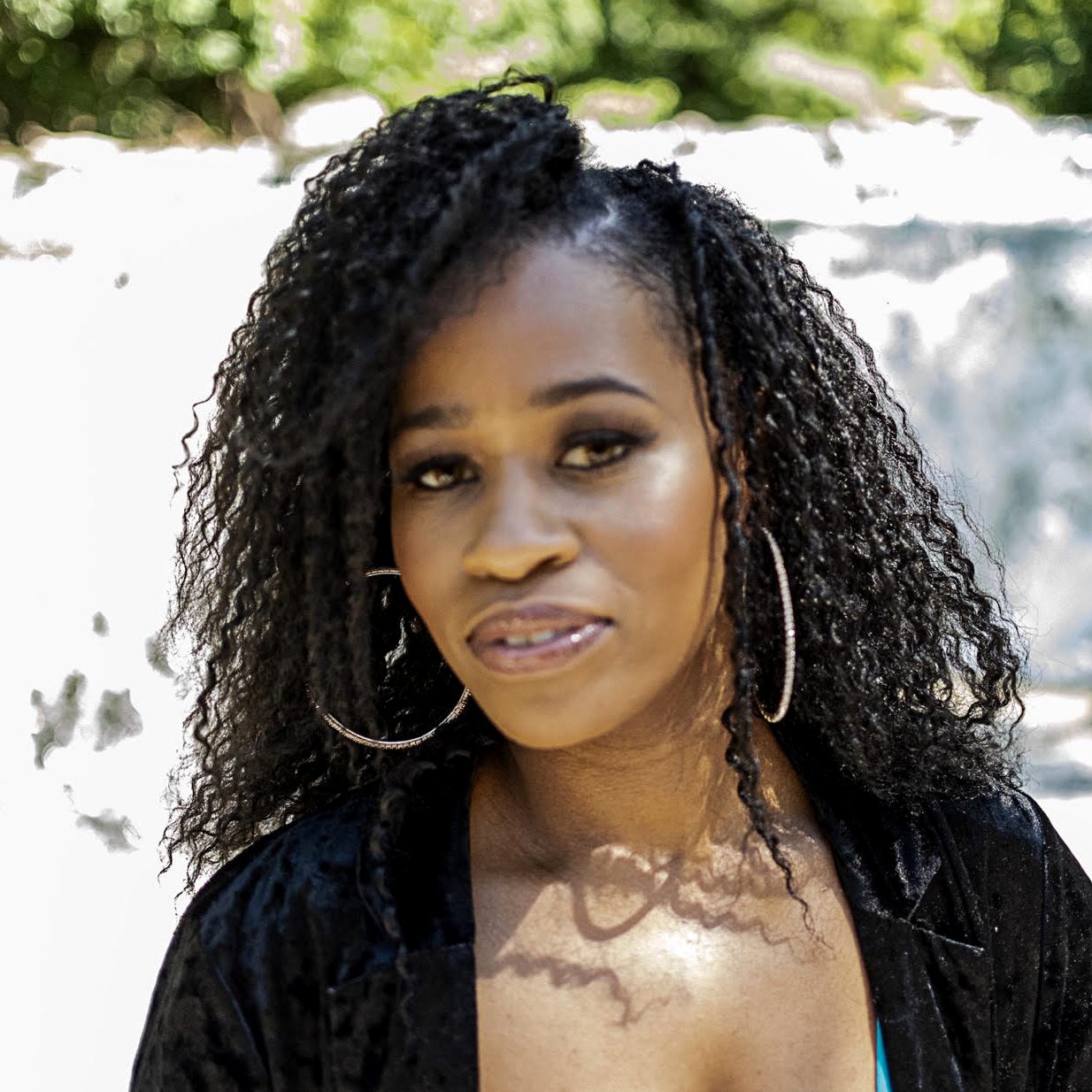
Hulda Hicks was born in Brooklyn, NY in the late ’70s, at the time when Hip-Hop music was just emerging as an art form. Her entire life was influenced by the culture, having grown up in the epicenter of the creative movement.
As a trained musician and vocalist, Hulda got exposed to the industry in her twenties and has worked on projects with iconic figures such as the Chiffons, the Last Poets, and Montell Jordan, to name a few. Her passion for music extended past the stage on to the page when she began to write ad copy and articles as a freelancer for several underground publications.
A written review from “Jubilee Huldafire” is as authentic as it gets, hailing from one creative mind that has a unique voice, on paper and in person.