
By the summer of 2017, Brooklyn was already beginning to sound different. The borough had long carried its own tension and territorial energy, but the music now emerging from Flatbush and surrounding neighborhoods felt colder, heavier, and more cinematic than anything traditionally associated with New York rap. It was less about polished bars and more about atmosphere, realism, and controlled menace. At the center of that shift stood Sheff G, born Michael Williams, one of the earliest and most important figures in what would become Brooklyn drill. Long before the sound became a commercial movement, his records were already helping define the emotional architecture of the borough’s next chapter. His delivery was measured, almost unnervingly calm, which somehow made the records feel even more dangerous. The silence between words carried as much weight as the lyrics themselves. That sound would soon become one of the defining textures of Brooklyn drill.
In August 2017, the release of “No Suburban” changed the trajectory of Brooklyn rap. The track was not simply another local diss record; it became a borough-defining moment that captured the tension, rivalry, and street identity of its environment. What made it so impactful was not just the directness of its lyrics but the way it sonically separated Brooklyn drill from Chicago’s original blueprint. The influence from drill’s origins was clear, but Sheff G and the producers around him slowed the pace, darkened the melodic structure, and created something distinctly Brooklyn. The result felt colder, more atmospheric, and almost cinematic in its pressure. For many listeners, this was the moment Brooklyn drill stopped sounding like an import and began sounding like its own movement. The song quickly spread beyond Flatbush and into the wider New York rap conversation, establishing Sheff G as one of the borough’s earliest defining voices.
By 2018 and 2019, Sheff G’s importance to the borough had only become more visible. His chemistry with Sleepy Hallow helped transform what might have remained a solo rise into a much larger ecosystem through Winners Circle. Together, they helped build one of the strongest drill movements in New York, creating records that balanced street realism with dark melodic production. By the time the wider industry began paying serious attention, Brooklyn drill already had a fully formed sound, and much of that DNA traced directly back to Sheff G’s early records. This was also the period when the borough’s drill movement began influencing artists beyond Flatbush, eventually feeding into the larger rise of Pop Smoke and Brooklyn’s global drill presence. The sound was now leaving the borough, but its roots remained clear. Sheff G was not simply part of the movement — he was one of its architects.
Need press for your music?
Get featured on Raptology and reach hip-hop fans worldwide.
Get FeaturedYet, as with many modern drill stories, the line between the music and the realities surrounding it never stayed fully separate. The same environment that gave the records their weight continued existing outside the studio, and over time that reality began reshaping the public narrative around Sheff G himself. On May 17, 2023, Sheff G and Sleepy Hallow were named in a sweeping Brooklyn gang conspiracy indictment involving more than 30 defendants. The charges and allegations tied the story to violence, retaliation, and organized street conflict, instantly transforming public perception. For many fans, this was the moment the documentary shifted tone — from the origin story of Brooklyn drill into something closer to a true-crime rap documentary. The same authenticity that once made the music feel powerful was now being viewed through the lens of legal consequence.
The indictment added a second permanent layer to Sheff G’s legacy. On one side stood the artist who helped define the sound of Brooklyn drill between 2017 and 2020, a foundational voice whose influence ran through much of the borough’s modern rap identity. On the other stood the legal shadow that followed. This is what gives the story documentary weight. It is no longer simply about how a genre was built; it is also about how the same environment that inspired the music can later circle back into real-world consequences. For listeners and observers, the tension between those two realities is what makes Sheff G’s story so compelling. It is both a music origin story and a cautionary one.
Even now, Brooklyn drill’s history cannot be told without Sheff G. The mood, the slower pacing, the melodic darkness, and the controlled aggression that defined so much of the borough’s sound all carry traces of what he helped establish in 2017 and the years that followed. At the same time, the legal case and prison years have become inseparable from the public understanding of his legacy. That duality is what makes this one of the most powerful modern rap documentaries: it captures both the creation of a sound and the legal consequences that followed one of its earliest architects. For Brooklyn, Sheff G remains foundational. For the wider culture, his story remains one of the clearest examples of how environment, music, and consequence can become permanently intertwined.
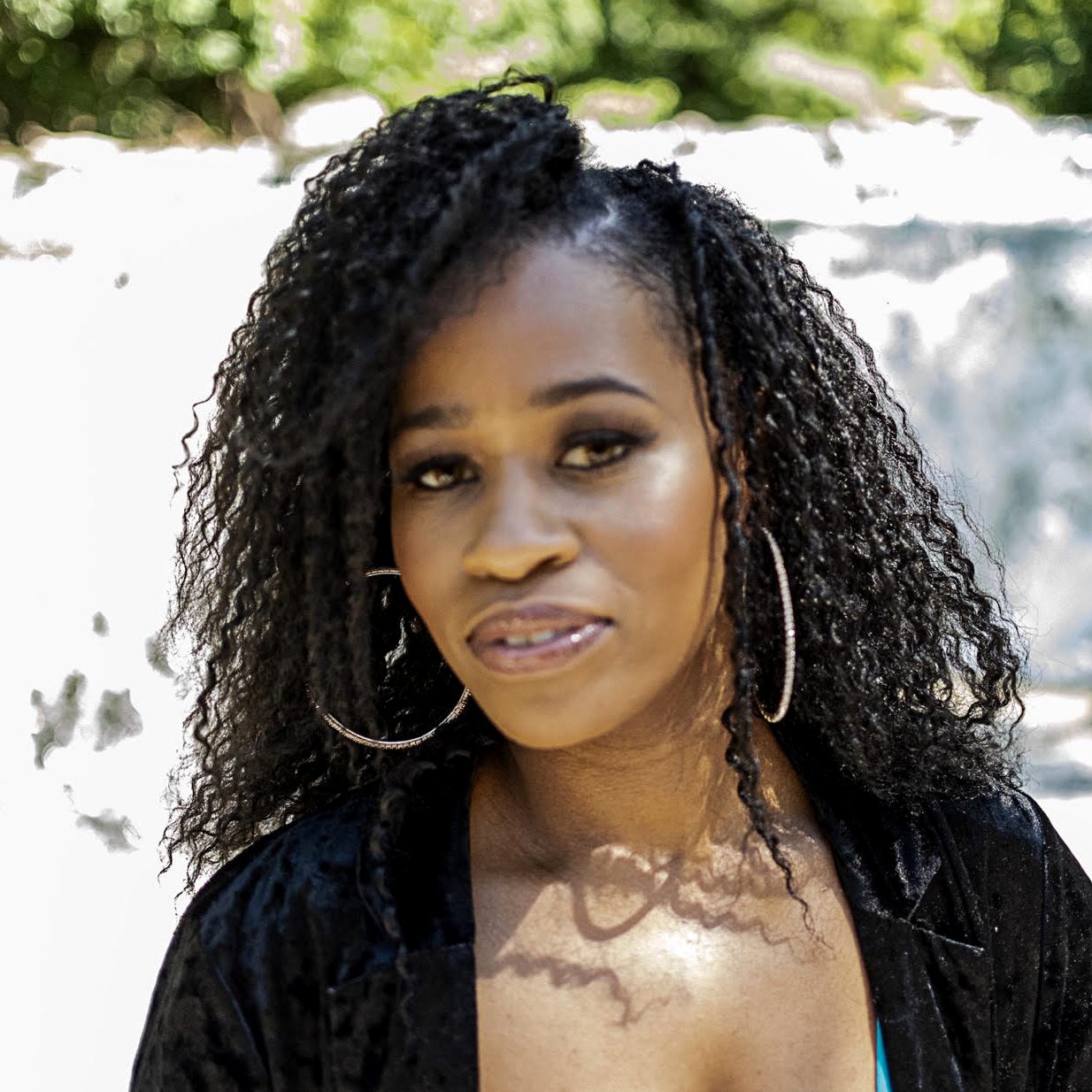
Hulda Hicks was born in Brooklyn, NY in the late ’70s, at the time when Hip-Hop music was just emerging as an art form. Her entire life was influenced by the culture, having grown up in the epicenter of the creative movement.
As a trained musician and vocalist, Hulda got exposed to the industry in her twenties and has worked on projects with iconic figures such as the Chiffons, the Last Poets, and Montell Jordan, to name a few. Her passion for music extended past the stage on to the page when she began to write ad copy and articles as a freelancer for several underground publications.
A written review from “Jubilee Huldafire” is as authentic as it gets, hailing from one creative mind that has a unique voice, on paper and in person.