
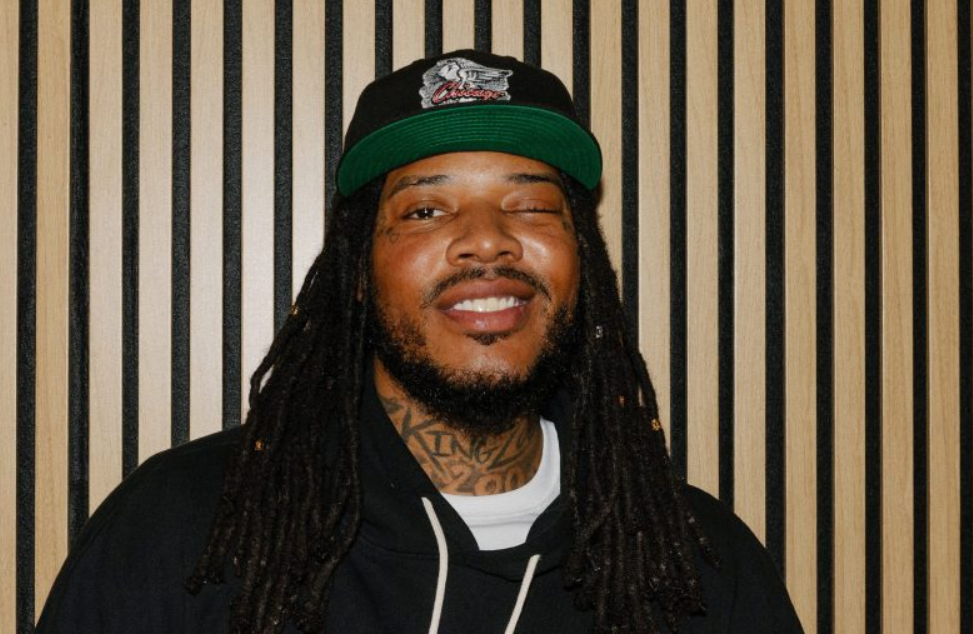
Fetty Wap’s federal drug case became one of the most shocking legal chapters in modern hip-hop because it involved an artist who had already experienced the highest level of mainstream success. Once known around the world for “Trap Queen,” “679,” and “My Way,” the New Jersey rapper suddenly found himself tied to a federal conspiracy case that prosecutors said moved large amounts of narcotics across the country.
The case did not begin as a celebrity headline. Federal authorities described it as a drug trafficking investigation stretching from the West Coast to Long Island and New Jersey, involving hidden vehicle compartments, mailed packages, firearms, and multiple defendants. Fetty Wap, born Willie Junior Maxwell II, was not accused of being the overall mastermind, but prosecutors described him as a kilogram-level redistributor inside the conspiracy.
The Arrest That Changed Everything
Fetty Wap was arrested in October 2021 while he was in New York for Rolling Loud. The timing made the arrest especially dramatic because it happened around a major music festival, at a point when fans still associated him mostly with the explosive success of his 2015 breakout run.
Federal prosecutors in the Eastern District of New York said the broader conspiracy operated from approximately June 2019 through June 2020. According to the government, the group transported and distributed more than 100 kilograms of controlled substances, including cocaine, heroin, fentanyl, and crack cocaine, across Long Island and New Jersey.
What Prosecutors Said The Case Was About
The federal indictment painted the case as a multi-state trafficking operation. Prosecutors said narcotics were obtained on the West Coast, transported across the country through the mail and through drivers using hidden compartments, then stored in Suffolk County before being distributed to dealers in Long Island and New Jersey.
Fetty Wap’s role, according to prosecutors, was not described as a casual association. The government said he was a kilogram-level redistributor, meaning they believed he handled serious weight inside the operation. That allegation became central to how the case was covered because it separated the story from a minor drug possession narrative and placed it inside a larger federal trafficking framework.
Case Snapshot
Real name: Willie Junior Maxwell II
Known as: Fetty Wap
Arrest: October 2021
Guilty plea: August 2022
Sentence: Six years in federal prison and five years of post-release supervision
Release update: Released to community confinement in January 2026
The Guilty Plea
In August 2022, Fetty Wap pleaded guilty to conspiracy to distribute cocaine. The plea carried a mandatory minimum sentence of five years, which meant the court had limited room to go below that point. His defense team reportedly sought a sentence close to the minimum, while prosecutors argued for a harsher term based on the scale of the conspiracy.
The plea marked the point where the case shifted from allegations to legal accountability. For fans, it also changed how the story was understood. This was no longer simply a rapper fighting charges. Fetty Wap had admitted guilt to a federal drug conspiracy count, and the question became how much prison time he would receive.
The Sentencing
On May 24, 2023, U.S. District Judge Joanna Seybert sentenced Fetty Wap to six years in federal prison, followed by five years of post-release supervision. The sentence was one year above the mandatory minimum, but below the longer sentence prosecutors had requested.
At sentencing, the case became a warning about how quickly career momentum can be overtaken by federal consequences. Fetty Wap had once represented one of rap’s biggest underdog success stories, rising from Paterson, New Jersey to global fame. By the time of sentencing, the narrative had become much heavier: a Grammy-nominated artist facing years behind bars for a drug conspiracy that federal authorities treated as a serious public safety case.
Why The Case Hit Hip-Hop So Hard
The emotional weight of Fetty Wap’s case came from the contrast between his music career and the charges. “Trap Queen” was not just a hit song. It was a cultural moment that made him one of the most recognizable new rappers of the mid-2010s. His voice, melodies, and New Jersey identity helped him stand out during an era when melodic street rap was becoming increasingly dominant.
That made the federal case feel like a collapse of potential. Fans watched an artist who once had multiple records on the charts face a long prison sentence in a case involving cocaine distribution and a multi-state trafficking network. For many, the story became less about shock value and more about the thin line between street ties, celebrity access, and federal exposure.
The 2026 Release Update
In January 2026, Fetty Wap was released from federal prison to community confinement after serving more than half of his six-year sentence. Reports said he had been held at FCI Sandstone in Minnesota before being transferred under the supervision of the Federal Bureau of Prisons’ Philadelphia office.
The release did not erase the conviction or the supervision period attached to his sentence. It did, however, reopen the question of what Fetty Wap’s next chapter could look like. For an artist whose career was once defined by sudden success, his post-release future will likely depend on whether he can rebuild trust with fans while staying away from the circumstances that led to the case.
A Timeline Of The Fetty Wap Federal Drug Case
June 2019 to June 2020: Prosecutors say the trafficking conspiracy operated across Long Island and New Jersey.
October 2021: Fetty Wap was arrested in New York while in town for Rolling Loud.
August 2022: He pleaded guilty to conspiracy to distribute cocaine.
May 2023: He was sentenced to six years in federal prison and five years of post-release supervision.
January 2026: He was released from federal prison to community confinement.
The Bigger Story Behind The Headlines
Fetty Wap’s case is part of a larger pattern in hip-hop where federal prosecutors increasingly use conspiracy cases to target networks around artists, crews, and street-linked circles. These cases often rely on long investigations, cooperating witnesses, surveillance, intercepted communications, and financial evidence rather than a single isolated incident.
That is why the Fetty Wap case remains important beyond the celebrity name attached to it. It shows how a rapper’s public success does not shield them from federal scrutiny when investigators believe they are connected to a broader criminal network. It also shows how quickly a music career can become secondary once a federal indictment enters the picture.
Reader Poll: What part of Fetty Wap’s case surprised you most?

Natalia is a Rap and Hip Hop enthusiast. After graduating from The New School of New York’s Public Relations Program and taking a course in Journalism at Michigan State University, she decided to dedicate her life to the music publishing business and to the discovery of new talent. She helps new artists gain exposure to the masses via online marketing and publications.

📂 Transfer to you. GO >>> graph.org/BALANCE-36824-US-DOLLARS-04-24?hs=d9b0e80c2c9c1d665a580bd9edd883c4&
67570r