
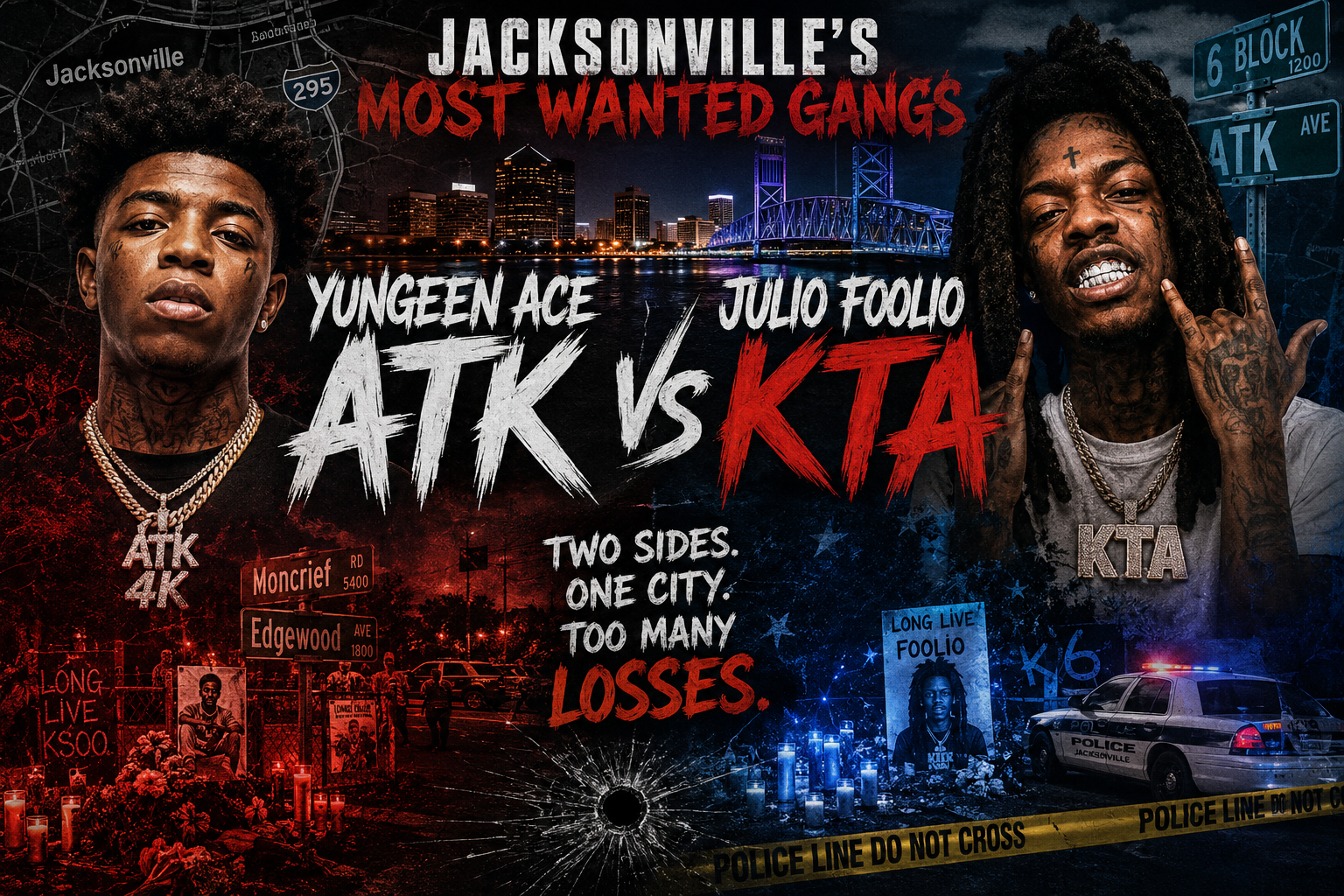
Jacksonville’s rap scene became one of the most talked-about drill movements in America because the music sounded less like entertainment and more like live dispatches from an active war zone. At the center of that storm were two names who came to represent opposite sides of a deadly conflict: Yungeen Ace and Julio Foolio. Around them, fans, police, blogs, YouTube channels, and local reporters followed a rivalry often discussed through the names ATK and KTA, a feud that spilled from neighborhoods into music videos, Instagram posts, courtrooms, funeral homes, and eventually national headlines.
The story is not simple. It is not just “two rappers beefing.” It is a long chain of grief, retaliation, old friendships, neighborhood tension, disrespect toward the dead, viral fame, social media pressure, and young men trying to become stars while still living close to the violence that made their music believable. The world saw the songs, the mocking lyrics, the diss records, and the interviews. Jacksonville lived the consequences. By the time Foolio was killed in Tampa in 2024, the rivalry had already become one of hip-hop’s darkest cautionary tales.
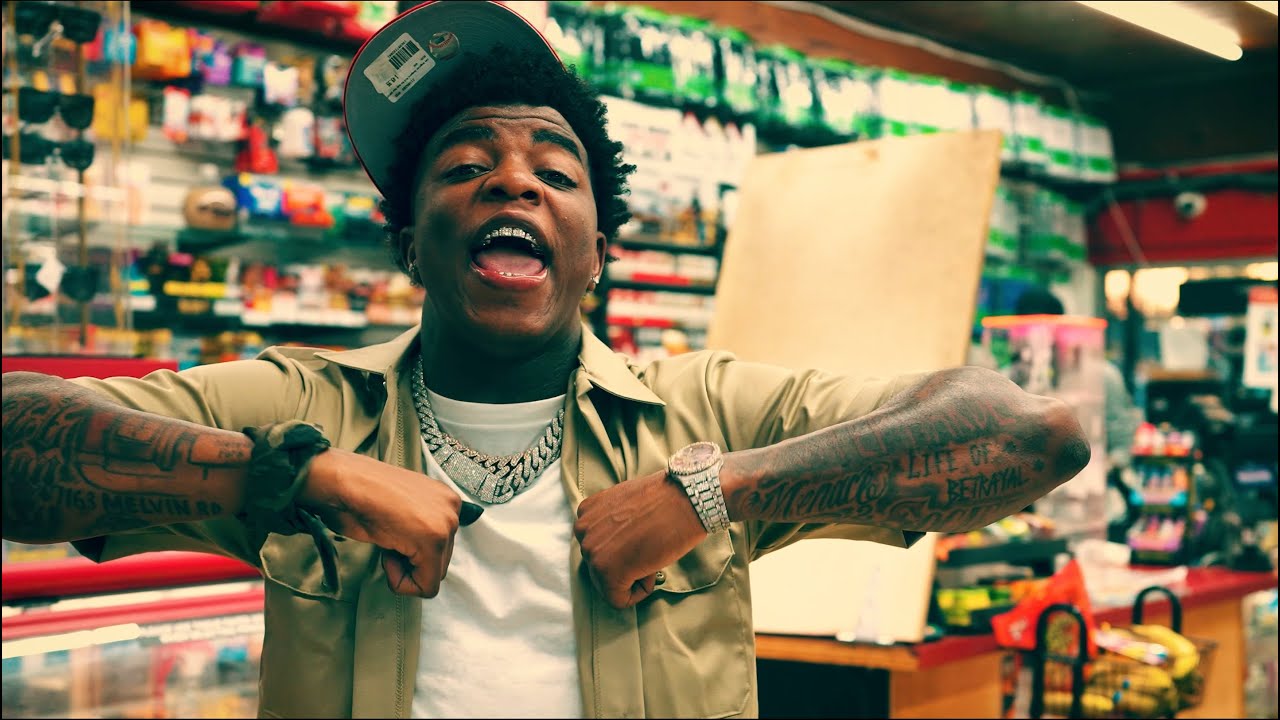
Case Snapshot
Main artists: Yungeen Ace and Julio Foolio
City: Jacksonville, Florida
Frequently discussed groups: ATK, KTA, 6 Block, Y&R, and other connected local circles
Major turning point: The June 2018 Town Center Parkway shooting that killed Trevon Bullard, Jercoby Groover, and Royale Smith Jr., while Yungeen Ace survived
Viral records: “Who I Smoke,” “When I See You,” “Beatbox Remix/Bibby Flow,” and other diss tracks tied to Jacksonville drill culture
Later tragedy: Julio Foolio was killed in Tampa in June 2024 after years of public conflict and alleged attempts on his life
The City Behind The Sound
Jacksonville is often marketed through beaches, football, highways, and Florida sunshine, but the rap that came out of the city told a very different story. The music focused on survival, neighborhood boundaries, betrayal, lost friends, jail visits, retaliation, and death. For many young listeners, that rawness made Jacksonville drill feel more authentic than polished industry rap. For local families and investigators, it also reflected an atmosphere where real grief was being turned into viral entertainment.
The city’s drill scene developed its own language and reputation. Names of fallen friends became hooks, ad-libs, tattoos, and album art. Enemies were mocked in songs with millions of views. Fans online treated the conflict like a scoreboard, but the people involved were not characters in a game. They were young men from the same city whose losses kept feeding new songs, and whose songs kept feeding new tension.

Who Is Yungeen Ace?
Yungeen Ace, born Keyanta Bullard, became one of Jacksonville’s breakout stars because his music carried pain as much as aggression. Before the viral diss records and public feud coverage, Ace’s catalog already showed an artist shaped by trauma. Songs like “Pain,” “Jungle,” and later records about betrayal and survival made him one of the city’s most emotionally direct rappers.
His reputation changed forever after the 2018 shooting that nearly killed him. Ace survived multiple gunshot wounds, but three people close to him did not. That night became the emotional center of his story and one of the defining incidents in Jacksonville rap history. From that point forward, his music was no longer just about street life in general. It was about survivor’s guilt, revenge, paranoia, and the faces of people he lost.
Who Was Julio Foolio?
Julio Foolio, born Charles Jones, became the other major face of Jacksonville’s public rap conflict. Foolio’s music was often dark, paranoid, and direct. He rapped like someone who expected danger and understood that his name was attached to a larger war. His songs carried grief, jokes, threats, and defiance, often all at once. That combination made him magnetic to fans and controversial to critics.
Foolio was also one of the most recognizable figures tied to KTA and 6 Block in the public imagination. The transcript describes KTA as “Kill Them All,” while local discussion around Jacksonville drill often connects Foolio to 6 Block and broader neighborhood rivalries. Whether listeners understood the local details or not, they understood one thing clearly: Foolio and Ace represented opposite poles of a conflict that had already cost lives.
The Death Of Zion Brown And The Spark That Lit The Fuse
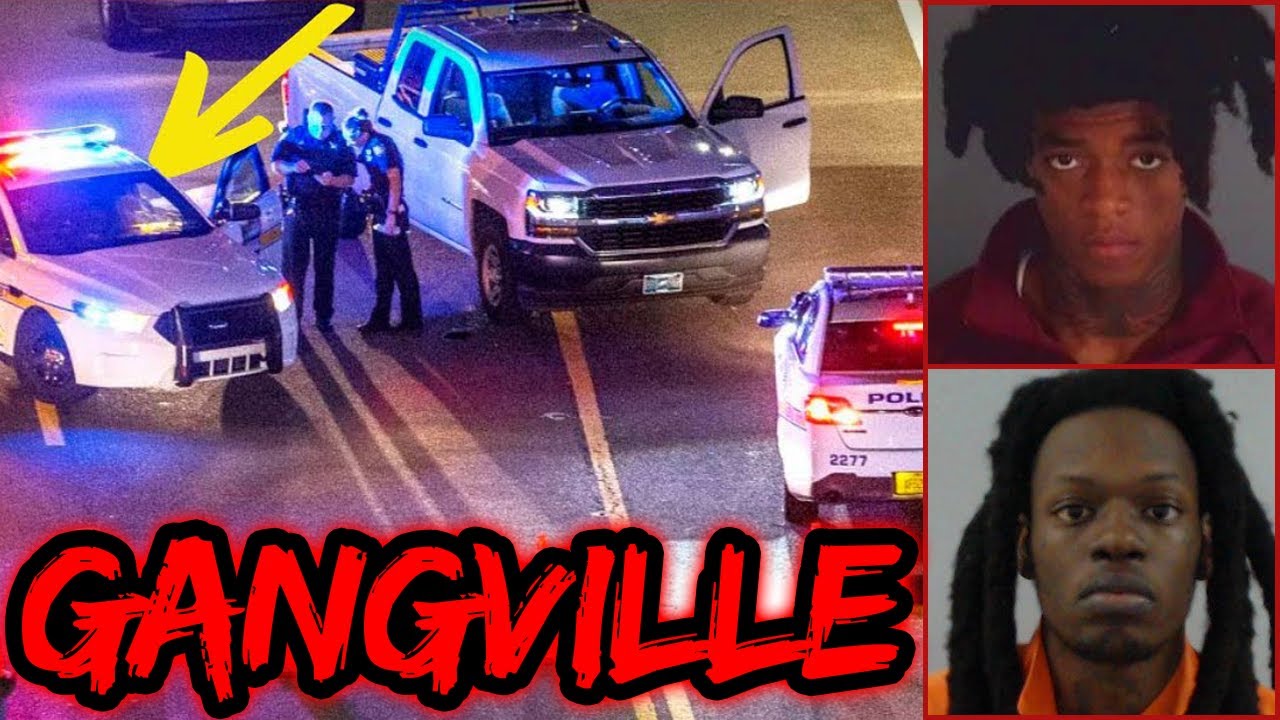
The transcript points to the killing of Zion Brown, Foolio’s cousin, as one of the early sparks that intensified the conflict. Zion’s death has been discussed in Jacksonville drill circles as a major turning point, one of the losses that helped transform personal tension into something much larger. In these kinds of environments, the first death is rarely the last. It becomes a name repeated in songs, posts, threats, tributes, and retaliation talk.
That is where Jacksonville’s story began to resemble other deadly rap conflicts around the country. Once a fallen person’s name becomes a symbol, every lyric about that name can reopen the wound. Every joke can feel like an invitation to violence. Every tribute can become a challenge. The music becomes a memorial and a weapon at the same time.
The 2018 Shooting That Changed Yungeen Ace’s Life
On June 5, 2018, Yungeen Ace was in a car with his brother Trevon Bullard, Jercoby Groover, and Royale Smith Jr. after celebrating Trevon’s birthday. Gunmen opened fire on the vehicle on Town Center Parkway in Jacksonville. Trevon, Groover, and Smith were killed. Ace survived after being shot multiple times.
That night became the most important event in Ace’s public story. He was no longer just a rising Jacksonville rapper. He was the survivor of a shooting that killed his brother and two close friends. The trauma showed up in his interviews, lyrics, tattoos, and public image. He carried the dead with him, both emotionally and physically, with their faces reportedly tattooed across his body.
The Survivor’s Burden
In interviews, Yungeen Ace has spoken about survivor’s guilt, PTSD, and the feeling that he should have protected the people who died beside him. That emotional weight became one of the reasons fans connected with his pain music.
Why Disrespecting The Dead Escalated Everything
One of the most dangerous elements in Jacksonville drill was the public disrespect toward fallen rivals. The transcript repeatedly returns to this point: mocking dead friends and relatives made the conflict harder to stop. It is one thing to threaten a living enemy. It is another to joke about someone’s brother, cousin, or best friend who was killed. In street culture, that kind of disrespect can turn grief into revenge.
For outside fans, the disrespect became part of the spectacle. For the people involved, it was deeply personal. Every diss record became more than a song. Every lyric about a dead person could be interpreted as a public humiliation. That is how music that might have been viewed as “content” online became tied to real-world retaliation.
The Rise Of Viral Diss Records
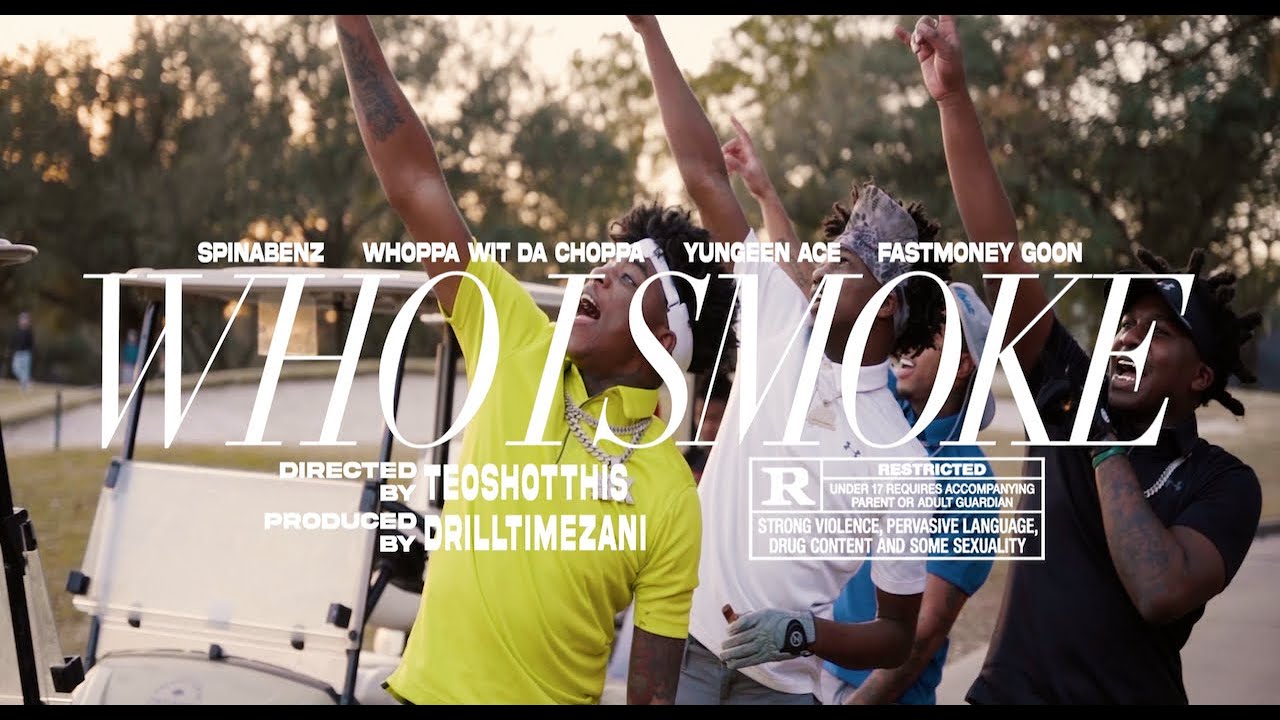
By 2021, Jacksonville’s conflict had reached a new level of national attention. “Who I Smoke,” performed by Yungeen Ace, Spinabenz, FastMoney Goon, and Whoppa Wit Da Choppa, became one of the most controversial viral rap records of the decade. The song sampled Vanessa Carlton’s “A Thousand Miles,” turning a bright pop melody into a diss track aimed at dead rivals. The contrast made it impossible to ignore.
Foolio responded with “When I See You,” flipping Fantasia’s R&B hit into another diss record aimed at the other side. The internet pushed both songs into millions of views, reaction videos, TikTok clips, and debate. Jacksonville drill had gone viral, but the attention came at a cost. The world was now watching a feud where the names in the lyrics were not fictional.
Ksoo, Lil Buck, And The Courtroom Side Of The Beef
The rivalry did not stay inside music videos. Jacksonville rapper Hakeem “Ksoo” Robinson became one of the most discussed figures connected to the broader conflict. Public reporting and court coverage tied him to murder cases involving rival figures, including Charles “Lil Buck” McCormick Jr. and another case involving Adrian “Lil Bibby” Gainer Jr. His father, Abdul Robinson Sr., was also drawn into the legal storyline connected to the Lil Buck case.
Those court cases became another reminder that the Jacksonville feud was not just internet mythology. The music may have made the conflict famous, but the legal consequences were real. Arrests, charges, pleas, testimony, and sentencing hearings became part of the same public story that fans first encountered through songs and Instagram posts.
The Father-Son Shockwave
One of the most shocking elements discussed in the transcript is the claim that Ksoo and his father were tied to a retaliation-style murder case. Public reporting later showed that Abdul Robinson Sr. pleaded guilty to helping others escape after the 2020 killing of Charles “Lil Buck” McCormick Jr. and was sentenced to time served in 2025. The fact that a father was involved in the legal aftermath of a son’s alleged street conflict made the story even more disturbing.
Hip-hop audiences are used to hearing rappers talk about loyalty, family, and revenge. The Jacksonville cases showed what those words can look like when they move from songs into court records. The result was not glory. It was prison time, dead sons, grieving mothers, and families pulled into the same cycle.
Foolio’s Near-Death Encounters
Foolio survived multiple dangerous moments before his death. He was known for openly discussing attempts on his life, injuries, and the feeling that he was always being watched. In interviews and songs, he often spoke with the awareness of someone who knew his fame did not protect him. In some ways, fame made him easier to track.
The transcript describes Foolio surviving a bullet graze to the head and later incidents involving people close to him. Whether every street-level claim can be independently verified or not, the broader point is clear: Foolio lived for years with the understanding that he was a target. His music sounded that way. His interviews sounded that way. His online presence sounded that way.
Timeline Of The Jacksonville Drill Rivalry
Mid-2010s: Jacksonville’s street rap scene grows online, with artists from different neighborhoods gaining local attention.
2017: The killing of Zion Brown is repeatedly discussed in connection with the early escalation of the conflict.
June 5, 2018: Yungeen Ace survives a shooting on Town Center Parkway that kills Trevon Bullard, Jercoby Groover, and Royale Smith Jr.
2019: Ace is reportedly targeted again in a Waycross, Georgia hotel shooting where another person is killed.
2020: The killing of Charles “Lil Buck” McCormick Jr. becomes part of the broader Jacksonville legal storyline.
2021: “Who I Smoke” and Foolio’s “When I See You” push the feud into national viral attention.
2024: Julio Foolio is killed in Tampa after celebrating his birthday weekend.
2024-2026: Arrests, trials, and legal proceedings connected to Foolio’s killing and other Jacksonville cases continue to keep the rivalry in the headlines.
The 2019 Waycross Hotel Shooting
The danger around Yungeen Ace continued after the 2018 shooting. In March 2019, a group that included Ace was ambushed at a hotel in Waycross, Georgia. One person was killed, and others were wounded. Ace reportedly escaped injury in that incident, but the message was obvious: his success had not separated him from the conflict.
That shooting reinforced the sense that Jacksonville’s violence was not limited by city limits. Once the feud became mobile, hotels, performances, travel routes, and social media locations all became possible risk points. For rappers trying to tour or perform, that kind of danger can follow them from one state to another.
The Death Of Julio Foolio In Tampa
On June 23, 2024, Julio Foolio was shot and killed in Tampa after celebrating his birthday. He had survived for years while publicly living under threat, but the violence finally caught up to him outside of Jacksonville. His attorney described the shooting as an ambush, and Tampa police later announced arrests connected to the case.
Foolio’s death changed the entire meaning of the rivalry. For years, he had been one of its loudest voices, mocking enemies, honoring his side, and presenting himself as someone who could not be silenced. After his death, the conversation shifted from “who is winning” to what had been lost. The answer was not just one rapper. It was years of potential, multiple families’ peace, and a city’s chance to separate its music scene from its body count.

Why The Police Watched For Revenge
After Foolio’s death, Jacksonville officials publicly said they were watching clashing groups closely and would not tolerate revenge. That reaction showed how seriously law enforcement viewed the possibility of retaliatory violence. In a conflict built around years of losses, any major killing can trigger a new cycle.
This is one of the hardest parts of drill-related violence to stop. A death creates grief. Grief creates anger. Anger becomes music, posts, threats, and sometimes action. Then the other side responds. When the internet gets involved, the cycle accelerates because every insult is public and every silence can be interpreted as weakness.
The Role Of Fans, Blogs, And YouTube Detectives
Jacksonville’s rap conflict became even more dangerous because fans online began treating it like a real-time crime series. YouTube documentaries, Reddit threads, TikTok edits, and comment sections broke down names, lyrics, locations, and alleged connections. Some of that content helped outsiders understand the story, but some of it also turned real deaths into entertainment.
When fans demand disses, celebrate retaliation, or mock dead people they never knew, they become part of the culture that keeps these conflicts alive. The artists make the songs, but the internet rewards the most disrespectful moments with views. That reward system matters. In the attention economy, shock becomes promotion, and promotion can become danger.
ATK, KTA, And The Problem With Turning Pain Into Branding
ATK and KTA became more than local labels in the eyes of fans. They became symbols. To outsiders, the names helped simplify a complicated local conflict into two sides. To the people actually from Jacksonville, the reality was more layered, involving neighborhoods, friendships, relatives, older conflicts, and separate circles that did not always fit neatly into internet categories.
That simplification is dangerous. Once the internet turns a conflict into a team sport, every death becomes content for one side or the other. The real people disappear behind acronyms, nicknames, and memes. In Jacksonville’s case, the branding of pain became part of the music’s reach, but also part of the tragedy.
The Music Was Real, But So Were The Consequences
The reason Jacksonville drill hit so hard is the same reason it became so controversial. The music felt real because it was rooted in real losses. Yungeen Ace’s pain records worked because listeners could hear survivor’s guilt in his voice. Foolio’s darkest songs worked because they sounded like a man who had accepted that danger was part of his life. The authenticity was undeniable.
But authenticity does not make the consequences worth it. The story of ATK, KTA, Ace, Foolio, and the people around them is not just about who had the better song or who went more viral. It is about how much death can be absorbed by a music scene before the art becomes inseparable from tragedy.
The Legacy Of Jacksonville’s Deadliest Rap Feud
Jacksonville’s rap scene deserves to be remembered for more than violence. The city produced original voices, emotional writing, memorable hooks, and a sound that influenced online drill culture. Yungeen Ace proved that pain music from Jacksonville could travel nationally. Foolio proved that an independent artist with a raw story could build a loyal fan base without industry polish.
At the same time, their rivalry became a warning. When music, grief, street politics, and social media all collide, the result can be impossible to control. The same songs that made Jacksonville famous also made the conflict visible to millions of strangers. Some fans came for the music. Others came for the body count. That is the tragedy at the center of this story.
The Bigger Question
The question is not only who started the beef or who won. There is no winner in a story where brothers, cousins, friends, rappers, fathers, and teenagers end up dead, wounded, jailed, or traumatized. The real question is how many times hip-hop will watch the same pattern repeat before the culture stops treating active conflicts like entertainment.
Yungeen Ace survived the shooting that defined his life. Julio Foolio survived for years before being killed in Tampa. Around both men were families, friends, fans, rivals, and communities permanently changed by the violence. Jacksonville’s drill story may have produced viral songs, but its final lesson is much heavier: when pain becomes promotion, the cost is almost always paid in real lives.
Reader Poll: What had the biggest impact on Jacksonville’s rap feud?
Hulda Hicks was born in Brooklyn, NY in the late ’70s, at the time when Hip-Hop music was just emerging as an art form. Her entire life was influenced by the culture, having grown up in the epicenter of the creative movement.
As a trained musician and vocalist, Hulda got exposed to the industry in her twenties and has worked on projects with iconic figures such as the Chiffons, the Last Poets, and Montell Jordan, to name a few. Her passion for music extended past the stage on to the page when she began to write ad copy and articles as a freelancer for several underground publications.
A written review from “Jubilee Huldafire” is as authentic as it gets, hailing from one creative mind that has a unique voice, on paper and in person.


Leave a Reply