
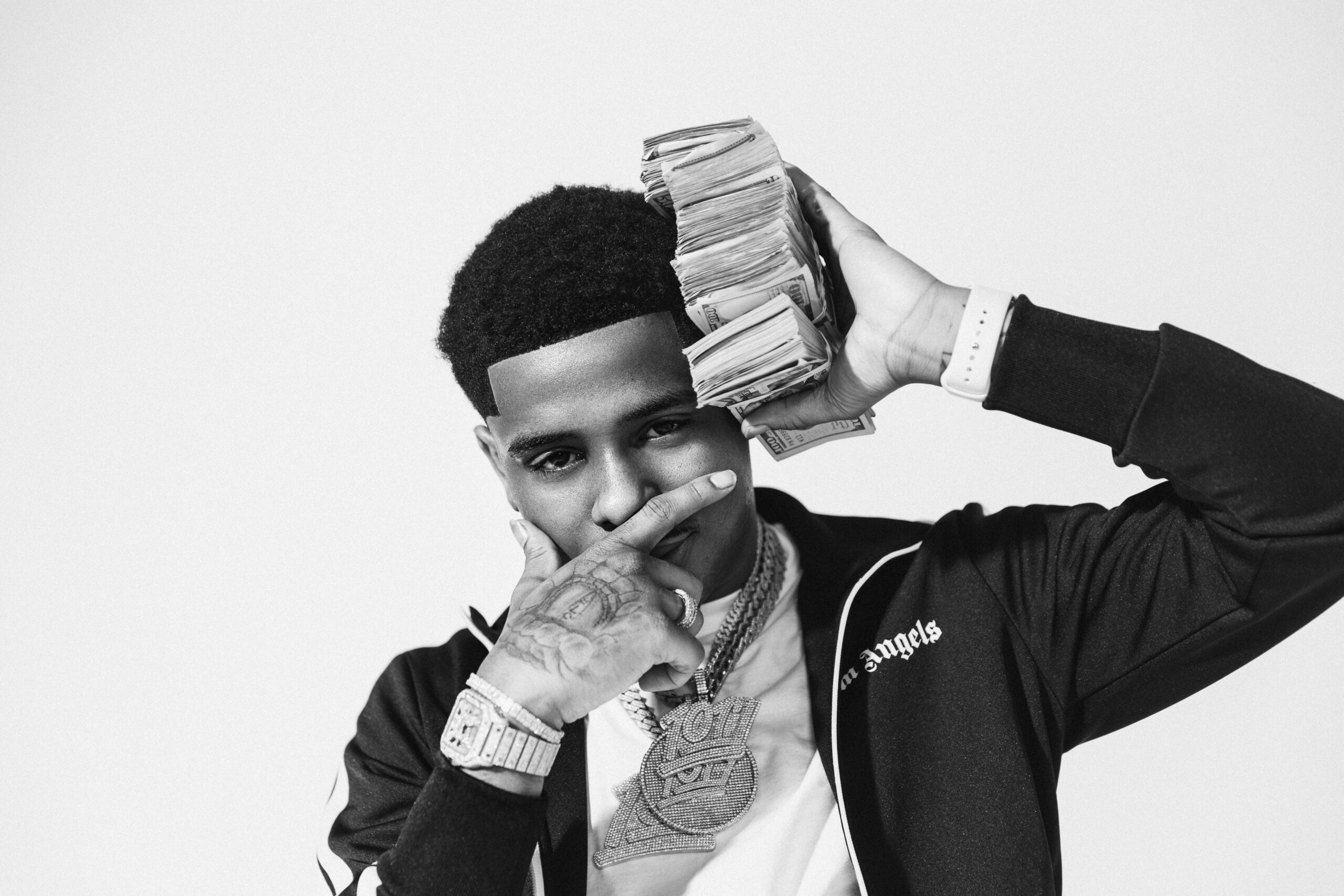
MEMPHIS, TN – The federal case surrounding Pooh Shiesty has taken another dramatic turn, with Big30’s release status still hanging in uncertainty and prosecutors moving aggressively against Pooh Shiesty’s father as the broader kidnapping and robbery case continues to unfold. What began as a shocking set of allegations tied to an alleged January studio confrontation has now evolved into a fast-moving courtroom saga involving bond fights, home detention questions, family pressure points, and a level of scrutiny that makes this case feel bigger than a routine legal update. For rap fans, this is no longer just about one arrest headline. It is becoming a drawn-out story about loyalty, leverage, and how quickly a high-profile artist’s legal problems can widen into a case that pulls in affiliates, relatives, and major industry names.
That wider scope is a big reason the story is getting so much attention. Pooh Shiesty’s name already carries weight in Memphis rap and in the broader 1017 orbit, and Big30 is not some random side figure whose involvement would pass quietly. Add in the legal exposure facing Pooh Shiesty’s father, and what you get is a case that keeps producing new layers every few days. Instead of cooling down after the initial shock, it is becoming more complicated. Bond rulings are being challenged, court decisions are being revisited, and the public narrative is shifting from “major arrest” to “how deep does this whole case actually go?”
Use a tested court-update or news clip here to increase watch time without risking a broken embed.
What Happened in the Latest Court Moves
The newest developments in the Pooh Shiesty case have made it clear that the legal process is entering a more intense phase rather than settling down. Big30 was granted bond, but the ruling was immediately stayed, meaning the decision did not translate into a straightforward release. That single detail says a lot about the posture of the case. It suggests prosecutors are pushing back hard, the court is moving cautiously, and nobody involved should assume even a favorable ruling is final until the next judge signs off. For observers following the story from the outside, that kind of stop-start momentum is exactly what makes a federal case feel unstable. One hearing creates optimism, then the next motion changes the picture again.
At the same time, the move against Pooh Shiesty’s father added another layer of seriousness. Prosecutors did not behave as though the father’s bond status was a secondary side issue. They actively sought to revoke it, signaling that the government sees the broader network of defendants as part of one tightly watched prosecution rather than a loose group of people being handled separately. That raises the pressure not only on the defendants themselves, but on the public narrative around the case. When family members and close affiliates are pulled deeper into bond disputes, the story starts to feel less like a headline about celebrity trouble and more like a full-blown legal crisis with expanding consequences.
The result is a case that now carries procedural drama in addition to the original allegations. People are not just watching to see whether more information comes out about the incident itself. They are watching to see who remains in custody, who gets restricted release, what prosecutors are willing to challenge, and how aggressively the court is prepared to manage risk. That sort of ongoing uncertainty is exactly what keeps a story like this in the news cycle.
“This is no longer just an arrest story. It is turning into a courtroom battle where every bond ruling seems to trigger another fight.”
Why Big30’s Bond Fight Matters
Big30’s position in this case matters because he is not a minor name to Memphis rap fans. He has his own audience, his own profile, and his own connection to the scene that helped elevate Pooh Shiesty in the first place. When a figure like that is granted bond but then sees the decision effectively frozen, the public reads it as a sign that the court is still wrestling with how serious the allegations are and what kind of risk they believe comes with release. In practical terms, Big30’s bond fight has become one of the clearest public windows into how aggressively this case is being prosecuted.
It also matters because bond rulings can influence the emotional tone surrounding a case long before trial. A clean release often gives supporters something to rally around. A stayed bond, by contrast, reinforces the sense that nothing here is simple. It prolongs uncertainty, keeps the story alive, and forces everyone connected to the defendants to wait for the next development. For rap media, that means the Big30 angle is not just a side update. It has become a central tension point in the entire story.
There is another reason this matters: perception. In high-profile cases, each hearing becomes part of a larger public narrative. If bond is granted, people ask whether prosecutors overreached. If bond is stayed, people assume the government believes it has stronger footing than the defense wants the public to think. Big30’s current situation feeds that tension directly. It keeps supporters hopeful while simultaneously reminding them that federal cases rarely move in a straight line.
XXXTentacion: Viral Genius, Violence, Redemption, and the Murder That Froze South Florida Rap
C-Murder: No Limit Royalty, a Murder Conviction, and the Case That Never Stopped Dividing Rap Fans
The New Pressure on Pooh Shiesty’s Father
The legal pressure now facing Pooh Shiesty’s father is one of the most significant developments in the case because it widens the emotional and symbolic scope of the story. Once prosecutors move to revoke a father’s bond in a case like this, the public no longer sees the matter as a contained issue affecting only the artist and a few associates. It starts to look like a broader family and circle-of-trust crisis. That changes how fans process the case. The story becomes heavier, more personal, and more difficult to reduce to internet debate over whether somebody will be released or not.
It also tells us something about how federal prosecutors are approaching the case. A motion to revoke bond is not casual. It signals that the government believes there are serious reasons to revisit release conditions, whether that concern is tied to danger, flight risk, procedural issues, or a broader argument about how the case should be managed. Even without every detail being visible to the public, that move alone sends a strong message: prosecutors are not treating this as a soft-touch prosecution where defendants can easily stabilize their status once an initial hearing goes their way.
From a storytelling standpoint, the father’s position adds tension because it humanizes the stakes while simultaneously making the case feel more expansive. Fans who might have looked at the initial headlines as another rap-industry legal mess now have to process the fact that family dynamics are being pulled directly into court. That tends to deepen interest and intensify reaction, especially in a culture where family loyalty, street ties, and public support all shape how stories like this are interpreted.
How the Federal Case Started
The current courtroom turmoil traces back to allegations surrounding a January 10, 2026 meeting at a Dallas recording studio that was supposedly tied to business discussions over Pooh Shiesty’s recording contract. According to federal authorities, the meeting turned violent and became the basis for robbery and kidnapping charges against Pooh Shiesty, Big30, Pooh Shiesty’s father, and several others. That background is a big reason the case has commanded so much attention. It is not being framed as a random isolated street allegation. It is being framed as a business-related setup that allegedly spiraled into something far more serious.
That detail is important because it connects the case directly to music industry structures, not just personal conflict. The allegations reference a contract dispute and involve victims described in reporting as music industry professionals. In other words, the government’s version of the case places this incident at the crossroads of rap business, artist relationships, and violence. That makes the story much bigger than a local criminal case, and it explains why so many outlets moved quickly once the charges became public.
The underlying accusation also gives every new court development extra weight. Since the alleged incident itself is already dramatic, each subsequent fight over bond, detention, and procedural status feels amplified. The public is not simply reacting to legal paperwork. It is reacting to a storyline that already sounds cinematic, which is exactly why each hearing continues to generate so much attention across rap media and beyond.
Why the Industry Is Watching Closely
Part of what makes this story so gripping is that it sits at the intersection of rap celebrity and business conflict. When an artist with Pooh Shiesty’s profile ends up at the center of a federal case involving alleged coercion around a contract-related meeting, it naturally sends shockwaves through the industry. People start asking not only what happened, but how many relationships, negotiations, and behind-the-scenes tensions were already in motion before the situation allegedly blew up. Even those who are not directly connected to the case end up paying attention because the story touches on the kind of power dynamics that exist throughout the industry.
It is also the kind of case that can reshape public narratives very quickly. A rapper can go from comeback energy or catalog momentum to being defined almost entirely by a legal file. That is one reason this story is being tracked so aggressively by fans and media alike. Everyone understands that if the bond fights keep escalating and more details continue surfacing, the legal case could overshadow everything else around the people involved for the foreseeable future.
For Raptology readers, this is the core of why the story matters: it is not just sensational. It is consequential. It affects reputations, release strategies, public sympathy, business relationships, and how the wider rap ecosystem interprets risk and loyalty. That is what turns a legal update into a real industry story.
Each new court motion is widening the scope of the case. What started as a major arrest headline now looks like a prolonged legal fight involving artists, family ties, and the business machinery around rap itself.
What Happens Next
What comes next will likely depend on whether the stayed bond decision for Big30 is revisited in a way that leads to actual release conditions taking effect, and whether prosecutors succeed in tightening the pressure on Pooh Shiesty’s father. Both developments matter because they will shape the public sense of momentum. If the defense side can secure more stable outcomes, supporters may read that as proof that the prosecution’s posture is not unbreakable. If prosecutors keep winning these interim fights, the case will start to feel even more one-sided in the eyes of the public.
There is also the simple reality that federal cases unfold slowly while public attention moves fast. That gap often creates a strange rhythm where each hearing feels enormous because people know the full process may stretch far beyond one viral news cycle. In the meantime, every motion, every bond ruling, and every courtroom appearance becomes part of the ongoing narrative. That is exactly where the Pooh Shiesty case now sits: in the stage where procedural developments are becoming headline events on their own.
For now, what is clear is that the story is not calming down. Big30’s bond fight remains unresolved in practical terms, the father’s bond situation is under fresh attack, and Pooh Shiesty’s case continues to widen in both legal complexity and public impact. In other words, this is the kind of story that will not disappear after one dramatic headline. It is building into a longer-running legal saga with real consequences for everyone attached to it.
Are these latest bond battles a sign that the prosecution believes it has a very strong case, or is this the stage where the defense can still change the public understanding of what actually happened?

Natalia is a Rap and Hip Hop enthusiast. After graduating from The New School of New York’s Public Relations Program and taking a course in Journalism at Michigan State University, she decided to dedicate her life to the music publishing business and to the discovery of new talent. She helps new artists gain exposure to the masses via online marketing and publications.




Leave a Reply