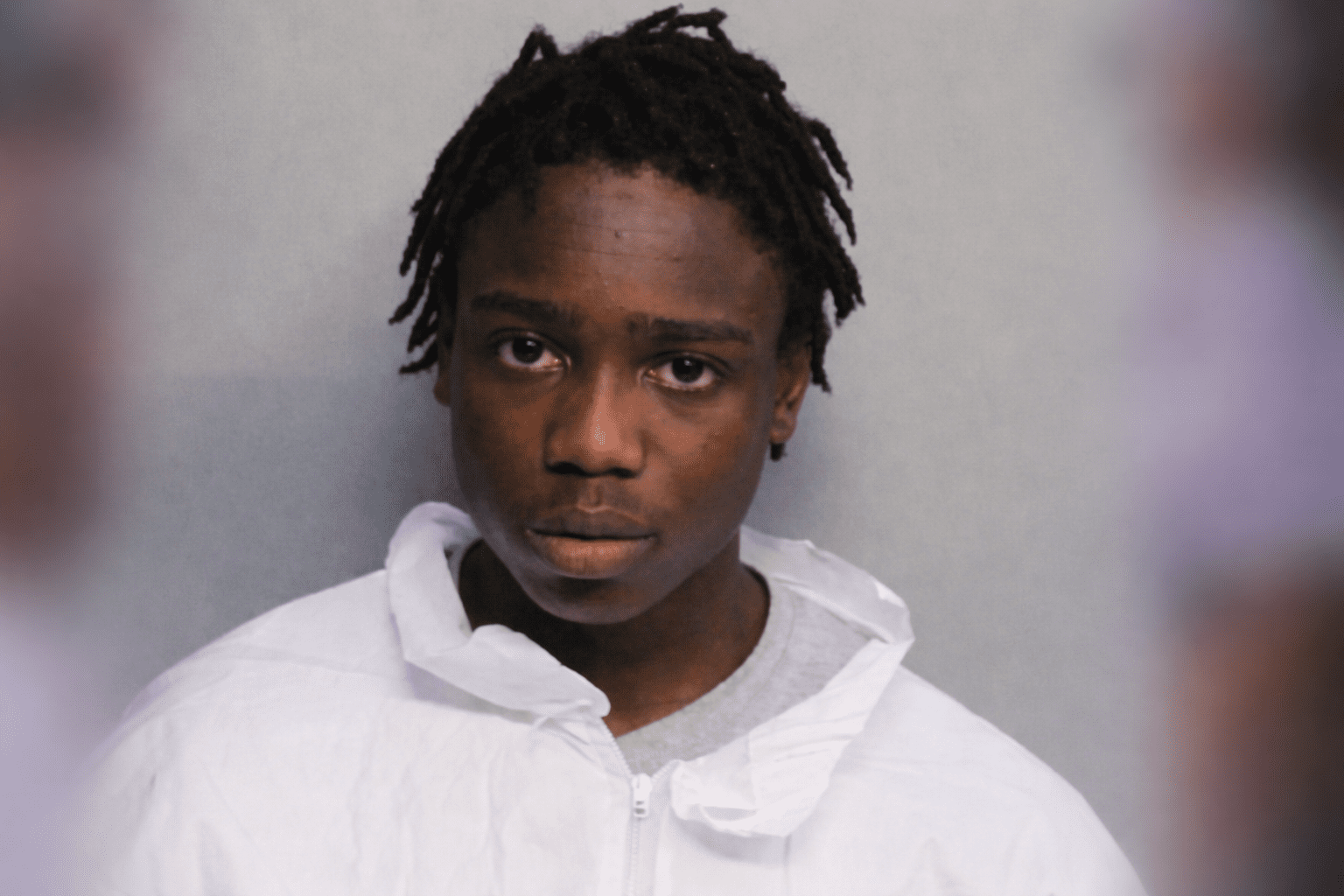
Few artists have had a bigger impact on Brooklyn drill’s early identity than 22Gz, yet his role in shaping the borough’s sound is still rarely explored in full longform detail. Long before drill from New York became a global movement, his records were already helping define the colder, darker atmosphere that would soon dominate the city’s streets and playlists alike. This is the story of how one rapper helped give Brooklyn a new voice.
Before Brooklyn drill became a worldwide phrase, before the borough’s sound began dominating playlists, and before the mainstream started attaching names like Pop Smoke and Fivio Foreign to New York’s darker evolution, there was already a movement taking shape in the streets and stairwells of Brooklyn. The sound was colder than traditional New York rap, slower than the city’s usual tempo, and built on tension rather than flash. At the center of that early shift stood 22Gz, born Jeffrey Alexander, a rapper whose name has remained one of the most searched and yet still surprisingly under-covered in longform documentary writing. By the time the rest of the industry began to recognize Brooklyn drill as its own force, 22Gz had already been laying down its blueprint. His records felt less like songs designed for radio and more like dispatches from a borough under pressure. There was a realism in the tone, a sharpness in the cadence, and a darkness in the production that immediately separated his music from what New York rap had historically sounded like. For many listeners, this was the first moment Brooklyn began to develop its own drill identity.
The defining shift came in April 2016 with the release of “Suburban,” a record that many drill fans still point to as one of the earliest true Brooklyn drill anthems. The track was aggressive, direct, and immediately tied into borough rivalries and local politics, but what truly made it historic was the production and atmosphere. The beat leaned heavily into the darker UK drill-inspired sound that would later become central to Brooklyn’s evolution, while still carrying the raw aggression associated with Chicago’s influence. More than just a diss record, “Suburban” became a sonic marker for a new movement. It was the kind of track that instantly tells listeners something bigger is happening in a city’s soundscape. While later artists would commercialize and globalize the borough’s drill movement, 22Gz was already helping define its earliest language. The Blixky movement, which would soon become synonymous with his rise, gave the music an identity that extended beyond a single song and into something resembling a cultural faction.
By 2017 and 2018, 22Gz had become increasingly central to conversations around Brooklyn’s changing sound. The borough’s rap scene was moving away from traditional boom-bap legacies and into something darker, more atmospheric, and more closely tied to street tension. His delivery style — clipped, deliberate, and intensely local in its references — helped establish a tone that later artists would echo. The music was not polished in the way labels often prefer, and that was part of its power. It felt immediate, almost documentary in itself, as though listeners were hearing the environment rather than a stylized version of it. This is where 22Gz’s legacy becomes particularly important: while later names would become larger commercially, he was among the first to give the borough a sound that felt distinctly Brooklyn drill. Without that early framework, much of what followed would likely have sounded very different.
Need press for your music?
Get featured on Raptology and reach hip-hop fans worldwide.
Get FeaturedThe rise of Brooklyn drill through 2019 and 2020 only made the importance of 22Gz’s early work more obvious. As artists like :contentReference[oaicite:0]{index=0} and :contentReference[oaicite:1]{index=1} pushed the borough’s sound into the mainstream, many listeners tracing the lineage back quickly arrived at 22Gz. His influence was visible not only in the sound but in the cultural framing of drill as something specifically tied to Brooklyn identity. The borough now had its own drill ecosystem, one that drew from Chicago and UK influences but had fully developed its own mood and pacing. 22Gz’s role in that story is often under-discussed in mainstream coverage, which tends to focus on the later commercial explosion. Yet for documentary purposes, his position is foundational. He belongs to the origin story.
Like many drill narratives, however, the story has never been limited to music alone. Legal issues, street affiliations, and the realities surrounding the movement have consistently shadowed the genre’s public perception. This broader environment has also shaped the way 22Gz’s legacy is discussed. For many casual listeners, the name is still tied to rivalry records and borough tension, but for those examining the full arc of Brooklyn drill’s history, his importance extends much further. He helped give the movement its first real identity, long before it became a profitable label trend. That is what makes his story particularly compelling in documentary form. It is not simply about an artist’s rise. It is about the birth of a sound and the way that sound became inseparable from the environment that produced it.
Even today, search interest around 22Gz remains consistently strong, which speaks to the lingering cultural fascination with Brooklyn drill’s origins. Fans continue looking back at the early Blixky era, the release timeline of “Suburban,” and the borough’s transformation during the late 2010s. The reason is simple: origins stories matter. People want to know where movements begin, who first gave them shape, and how sounds that later dominate the world first emerged from local streets. In that sense, 22Gz remains one of the most important documentary subjects in New York rap. He may not always receive the same level of mainstream retrospective coverage as some of the names that followed, but his role in shaping the borough’s sound remains impossible to erase.
Brooklyn drill’s history cannot be told honestly without placing 22Gz near its beginning. His music helped give the borough its darker sonic identity, his movement helped establish local allegiance and cultural momentum, and his influence continues to echo through the artists who came after him. For Raptology’s documentary archive, this is precisely the kind of story that deserves longform treatment: a highly searched, culturally significant rapper whose legacy is often discussed in fragments but rarely explored in full. 22Gz’s story is not just about one artist. It is about the moment Brooklyn found a new voice.

Natalia is a Rap and Hip Hop enthusiast. After graduating from The New School of New York’s Public Relations Program and taking a course in Journalism at Michigan State University, she decided to dedicate her life to the music publishing business and to the discovery of new talent. She helps new artists gain exposure to the masses via online marketing and publications.