HARLEM, N.Y. — April 6, 2026 | Raptology Documentary
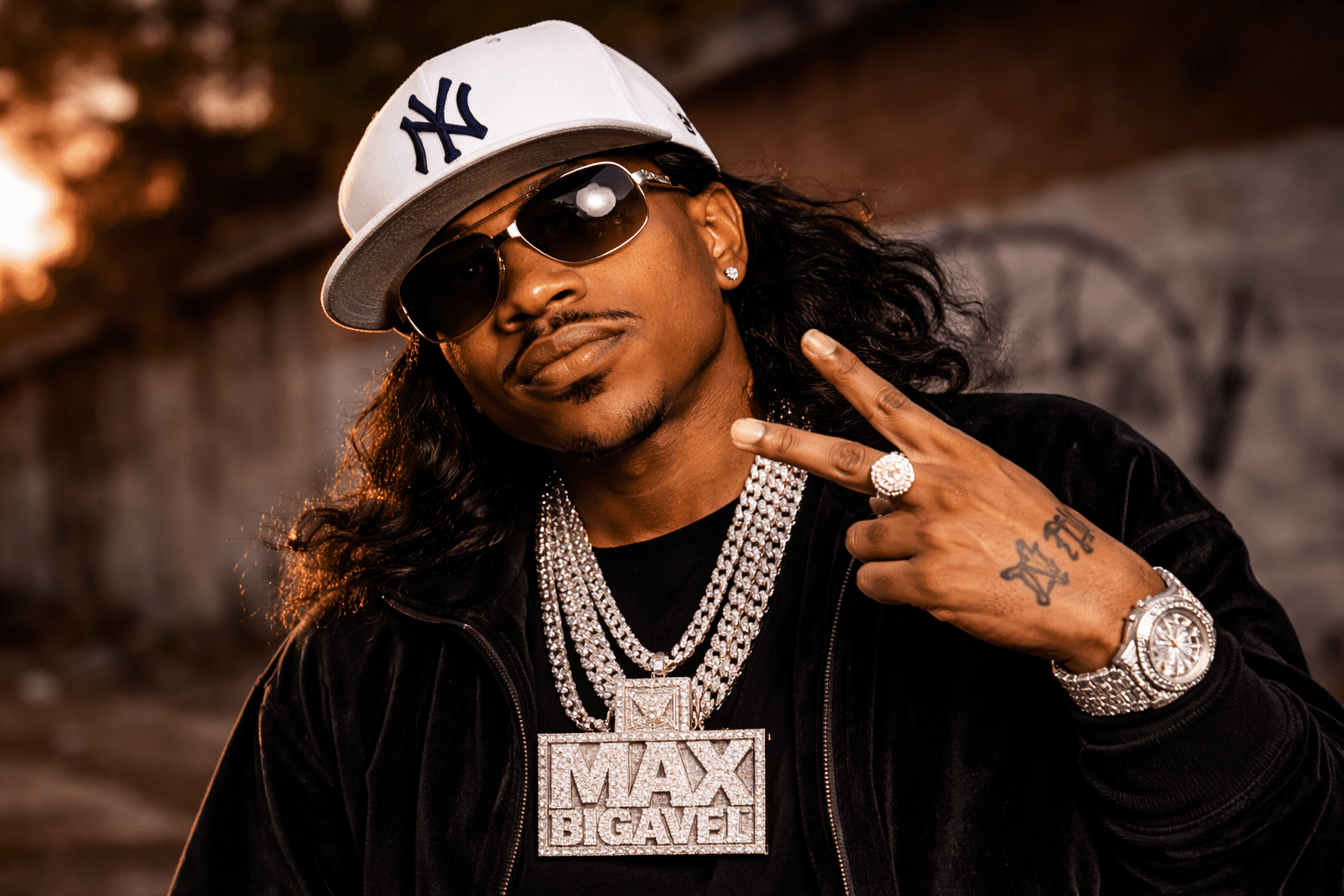
Max B’s story lives in the strange space where wasted time and permanent influence collide. He never got the kind of uninterrupted major-label run that usually seals a rapper’s place in mainstream history. Instead, he became something messier and more enduring: a cult hero, a Harlem folk figure, a prison-era myth, and a stylist whose fingerprints ended up all over modern rap even while he was physically absent from it. That is why Charley Wingate still matters. His career was interrupted. His sound was not.
To tell the story of Max B properly, you have to tell it as more than a prison story. Yes, incarceration became central to his mythology. Yes, the 2009 conviction and the years that followed turned him into one of rap’s most discussed absent presences. But before that, he was already building a language. He was blurring rapping and crooning in a loose, emotional, melodic way that felt slippery and alive. He was making Harlem rap sound glamorous, wounded, funny, oceanic, and unbothered all at once. And long before the word “melodic” became a lazy industry category, Max B was showing how rap could float.


Before he was the Wave God, he was a Harlem kid with a voice that did not sound like anybody else
Max B was born Charley Wingate on May 21, 1978, and raised in the Abraham Lincoln Houses in Harlem. That origin matters because Harlem has always demanded style as much as skill. In Harlem rap history, presence is not a luxury. It is part of the art. That city block energy — talkative, fashionable, flirtatious, dangerous, improvisational — was already in Max before most listeners outside New York knew his name.
His early life was marked by instability and street pressure. He was largely raised by his grandparents while his mother struggled with addiction, and by 1997 he was serving time on a robbery case. That first prison sentence lasted until 2005. When people talk about Max B as though he arrived fully formed in the mid-2000s mixtape era, they sometimes miss how much life had already happened before the wave became visible. The ease in his voice was earned through years that were anything but easy.
After his 2005 release, he moved quickly into music. He did not return sounding polished in the conventional industry sense. He returned sounding charismatic. That distinction is crucial. Max B’s power was never that he sounded technically perfect. It was that he sounded alive. His voice bent notes, dragged syllables, curled around hooks, and made a verse feel half-thought and fully felt at the same time. He made imperfection feel expensive.
ByrdGang gave him exposure, but the Jim Jones split gave him mythology
Max B’s early post-prison rise is tied closely to Jim Jones and the ByrdGang orbit. Max signed into that world at a moment when Dipset-related energy still carried major weight in New York. He wrote, appeared on records, and became part of a movement that already had visibility. For a while, it looked like the relationship might be his route into a more conventional breakthrough.
But Max B was not built for clean subordination. Money disputes, songwriting grievances, ego, loyalty issues, and public disrespect all pushed the relationship toward collapse. By 2008, the split between Jim Jones and Max B had turned ugly and public, and what followed became one of the defining feuds of New York’s internet-mixtape era. The breakup hurt his access to traditional industry leverage, but it also liberated his narrative. From that point on, Max B no longer felt like a talented affiliate. He felt like a full rogue star.
That mattered because the feud sharpened the way audiences saw him. He became the artist who had talent, style, hooks, controversy, street sympathy, and a sense of betrayal hanging over everything. In rap, that combination often produces stronger mythology than ordinary success does. Max B’s career stopped looking linear. It started looking fated.
May 21, 1978: Charley Wingate is born in Harlem, New York.
1997–2005: He serves his first prison sentence on a robbery case.
2005: He returns home and begins pursuing music seriously.
2006: He becomes publicly tied to Jim Jones and ByrdGang.
2007–2008: The Public Domain and Million Dollar Baby runs establish him as a singular Harlem mixtape star.
2008: His fallout with Jim Jones becomes public.
February 5, 2009: Max B and French Montana release Coke Wave.
2009: He is convicted in the Fort Lee case and later sentenced.
September 16, 2016: His sentence is reduced after a plea to aggravated manslaughter.
November 9, 2025: Max B is released from prison.
The mixtape run is where the real legend was built
If somebody wants to understand why Max B still inspires reverence, the answer is not hidden in one radio single. It is in the tapes. The Public Domain series, the Million Dollar Baby series, loose songs, features, freestyles, and the restless flood of material between roughly 2006 and 2009 created the real foundation of his legacy. That run made him feel both constant and unpredictable. There was always another Max B song, another hook, another phrase, another clip, another mood.
He worked in the mixtape format the way some artists work in novels. The tapes were not just containers for songs. They were worlds. They were full of longing, seduction, flexing, betrayal, arrogance, cracked humor, melancholy, petty revenge, and weirdly beautiful laziness. Max B could make a record feel narcotic without sounding sleepy. He could sound wounded without sounding weak. He could sound joyous without sounding naive. Very few rappers have ever balanced those states so naturally.
What made the run even more important is that he was doing this during a period when New York was trying to figure out its next identity. The city had not yet fully surrendered to later forms of melody-driven rap, and it had not yet accepted that street rap could be loose, tuneful, emotional, and swaggering without losing danger. Max B helped open that door.

French Montana was not just a collaborator. He was part of the wave’s transmission system
No serious Max B documentary can ignore French Montana. Their partnership mattered musically, culturally, and historically. French was not simply a frequent collaborator. He was one of the key conduits through which Max B’s sound and sensibility traveled deeper into the internet rap bloodstream. The Coke Wave tapes captured a chemistry that felt both local and larger than New York.
Max brought the loose melody, the emotional fog, the language, and the sense that songs could drift without losing force. French brought hunger, media instinct, and a relentless talent for circulation. Together they made records that felt like expensive corner music: glamorous, slippery, conversational, luxurious, and slightly doomed. Even when the songs were rough, the mood was coherent.
That is a big reason Max B’s influence became wider than many imprisoned artists ever manage. His collaborator was still outside, still visible, still building, and still carrying parts of the aesthetic forward. The wave had an ambassador.
The prison years froze the body but enlarged the legend
In 2009, Max B’s rise slammed into the criminal justice system. He was convicted in connection with the 2006 Fort Lee hotel robbery and homicide case, then sentenced to a severe prison term that initially appeared likely to keep him gone for decades. In practical terms, that should have ended his chance at full artistic realization. In symbolic terms, it did the opposite. It turned him into one of rap’s most discussed missing figures.
Prison changed the meaning of his catalog. Songs that had once sounded loose and immediate started to sound prophetic, interrupted, ghostly. The culture kept circling back to him because he seemed to belong simultaneously to the past and the future. He had made music that was ahead of its moment, then disappeared before he could spend years publicly benefiting from that fact. That kind of absence intensifies legacy.
His name became ritualized in rap conversation. “Free the Wave” was not just fan language. It was a recurring sign that audiences felt his imprisonment as a real cultural loss. The culture did not only remember him. It waited for him.


Why modern rap sounds more like Max B than many people admit
Max B’s influence is often summarized too vaguely, as if saying “he influenced melody” is enough. It is not. What he changed was subtler. He helped normalize a kind of rap performance where bars could feel sung without fully becoming singing, where pain could feel breezy, where hooks could sound improvised and still stick, and where charisma mattered more than technical neatness. He made emotional slackness sound like style.
That aesthetic eventually became foundational to a huge amount of later rap. Not every artist borrowed directly, but the air changed in his direction. The gap between rapping and crooning grew more fluid. Slang became more important as atmosphere. Melancholy became less solemn and more fashionable. Street music became more comfortable sounding luxurious, romantic, and wounded in the same breath. Max B was not the only artist in that evolution, but he was one of the clearest early architects.
His influence also stretched beyond pure sound. He understood branding before many rappers used that word so openly. “Wavy” was not just slang. It was an attitude, a mood, and a whole self-created universe. That kind of world-building is now standard. When younger rappers create entire micro-languages around themselves, they are working in terrain Max B helped popularize.
The sentence reduction kept the story alive, and freedom changed the ending
In 2016, Max B’s legal situation shifted significantly when his original sentence was reduced after a plea to aggravated manslaughter. That development mattered because it transformed his story from permanent myth to delayed return. For nearly a decade after that, rap fans lived in a strange anticipation cycle: half nostalgia, half countdown.
During those years, the culture kept invoking him because his release no longer felt impossible. It felt eventual. That changed the emotional tone of his legacy. He was no longer just a symbol of loss. He was also a symbol of suspended possibility. Would he come home and reclaim something real? Would the music still connect? Would younger audiences, raised in a world already shaped by his influence, understand the source?
When Max B was finally released on November 9, 2025, it closed one chapter but opened another. By that point, his legend was secure. Freedom could not make him more important than the absence already had. But it could give him something rarer: the chance to exist inside his own legacy while still alive to answer it.
Max B’s legacy works because it is bigger than the records and sadder than the records
Some rap careers are easy to summarize. Max B’s never was. He did not become the kind of mainstream institution his raw talent might once have suggested. He lost years that artists cannot simply re-create. He spent too much of his prime outside the world he helped shape. In that sense, his story absolutely contains waste. There is no honest way around that.
But waste is not the whole story. What survived is too powerful for that. The tapes survived. The slang survived. The melodic looseness survived. The way he made rap feel oceanic and improvisational survived. The idea that a street rapper could sound emotionally blurred and still fully in control survived. Modern rap did not become Max B, exactly. It became much more comfortable living in territory he had already mapped.
That is why he remains one of those figures who feels more important with time. The industry did not fully cash in on him while it could. The courts kept him away too long. But the culture did what it often does with artists who arrive too early and vanish too abruptly: it turned him into a reference point. Max B became the answer to a question younger artists did not always know they were asking.
In the end, that is why the title “Wave God” stuck. It was more than a nickname. It was a recognition that Max B did not just have songs. He had motion. He had weather. He had a sensibility that kept moving through rap after the man himself had been taken out of circulation. The prison years slowed his life. They did not stop the wave. And by the time he came home, modern rap was already full of proof that the current he started had never really left.
Editorial note: This article is part of Raptology’s ongoing documentary series on rap history, incarceration, regional movements, mixtape culture, and the artists whose influence grew even while they were absent.
For editorial inquiries, artist updates, press pitches, or corrections related to this article, contact [email protected].
For factual corrections, contact [email protected].
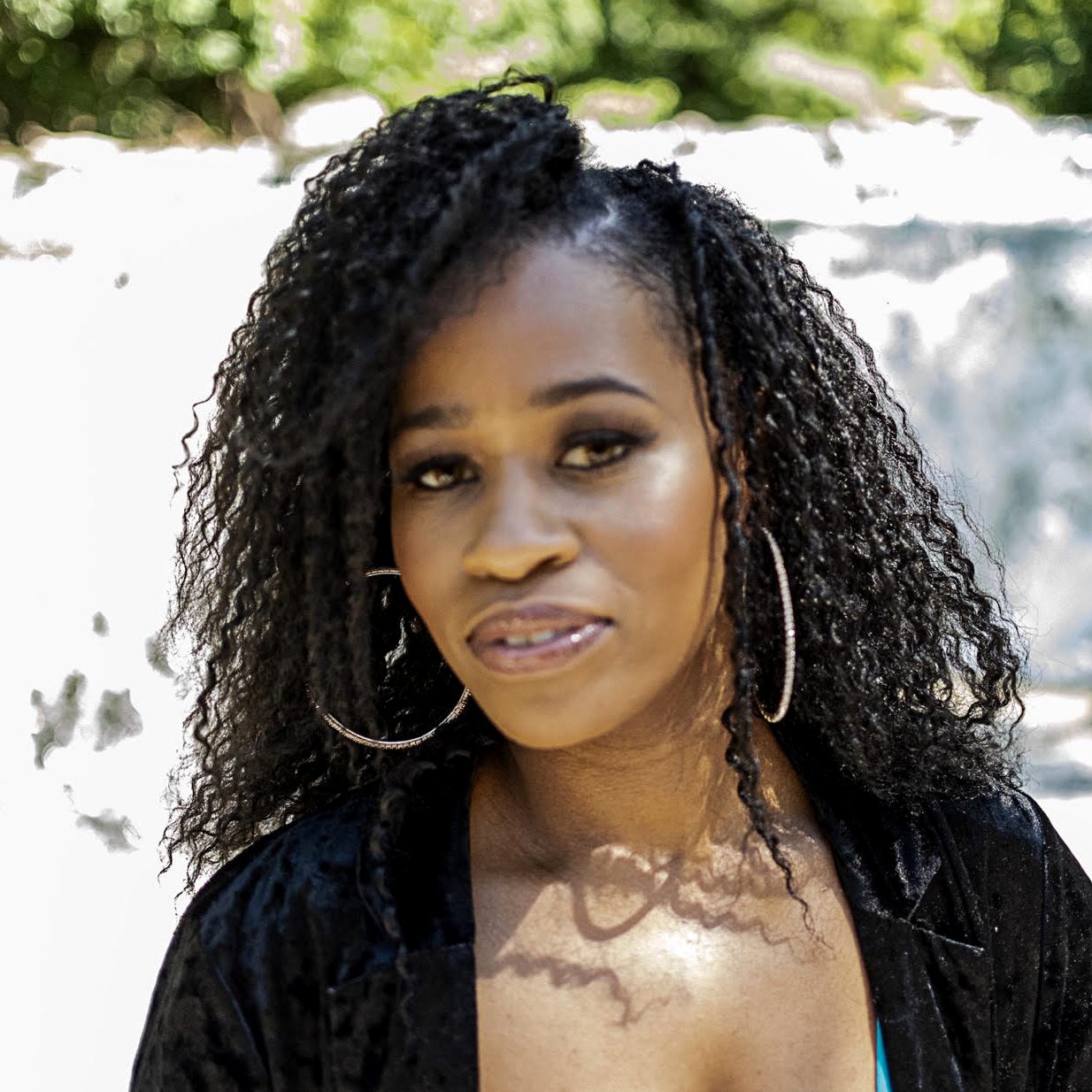
Hulda Hicks was born in Brooklyn, NY in the late ’70s, at the time when Hip-Hop music was just emerging as an art form. Her entire life was influenced by the culture, having grown up in the epicenter of the creative movement.
As a trained musician and vocalist, Hulda got exposed to the industry in her twenties and has worked on projects with iconic figures such as the Chiffons, the Last Poets, and Montell Jordan, to name a few. Her passion for music extended past the stage on to the page when she began to write ad copy and articles as a freelancer for several underground publications.
A written review from “Jubilee Huldafire” is as authentic as it gets, hailing from one creative mind that has a unique voice, on paper and in person.