
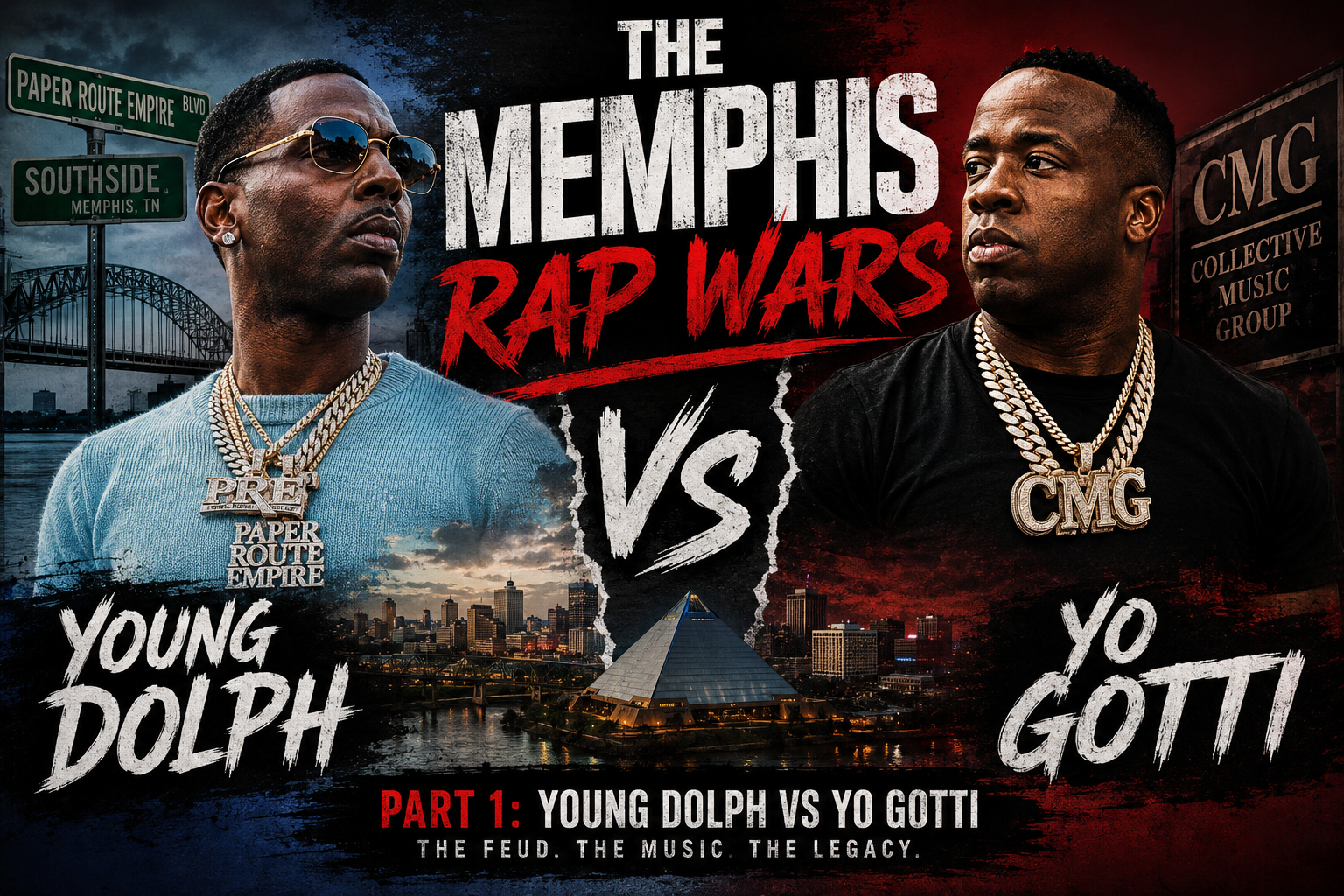
Memphis Rap Wars Series
✓ Part 1: Young Dolph vs Yo Gotti
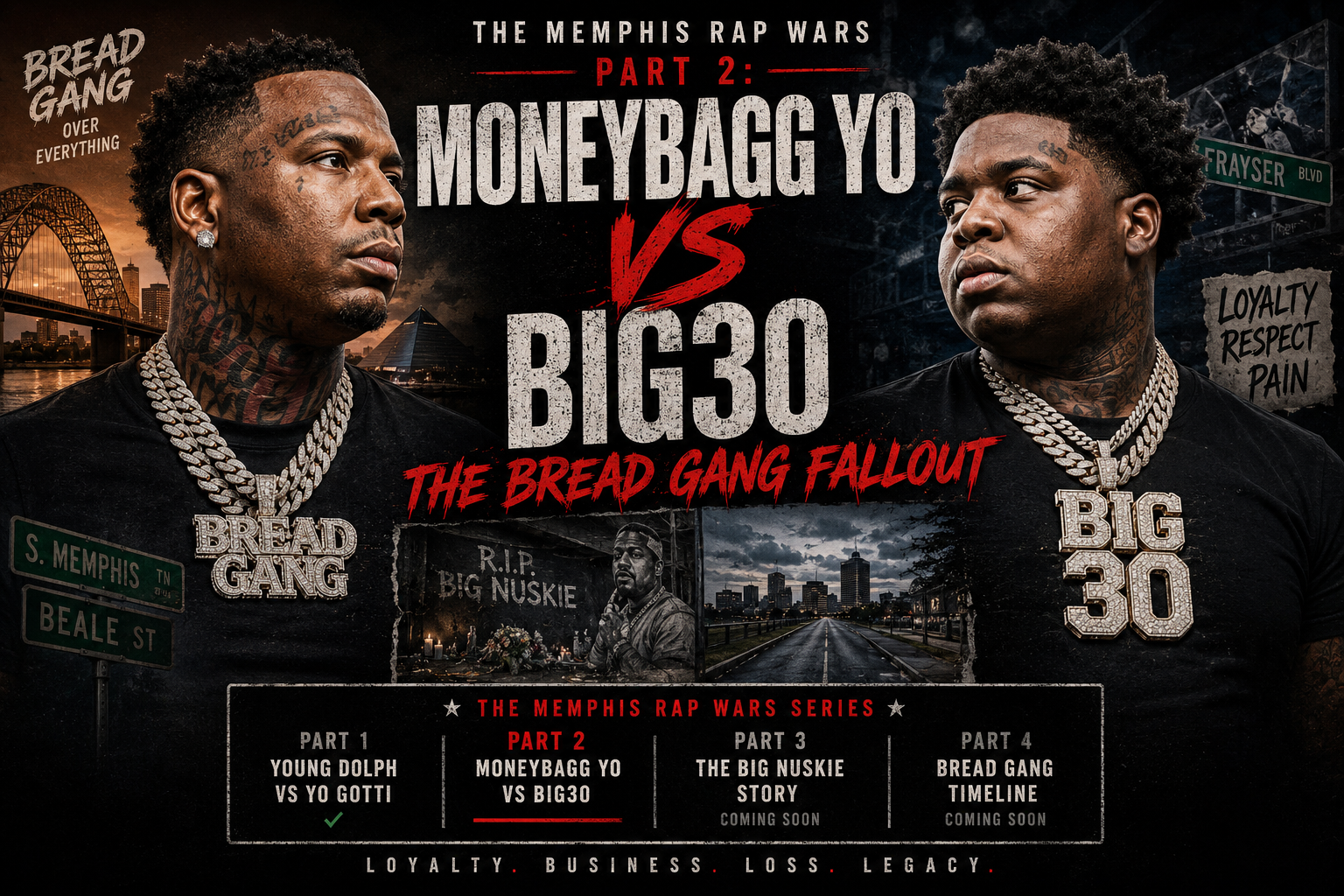
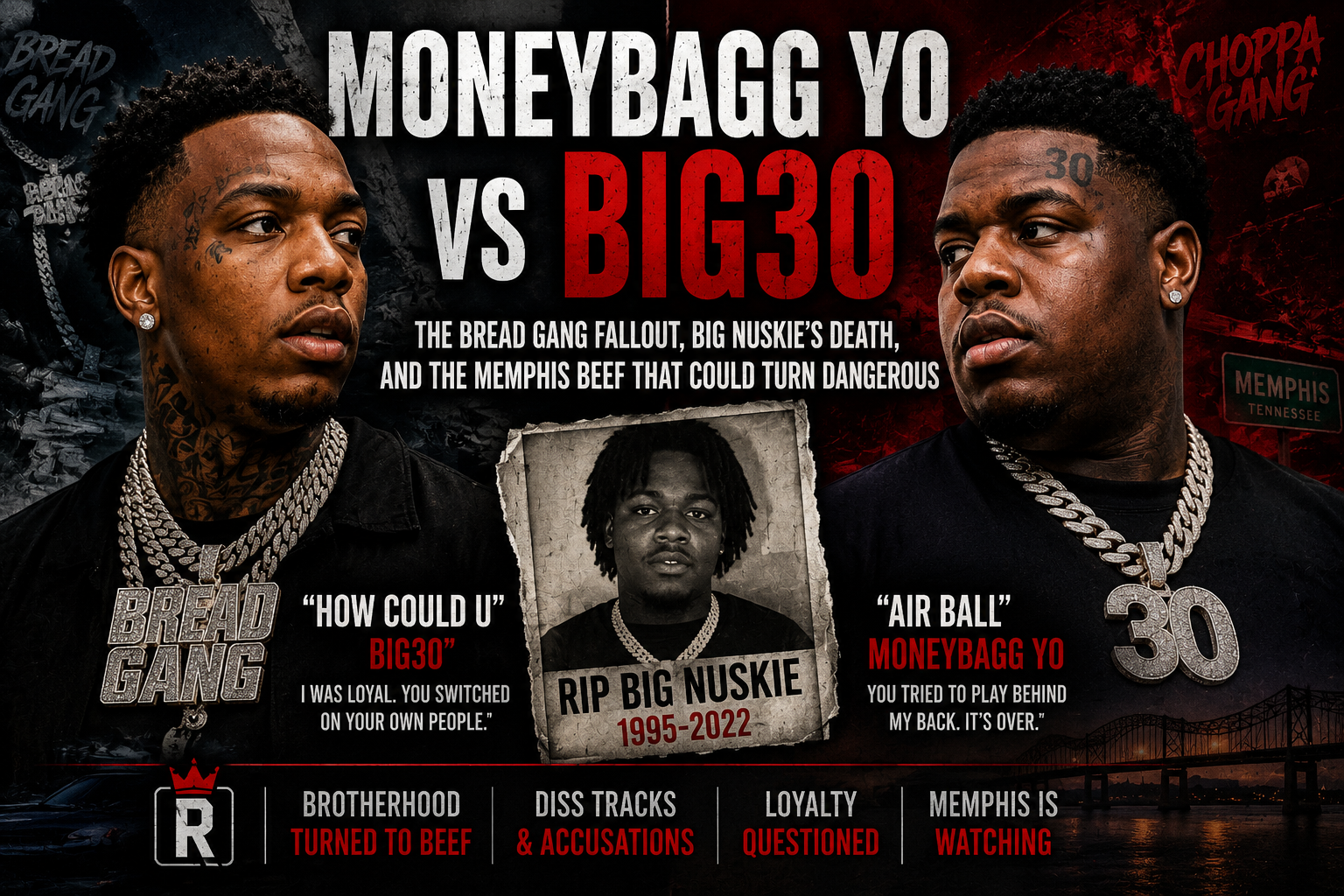
Part 2: Moneybagg Yo vs BIG30
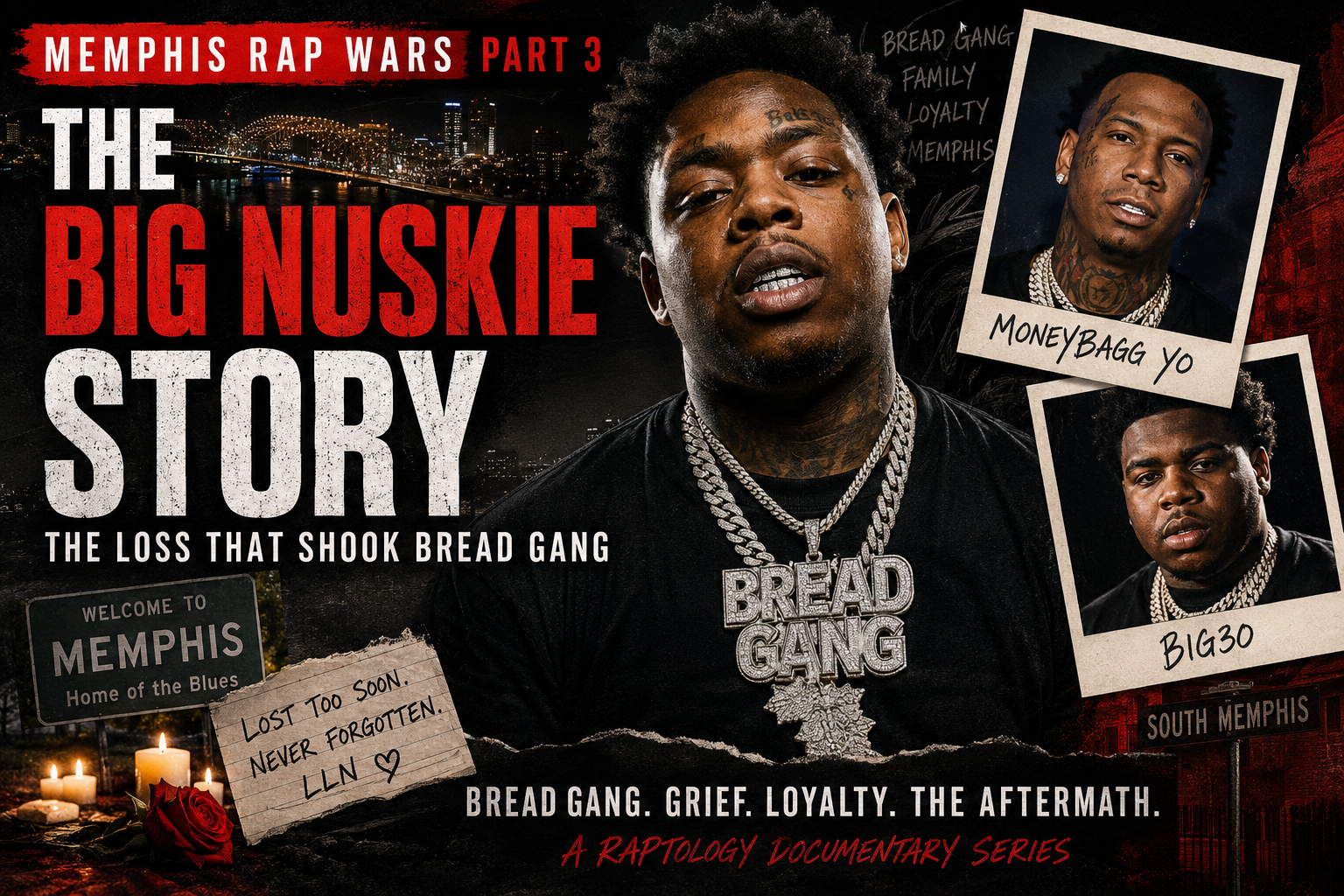
Part 3: The Big Nuskie Story
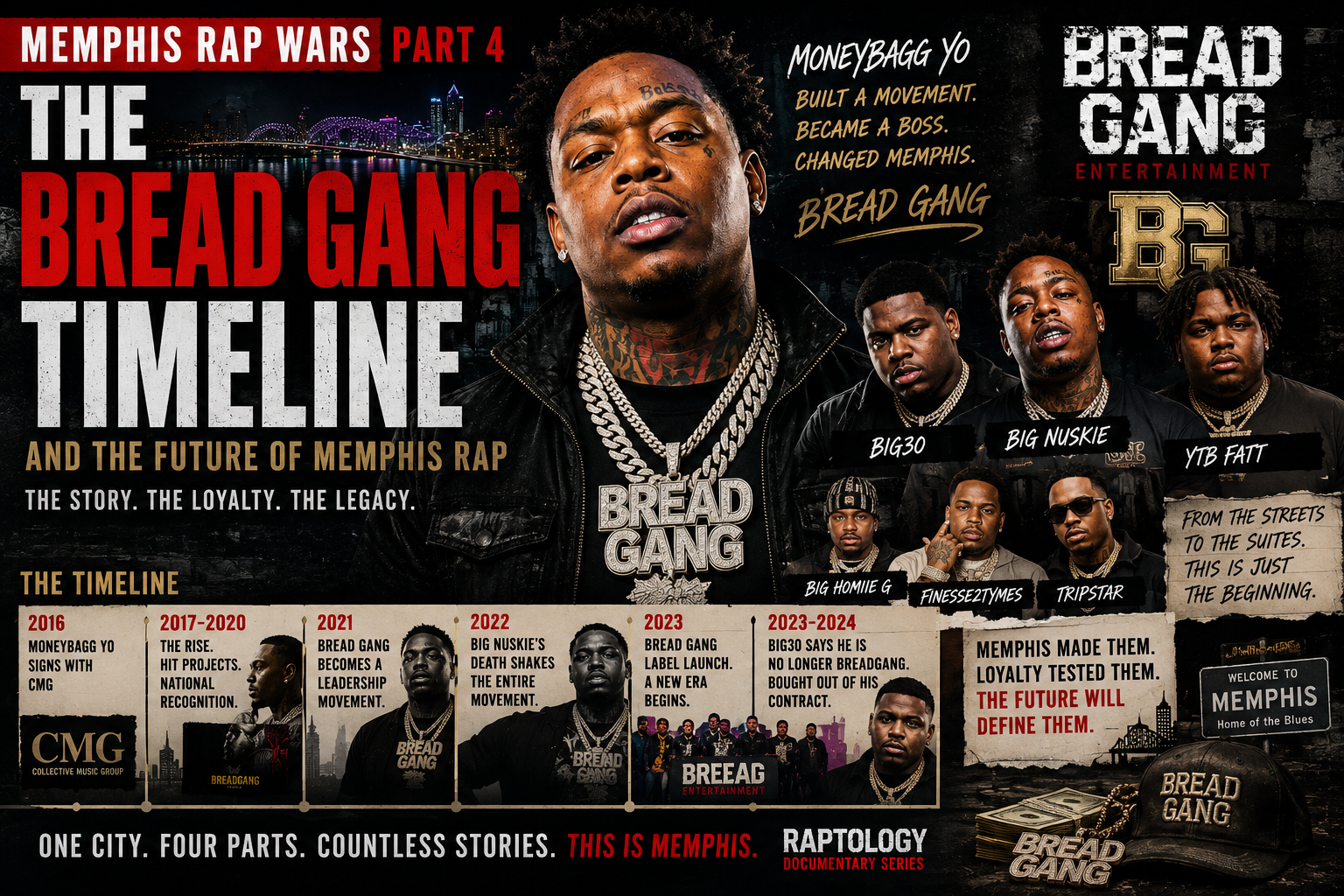
Part 4: Bread Gang Timeline
Are You An Independent Artist Looking For Real Coverage?
Raptology covers the culture, but it also gives rising artists a place to be seen. If you have a serious release, video, or story behind your music, submit it for editorial consideration.
Submit Your MusicBefore Young Dolph became a symbol of independent success, and before Yo Gotti turned Collective Music Group into one of the most visible rap labels in the South, both artists were products of the same city. Memphis shaped their sound, their business instincts, and the tension that eventually made their names inseparable in hip-hop history.
The Young Dolph and Yo Gotti feud was never just about two rappers trading insults. It became a story about independence, territory, label power, neighborhood loyalty, ego, money, and the way local rap scenes can become divided when two major forces rise from the same soil. To understand why the situation carried so much weight, you have to start with Memphis itself.
.jpg "The Memphis Rap Wars, Part 1: How Young Dolph And Yo Gotti’s Feud Changed Memphis Hip-Hop Forever 2")
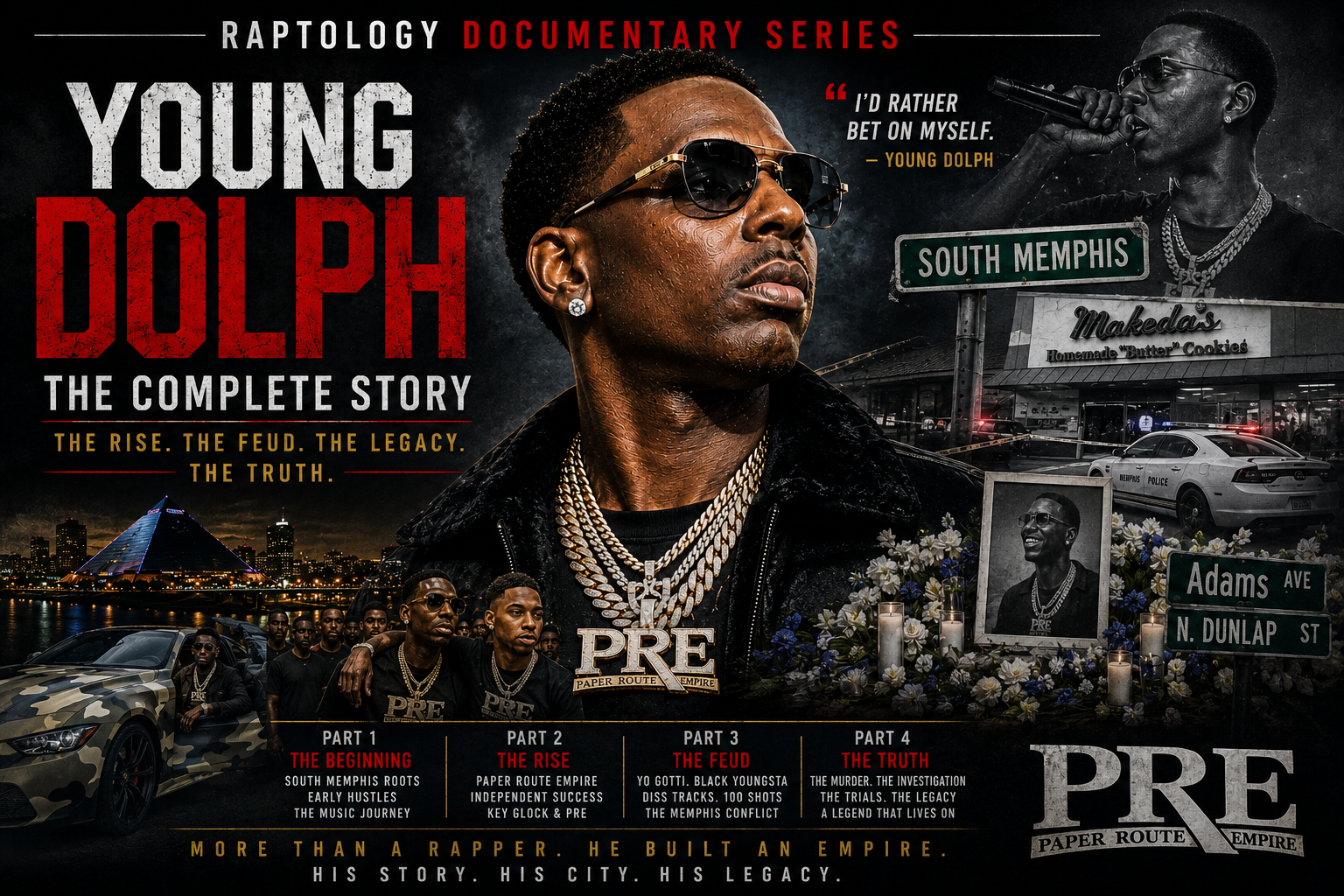
Young Dolph became one of Memphis rap’s most important independent figures, building Paper Route Empire into a symbol of ownership and self-control. Image via Wikimedia Commons.
Memphis Was Never Just A Backdrop
Memphis has always produced rap with a different kind of gravity. The city’s music is raw, direct, and often tied closely to real neighborhoods, real crews, and real consequences. Long before the streaming era, Memphis had already created its own underground language through mixtapes, trunk-rattling production, street DVDs, and regional stars who moved like local legends before the industry fully understood them.
Yo Gotti came from that older Memphis grind. By the time many national listeners became familiar with him, he had already spent years building his name through underground releases, street promotion, and a business-first approach that eventually became CMG. His path was slow, disciplined, and built on turning regional respect into national leverage.
Young Dolph represented a different version of Memphis ambition. He was charismatic, defiant, and fiercely independent. Instead of presenting himself as someone waiting for a major label to validate him, Dolph built Paper Route Empire around the idea that an artist could own his movement, control his catalog, and become rich without asking permission.
The Reported Label Tension
One of the most repeated origins of the feud centers on Dolph reportedly declining an opportunity to sign with Yo Gotti’s CMG. Over the years, that story became part of the mythology surrounding the rivalry. Whether every detail was exactly as fans retell it or not, the idea mattered because it framed the tension as more than personal dislike.
In rap, turning down a deal can be interpreted in different ways. To one artist, it can be business. To another, especially inside a competitive city, it can feel like rejection, disrespect, or a challenge. Dolph’s public image was built around not needing anyone, and that independence became one of the traits fans admired most about him.
Yo Gotti, meanwhile, was building the kind of infrastructure that could change an artist’s life. CMG would eventually become home to major acts and a serious force in the industry. In another timeline, Dolph and Gotti might have represented two sides of the same Memphis empire. Instead, fans watched the relationship harden into one of the most discussed feuds in Southern rap.
When The Feud Became Public
By 2016, the friction was no longer something fans whispered about. Young Dolph released King of Memphis, a title that immediately carried competitive meaning in a city where Yo Gotti had already been seen by many as one of the leading figures. The title alone became a statement, whether Dolph intended it as artistic confidence, marketing, or a direct challenge.
The situation grew more visible through diss records, interviews, social media commentary, and fan speculation. In hip-hop, perception can move faster than facts. Once listeners believe two camps are at war, every lyric, caption, concert appearance, and business move gets interpreted through that lens.
Dolph leaned into his independence. He made the refusal to bend part of his brand. Gotti, at times, publicly downplayed the conflict and suggested he had no real issue with Dolph, but the culture had already turned their names into opposing symbols. One represented the established executive path. The other represented the artist-owner who would rather bet on himself.
Why Fans Chose Sides
The feud became powerful because it gave fans a simple but emotional storyline. Yo Gotti was the veteran who had climbed from the Memphis underground into the industry’s executive class. Young Dolph was the independent rebel who rejected the machine and won anyway. Both stories were compelling, but together they created a divide.
Some fans saw Gotti as the blueprint. He built CMG into a label with reach, structure, and major industry relationships. Others saw Dolph as the more inspirational figure because he turned independence into a lifestyle and constantly reminded artists that ownership could be more valuable than fame.
That split mattered beyond fan arguments. In cities with tight rap communities, allegiances can become personal. Producers, DJs, promoters, artists, and street figures may all feel pressure to choose a side, or at least avoid being seen as too close to the wrong one. That is how a musical rivalry can become a citywide atmosphere.
Watch Related Videos On YouTube
To avoid broken embedded players, this article uses direct YouTube links instead of iframe embeds. These links open in a new tab and keep the article layout clean on mobile.
Watch Young Dolph – Major Watch Young Dolph Discuss Memphis Watch Dolph Speak On SurvivalThe Violence Around The Story
As the feud continued, the public conversation became darker because Young Dolph survived multiple high-profile shooting incidents before his death. In February 2017, Dolph was targeted in a shooting in Charlotte, North Carolina, where his SUV was reportedly hit with many rounds. Instead of retreating, he later released an album called Bulletproof, turning survival into part of his mythology.
Later in 2017, Dolph was shot in Los Angeles and hospitalized. These incidents intensified the public perception that the conflict surrounding him was no longer just music. It is important to be careful here: not every act of violence around a rapper can be cleanly reduced to one feud, and responsible reporting should not treat internet theories as proven fact.
Still, the combination of diss records, public tension, and real violence created a chilling backdrop. Fans were no longer just debating who had the better catalog or who really owned the title of king of Memphis. They were watching a rivalry that seemed to carry real-world danger.

Young Dolph in 2017, the year when the public feud conversation intensified around diss records, shootings, and questions about Memphis rap allegiances. Image via Wikimedia Commons.
Think You Have The Next Story In Hip-Hop?
Raptology’s rap contest gives independent artists another way to get discovered, build momentum, and put their music in front of a hip-hop audience that actually pays attention.
Enter The Rap ContestDolph’s Independent Win
What made Young Dolph different was that he did not just talk about independence. He built a business around it. Paper Route Empire became more than a label name. It became a philosophy that connected with artists who felt overlooked, underestimated, or pressured to sign away too much too early.
Dolph’s success made the feud more complicated. If he had failed independently, the story might have been dismissed as pride getting in the way of opportunity. Instead, he proved that his path could work. He bought luxury cars, fed his family, invested in artists, and built a fan base that saw him as proof that ownership could be glamorous too.
That is why Dolph’s supporters treated him almost like a folk hero. He was not just another rapper with money. He was the artist who said no, stayed independent, and still became a star. In a genre where business control is often hidden behind image, Dolph made ownership part of the image itself.
Yo Gotti’s Empire Kept Growing
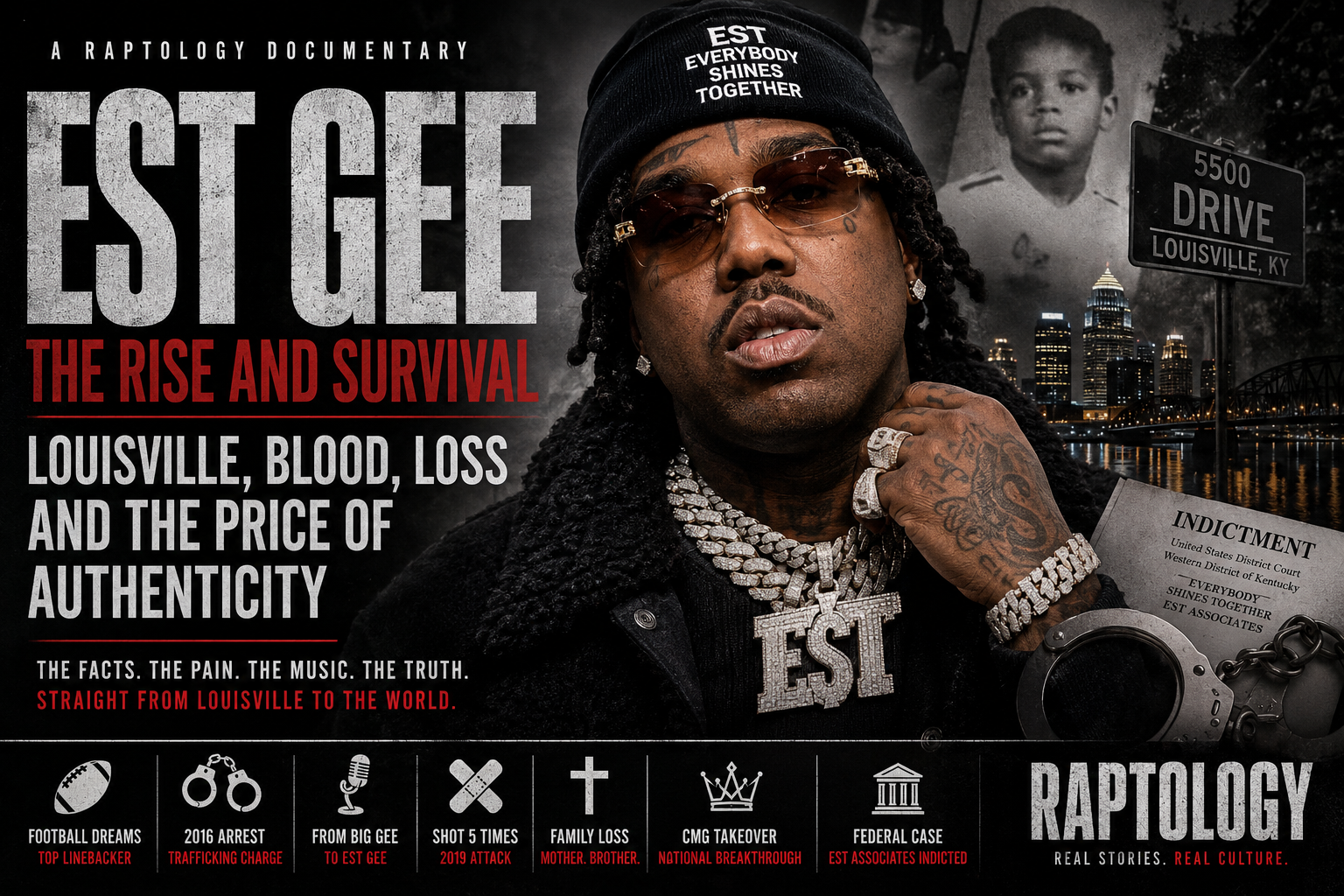
At the same time, Yo Gotti’s career cannot be reduced to the feud. CMG became one of the most important modern rap labels, helping elevate artists such as Moneybagg Yo, Blac Youngsta, EST Gee, 42 Dugg, and others. Gotti’s move from rapper to executive showed another kind of power: the ability to build a platform that outlives a single album cycle.
That is part of what makes the Young Dolph and Yo Gotti story so layered. Both men represented real success. Both came from Memphis. Both understood the music business. Both built brands that other artists wanted to be near. Their conflict became so magnetic because it was not a simple case of one winner and one loser.
Instead, the city produced two different models of power at the same time. One model was the independent boss who owned his route. The other was the label executive building a roster. Memphis did not have to choose between those models, but the culture often acted like it did.
The Day Memphis Changed
On November 17, 2021, Young Dolph was shot and killed at Makeda’s Homemade Butter Cookies in Memphis. He was 36 years old. The news immediately shook the city and the wider hip-hop world because Dolph had become more than a rapper to many fans. He was a hometown figure, a father, a businessman, and a symbol of refusing to fold.
His death also changed the way people looked back at the feud. What had once been discussed as rap drama now felt heavier and more tragic. Online, fans revisited old lyrics, interviews, and timelines, trying to understand how years of tension, rivalry, and danger had led to one of the most painful losses in modern Memphis rap.
Legally and factually, it is important to separate documented events from fan speculation. Young Dolph’s murder case has involved specific defendants and court proceedings, and responsible coverage should not simply assign blame based on rap beef narratives. But culturally, there is no question that his death became permanently tied to the larger story of Memphis rap conflict.

A Young Dolph memorial photographed after his death. His passing turned years of rap rivalry discussion into a much heavier conversation about legacy, violence, and the cost of conflict. Image via Wikimedia Commons, CC BY-SA 4.0.
What The Feud Left Behind
The Young Dolph and Yo Gotti feud remains one of the defining stories in Memphis hip-hop because it exposed how success can create pressure inside a city. When two artists from the same place become powerful in different ways, fans often want to turn their careers into a scoreboard. In Memphis, that scoreboard became emotional, public, and eventually painful.
Dolph’s legacy continues through Paper Route Empire, his music, and the artists who still carry his influence. Yo Gotti’s legacy continues through CMG and the business structure he built. The tragedy is that Memphis had room for both visions, but the public narrative often framed them as enemies in a city where rap already carried enough pressure.
This is why Part 1 of the Memphis Rap Wars series matters. It is not just the beginning of a feud. It is the beginning of a larger story about how Memphis rap entered a new era, how alliances shifted, how street politics and industry ambition collided, and how the next generation inherited unresolved tension.
Rap Hall Of Fame Connection
Young Dolph’s impact on independent rap makes him an important figure in any serious conversation about modern Southern hip-hop legacy. Explore more artist legacies inside the Raptology Rap Hall Of Fame, then continue through Rappers A-Z for more profiles and background stories.
Reader Poll: Which Part Of The Memphis Rap Wars Series Should Raptology Drop Next?

Natalia is a Rap and Hip Hop enthusiast. After graduating from The New School of New York’s Public Relations Program and taking a course in Journalism at Michigan State University, she decided to dedicate her life to the music publishing business and to the discovery of new talent. She helps new artists gain exposure to the masses via online marketing and publications.


Leave a Reply