
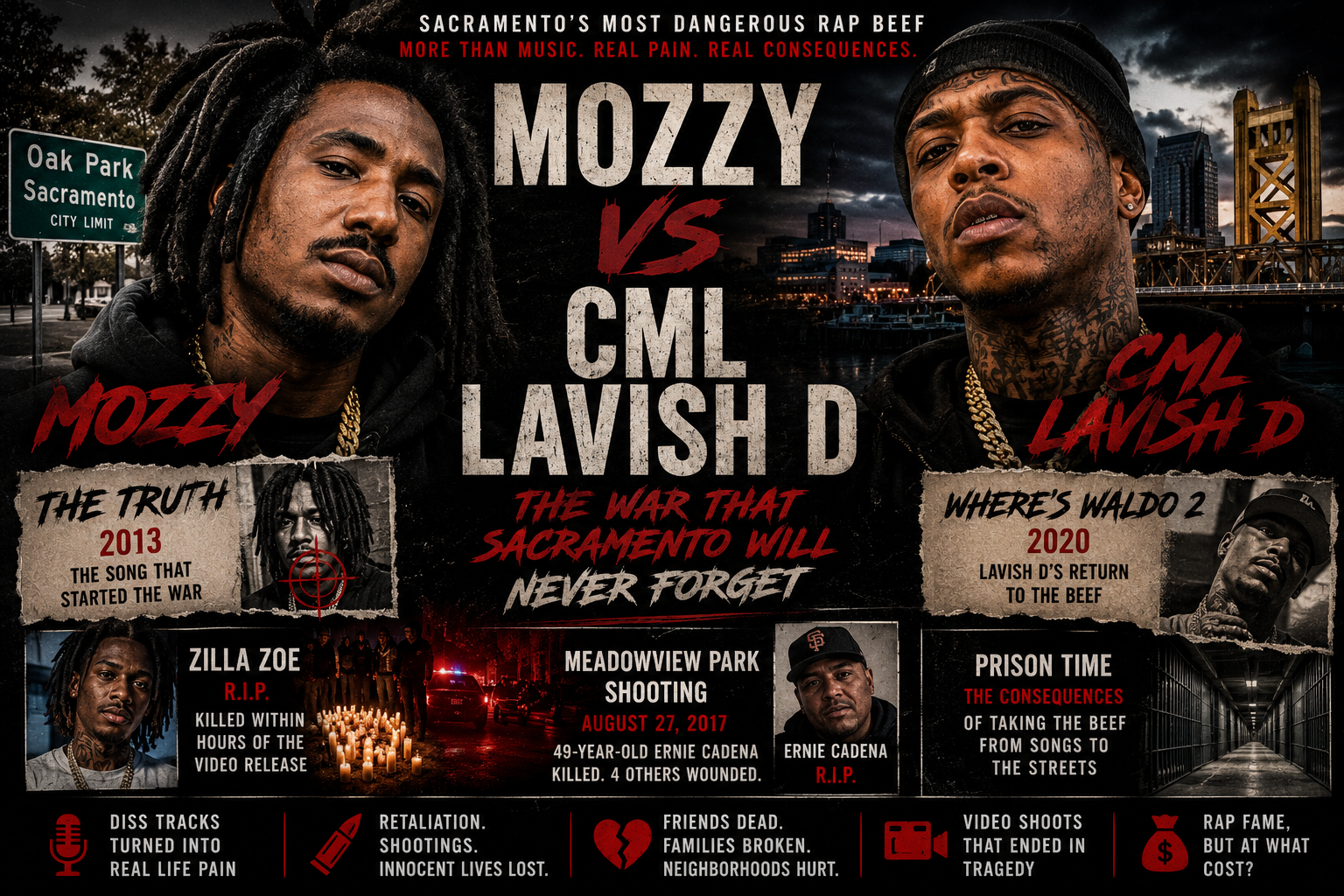
Before Mozzy became one of Sacramento’s most important rap exports, his name was already tied to one of the city’s most dangerous and emotionally loaded rap conflicts. The long-running tension between Mozzy and CML Lavish D was never just a music rivalry. It was a street feud that moved through diss tracks, neighborhood pride, public disrespect, prison time, video shoots, violence, and years of unanswered grief.
The uploaded transcript frames the conflict as one of Sacramento rap’s deadliest stories, describing a beef that allegedly stretched across years and left families, neighborhoods, artists, and fans trying to make sense of what started in the streets and spilled into the music. Because many of the claims around this conflict come from interviews, diss records, street-media commentary, social media posts, and disputed accounts, this article separates public reporting from allegations and presents the most serious claims carefully.
Case Snapshot
Main artists: Mozzy and CML Lavish D
City: Sacramento, California
Core conflict: A long-running street and rap dispute tied to neighborhood pride, public disrespect, diss records, and alleged retaliation
Key record: Mozzy’s “The Truth,” released in 2013 and widely discussed as a turning point
Major loss: Zilla Zoe, a Mozzy associate who appeared in “The Truth” video, was reportedly killed within hours of the video’s release
Major public incident: The August 2017 Meadowview Park shooting during a rap video shoot killed 49-year-old Ernie Cadena and wounded four others
Later chapter: Lavish D returned to the conflict publicly with records such as “Where’s Waldo 2” after prison and parole restrictions
Are You An Independent Artist?
Raptology covers rising artists, regional rap movements, street stories, music videos, and independent hip-hop culture. If you are building momentum and want your music seen by real rap readers, submit your music for editorial consideration.
Submit Your MusicSacramento Had Its Own Drill-Like Reality
When fans talk about violent rap conflicts, Chicago, Jacksonville, Baton Rouge, Memphis, and Atlanta often dominate the conversation. Sacramento is sometimes left out of that national discussion, but the Mozzy and CML Lavish D conflict shows why the city should never be treated like a footnote. Long before outsiders fully understood Sacramento street rap, local artists were already turning neighborhood tension into music that sounded painfully close to real life.
Mozzy emerged from Oak Park, a Sacramento neighborhood that became central to his identity and musical storytelling. CML Lavish D came from another side of the city and built his own reputation through Cash Money Lavish, street-coded music, and a public persona that refused to back down. Their conflict was not created in a studio for streams. By the time most fans noticed the music, the tension had already been building offline.
That is one reason the feud felt so combustible. The songs were not starting the problem from nothing. They were putting an existing conflict on wax, amplifying it, and giving both sides a larger audience. Once the internet began watching, the stakes changed.
Who Is Mozzy?
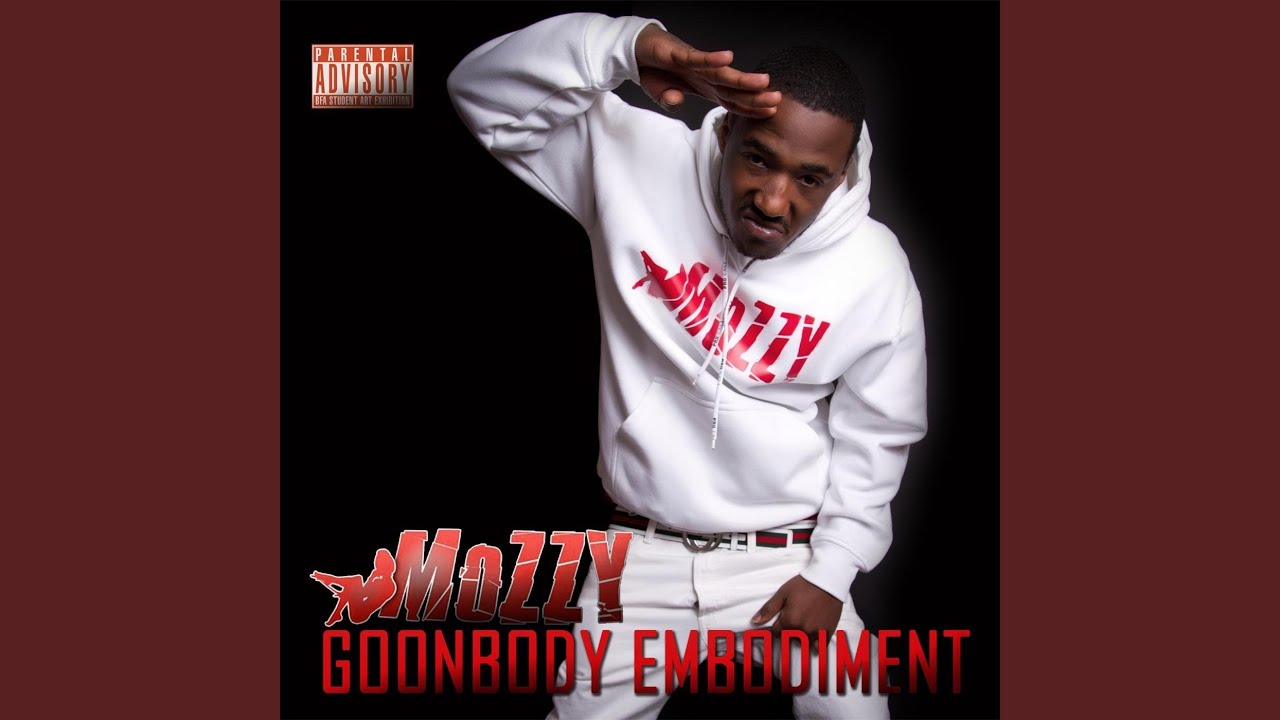
Mozzy, born Timothy Cornell Patterson, became one of Sacramento’s defining rap voices by turning pain, trauma, street politics, and survival into music that sounded direct and unfiltered. His rise was not overnight. Before national features, major label attention, CMG ties, Billboard placements, and broader industry respect, Mozzy built his name through local records, regional loyalty, and a distinct Sacramento language that made him sound unlike anyone else.
His 2015 run helped turn him from a local force into a name the entire rap industry had to acknowledge. But the roots of that rise went back earlier. Songs such as “The Truth” and “I’m Just Being Honest” became part of a pre-mainstream chapter where Mozzy’s music was deeply tied to real conflicts, real losses, and the kind of disrespect that could not be easily separated from street consequences.
For fans, that made the music feel authentic. For the city, it also made it dangerous. When names, neighborhoods, and dead rivals enter songs, listeners may treat it like entertainment, but people connected to those names often hear something much more personal.
Who Is CML Lavish D?
CML Lavish D, also known as Cash Money Lavish, became Mozzy’s most visible rival in the public storyline. The transcript describes Lavish D as someone whose reputation existed in the streets before many fans understood the full extent of the conflict. He built a following through music, interviews, diss records, and a willingness to address Mozzy directly.
Lavish D’s side of the story has often been told through interviews and records where he argues that the conflict was never one-sided and that Mozzy was never someone he feared. Whether listeners believe every claim or not, Lavish D’s refusal to disappear kept the beef alive long after many thought it might fade.
That is part of what made the conflict so intense. Mozzy eventually became the bigger mainstream artist. Lavish D remained the rival who continued pushing back, saying the public version of the story did not tell the whole truth.
Before “The Truth,” The Lines Were Already Drawn
The transcript emphasizes that the Mozzy and Lavish D conflict was not born from rap clout. According to the street-media narrative, the tension existed before the songs. The music simply made it visible to outsiders. That distinction matters because rap beef and street beef are not the same thing. Rap beef can be theatrical. Street beef carries consequences that do not stop when the beat ends.
One detail repeatedly mentioned in discussions of this conflict is the idea that Lavish D’s side had already recorded disrespectful material near Mozzy’s territory before Mozzy released the track that would become infamous. The transcript references a diss video allegedly filmed in Oak Park before Mozzy responded with “The Truth.” Whether every detail is accepted by all sides or not, the broader point is that the disrespect had already become public.
In street rap culture, filming in another side’s neighborhood is not treated like ordinary music promotion. It is seen as a message. It says, “We can stand here.” It challenges pride, safety, and reputation. Once that kind of challenge becomes public, a response often feels inevitable.
“The Truth” And The Moment Everything Escalated
In 2013, Mozzy released “The Truth,” a record that became one of the most infamous songs in Sacramento rap history. The track directly targeted rivals and named people in a way that supporters saw as fearless and critics viewed as dangerously disrespectful. According to Mozzy’s own later interview accounts and public summaries of the feud, the video carried consequences almost immediately.
One of Mozzy’s close associates, Alonzo Walsh, known as Zilla Zoe, appeared in the video. Within hours of the release, Walsh was killed. The exact responsibility for his death should not be assigned casually unless supported by court findings. What can be said is that Mozzy himself later connected the timing to the video’s message and described the killing as part of the backlash surrounding the song.
That moment changed how fans heard “The Truth.” What might have been viewed as a hard diss record became a symbol of how quickly music could intensify real-world danger. A song had gone public, a video had circulated, and someone connected to it was dead before the city could even process the release.
Zilla Zoe’s Death And The Weight Mozzy Carried
Zilla Zoe’s death became one of the most painful chapters in the feud. In interviews, Mozzy has spoken about the emotional impact of losing someone so close to him after the release of a record connected to such heavy disrespect. That is the part of these stories that fans often overlook. The same music that builds buzz can also leave artists carrying guilt, grief, or questions they may never fully escape.
The transcript describes Mozzy responding with grief in his music, pouring pain over beats after losing someone connected to the video. That shift is important. Mozzy’s rise was not simply built on aggression. It was also built on mourning. His music often sounded powerful because he rapped like someone who had already seen the cost.
In Sacramento, “The Truth” became more than a song. It became a turning point. The beef was no longer just about who could rap harder or disrespect louder. It had a body attached to the timeline, and that meant every future diss carried a different weight.
The Turning Point
Once a diss record becomes connected to a real death, the song stops being just entertainment. It becomes part of a living conflict that people carry into the streets, the courts, and the rest of their lives.
“I’m Just Being Honest” Pushes The Beef Further
Mozzy later followed with “I’m Just Being Honest,” featuring Philthy Rich. The record became another major entry in the feud and pushed the public disrespect even further. The song’s tone was direct, mocking, and confrontational, the kind of record that fans replay for quotables while people connected to the conflict may hear as a challenge.
Public sources identify the track as one of the records that intensified the feud with CML Lavish D. The transcript also describes Lavish D reacting strongly to the disrespect, especially when dead associates became part of the lyrical exchange. This is where Sacramento’s conflict began to resemble other rap feuds that turned dangerous: the music was no longer just about winning a battle. It was about defending names, reputations, and fallen friends.
Lavish D Fires Back
CML Lavish D did not let Mozzy control the entire public narrative. Through records, interviews, and social media commentary, he repeatedly challenged Mozzy’s version of events. The transcript references songs such as “Mac Blast,” “Where’s Waldo,” and later “Where’s Waldo 2” as part of Lavish D’s response strategy.
In those records, Lavish D presented himself as someone who had never been afraid of Mozzy and who believed Mozzy’s public image did not match the truth from his side of Sacramento. That is what made the back-and-forth so difficult to end. Mozzy had the bigger mainstream climb, but Lavish D kept positioning himself as the one who knew the story before the fame.
When both sides believe they are correcting the record, diss tracks can become less about music and more about history. Each artist is not only trying to insult the other. Each is trying to tell fans, “This is what really happened.”
The Mall Incident And Prison Time
One of the most infamous moments in the feud involved an attack on Mozzy’s manager at a mall. In interviews, Lavish D has discussed the incident and described recording and posting it as a direct response to the disrespect he felt was coming from Mozzy’s side. The transcript says that decision created serious legal consequences and contributed to Lavish D serving prison time.
That incident shows how quickly a rap dispute can move from songs to physical consequences. A diss record creates public pressure. Someone feels disrespected. A confrontation happens. The video gets posted online. The internet reacts. Then law enforcement, prosecutors, judges, and parole officers become part of the story.
For Lavish D, incarceration created another layer of frustration. According to interview accounts referenced in the transcript, he had to watch Mozzy’s career grow while he was locked up and later constrained by parole conditions. That imbalance added fuel to the rivalry. Mozzy’s name was rising nationally while Lavish D was unable to respond freely.
The Meadowview Park Shooting
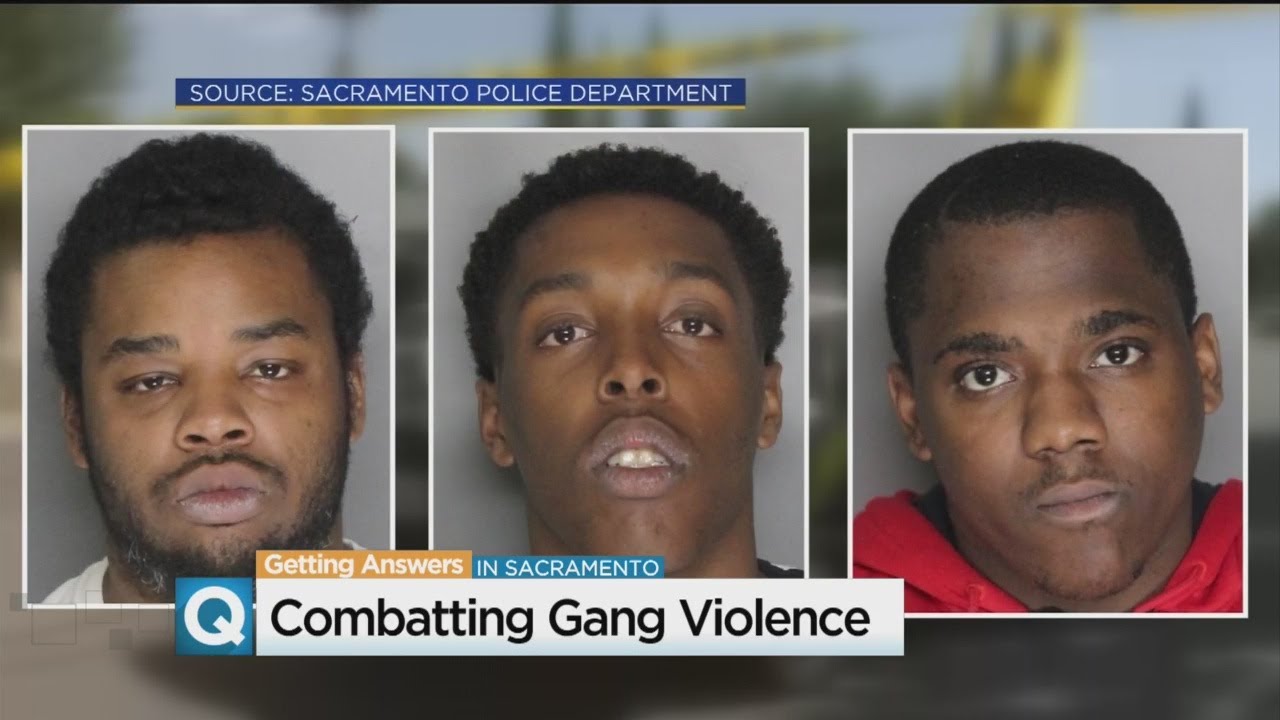
The most tragic public incident connected to the wider atmosphere around Sacramento rap conflict was the August 27, 2017 shooting at Meadowview Park during a video shoot for Sacramento rapper C-Bo. Public reporting says 49-year-old Ernie Jessey Cadena was killed and four other people were wounded. Authorities later charged multiple people in connection with the shooting.
Cadena’s death remains a reminder that the people harmed by rap-linked violence are not always the people involved in the original conflict. He was described in reports as an innocent bystander who was at the park during the video shoot. That detail should sit at the center of the story because it cuts through the mythology. Behind every beef narrative are people who never asked to become part of it.
The transcript connects the shooting to the broader Sacramento rap atmosphere and discusses Lavish D’s claim that a hit may have been placed on him. That claim should be treated as an allegation, not an established fact. What is documented is that the Meadowview Park shooting happened, Cadena was killed, and the violence became part of a larger public conversation about Sacramento gangs, rap videos, and social media-fueled conflict.
When Diss Records Become Memorials And Warnings
A recurring theme in the Mozzy and Lavish D conflict is the role of dead friends in the music. The transcript repeatedly points out that many of the diss records were built around disrespecting people who had died. That is one of the most dangerous patterns in street rap because it keeps grief active. A dead person’s name becomes a lyric, then a wound, then a reason for another response.
Fans often focus on who had the better bar, who sounded more believable, or who “won” the exchange. But for the people connected to those names, the music may feel like a fresh insult every time it plays. That is why these records can keep conflicts alive for years. They turn loss into content and make it almost impossible for the people left behind to move on quietly.
Mozzy’s music often carried pain and survivor’s guilt. Lavish D’s music often carried defiance and retaliation energy. Together, they created a catalog of conflict that documented not just a rivalry, but the emotional machinery of street beef itself.
“Where’s Waldo 2” And The 2020 Revival
By 2020, it looked to some fans like the public side of the conflict might cool down. Mozzy had grown into a nationally recognized artist. Lavish D had been through prison and parole restrictions. Both men had enough history behind them that staying away from each other seemed like the safest possible outcome.
Instead, Lavish D returned with “Where’s Waldo 2” in November 2020, reigniting attention around the feud. The video attracted millions of views and reminded fans that the issue had never truly disappeared. For Lavish D, the song appeared to function as both a response and a re-entry point. He was no longer silent, and he wanted listeners to know that the story was not finished from his side.
That moment mattered because it showed how long these conflicts can live. Years can pass. Careers can change. Prison terms can begin and end. But if the original wounds remain open, one record can bring everything back into public view.
Mozzy’s Bigger Strategy
As Mozzy became the bigger mainstream artist, his strategy appeared to shift. The transcript suggests that while Lavish D remained focused on direct confrontation, Mozzy increasingly used his industry position and public leverage to limit Lavish D’s momentum. Whether every claim about blackballing or promoter pressure is fully proven is difficult to verify, but Lavish D has publicly argued that Mozzy’s influence affected his opportunities.
That became another battlefield. The feud was no longer only about who could diss harder or who carried more street credibility. It became about money, bookings, access, reputation, and who had the power to control the industry narrative.
In some ways, that is how street beef changes when one artist becomes successful. The weapon is no longer only a diss track. It can be a phone call, a promoter relationship, a platform, a label connection, or silence that allows the bigger artist’s version of the story to dominate.
Why The Beef Was So Hard To End
The Mozzy and Lavish D conflict lasted so long because it was built on too many layers. It was not just a disagreement between rappers. It involved neighborhoods, dead friends, prison time, public humiliation, alleged retaliation, music videos, and years of social media debate.
Once a conflict reaches that level, peace becomes complicated. If one side reaches out, supporters may call it weakness. If both sides stay silent, old records keep speaking for them. If either side drops new music that references the past, the cycle begins again.
Lavish D has publicly said he would never do a song with Mozzy. That statement captures the emotional distance between them. Even if time passes, even if people grow, even if the money would make sense, some conflicts leave too much damage behind.
Timeline Of The Mozzy And Lavish D Conflict
Before 2013: Sacramento street-media accounts describe tension already existing before the most famous diss records reached the public.
2013: Mozzy releases “The Truth,” a diss track that becomes one of the most infamous records in Sacramento rap history.
2013: Zilla Zoe, who appeared in the video, is reportedly killed within hours of the release.
2014: Mozzy and Philthy Rich release “I’m Just Being Honest,” escalating the public conflict with Lavish D.
Mid-2010s: Lavish D responds through records, interviews, and public statements, while legal issues affect his ability to continue the back-and-forth freely.
August 27, 2017: A shooting during a C-Bo video shoot at Meadowview Park kills Ernie Cadena and wounds four others.
2018: Public reporting says multiple people are charged in connection with the Meadowview Park shooting.
2020: CML Lavish D releases “Where’s Waldo 2,” reviving public attention around the feud.
After 2020: The conflict remains part of Sacramento rap history, even as Mozzy’s national career continues to grow.
The Cost For Sacramento
The saddest part of the story is not which rapper had the better diss. It is what Sacramento lost while the conflict played out. The transcript opens with residents describing the fear created by random gunfire and the feeling of being trapped inside their homes. That detail matters because rap beef does not only affect rappers. It affects neighborhoods, parents, children, elders, parks, businesses, and people who may not care about the music at all.
Ernie Cadena’s death is the clearest example. He was 49 years old, and public reports identified him as the man killed during the Meadowview Park video shoot. His daughter and family were left to grieve a loss that became attached to a larger story about music, gangs, and public violence. For them, the headline was not entertainment. It was a permanent absence.
That is why the Mozzy and Lavish D story should be remembered carefully. It is part of rap history, but it is also part of Sacramento’s public trauma. It shows how music can document pain, but also how music can become one more stage where pain gets repeated.
Could The Beef Ever End?
In theory, any conflict can end. People grow older. Priorities change. Children are born. Careers mature. Prison and death make people rethink what matters. But some beefs become so layered with loss that peace requires more than a phone call. It requires both sides to accept that nobody truly wins when the scoreboard is made of funerals, prison time, and broken families.
Lavish D has publicly sounded firm about keeping distance from Mozzy. Mozzy, meanwhile, has moved into a different industry position with national recognition and a broader catalog. That distance may be the closest thing to peace the situation can realistically reach.
The best outcome may not be friendship. It may simply be no more bodies, no more public disrespect, and no more young people inheriting a war they did not start.
The Bigger Lesson
The Mozzy and CML Lavish D conflict is one of the clearest examples of how rap can both reveal and intensify street reality. The songs gave outsiders a window into Sacramento, but they also amplified anger, grief, and pride in ways that may have made the conflict harder to stop.
Mozzy’s success proves that talent can rise out of chaos. Lavish D’s persistence proves that the rival side of a story does not disappear just because one artist becomes more famous. Zilla Zoe’s death and Ernie Cadena’s killing prove that the cost of these conflicts is far larger than streams, interviews, or comment sections.
In the end, the story is not simply about who won a rap beef. It is about what was lost while the world watched.
The Final Question
When a diss record brings attention but the aftermath brings funerals, prison time, and fear across a city, can anyone really call it a victory?
Frequently Asked Questions
Who is Mozzy?
Mozzy, born Timothy Cornell Patterson, is a Sacramento rapper from Oak Park who became one of the city’s most successful hip-hop artists. His music is known for pain, street realism, regional slang, and vivid storytelling.
Who is CML Lavish D?
CML Lavish D, also known as Cash Money Lavish, is a Sacramento rapper who became known nationally through his long-running public conflict with Mozzy, diss records, interviews, and street-coded music.
What was Mozzy’s “The Truth” about?
“The Truth” was a 2013 diss track aimed at rivals in Sacramento. The record became infamous because Mozzy associate Zilla Zoe appeared in the video and was reportedly killed within hours of its release.
Who was Zilla Zoe?
Zilla Zoe, real name Alonzo Walsh, was an associate of Mozzy who appeared in “The Truth” video. His death became one of the most painful and widely discussed chapters in the Mozzy and Lavish D conflict.
What happened at Meadowview Park?
On August 27, 2017, a shooting during a rap video shoot at Meadowview Park in Sacramento killed 49-year-old Ernie Cadena and wounded four others. Multiple people were later charged in connection with the shooting.
Did Mozzy and Lavish D ever squash the beef?
There has been no clear public reconciliation. Lavish D has publicly said he would not do a song with Mozzy, and the conflict remains one of Sacramento rap’s most discussed unresolved stories.
Raptology Rap Contest
Raptology supports independent artists who want exposure without relying on destructive beef for attention. Enter the Raptology Rap Contest for a chance to build visibility, reach new listeners, and move your music beyond your local circle.
Enter The Rap ContestReader Poll: What is the biggest lesson from the Mozzy and CML Lavish D conflict?
Raptology Editorial is the official newsroom voice of Raptology, covering breaking hip-hop news, artist developments, industry trends, and in-depth editorial reports from across the global rap landscape.

MmzHrrdb
1