
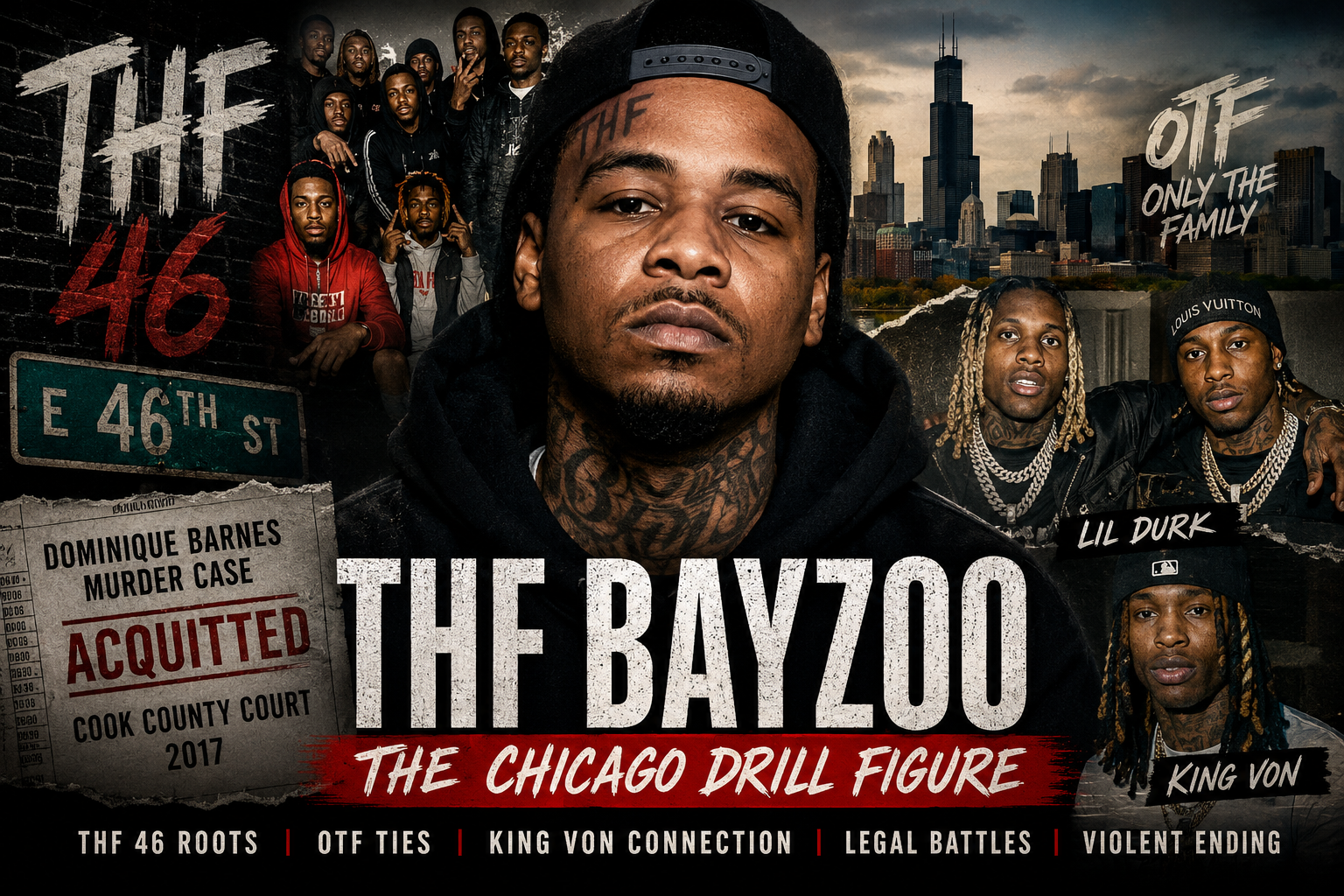
THF Bayzoo was never the biggest rapper in Chicago drill, but his name carried the kind of weight that made fans study every interview, every court update, every livestream, and every OTF connection around him. Born Devonshe Collier and known publicly as THF Bayzoo or THF Zoo, he became one of the most discussed figures tied to THF 46, Lil Durk’s wider Only The Family orbit, and the violent mythology surrounding Chicago drill’s most dangerous era.
His story sits in the middle of everything that made drill both powerful and tragic: neighborhood loyalty, public reputation, social media pressure, court cases, street rumors, music videos, and real losses. To supporters, Bayzoo represented survival and loyalty. To critics, he represented how deeply street politics became attached to drill fame. Either way, his story became part of Chicago rap history long before his violent ending in 2025.

Case Snapshot
Known as: THF Bayzoo, THF Zoo
Real name: Devonshe Collier
City: Chicago, Illinois
Affiliation discussed publicly: THF 46, also known in drill media as Trigger Happy Family
Associated artists: Lil Durk, King Von, OTF affiliates, Chicago drill figures
Major legal chapter: Charged in connection with the 2009 killing of Dominic Barnes, later acquitted
Known music moment: “Beat Dat Body” with King Von
Final chapter: Reported killed in a Chicago shooting in October 2025
Are You An Independent Artist?
Raptology covers rising artists, street rap stories, regional movements, music videos, and independent hip-hop culture. If you are building momentum and want your story seen by real rap readers, submit your music for editorial consideration.
Submit Your MusicChicago Drill Created A New Kind Of Fame
To understand why Bayzoo’s name mattered, you have to understand the way Chicago drill changed hip-hop. In the early 2010s, drill was not just a sound. It was a live broadcast of neighborhood life, conflict, grief, loyalty, and reputation. Chief Keef, Lil Durk, Lil Reese, Fredo Santana, King Louie, G Herbo, and other Chicago artists turned local realities into a global rap movement.
The music traveled through YouTube, blogs, Facebook, Twitter, Instagram, and later an entire ecosystem of documentary channels and reaction pages. Fans did not only follow songs. They followed affiliations. They learned neighborhood names, crew names, rivalries, friendships, old tweets, Instagram captions, and video cameos. In that environment, someone did not have to be a platinum artist to become famous. A person could become widely known through proximity, reputation, interviews, and the way bigger artists spoke about them.
Bayzoo became one of those figures. His name repeatedly appeared in conversations about THF 46, OTF, Lil Durk, King Von, and some of the most debated moments from the drill era. While the internet often exaggerated street narratives, the attention around Bayzoo showed how drill had created a new type of public figure: the affiliate whose reputation became almost as discussed as the music itself.
The THF 46 Identity
Bayzoo’s public identity was rooted in THF 46. In drill media, THF is commonly referred to as Trigger Happy Family, a Chicago set frequently mentioned in songs, interviews, YouTube breakdowns, and online discussions. For fans who followed the scene closely, THF 46 was one of the names that came up repeatedly whenever conversations turned toward Chicago street rap and the people surrounding Lil Durk’s rise.
The transcript describes Bayzoo as someone who identified strongly with THF while also embracing his bond with OTF figures. That distinction is important. Bayzoo was not introduced to fans as a polished label product. He was introduced through the language of neighborhood loyalty, street reputation, and personal relationships. That is why his story became difficult to separate from the larger story of Chicago drill.
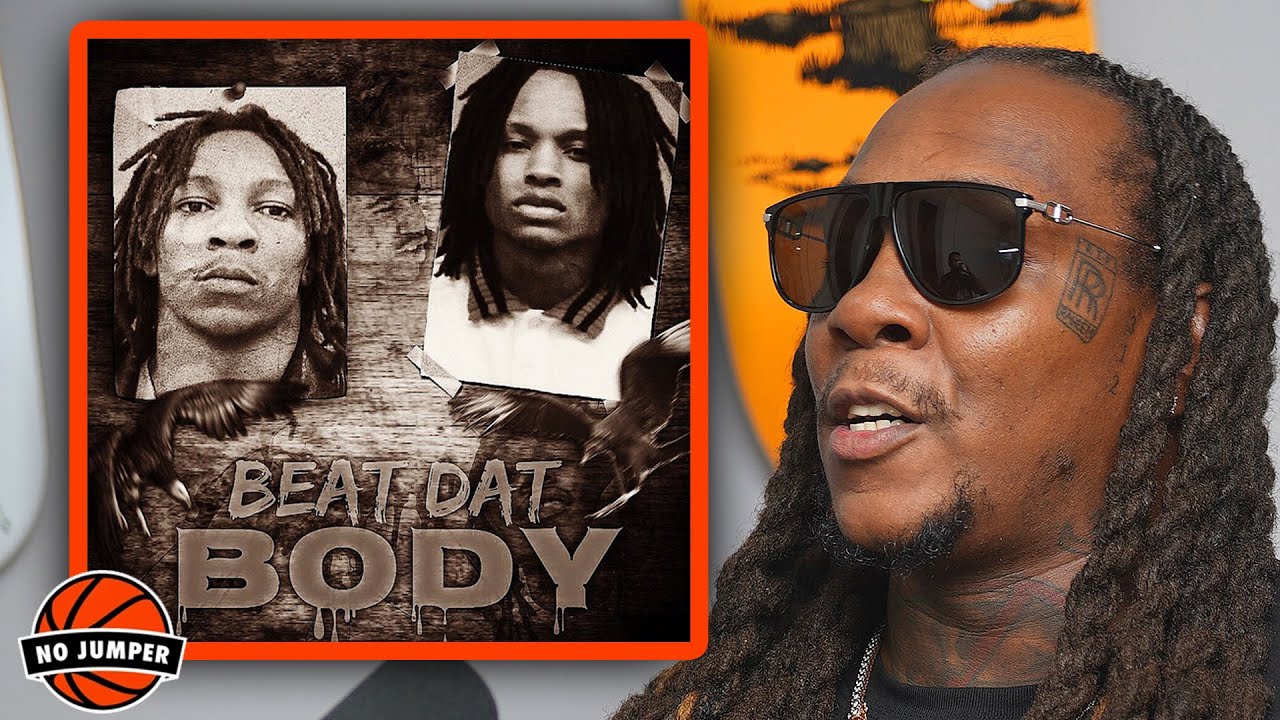
The Lil Durk And OTF Connection
No relationship gave Bayzoo more visibility than his connection to Lil Durk’s wider circle. Durk’s rise changed the scale of everything around him. As Only The Family grew from a local movement into an internationally recognized brand, fans began paying close attention to the people who appeared around Durk before and during his mainstream breakthrough.
Bayzoo was often discussed as THF first, but his OTF ties made his story travel far beyond Chicago. That connection gave fans another reason to study his interviews, court updates, public comments, and music appearances. When Durk became one of rap’s biggest stars, the people around him became part of the public conversation too.
That attention was a double-edged sword. It brought visibility, but it also brought scrutiny. In Chicago drill, being close to a rising star often meant being pulled into online arguments, police attention, blog headlines, and fan speculation. Bayzoo’s story shows how quickly local reputation could become national content once drill exploded online.
The Dominique Barnes Case
The biggest legal chapter in Bayzoo’s public story traces back to July 5, 2009, when 21-year-old Dominic Barnes was fatally shot in Chicago. Years later, in 2014, Bayzoo was charged in connection with Barnes’ killing. That case pushed his name beyond drill forums and street-media circles into broader hip-hop news coverage.
The arrest became even more widely discussed because reporting connected the police operation to a residence where Lil Durk was present. During the search, authorities reportedly recovered firearms, creating a separate legal issue for Durk. For fans, that detail intensified the story because it placed Bayzoo’s legal trouble directly beside one of Chicago drill’s biggest rising stars.
Bayzoo was eventually acquitted. That outcome became a defining part of his mythology. Supporters saw the acquittal as proof that prosecutors failed to prove their case. Online commentators treated it as one of the major legal turning points in his story. But even after the acquittal, the years spent fighting the charge shaped the way people viewed him.
The Turning Point
The Barnes case turned Bayzoo from a name known mainly inside drill circles into a figure followed by hip-hop blogs, court watchers, and fans trying to understand Chicago’s street-rap ecosystem.
Coming Home To A Changed Drill Scene
By the time Bayzoo returned home, Chicago drill had changed. Chief Keef was no longer the teenager shocking the industry. Lil Durk was becoming a national force. King Von was beginning to emerge as a storyteller with superstar potential. Streaming platforms had replaced much of the old mixtape economy, and YouTube documentaries were turning Chicago street history into one of hip-hop’s most consumed forms of content.
For most artists, years away from the public eye can erase momentum. In Bayzoo’s case, the opposite happened. His reputation grew while he was gone because drill fans kept revisiting old stories, interviews, lyrics, alliances, and rumors. When he came home, many newer fans already knew his name.
That is one of the strangest parts of drill fame. A person could be physically absent but digitally present every day. Old clips kept circulating. Fan pages kept posting. Comment sections kept debating. By the time Bayzoo returned, his name had become part of the drill internet’s shared language.
The Crump And 051 Melly Narratives
Several of the most controversial parts of Bayzoo’s story involve public disputes and street-media narratives surrounding MUBU Crump and 051 Melly. These subjects must be handled carefully because much of what circulates online comes from livestreams, diss records, rumors, and fan interpretation rather than confirmed court findings.
What can be said safely is that Bayzoo’s public exchanges and rivalries became part of the way fans understood his reputation. The transcript describes hostile back-and-forth moments involving Crump and a more complicated dynamic with 051 Melly, where rivalry and respect seemed to exist at the same time. That contradiction is part of why drill fans still discuss those clips today.
Chicago drill is full of relationships that outsiders struggle to understand. People associated with opposing sides could still acknowledge each other’s reputation. Public disrespect could exist alongside private respect. A livestream that sounded almost friendly could still sit inside a larger atmosphere of tension. Bayzoo and Melly became one of the clearest examples of how complicated those relationships could be.
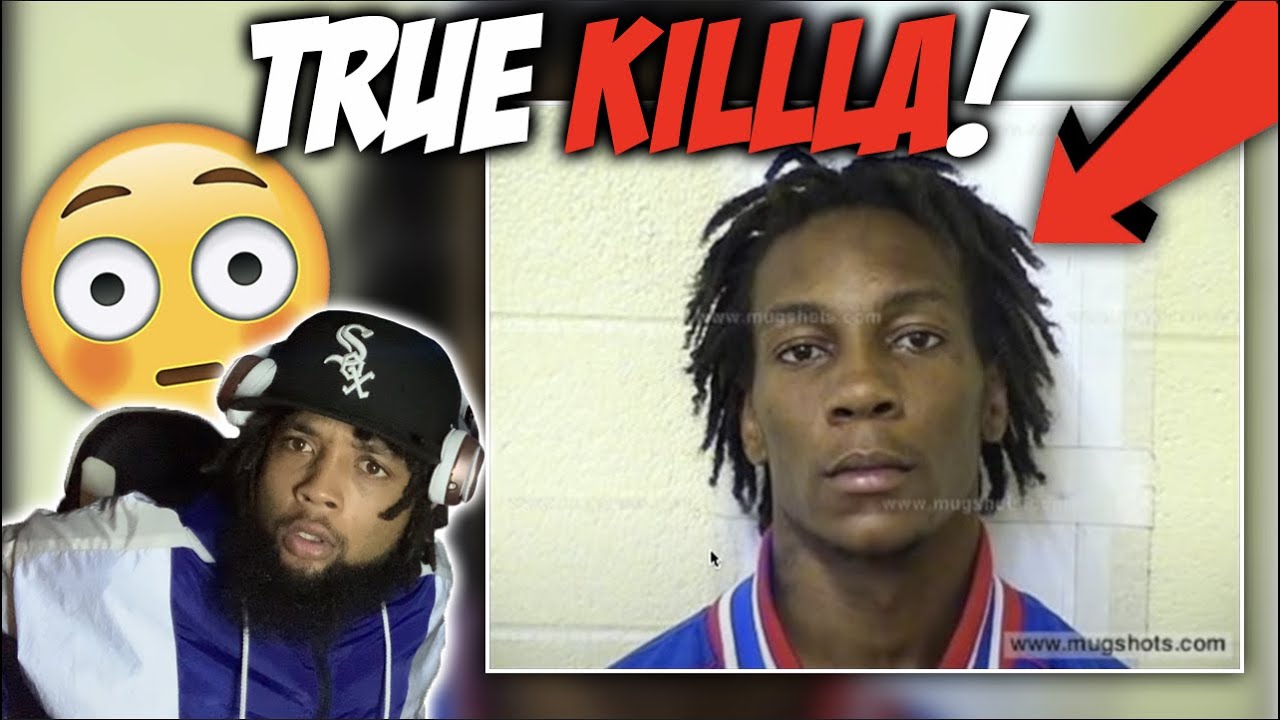
King Von And “Beat Dat Body”
Bayzoo’s connection to King Von became one of the most important parts of his wider visibility. Von, born Dayvon Bennett, was one of the most gifted storytellers to emerge from Chicago drill. After his release from jail, he signed with Lil Durk’s Only The Family and quickly built momentum through records such as “Crazy Story,” “War With Us,” and later a growing catalog of narrative street rap.
In 2018, King Von and THF Bayzoo released “Beat Dat Body.” The song became heavily discussed because of the histories both men carried and the meaning fans attached to its title. For Bayzoo, it gave him a direct musical moment connected to one of Chicago drill’s fastest-rising stars. For Von, it fit into the early phase of a career that would soon make him one of the genre’s most important new voices.
The record mattered because it turned public mythology into music. Fans interpreted it through the lens of legal battles, survival, and drill authenticity. Whether listeners viewed it as entertainment, testimony, or street theater, the song helped ensure Bayzoo’s name would remain connected to King Von’s early catalog.
The THF Billa Fallout
Not all of Bayzoo’s public conflicts involved rivals. One of the more surprising moments discussed in the transcript involved tension with THF Billa, someone many fans previously viewed as an ally. According to the transcript, the disagreement grew out of interview comments about past events and how those comments made Bayzoo feel represented.
The dispute showed how fragile relationships can become once social media gets involved. What might have been handled privately in another era became public content. Fans watched, reacted, clipped, reposted, and turned the disagreement into another chapter of drill history.
That is one reason the drill era created so much long-term fascination. The music was only one layer. Underneath it were friendships, fallouts, interviews, public explanations, private resentment, and fans trying to decode every caption like evidence.
The Law Never Fully Disappeared
Even after the Barnes case ended in acquittal, legal scrutiny remained part of Bayzoo’s public story. The transcript references later arrests and weapons allegations, including a 2022 case involving multiple firearms. These reports kept his name in hip-hop media and reinforced the perception that he could never fully step away from the environment that made him famous.
That pattern was not unique to Bayzoo. Many drill-era figures lived between music opportunity and legal danger. Increased visibility could bring bookings, interviews, streams, and industry attention. It could also bring police attention, rival attention, and blog coverage that made every mistake larger.
For Bayzoo, the question always seemed to be whether he could turn reputation into a stable music or business path before the streets, the courts, or old conflicts pulled him back into danger.
Timeline Of THF Bayzoo’s Public Story
2009: Dominic Barnes is fatally shot in Chicago.
2014: Bayzoo is charged in connection with the Barnes case.
2017: Public reports later note that Bayzoo was acquitted by a Cook County jury.
2018: King Von and THF Bayzoo release “Beat Dat Body.”
2018-2020: Bayzoo becomes more visible through interviews, music, and OTF-related discussion.
2022: Weapons allegations bring renewed legal attention.
2025: Bayzoo is reported killed in a Chicago shooting.
The Violent Ending
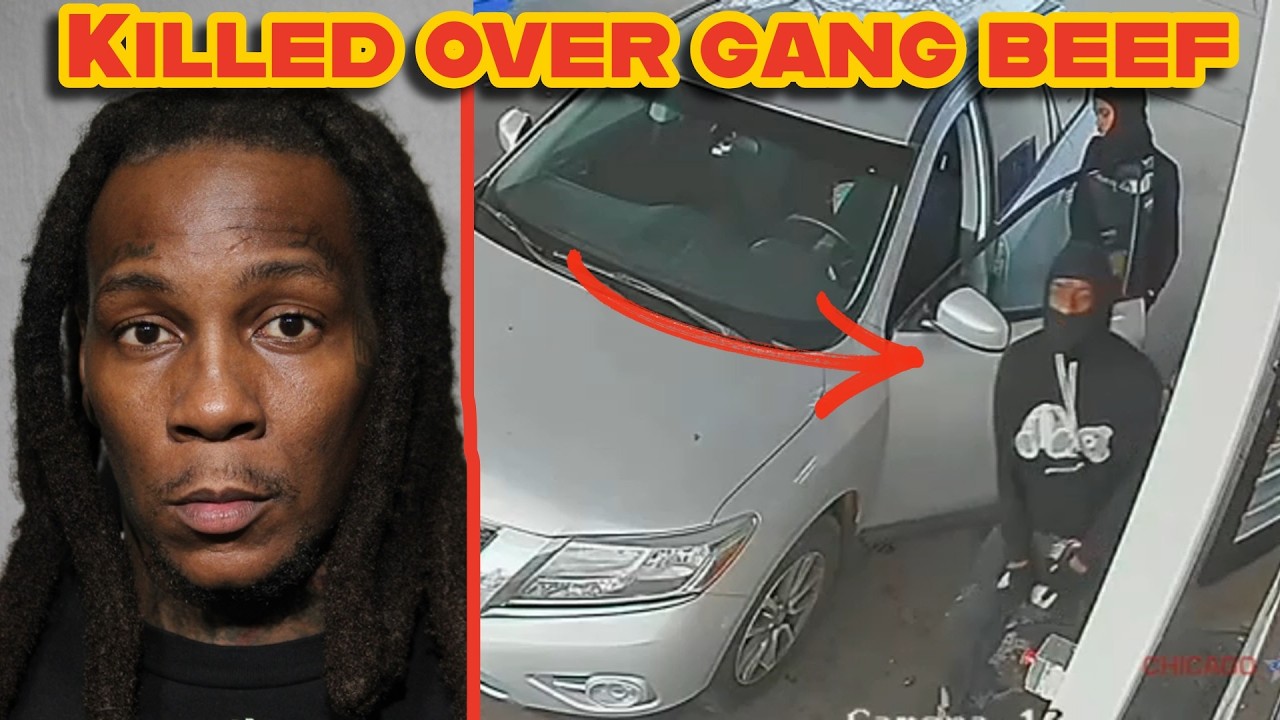
In October 2025, reports spread that THF Bayzoo had been shot and killed in Chicago. The news moved quickly across social media, drill blogs, YouTube channels, and hip-hop news outlets. For fans who had followed his story for years, the ending felt both shocking and painfully familiar.
Bayzoo had been viewed by many as a survivor. He had outlasted major legal trouble, remained part of the drill conversation for more than a decade, and maintained a reputation that continued to draw attention even when his music career was not at the center of mainstream rap. His death turned that survival narrative into another Chicago drill tragedy.
Why Bayzoo’s Story Still Matters
Bayzoo’s story matters because it shows how drill fame does not always follow traditional music-industry rules. He was not defined by Billboard placements or radio hits. He was defined by proximity, reputation, court cases, relationships, interviews, and fan obsession with the world around Chicago drill.
That makes his story complicated. It is impossible to tell it honestly without acknowledging the violence, allegations, and legal trouble that shaped his public image. But it is also irresponsible to turn every rumor into fact or every fan theory into history. The real story lives in the tension between what is documented, what was alleged, what was performed for the internet, and what fans still debate.
Bayzoo became a symbol of an era where the internet watched real people like characters in a series. That attention brought fame, but it also turned trauma into content. His life and death are reminders that drill history is not just music history. It is also a record of neighborhoods, families, lost friends, courtrooms, funerals, and people trying to survive the identities the internet helped build around them.
The Bigger Question
Was Bayzoo remembered because of music, reputation, loyalty, legal survival, or the violent mythology around Chicago drill? The answer is probably all of them at once.
Frequently Asked Questions
Who was THF Bayzoo?
THF Bayzoo, also known as THF Zoo, was a Chicago figure associated with THF 46 and publicly connected to Lil Durk’s wider OTF circle. His real name was Devonshe Collier.
Was THF Bayzoo a rapper?
Yes. Bayzoo released music and is widely known for his collaboration with King Von on “Beat Dat Body,” though much of his public reputation came from his affiliations, interviews, and legal history.
What was Bayzoo’s connection to King Von?
Bayzoo and King Von were publicly connected through Chicago drill and released “Beat Dat Body” in 2018. Their relationship became part of the wider OTF and Chicago drill narrative.
What was Bayzoo’s connection to Lil Durk?
Bayzoo was associated with THF 46 while also being publicly tied to Lil Durk’s wider OTF orbit. His connection to Durk’s circle helped make him a recognizable name outside Chicago.
Why is Bayzoo important in drill history?
Bayzoo represents the side of drill culture where affiliates, legal cases, social media narratives, and neighborhood reputation became almost as important to fans as the music itself.
Raptology Rap Contest
Raptology supports independent artists who want exposure without relying on destructive beef for attention. Enter the Raptology Rap Contest for a chance to build visibility, reach new listeners, and move your music beyond your local circle.
Enter The Rap ContestReader Poll: What made THF Bayzoo one of the most discussed figures of the drill era?
Raptology Editorial is the official newsroom voice of Raptology, covering breaking hip-hop news, artist developments, industry trends, and in-depth editorial reports from across the global rap landscape.
Leave a Reply