

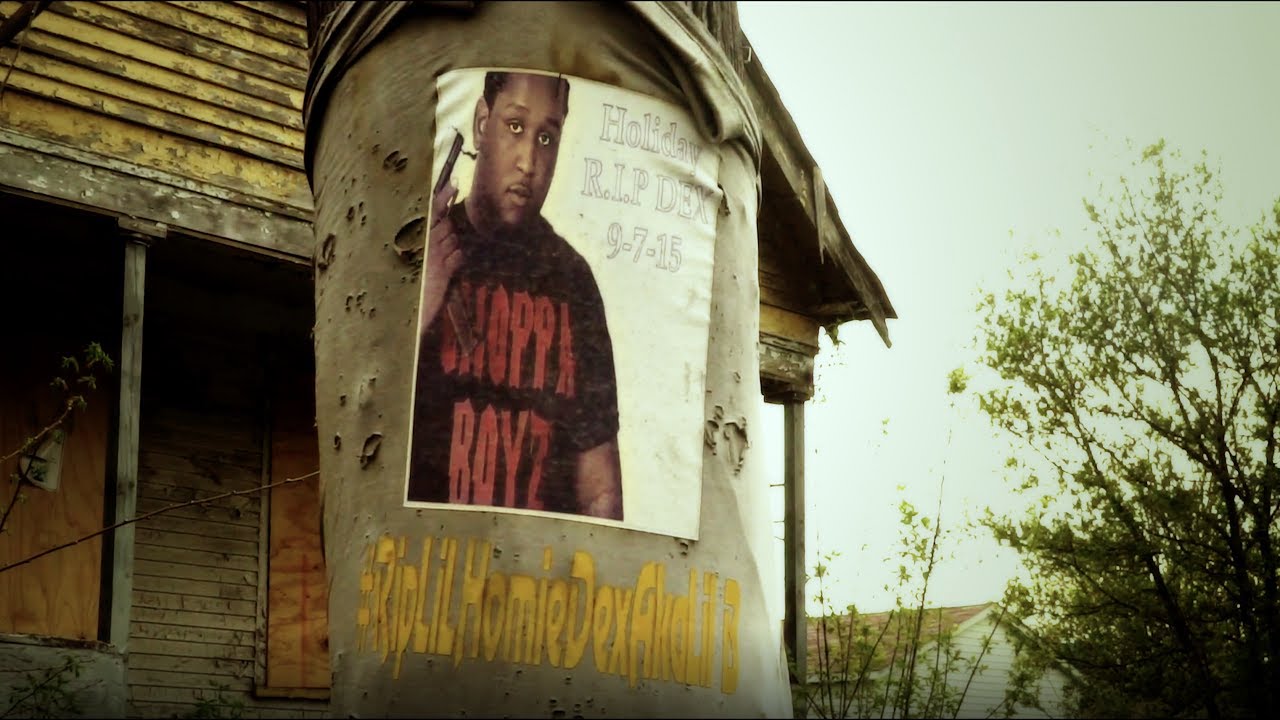
Dex Osama’s story has always sounded like something bigger than a rap tragedy. Before his death in 2015, the Detroit rapper born Byron Cox was not only fighting street beefs, grief, pressure, and the weight of his own reputation. According to people close to him, he was also haunted by dreams, voices, visions, and a terrifying feeling that death was following him. His mother said he once called her shaken after seeing what he described as a dark figure standing over him. She told him he had “death” on him. Soon after, that warning became one of the most chilling lines in his music.
That is what makes the Dex Osama story different from the usual rise-and-fall narrative. This was not just a rapper losing his life before reaching the next level. This was an artist whose biggest song, “Death On Me,” seemed to turn his fear into prophecy. Fans heard the record as street music, but people around Dex later described it as something closer to a spiritual alarm. Was Dex Osama truly haunted, or was he struggling with trauma, paranoia, substance use, grief, and the consequences of street life? The answer may depend on who tells the story, but the result remains the same: one of Detroit rap’s most promising voices was gone before he ever got the chance to fully escape the world that shaped him.

Case Snapshot
Artist: Dex Osama
Real name: Byron Cox
City: Detroit, Michigan
Scene: West Side Detroit, Chopper Gang, modern Detroit street rap
Known records: “Death On Me,” “Clean Up Man,” “Crime In The D,” “Choppa Freestyle,” and “Boyz In The Hood”
Major co-signs: Meek Mill and DeJ Loaf were among the names connected to his rise
Death: September 2015, after a shooting connected to the Crazy Horse club area in Detroit
The Detroit Environment That Built Dex Osama
Dex Osama came out of a Detroit environment where music and street life were not separate worlds. They moved together. The city had already built a reputation for raw, specific, unfiltered street rap, and Dex fit directly into that lineage. He was from the West Side, tied to Dexter, and his name itself came from that geography. Before he was known nationally, he was known locally as someone whose reputation came before him.
People around Dex described him as someone who was shaped early by the blocks, the people he looked up to, and the losses around him. The transcript describes him as being surrounded by gang culture and influenced by older relatives who had their own reputations in the neighborhood. In that world, fear was currency, loyalty was survival, and weakness could become dangerous. Dex absorbed that code before music ever became a serious path.

The Losses That Changed Him
According to the transcript, two deaths inside Dex’s family circle helped push him deeper into darkness. His uncles Ronnie and Chico were described as major influences, almost like older brothers and street examples. When they were killed, the loss hit Dex hard. Instead of pulling away from the life, he seemed to step deeper into it, as if grief became fuel.
That kind of grief can change a young man’s direction. When someone loses people they admire to violence, the reaction is not always fear. Sometimes it becomes anger. Sometimes it becomes revenge. Sometimes it becomes a need to prove that the world cannot take anything else from you. In Dex’s case, the people interviewed in the transcript suggest that after those losses, he became harder to control and less concerned with his own survival.
The Music That Almost Saved Him
Dex had always been around music, but his career began moving differently after a studio session with Detroit names like GT and Babyface Ray. According to the transcript, he freestyled on a track called “Thousands,” and that moment helped people hear him differently. His voice had weight. His delivery felt urgent. He sounded like someone who was not performing danger, but living inside it.
Records like “Crime In The D,” “Boyz In The Hood,” “Choppa Freestyle,” and “Clean Up Man” helped Dex become one of the most talked-about rising rappers in Detroit. The music was violent, direct, and sometimes disturbing, but it carried the authenticity that street rap audiences often respond to. He sounded like the city, and the city heard itself in him.
The Meek Mill Co-Sign
Dex’s rise started moving beyond Detroit when his music caught the attention of bigger artists. The transcript describes a moment where his music was played for Meek Mill, who reportedly ran it back multiple times and became interested. That kind of co-sign mattered. For a Detroit rapper trying to break nationally, support from a major street-rooted star like Meek could change everything.
Suddenly, Dex was being flown out, meeting artists, traveling to events, and seeing what life could look like if music became the exit. He was no longer just a local name. He was becoming a real prospect. That is part of what makes the story so painful. Dex had the door open. He had momentum. He had attention. He had a sound that fit the moment. But the streets did not loosen their grip just because the industry started calling.
The Chilling Story Behind “Death On Me”
The record that turned Dex Osama into a myth was “Death On Me.” On the surface, it sounded like a street record. It had the dark confidence, paranoia, and aggression that matched his image. But behind the song was something stranger. In the transcript, Dex’s mother recalls him calling her after a dream or vision where a dark figure was over him, choking him, leaving him unable to move or breathe.
His mother interpreted it spiritually. She told him he had death on him and warned him that if he did not change his ways, he was going to die. Dex later turned that warning into lyrics. The line about his mother saying he had death on him became more than a bar. After his death, it sounded like a message he had been repeating before anyone fully understood it.
The Line That Haunted The Story
“My mama said I got death on me” became one of Dex Osama’s most unforgettable lyrics because people close to him later connected it to real conversations, dreams, and warnings before his death.
The Reaper Dreams
According to the transcript, Dex did not treat the experience like an ordinary nightmare. He was shaken. He reportedly told his mother he had seen a black cloud or dark figure, and that he could not breathe. In another account from the transcript, a pastor described Dex speaking about a hooded figure and a sickle, imagery that immediately brings to mind the Grim Reaper.
This is where the story moves into the territory that made fans call it a curse. Some people close to Dex viewed the visions spiritually, as a warning from God, a demonic attack, or the presence of a death angel. Others might hear the same details and think of trauma, sleep paralysis, paranoia, stress, grief, and substance use. Both interpretations are powerful because both point toward a man who seemed to know something was wrong, even if he could not break free from the path he was on.
Was Dex Osama Haunted, Or Was He Breaking Under Pressure?
A credible documentary cannot simply declare that Dex Osama was haunted as fact. What can be said is that he and people close to him described experiences that felt haunting. They spoke about dreams, voices, visions, fear, and the sense that death was near. In street culture, those feelings can be intensified by real danger. If a person is constantly in conflict, carrying weapons, watching for enemies, using drugs, and grieving the dead, the mind and body can stay trapped in survival mode.
That does not erase the spiritual interpretation. In many communities, especially in families shaped by faith, dreams and warnings are taken seriously. Dex’s mother believed the reaper had come to him. The pastor reportedly took his fear seriously. Dex himself seemed disturbed enough to seek help. Whether the source was spiritual, psychological, or both, the warning was real to the people living through it.
The Street Beefs That Followed Him
Even while music was opening doors, Dex remained tied to conflict. The transcript references back-and-forth tension involving Detroit crews, diss records, social media exchanges, and situations where violence was already close. This is one of the central contradictions in Dex’s story. He had a way out, but he was still connected to the same environment that made him famous.
For rappers from real street backgrounds, success can make danger worse before it makes it better. Fame increases visibility. Songs travel faster than apologies. Disses become permanent evidence of disrespect. Opps hear the music too. Fans treat beef like entertainment, but the people involved often live with the consequences in real time.
Timeline Of Dex Osama’s Rise And Final Chapter
Early life: Byron Cox grows up on Detroit’s West Side, where street culture and local reputation shape his identity.
2009: The transcript references the killing of his uncle Chico as one of the losses that deeply affected him.
Early 2010s: Dex becomes increasingly known in Detroit circles and begins taking music more seriously.
Studio breakthrough: A freestyle moment with people around Detroit’s rap scene helps reveal his potential.
Rise in Detroit: Songs like “Clean Up Man,” “Crime In The D,” and “Death On Me” build his local and online buzz.
National attention: Meek Mill and DeJ Loaf become linked to his rise, helping bring wider attention to his music.
Spiritual warnings: According to people close to him, Dex describes dreams, visions, and fear connected to death.
September 2015: Dex Osama is fatally shot after a conflict connected to the Crazy Horse club area in Detroit.
The Crazy Horse Shooting
Dex Osama was killed in September 2015 after a conflict connected to the Crazy Horse club area in Detroit. Public reports at the time said an argument began around the club, spilled outside, and ended in gunfire. Some reports said Dex was shot in the chest and stomach, then made it to a nearby gas station before collapsing. He was later pronounced dead at the hospital.
The transcript gives a more street-level version of the night, describing an argument connected to a woman, shots fired, chaos outside the club, and Dex trying to get away after being hit. As with many rap tragedies, the exact details have been retold through news reports, witness accounts, interviews, and local memory. But the core fact is devastatingly clear: Dex was 26 years old, on the edge of a bigger career, and gone before his story could turn.

The Last Words And The Weight Of “I Can’t Breathe”
One of the most painful details repeated in the story is that Dex reportedly said he could not breathe and did not want to die after being shot. That detail echoes the earlier dream described by his mother, where he said a dark presence was choking him and he could not move or breathe. Whether interpreted spiritually or psychologically, the parallel is chilling.
That is why fans keep returning to the “curse” narrative. The song, the dream, the warning, the fear, and the final moments all seem to speak to one another. In documentary terms, the story becomes more than a death report. It becomes a narrative about a man who appeared to sense the ending before it arrived.
The Death Of His Brother Ducey
The tragedy did not stop with Dex. The transcript also discusses the later death of his brother Ducey, describing him as someone who had taken a different path, graduated, and avoided the same kind of legal trouble. His death added another layer of grief to the family’s story and deepened the sense that violence had taken more than one future from the same household.
For Dex’s mother, losing both sons became a pain that no music legacy can fix. Hip-hop fans often focus on the rapper, the songs, the beefs, and the final headline. Families live with the aftermath long after the internet moves on. That human cost is the part of the story that should never be lost.
The Legacy Of Dex Osama
Dex Osama’s legacy is complicated because his music cannot be separated from the life that inspired it. He was admired because he sounded real, but the same reality helped destroy him. He represented a Detroit sound that was raw, urgent, and unapologetic. He also represented the danger of being unable to separate art from active conflict.
Years after his death, fans still return to “Death On Me” because it feels like more than a song. It feels like evidence of a man wrestling with something invisible. Some hear a spiritual warning. Some hear a mind under pressure. Some hear the cost of street life. The power of the record is that all three interpretations can exist at once.
The Real Curse Was The Life Around Him
The title of this story calls it a curse, but the real curse may not have been supernatural. It may have been the combination of grief, retaliation, street reputation, drugs, trauma, weapons, and fame arriving too late to undo the damage. Dex Osama was not the first rapper to get a chance at escape while still being pulled backward by old ties. He also was not the last.
What makes his story so chilling is that he seemed aware of the danger. He rapped about death. He talked about death. People close to him warned him about death. Then death came anyway. Whether readers believe in the reaper, demons, dreams, or only the brutal logic of the streets, Dex Osama’s story remains one of Detroit rap’s darkest cautionary tales.
Reader Poll: What do you think was really haunting Dex Osama?

Raptology Editorial is the official newsroom voice of Raptology, covering breaking hip-hop news, artist developments, industry trends, and in-depth editorial reports from across the global rap landscape.














Leave a Reply