
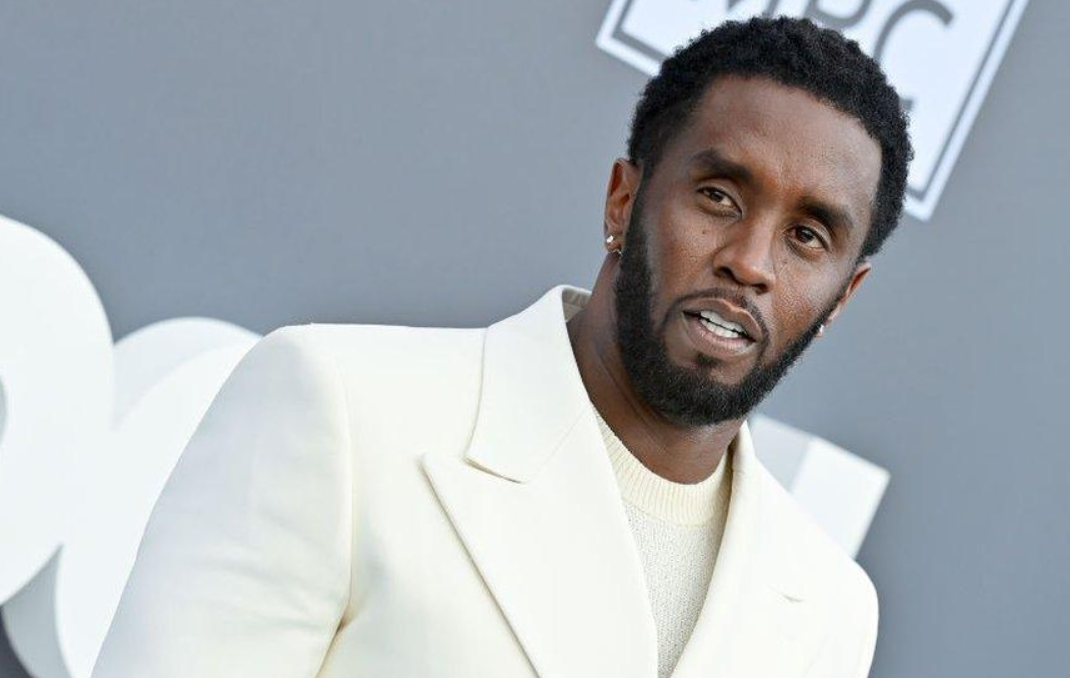
The federal case against Sean Combs became one of the most dramatic legal collapses in modern hip-hop history. For more than three decades, Combs stood at the center of rap, R&B, fashion, television, nightlife, and celebrity business culture. He was not only an artist or executive. He was one of the architects of hip-hop’s commercial era, a figure who helped turn Bad Boy Records into a cultural empire and later transformed himself into one of the most recognizable businessmen in entertainment.
By 2024, that image had changed almost overnight. Civil lawsuits, federal raids, an indictment, weeks of trial testimony, and a mixed jury verdict turned Combs from one of hip-hop’s most powerful moguls into the defendant in one of the most watched federal criminal cases the music industry has ever seen. The case raised questions far beyond celebrity scandal. It forced the public to confront issues of power, control, alleged abuse, accountability, and how much influence one person can hold inside a private entertainment empire.
Case Snapshot
Defendant: Sean Combs, also known as Puff Daddy, P. Diddy, Diddy, PD, and Love
Federal district: Southern District of New York
Arrest: September 16, 2024
Indictment unsealed: September 17, 2024
Trial: May 2025 through July 2025
Verdict: Acquitted of racketeering conspiracy and sex trafficking, convicted on two transportation-related prostitution counts
Sentencing: October 3, 2025
Sentence: 50 months in federal prison, a $500,000 fine, and supervised release
The Man Who Built Bad Boy
Before the federal case, Sean Combs’ public identity was tied to ambition, reinvention, and control. He rose through the music business in the early 1990s, became a force at Uptown Records, then launched Bad Boy Records. The label became one of the defining engines of East Coast hip-hop and R&B, helping shape the careers and public images of The Notorious B.I.G., Faith Evans, Mase, 112, Total, The LOX, and other artists connected to the Bad Boy universe.
Combs also became a brand in his own right. He moved from executive to artist, from artist to television personality, from music mogul to fashion and spirits entrepreneur. His influence stretched across MTV, award shows, nightlife, magazine covers, and business deals. That long history made the federal case especially significant because prosecutors were not targeting an unknown street figure. They were prosecuting one of the most famous executives hip-hop has ever produced.
The Civil Lawsuits That Changed The Public Conversation
The public shift around Combs accelerated in November 2023, when singer Casandra “Cassie” Ventura filed a civil lawsuit containing serious allegations against him. The case was settled quickly, but it opened a much larger public conversation. After that, additional civil complaints and allegations surfaced, increasing scrutiny around Combs, his companies, and people who had worked in or around his orbit.
Those civil lawsuits did not automatically prove criminal guilt, but they changed the atmosphere around Combs. For years, rumors and industry stories had existed in scattered form. The lawsuits placed allegations into formal legal documents and brought them into mainstream public view. By early 2024, federal authorities were no longer a background concern. The situation had clearly moved into a much more serious phase.
The March 2024 Federal Raids
On March 25, 2024, federal agents searched properties connected to Combs in Los Angeles and Miami. The raids became a major turning point because they showed that the investigation was not limited to civil litigation or media coverage. Federal law enforcement had entered the picture in a visible, aggressive way.
The images from those searches traveled quickly across television, social media, and hip-hop blogs. For many fans, that was the first moment when the case felt like it could become criminal. Federal raids do not always lead to indictments, but they often indicate that investigators are looking for evidence connected to a serious probe. In Combs’ case, the searches were followed months later by a criminal indictment in New York.
The September 2024 Arrest And Indictment
Combs was arrested in Manhattan on September 16, 2024. The indictment was unsealed the next day in the Southern District of New York. Prosecutors charged him with racketeering conspiracy, sex trafficking, and transportation to engage in prostitution. The indictment alleged that Combs used his business network, employees, resources, and influence to facilitate criminal conduct over a long period of time.
The most serious allegations involved claims that Combs abused, threatened, and coerced women and others. Prosecutors described a pattern of control, violence, intimidation, and organized sexual encounters referred to in court as “Freak Offs.” Combs pleaded not guilty and repeatedly denied the most serious allegations. His defense maintained that the encounters at the center of the case involved consenting adults and that prosecutors were overreaching by turning private conduct into a criminal enterprise case.
Why The Racketeering Charge Mattered
The racketeering conspiracy charge was the most sweeping part of the case. Racketeering cases are often used when prosecutors believe a group or organization functioned as an enterprise involved in criminal activity. In Combs’ case, the government argued that the alleged conduct was not isolated. Prosecutors said it involved people, businesses, transportation, security, money, hotels, and staff who helped enable or cover up misconduct.
That theory was important because it framed Combs not simply as an individual accused of isolated crimes, but as the alleged leader of a broader structure. For the defense, that was also one of the government’s vulnerabilities. Combs’ attorneys argued that prosecutors were stretching racketeering law too far and trying to portray a complicated personal life and celebrity operation as an organized criminal enterprise.
Timeline Of The Sean Combs Federal Case
November 2023: Cassie Ventura files a civil lawsuit against Sean Combs, which is settled shortly after filing.
Late 2023 to early 2024: Additional lawsuits and allegations increase public scrutiny around Combs.
March 25, 2024: Federal agents search properties connected to Combs in Los Angeles and Miami.
September 16, 2024: Combs is arrested in Manhattan.
September 17, 2024: The federal indictment is unsealed in the Southern District of New York.
May 2025: Trial begins in Manhattan federal court.
July 2, 2025: The jury reaches a mixed verdict.
October 3, 2025: Combs is sentenced to 50 months in federal prison.
2026: Appeal efforts and post-trial legal challenges continue.
The Trial Begins In Manhattan
The trial began in May 2025 in Manhattan federal court. From the beginning, it drew national attention because it combined celebrity, music history, abuse allegations, federal criminal law, and the possible downfall of a man who had spent decades shaping popular culture. Courtroom coverage focused on testimony from former partners, employees, witnesses, and people tied to the events prosecutors described.
The government’s case centered on claims that Combs used power, money, threats, and violence to control women and organize sexual encounters involving male sex workers. Prosecutors described travel arrangements, hotel rooms, payments, drugs, physical violence, and recordings as part of the broader pattern. Defense attorneys challenged the government’s framing and argued that the evidence did not prove sex trafficking or racketeering beyond a reasonable doubt.
Cassie Ventura’s Testimony And The 2016 Hotel Video
Cassie Ventura became one of the most important figures in the case because her relationship with Combs was central to several public allegations and trial discussions. The 2016 hotel surveillance video showing Combs assaulting Ventura became one of the most widely discussed pieces of evidence connected to the broader scandal. It also reshaped public perception because it placed a documented act of violence into a case already filled with disturbing allegations.
During the trial, testimony about Ventura’s relationship with Combs became central to the government’s effort to show coercion and control. The defense did not deny that the video was damaging, but it pushed back against the idea that the government had proven federal sex trafficking or racketeering. That distinction became one of the central issues for jurors. The case was not just about whether Combs had behaved abusively. It was about whether prosecutors had proven the exact federal crimes charged.

The Mixed Verdict
On July 2, 2025, the jury returned a mixed verdict. Combs was acquitted of racketeering conspiracy and sex trafficking, the most serious charges in the indictment. Those acquittals were significant because they spared him from the possibility of a much longer sentence tied to the government’s broadest theory of the case.
At the same time, the jury found Combs guilty on two counts of transportation to engage in prostitution. That meant the case did not end as a full defense victory. Prosecutors failed to secure convictions on the most severe allegations, but they did secure federal felony convictions. The result created a complicated public reaction. Some saw the verdict as a major blow to the government’s case. Others viewed the convictions as confirmation that the jury still found criminal conduct proven beyond a reasonable doubt.
The October 2025 Sentencing
On October 3, 2025, Combs was sentenced to 50 months in federal prison. The court also imposed a $500,000 fine and supervised release. Prosecutors had asked for a much longer sentence, while the defense argued for a far shorter term, pointing to time already served and the jury’s decision to acquit Combs of the most serious counts.
The sentencing hearing became another major media event because both sides used it to frame what the case meant. Prosecutors emphasized harm, power, abuse, and accountability. The defense emphasized the acquittals, Combs’ family, his public contributions, and the argument that the conviction counts did not justify the lengthy sentence prosecutors wanted. The final sentence landed between those positions, serious enough to mark a historic fall, but far below the exposure Combs could have faced if convicted on the most severe charges.
Why The Case Matters To Hip-Hop History
Hip-hop has seen many major criminal cases, but the Sean Combs case stands apart because of the defendant’s position in the industry. Combs was not only a rapper or executive. He was part of the machinery that helped turn hip-hop into a global business. His relationships extended across labels, television networks, fashion, liquor brands, award shows, radio, nightlife, and celebrity culture.
That made the case a test of how the public understands power in entertainment. The allegations were not simply about one night, one incident, or one dispute. They raised broader questions about what can happen when fame, wealth, private security, employees, and corporate structures surround a powerful figure for decades. Even with the mixed verdict, the trial permanently changed how many people view Combs’ legacy.
The Appeal And What Comes Next
After sentencing, Combs’ legal team continued to challenge aspects of the conviction and sentence. Appeals in federal cases can focus on legal rulings, jury instructions, evidentiary decisions, sentencing calculations, or whether the law was applied correctly. Appeals do not automatically erase a conviction, but they can change the outcome if a higher court finds reversible legal error.
As of 2026, the case remains part of a larger conversation about celebrity accountability and federal prosecution strategy. For Combs, the appeal process represents the next legal battleground. For hip-hop, the case remains a historic moment: one of the genre’s most powerful moguls facing federal conviction after decades of cultural dominance.
The Bigger Story Behind The Headlines
The Sean Combs federal case will likely be studied for years because it sits at the intersection of music history, celebrity power, criminal law, and public accountability. The jury did not accept every part of the government’s case, but the convictions and sentence still marked a dramatic turning point in Combs’ life and legacy.
For Raptology readers, the case also fits into a larger pattern. Federal investigations involving hip-hop figures often become bigger than the charges themselves because they expose the worlds around the music: security teams, nightlife, money movement, loyalty, silence, reputation, and survival inside an industry where power can protect people until it suddenly does not.
Reader Poll: What part of the Sean Combs federal case surprised you most?

Raptology Editorial is the official newsroom voice of Raptology, covering breaking hip-hop news, artist developments, industry trends, and in-depth editorial reports from across the global rap landscape.





Leave a Reply