
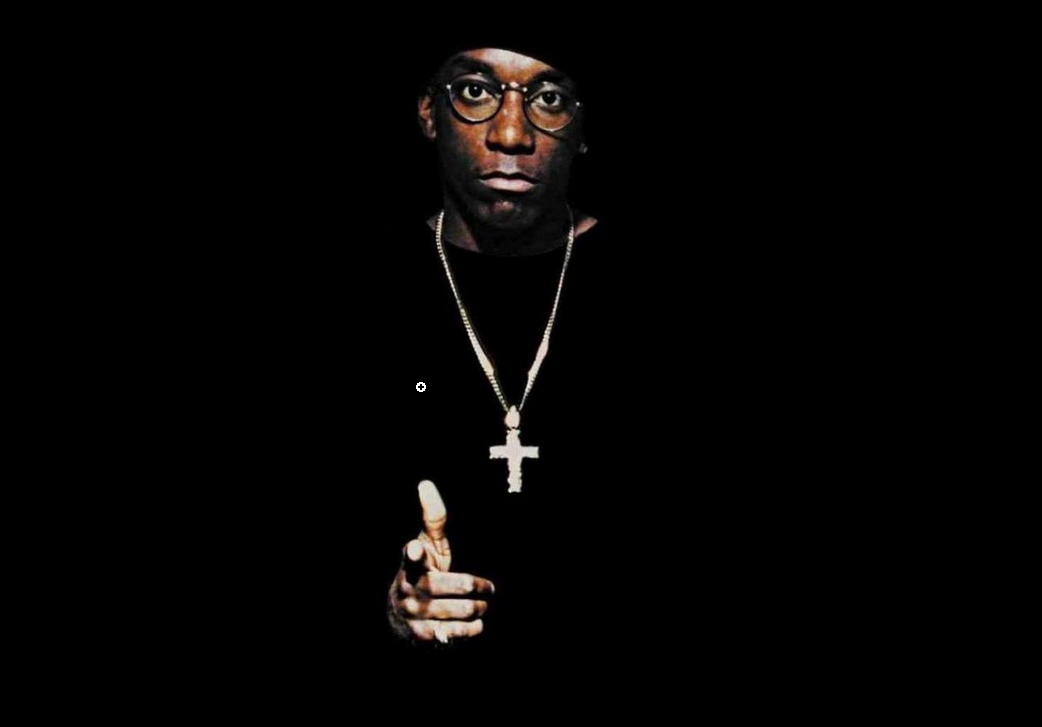
Big L’s final hours remain one of the most haunting stories in New York hip-hop because his death came at the exact moment when his legend was beginning to outgrow Harlem. Born Lamont Coleman, the 24-year-old MC had already earned a reputation as one of rap’s sharpest punchline writers, but he was still standing at the edge of the larger breakthrough many fans believe he deserved.
On February 15, 1999, Big L was shot and killed near 45 West 139th Street in Harlem, the neighborhood that shaped his music, voice, and mythology. More than two decades later, his murder remains a painful open wound for hip-hop, not only because of what happened that night, but because of everything his career seemed ready to become.
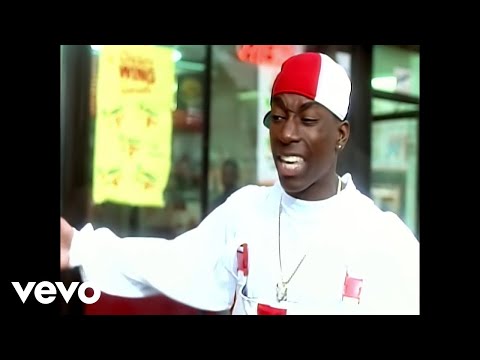
“Put It On” remains one of Big L’s signature records and a lasting example of his Harlem confidence.
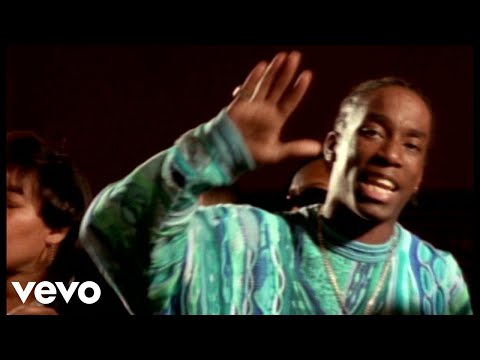
“MVP” helped show the smoother side of Big L’s style while keeping the punchline-heavy writing intact.
Raptology Case Summary: Big L was killed in Harlem on February 15, 1999 at age 24. Gerard Woodley, a childhood acquaintance, was arrested months later but released due to lack of evidence, and the case remains widely discussed as unresolved.
Harlem Before The Tragedy
To understand why Big L’s death still feels so heavy, it helps to understand what Harlem meant to his story. He was not an artist using the neighborhood as decoration. His music carried the slang, danger, humor, attitude, and competitive energy of the blocks around 139th Street and Lenox Avenue.
Big L came up in an era when New York lyricism was treated like a contact sport. Rappers had to prove themselves through freestyles, street reputation, mixtapes, and live-room respect before a record deal meant anything. In that environment, Big L stood out because his lines were brutal, clever, and unusually precise.
Video link opens directly on YouTube to avoid black-box iframe issues inside WordPress.
The Rise Of A Punchline King
Big L’s debut album, Lifestylez ov da Poor & Dangerous, was released by Columbia Records in 1995 and later became a cult classic for fans of East Coast lyricism. The album did not turn him into a pop superstar, but it gave serious rap listeners a record packed with quotables, dark humor, street imagery, and technical control.
What made him different was the way he could make violent or grim material sound almost cartoonishly sharp without losing menace. He had the gift of making punchlines feel like weapons. Even when the subject matter was hard, the writing had timing, surprise, and personality.
Listen: Big L’s official Spotify artist page.
The Roc-A-Fella Question
One of the reasons Big L’s death became such a major “what if” story is the long-running belief that he was close to a new business chapter before he died. Fans have often discussed the possibility that he may have been moving toward a deal or partnership connected to Jay-Z’s world, which would have placed him near one of rap’s most important rising empires.
That possibility matters because 1999 was a turning point in hip-hop. Jay-Z was becoming a dominant commercial force, New York rap still had national control, and lyrical street rappers could still cross into mainstream visibility with the right machine. Big L had the skill, the respect, and the identity to become much bigger than he was at the time of his death.
The Final Hours
The exact private details of Big L’s final hours are not fully documented in public records, and that uncertainty is part of why the story has remained surrounded by speculation. What is known is that on February 15, 1999, he was back in Harlem, close to the blocks that had shaped his life and career.
That night, Big L was gunned down near 45 West 139th Street. Reports over the years have stated that he was hit multiple times in the face and chest, a level of violence that made the killing feel targeted and deeply personal. He was only 24 years old, and the news immediately shook the New York rap community.
Big L Timeline:
- 1974: Lamont Coleman is born in Harlem, New York.
- Early 1990s: Big L begins building his name through freestyles, local reputation, and early appearances.
- 1995: Lifestylez ov da Poor & Dangerous is released by Columbia Records.
- 1998-1999: Big L continues recording and remains closely watched by underground rap fans and New York insiders.
- February 15, 1999: Big L is shot and killed in Harlem at age 24.
- 2000: The Big Picture is released posthumously, expanding his legacy to a wider audience.
The Suspect And The Unanswered Questions
Gerard Woodley, described in multiple reports as someone who knew Big L from the neighborhood, was arrested months after the killing. He was later released because of insufficient evidence, and the case did not end with a conviction. That absence of legal closure left fans, family members, and Harlem observers debating the motive for years.
Some public accounts have suggested the killing may have been tied to retaliation or neighborhood conflict involving people around Big L rather than a simple rap-related dispute. Because no one was convicted, the responsible way to discuss the case is to separate what has been reported from what has only been rumored. The result is a story where the facts are painful, but the unanswered questions are what keep the case alive.
Why Big L’s Death Still Haunts Hip-Hop
Big L’s murder still haunts hip-hop because he represents a rare combination: a rapper who was already elite but still unfinished. He was not remembered only because he died young. He is remembered because the recordings he left behind suggest that his best work may still have been ahead of him.
In the years after his death, younger listeners continued discovering his music through freestyles, YouTube clips, playlists, and debates about the greatest lyricists of all time. His influence can be heard in the way fans still praise compact punchlines, internal rhyme patterns, dark comedy, and the kind of street wit that does not need a long explanation to land.
The Legacy After Death
Big L’s posthumous album The Big Picture helped introduce him to listeners who missed his first run. It also reframed him as one of rap’s great unfinished stories. The album’s success showed that the demand for his voice had not disappeared after 1999, and in some ways, his legend only grew stronger once people realized how much material he left behind.
His legacy also lives through D.I.T.C., Harlem rap history, freestyle culture, and the ongoing conversation around rappers whose careers were cut short by violence. Big L belongs in the same larger discussion as artists whose deaths did not end their influence. Instead, the tragedy made listeners return to the music looking for clues about who they were and what they might have become.
The Bigger Lesson
The final hours of Big L are not only a crime story. They are also a reminder of how closely hip-hop history has often lived beside real neighborhood danger. The same streets that gave some artists their voice also placed them near conflicts that could follow them long after they entered the music business.
Big L’s story is especially painful because he had the type of talent that made other rappers sound ordinary. He had the voice, the timing, the quotables, and the respect. What he did not get was enough time.
Sources and further reading:
Reader Poll: What is Big L’s biggest legacy?
Vote below and see how other Raptology readers are reacting.
Read next on Raptology:
Big L’s death remains one of rap’s most painful unfinished chapters. Harlem lost a son, New York lost a future giant, and hip-hop lost a writer whose sharpest lines still sound alive every time a new generation presses play.

Raptology Editorial is the official newsroom voice of Raptology, covering breaking hip-hop news, artist developments, industry trends, and in-depth editorial reports from across the global rap landscape.



📈 Free Sex. Chat me 🔴▶ graph.org/The-Best-AI-Sex-Girlfriend-05-11?hs=8f87c2ad76e9afc4dbe3a83f1a0f0b40& 📈
1zy799