
From Los Angeles’ Melrose Avenue to New York’s sneaker scene, the resale hustle has become big business. But federal theft allegations, counterfeit sneakers and viral shop culture are exposing the risk behind the hype.
The $22.5 Million Wake-Up Call
The biggest sneaker story this week did not begin with a release calendar. It began with federal prosecutors in Los Angeles describing an alleged cargo-theft operation worth more than $22.5 million. In a November 19, 2026 announcement, the Justice Department said a 14-person group had been charged in a scheme involving at least three dozen trains in Southern California. Thirteen people were arrested, authorities said. The cargo allegedly included Nike sneakers, power tools and other merchandise. This was not a story about someone swapping a fake pair at a neighborhood meetup. Prosecutors alleged that thieves disabled freight trains, unloaded shipments and moved products through intermediaries toward buyers. The charges are allegations, not convictions, and every defendant is presumed innocent unless proven guilty. Still, the case puts a hard question in front of collectors: when an apparently pristine pair appears for sale, how much do you actually know about where it came from?
Instagram Was Allegedly Part of the Operation
According to the indictment summarized by prosecutors, participants sent photographs of allegedly stolen shoes to prospective buyers and used Instagram to coordinate activity. That detail matters because sneaker commerce already lives on social feeds. An Instagram post can be a legitimate store announcement, a collector showing off a grail or a stranger advertising inventory that seems too good to be true. The platform is not evidence of wrongdoing by itself. The point is that social proof can make merchandise look trustworthy without revealing its origin. A polished reel, a recognizable shop backdrop and a wall of orange boxes are marketing signals, not proof of lawful sourcing. Investigators said an unnamed Los Angeles resale business identified as “Company 1” bought products through intermediaries. The government did not identify that business in the release, and readers should not assume that a particular shop was Company 1.
The Other LA Case That Shook Sneaker Culture
The train allegations are separate from a previously reported case involving alleged diversion of Nike inventory from a Memphis distribution hub. In July 2026, the Los Angeles Times reported that CoolKicks co-founder Bereket Abraham and others were indicted in an alleged scheme involving more than $2 million in Nike merchandise. Prosecutors alleged that packages were redirected rather than sold through ordinary channels. The allegations must not be confused with a finding of guilt, nor should they be merged with the new train case. An earlier 2025 police action involving CoolKicks generated another wave of headlines; the company said at the time that it had bought the seized merchandise in good faith and did not know it was allegedly stolen. These are different episodes, and that distinction is essential when a brand’s reputation and real people are involved.
Watch the Sneaker Economy in Action
The resale business became entertainment long before federal investigators made headlines. Cool Kicks built a massive online audience around negotiation, authentication and the spectacle of spending serious money on shoes. In this verified video from the shop’s own channel, a subscriber goes sneaker shopping. Watch the excitement, but remember: a promotional shopping video is not evidence about any criminal case.
From Melrose to Manhattan: Why the Hype Works
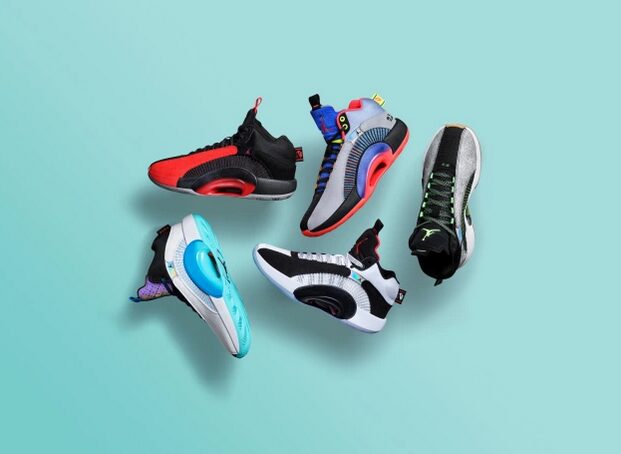
In Los Angeles, Melrose Avenue is more than a retail strip. It is a place where music, streetwear and resale culture meet, and where shopping can double as content creation. New York has its own sneaker language: crowded release days, downtown boutiques, subway commutes and collectors who know that a pair’s story can matter as much as its colorway. These are different markets, but both reward scarcity and visibility. The sneaker on your feet can communicate taste, neighborhood loyalty, nostalgia or simply the fact that you beat everybody else to a release. None of that means a buyer should ignore the basics. Whether you’re paying a friend in Brooklyn or buying from a seller in Fairfax, ask for the original receipt where available, check the exact style code and colorway, and understand the seller’s return policy before money changes hands.
The Real Scammer Problem Is Bigger Than Fake Shoes
People hear “sneaker scam” and immediately think replicas. Counterfeits are a major risk, but they are not the only one. Buyers also encounter nonexistent inventory, stolen photos, chargeback disputes, swapped products, impersonated stores and sellers who disappear after receiving payment. There is also the uncomfortable possibility of authentic merchandise entering a market through an unlawful supply chain. A real Nike shoe can still have a complicated history. The November indictment is a stark example of why authenticity and provenance are two different questions. Legitimate resellers have reasons to document inventory carefully, while buyers should treat unexplained bulk quantities and pressure to pay outside a protected marketplace as warning signs, not proof of a bargain.
What the Authentication Numbers Actually Say
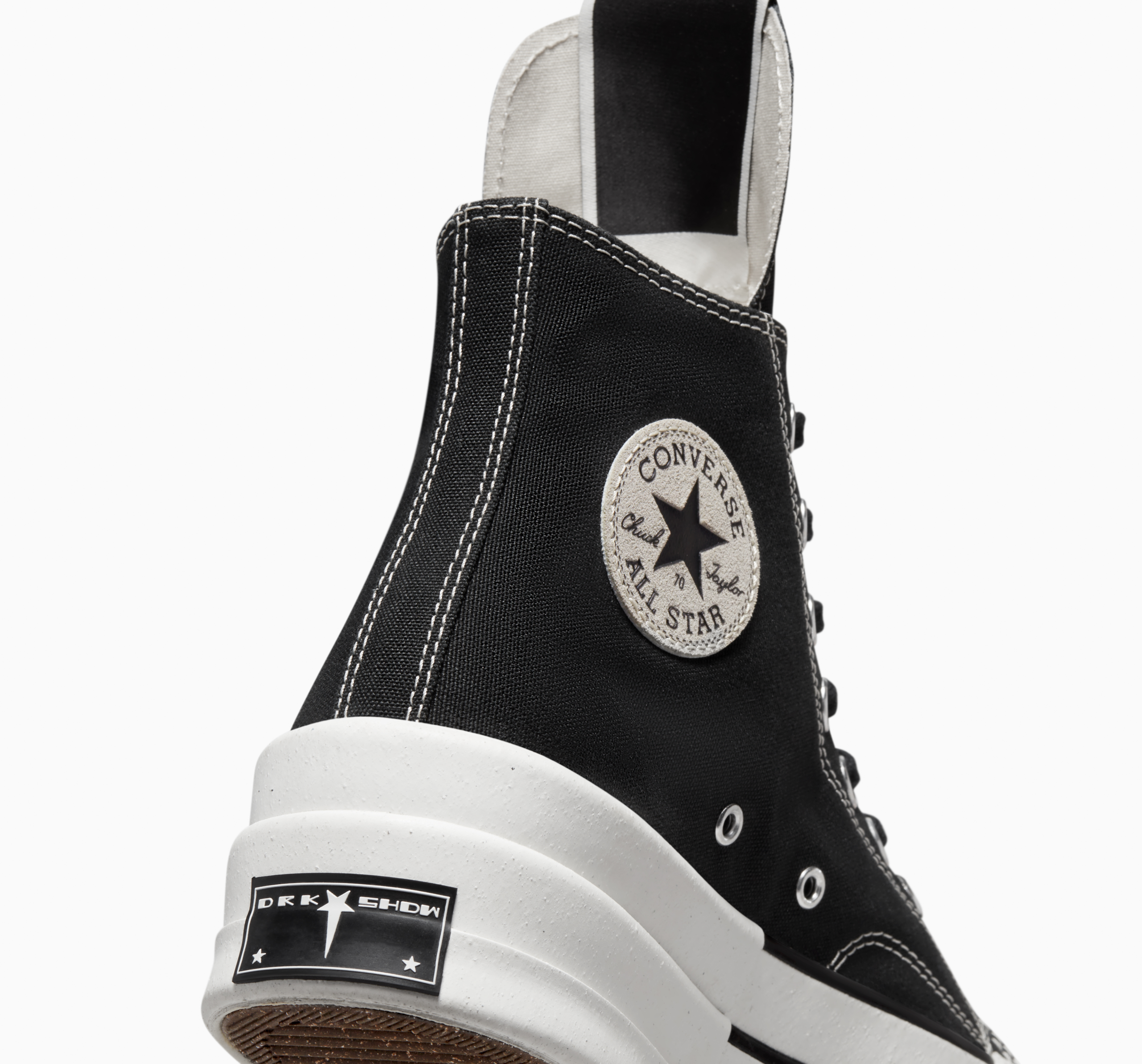
The scale of the fake-shoe problem is measurable, even if any single statistic needs context. In its 2025 brand-protection report, StockX said it blocked nearly 250,000 sneaker pairs in 2024 for failing its verification standards. More than 30,000 were flagged as suspected counterfeits, with a combined gross merchandise value of nearly $10 million. Those numbers describe items the platform examined and rejected, not a counterfeit rate for every sneaker sold everywhere. Still, they show why verification is not some optional luxury. High-demand everyday models can attract fakes just as easily as rare collaborations. A separate StockX report previously identified the Nike Dunk Low “Panda” among heavily counterfeited products.

A Quick Legit-Check Is Not a Guarantee
Collectors love close-ups of stitching, toe-box shape, labels and box printing. Those details can help, but counterfeiters adapt. The Los Angeles Times profiled sneaker authenticator Rami Almordaah, whose on-camera work turned inspections and negotiations into entertainment. The feature described how he checks everything from construction to smell. That does not mean a sniff test is definitive. Professional authentication combines product knowledge, comparison samples and transaction history, and even established systems can make mistakes. If you’re considering a four-figure purchase, use a reputable service and retain the documentation. Do not trust a cropped screenshot of an authentication result sent through a disappearing message.
Hip-Hop Turned Sneaker Shopping Into a Spectator Sport
A sneaker deal on camera is not just retail; it is a performance. The personalities, bargaining and reactions make it watchable even for people who are not shopping that day. The music connection runs deep: artists wear rare pairs in videos, collectors chase collaborations and producers stop by shops to flex their favorites. Watch producer Southside browse sneakers in this video from Cool Kicks. The clip illustrates the relationship between rap celebrity and resale culture, not any allegation in the cases discussed above.
Collectors Should Think Like Buyers, Not Gamblers
A hot release can feel like a guaranteed flip when every timeline is filled with sold-out screenshots. But a listed price is not a completed sale, and fees can wipe out a margin. Before buying to resell, compare actual completed transactions for the exact size and condition. Factor in taxes, shipping, marketplace fees, storage, returns and the time it might take to find a buyer. The CFA Institute has examined sneakers as collectibles and alternative assets, including the risks around authentication and liquidity. That is useful context for anyone treating a closet full of deadstock boxes like a retirement account. Buy the pair because you want it, not because a viral clip promised instant profit.
The Five Red Flags Before You Send Money
First, the seller refuses to provide a timestamped photo of the actual pair and keeps recycling catalog images. Second, the price is dramatically below comparable completed sales without a convincing explanation. Third, payment must be made by an irreversible method with no buyer protection. Fourth, the seller’s account is new or inconsistent, despite claims of a long retail history. Fifth, the story about how the shoes were obtained keeps changing. None of these signs alone proves a crime, but several together should make you walk away. For expensive pairs, meet in a safe public setting when appropriate, keep written records and verify the model, size, condition and return terms. A deal that disappears when you ask basic questions was probably not the deal you needed.

The Shoes Are Real. The Culture Is Real. The Questions Are Too.
Sneaker culture was built on style, competition and community, not on indictments. Most collectors are simply trying to find a pair they love at a price they can justify. Most transactions do not make national news. But the newest Southern California allegations reveal how valuable the supply chain has become and why provenance deserves as much attention as hype. It is possible to enjoy the drops, the reels and the celebrity shopping videos while demanding more transparency from the people taking your money. The smartest sneakerhead in the room is not always the one wearing the rarest pair. Sometimes it is the one who knows when to pass.
Discover editorial coverage and submission opportunities at Raptology.
Support independent hip-hop journalism: Donate to Raptology.
Related coverage: Featured Stories | More sneaker news.

Raptology Editorial is the official newsroom voice of Raptology, covering breaking hip-hop news, artist developments, industry trends, and in-depth editorial reports from across the global rap landscape.




Leave a Reply