
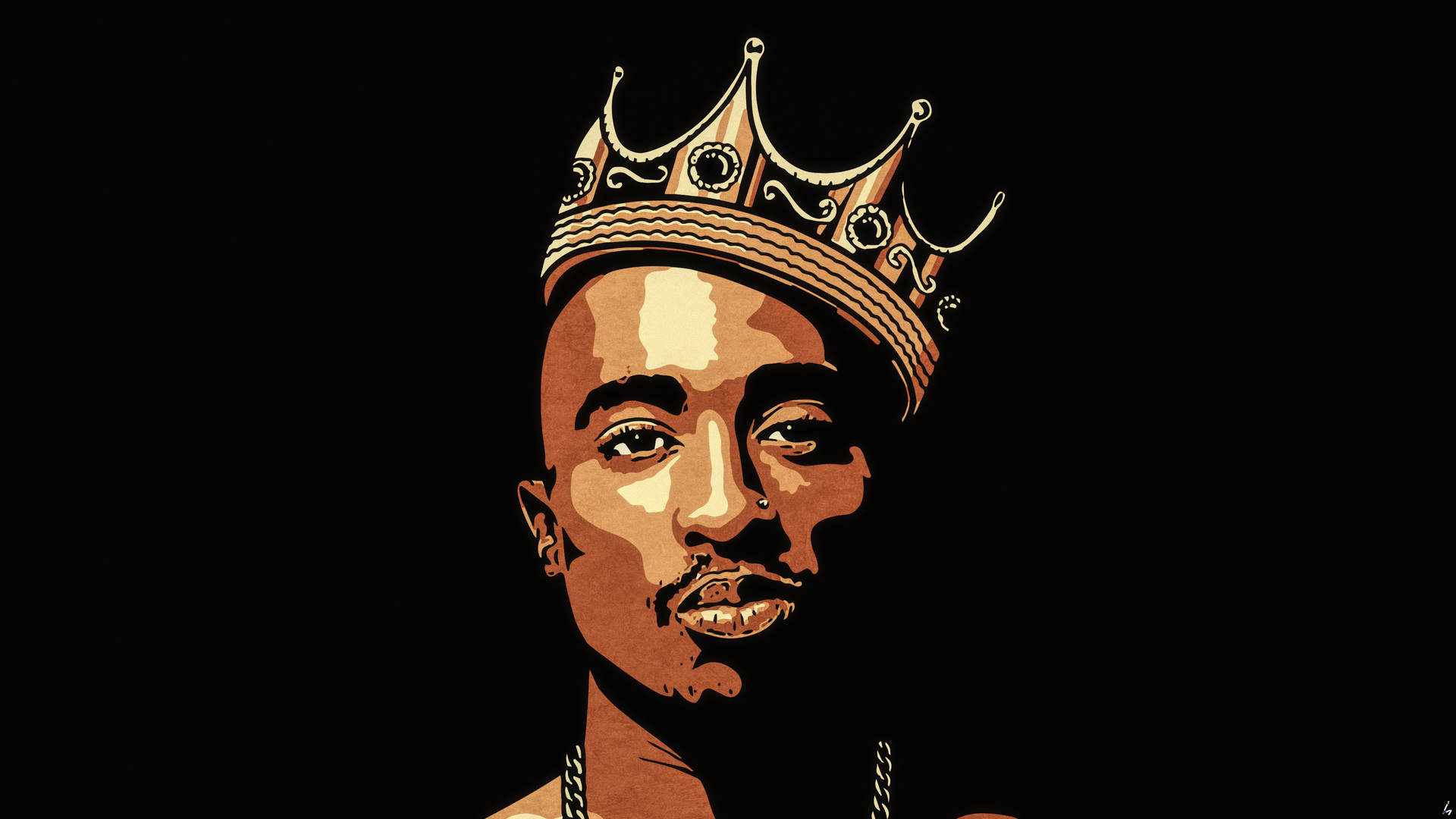
Tupac Shakur is not just one of the most important rappers in hip-hop history. He is one of the most studied, quoted, debated, and emotionally powerful artists American music has ever produced.
Born Tupac Amaru Shakur on June 16, 1971, and killed on September 13, 1996, Tupac lived only 25 years, but his career left a cultural footprint that still feels larger than most artists who recorded for decades. He was a rapper, actor, poet, activist, son of the Black radical tradition, West Coast icon, Death Row superstar, and one of the most visible voices of pain, rage, survival, and contradiction in modern music. This Raptology Rap Hall of Fame profile is built as a living Tupac hub, covering his biography, albums, songs, career timeline, acting career, Death Row era, activism, business legacy, streaming presence, and long-term impact on hip-hop culture.
Why Tupac belongs in the Raptology Rap Hall of Fame: He gave hip-hop one of its strongest emotional vocabularies, turned personal struggle into political art, balanced vulnerability with street intensity, helped define 1990s rap culture, became a major film presence, and left behind a catalog and image that continued shaping the genre long after his death.
2Pac’s official Spotify artist page
Who Is Tupac Shakur?
Tupac Shakur was an American rapper, actor, poet, and cultural figure whose work moved between political anger, street realism, family pain, romantic vulnerability, spiritual searching, and public rebellion. He was born in New York City and later became connected to several places that shaped his story, including Baltimore, the Bay Area, and Los Angeles. That movement across cities helped shape the complexity of his music. Tupac was never only one thing, and that is why his legacy remains so powerful.
His music could be gentle, violent, reflective, confrontational, loving, paranoid, prophetic, wounded, and fearless. He wrote about mothers, poverty, police, prison, loyalty, betrayal, survival, women, death, fame, politics, and the emotional cost of being watched by the world. Few rappers have ever carried so many contradictions with so much intensity.
Official Tupac Links
For readers who want to follow Tupac Shakur’s official legacy directly, his estate-backed official website is 2Pac.com. His verified Spotify artist page is 2Pac on Spotify, his official YouTube channel is 2Pac on YouTube, his Vevo channel is 2PacVEVO, and his official Instagram is @2pac.
The official 2Pac site connects fans to his biography, discography, music videos, stories, merchandise, and estate-managed updates. It also describes him as a rapper, actor, activist, thug, poet, rebel, and visionary, which captures how many roles his life and work still occupy in public memory.
Early Life: New York, Baltimore, the Bay Area, and the Roots of a Revolutionary Voice
Tupac was born into a family shaped by political struggle. His mother, Afeni Shakur, was a member of the Black Panther Party, and that political background gave Tupac a sense of history, resistance, and language long before he became famous. He was not only learning music. He was growing up around ideas about oppression, community, survival, and state power.
As a teenager, Tupac studied performing arts in Baltimore, where he developed skills in acting, poetry, and stage presence. That training mattered. His delivery was not only musical. It was dramatic. He understood how to project pain, anger, charm, and conviction. Later, when he entered rap, that performance background helped make him one of the most magnetic figures of his era.
Digital Underground and the Start of His Recording Career
Before Tupac became a solo star, he worked with Digital Underground, the Oakland-connected group best known for playful funk, humor, and party records. That environment gave Tupac an entry point into the music industry and exposed him to touring, recording, and professional performance. It also showed how much range he had. He could be funny and theatrical, but there was a deeper intensity waiting underneath.
When Tupac stepped into his solo career, that deeper voice quickly became the center. He was not trying to be only a party rapper or a street rapper. He wanted to speak to the people who felt trapped, ignored, angry, judged, and disposable. That mission helped define his first major album.
Career Timeline
| Year | Moment | Why It Matters |
|---|---|---|
| 1971 | Tupac Amaru Shakur is born in New York City | His family background connects him to political struggle, Black radical history, and artistic expression. |
| 1991 | 2Pacalypse Now | His debut album introduces him as a political and socially conscious voice in rap. |
| 1992 | Juice | Tupac’s acting career explodes through his unforgettable role as Bishop. |
| 1993 | Strictly 4 My N.I.G.G.A.Z… | He expands commercially while keeping a mix of protest, pain, humor, and aggression. |
| 1993 | Poetic Justice | His film career grows through a major role alongside Janet Jackson. |
| 1995 | Me Against the World | Tupac releases one of his most emotionally complete albums during one of the hardest periods of his life. |
| 1995 | Death Row era begins | After prison, Tupac signs with Death Row and enters the most explosive period of his career. |
| 1996 | All Eyez on Me | The double album turns Tupac into one of rap’s biggest commercial forces. |
| 1996 | Tupac is shot in Las Vegas | He dies on September 13, 1996, at age 25, turning his life and music into an enduring cultural legacy. |
| 1996 | The Don Killuminati: The 7 Day Theory | Released under the Makaveli name, the album intensifies the mythology around his final creative period. |
| 1998 | Greatest Hits | The collection helps introduce new generations to his catalog and becomes one of his most important posthumous releases. |
| 2017 | Rock and Roll Hall of Fame induction | Tupac’s impact is formally recognized as part of broader music history. |
2Pacalypse Now: The Political Arrival
2Pacalypse Now, released in 1991, introduced Tupac as a rapper with a social mission. The album addressed police brutality, poverty, young Black life, systemic neglect, and the desperation that comes from being trapped in a world that offers few safe exits. It was not designed as a polished pop crossover. It was raw, urgent, and political.
That debut made clear that Tupac was not only interested in entertainment. He wanted to testify. Songs like “Brenda’s Got a Baby” showed his gift for narrative tragedy, while the album’s broader tone positioned him as one of rap’s emerging truth-tellers. Even before he became a superstar, Tupac was already building the emotional and political foundation of his legacy.
Strictly 4 My N.I.G.G.A.Z… and the Growth of His Voice
Strictly 4 My N.I.G.G.A.Z…, released in 1993, expanded Tupac’s reach. It gave him bigger singles, sharper hooks, and a wider public profile while still carrying the tension between political commentary and street survival. The album included records that showed his range, from public protest to personal reflection to party energy.
“Keep Ya Head Up” became one of his most important records because it showed Tupac’s compassion and respect for women, mothers, and people fighting through hardship. It also complicated the public image that critics often tried to reduce to anger or controversy. Tupac could be harsh and tender in the same career, sometimes even on the same album.
Me Against the World: Pain, Paranoia, and Personal Greatness
Me Against the World, released in 1995, is often considered one of Tupac’s strongest albums because it captures him at his most reflective. The project arrived during a period of legal pressure, public scrutiny, fear, and isolation. Instead of running from that pressure, Tupac turned it into art.
“Dear Mama” became one of the most important songs in hip-hop history because it gave full emotional weight to his relationship with Afeni Shakur. It was not a simple tribute. It was a complicated love letter to a mother who had struggled, sacrificed, and survived. The song’s emotional honesty helped make Tupac feel human to millions of listeners.
Watch Tupac Videos
2Pac – Dear Mama
2Pac – California Love featuring Dr. Dre and Roger Troutman
2Pac – Changes
2Pac – Hit ‘Em Up
All Eyez on Me: Death Row, Stardom, and Maximum Visibility
All Eyez on Me, released in 1996, captured Tupac at his most visible and commercially explosive. After signing with Death Row Records, he entered a new phase defined by speed, energy, luxury, paranoia, defiance, and constant recording. The album was a double-disc statement that presented Tupac as larger than life, surrounded by celebration, danger, and urgency.
The album included records like “California Love,” “Ambitionz Az a Ridah,” “2 of Amerikaz Most Wanted,” “How Do U Want It,” and “I Ain’t Mad at Cha.” It remains one of the defining releases of the Death Row era and one of the clearest examples of Tupac’s ability to combine mass appeal with emotional intensity.
The Makaveli Era and The 7 Day Theory
The Don Killuminati: The 7 Day Theory, released under the Makaveli name after Tupac’s death, deepened the mythology surrounding his final creative period. The album sounded urgent, suspicious, spiritual, wounded, aggressive, and prophetic. It did not feel like a standard posthumous release. It felt like a final transmission from an artist who knew the walls were closing in.
Records like “Hail Mary,” “To Live and Die in L.A.,” and “Toss It Up” showed a darker and more cinematic version of Tupac. The Makaveli persona became part of the legend, feeding years of theories, analysis, and debate about what Tupac was trying to say in his final months.
Tupac Albums and Projects
Tupac’s discography is unique because his official lifetime albums were followed by an enormous posthumous catalog. Some posthumous releases are essential to understanding his reach, while others reflect the complicated management of unreleased material after his death. For SEO and reader usefulness, the table below focuses on the projects most fans search for when researching Tupac’s catalog.
| Year | Project | Type | Key Songs and Notes |
|---|---|---|---|
| 1991 | 2Pacalypse Now | Studio Album | “Brenda’s Got a Baby,” “Trapped,” “If My Homie Calls.” |
| 1993 | Strictly 4 My N.I.G.G.A.Z… | Studio Album | “Keep Ya Head Up,” “I Get Around,” “Papa’z Song.” |
| 1994 | Thug Life: Volume 1 | Group Album | Released with Thug Life, including “Pour Out a Little Liquor.” |
| 1995 | Me Against the World | Studio Album | “Dear Mama,” “So Many Tears,” “Temptations.” |
| 1996 | All Eyez on Me | Studio Album | “California Love,” “Ambitionz Az a Ridah,” “2 of Amerikaz Most Wanted.” |
| 1996 | The Don Killuminati: The 7 Day Theory | Studio Album as Makaveli | “Hail Mary,” “To Live and Die in L.A.,” “Toss It Up.” |
| 1997 | R U Still Down? [Remember Me] | Posthumous Album | One of the major early posthumous collections. |
| 1998 | Greatest Hits | Compilation | Includes classics and helped bring Tupac’s music to new audiences. |
| 1999 | Still I Rise | Posthumous Album with Outlawz | Features “Baby Don’t Cry” and expands the Outlawz connection. |
| 2002 | Better Dayz | Posthumous Album | Includes “Thugz Mansion” and other reflective material. |
| 2004 | Loyal to the Game | Posthumous Album | Produced largely by Eminem and introduced Tupac to another generation. |
| 2006 | Pac’s Life | Posthumous Album | A later posthumous project featuring contemporary artists. |
Most Important Tupac Songs
Tupac has one of the most emotionally wide catalogs in rap. “Brenda’s Got a Baby” showed his gift for social storytelling. “Keep Ya Head Up” showed compassion and political heart. “Dear Mama” became one of hip-hop’s greatest family tributes. “So Many Tears” exposed fear and spiritual exhaustion. “California Love” made him a Death Row superstar. “Ambitionz Az a Ridah” captured his post-prison intensity. “Hit ‘Em Up” became one of rap’s most infamous diss records. “Changes” turned his political frustration into a posthumous anthem.
| Song | Era | Why It Matters |
|---|---|---|
| “Brenda’s Got a Baby” | 2Pacalypse Now | A powerful early story record about neglect, poverty, and tragedy. |
| “Keep Ya Head Up” | Strictly 4 My N.I.G.G.A.Z… | One of Tupac’s clearest statements of compassion, respect, and social consciousness. |
| “I Get Around” | Strictly 4 My N.I.G.G.A.Z… | A playful hit that showed Tupac’s charisma and commercial range. |
| “Dear Mama” | Me Against the World | One of the most important emotional records in hip-hop history. |
| “So Many Tears” | Me Against the World | A dark, reflective record about fear, trauma, and mortality. |
| “California Love” | All Eyez on Me | The Death Row anthem that turned Tupac’s West Coast era into a global moment. |
| “Ambitionz Az a Ridah” | All Eyez on Me | A defining statement of post-prison intensity and confidence. |
| “I Ain’t Mad at Cha” | All Eyez on Me | A reflective song about change, distance, friendship, and loss. |
| “Hail Mary” | The 7 Day Theory | A haunting Makaveli-era record that strengthened Tupac’s mythology. |
| “Changes” | Greatest Hits | A posthumous anthem that brought Tupac’s political message to a massive audience. |
Acting Career and Film Legacy
Tupac’s acting career is essential to his legacy because it showed how naturally his intensity translated to the screen. His role as Bishop in Juice remains one of the most memorable performances by a rapper in film. He played the character with a frightening mix of charm, insecurity, rage, and psychological collapse, proving that he was more than a musician trying to act.
He later appeared in Poetic Justice, Above the Rim, Gridlock’d, and Gang Related. These roles expanded his image and showed that Tupac could have become one of the major film figures of his generation if his life had not been cut short. His presence on screen still feels electric because it carries the same urgency as his music.
Death Row Records and the Final Creative Explosion
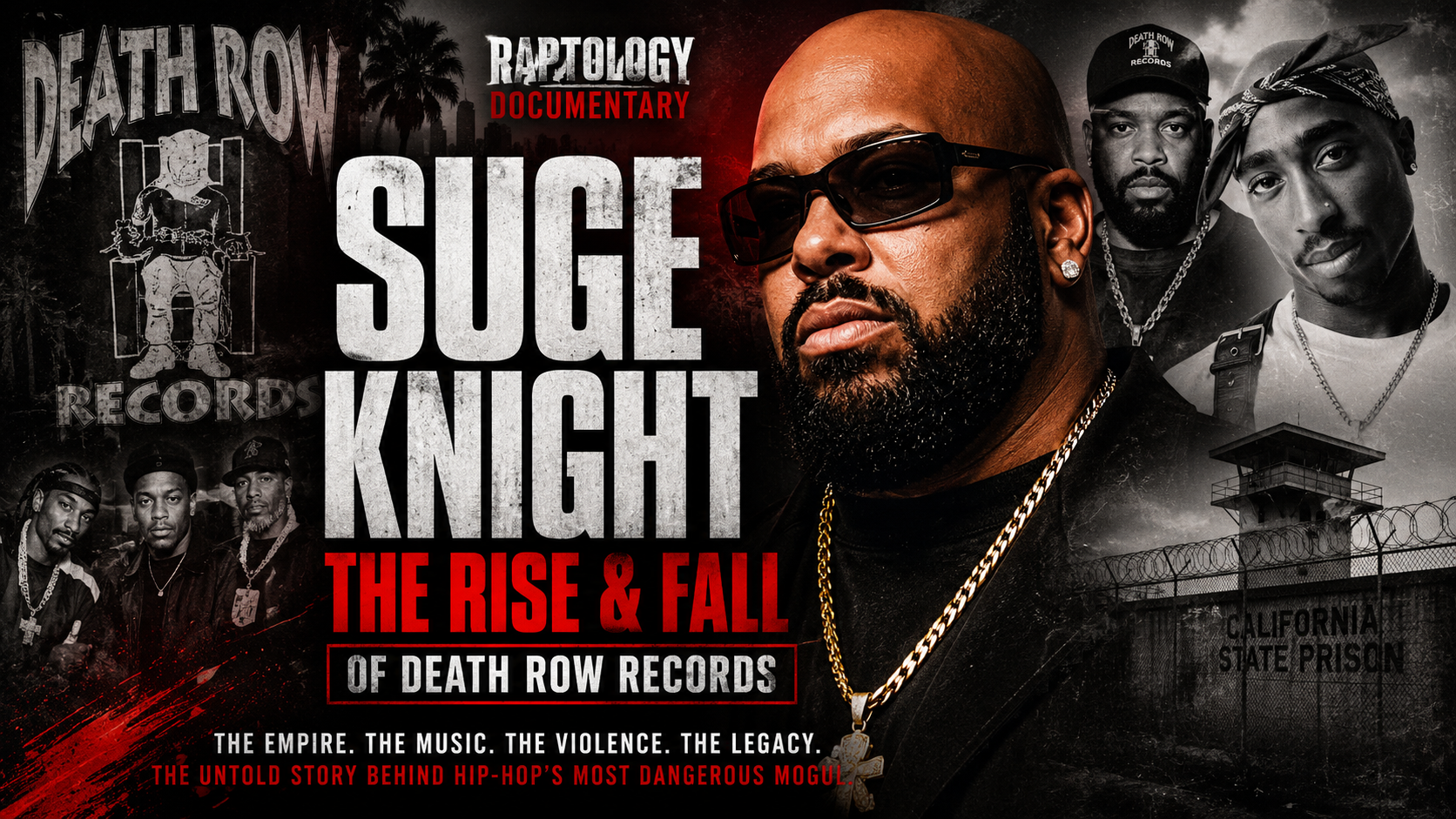
Tupac’s Death Row era was short, but it became one of the most important periods in rap history. After his release from prison, he joined a label that already represented West Coast power, controversy, and commercial dominance. With Suge Knight, Dr. Dre, Snoop Dogg, Tha Dogg Pound, and other figures surrounding the label’s rise, Death Row became the center of one of hip-hop’s most dramatic chapters.
At Death Row, Tupac recorded at an astonishing pace. The music from this period often felt urgent, as if he was racing against time. That speed helped create All Eyez on Me, the Makaveli material, and a large vault of recordings that would continue shaping posthumous releases for years.
East Coast, West Coast, and Rap’s Most Dangerous Narrative
Tupac’s final years became tied to the East Coast and West Coast conflict, one of the most damaging narratives in hip-hop history. The rivalry was fueled by media framing, personal conflicts, label tensions, street politics, and public diss records. Tupac’s feud with The Notorious B.I.G. and Bad Boy Records became central to that period, especially after “Hit ‘Em Up” turned private anger into a public detonation.
The tragedy is that the music, marketing, and conflict became impossible to separate. Tupac’s public image intensified until it seemed like every move carried symbolic weight. His death in Las Vegas in 1996 froze that period into hip-hop memory and forced later generations to study how fame, violence, media, and industry pressure collided.
Commercial Dominance and Posthumous Reach
Tupac’s commercial legacy is extraordinary because his career continued expanding after his death. His official website notes that his recording career lasted only five years, yet he became one of the most popular artists in history, with over 75 million records sold worldwide. That scale is part of what makes his Hall of Fame case so strong.
His posthumous reach also changed how the industry viewed unreleased material. Tupac’s vault became one of the most famous in music. New albums, remixes, documentaries, collections, and estate projects kept his voice active in culture long after 1996, creating both opportunity and debate about how an artist’s legacy should be handled after death.
Tupac Net Worth and Estate Legacy
Tupac’s exact net worth at the time of his death and the value of his estate have been discussed for decades, but public figures should be treated carefully because music assets, publishing, royalties, rights, estate management, and posthumous releases can change over time. What matters historically is that Tupac’s catalog became one of the most valuable and culturally significant bodies of work in rap.
The Tupac estate, Amaru-related projects, official releases, documentaries, merchandise, streaming, and licensing have kept his name active in global culture. His legacy is not only emotional. It is also institutional, with his music and image continuing to generate attention, revenue, scholarship, and debate.
Activism, Poetry, and the Revolutionary Image
Tupac’s activism cannot be separated from his family history or his writing. He was the son of Afeni Shakur, and his connection to Black liberation politics shaped how he saw the world. Even when his music became more aggressive or commercial, the political foundation remained present in his interviews, poems, and songs.
His poetry collection The Rose That Grew from Concrete helped reveal the writer underneath the celebrity. Tupac was often loud in public, but his poems show sensitivity, insecurity, longing, and self-examination. That duality is central to why people still study him. He was both armor and wound.
Why Tupac Is So Debated
Tupac is debated because he was full of contradictions. He could write “Keep Ya Head Up” and “Hit ‘Em Up.” He could speak about community and also intensify conflict. He could be compassionate, reckless, brilliant, wounded, prophetic, angry, funny, and self-destructive. For some listeners, that contradiction makes him more human. For others, it makes his legacy difficult to simplify.
That complexity is exactly why Tupac remains central to hip-hop history. Great artists often become symbols, but Tupac became a symbol of too many things at once: rebellion, vulnerability, Black pain, masculinity, fame, paranoia, loyalty, contradiction, and unfinished potential.
Influence on Modern Rap
Tupac’s influence can be heard in rappers who treat music as testimony. Artists across generations have drawn from his emotional directness, public vulnerability, activist language, street poetry, and ability to make personal pain feel political. He helped prove that rap could hold contradictions without losing power.
His influence is also visible in how rappers build mythology. Tupac understood image, interviews, film, poetry, symbols, slogans, and public confrontation. Modern rap stars who manage their persona across music, media, fashion, film, and politics are working in a world Tupac helped shape.
Tupac’s Place in Rap History
Tupac’s place in rap history is secure because his impact goes beyond technique, sales, and awards. He became one of the genre’s central emotional figures. His music gave language to people who felt trapped between survival and hope. His interviews became texts. His contradictions became debates. His death became a warning. His image became a global symbol.
Very few artists have remained this alive in culture after death. Tupac’s face, voice, lyrics, and story still circulate through classrooms, documentaries, murals, playlists, political conversations, fan pages, tribute songs, and hip-hop debates. That level of endurance is rare in any genre.
Why Tupac Is Raptology Rap Hall of Fame Pillar Content
For Raptology, Tupac Shakur is not just an artist profile. He is a pillar topic because his career connects to nearly every major hip-hop theme: political rap, West Coast history, Death Row Records, East Coast and West Coast tension, rap cinema, Black liberation, poetry, posthumous catalog management, hip-hop journalism, fan mythology, and the relationship between fame and violence.
This page should be treated as a living hub. Every future Tupac news story, documentary piece, anniversary article, Death Row feature, film retrospective, estate update, or West Coast history piece on Raptology should link back to this page. At the same time, this page should link out to those newer Tupac stories, creating a strong internal SEO cluster around one of the most searched and studied artists in hip-hop.
Read Next on Raptology:
- Rap Hall of Fame
- Snoop Dogg Rap Hall of Fame
- Raptology Documentaries
- Featured Stories
- More Tupac Coverage on Raptology
FAQ About Tupac Shakur
What was Tupac Shakur’s real name?
Tupac Shakur’s full name was Tupac Amaru Shakur. He also recorded under the name 2Pac and later used the Makaveli name for The Don Killuminati: The 7 Day Theory.
Where was Tupac from?
Tupac was born in New York City, spent important years in Baltimore, became connected to the Bay Area, and later became strongly associated with Los Angeles and the West Coast through his Death Row era.
What was Tupac’s breakout album?
Tupac’s early breakout began with 2Pacalypse Now and Strictly 4 My N.I.G.G.A.Z…, while Me Against the World made him one of rap’s defining voices and All Eyez on Me turned him into a commercial giant.
What is Tupac’s best album?
Many fans and critics point to Me Against the World, All Eyez on Me, or The Don Killuminati: The 7 Day Theory as Tupac’s best album, depending on whether they value emotional depth, commercial power, or final-era intensity most.
What are Tupac’s biggest songs?
Some of Tupac’s biggest songs include “Dear Mama,” “California Love,” “Keep Ya Head Up,” “Changes,” “Ambitionz Az a Ridah,” “I Get Around,” “So Many Tears,” “Hail Mary,” “I Ain’t Mad at Cha,” and “Hit ‘Em Up.”
Is Tupac one of the greatest rappers of all time?
Tupac is widely included in greatest-rapper debates because of his writing, emotional range, influence, cultural symbolism, acting career, activism, catalog, and lasting impact after death.
Why is Tupac controversial?
Tupac is controversial because his life and music included political activism, public feuds, legal issues, Death Row-era conflict, violent imagery, emotional vulnerability, and contradictions that still fuel debate about his legacy.
Reader Poll: What is Tupac’s strongest Hall of Fame argument?

Raptology Editorial is the official newsroom voice of Raptology, covering breaking hip-hop news, artist developments, industry trends, and in-depth editorial reports from across the global rap landscape.




🏧 The balance is 36,886.63 $. Get ➤➤➤ graph.org/BALANCE-3682444-USD-04-21-6?hs=15254f4e659c16efe140e5c2c71bbebb& 🏧
dbiklw