
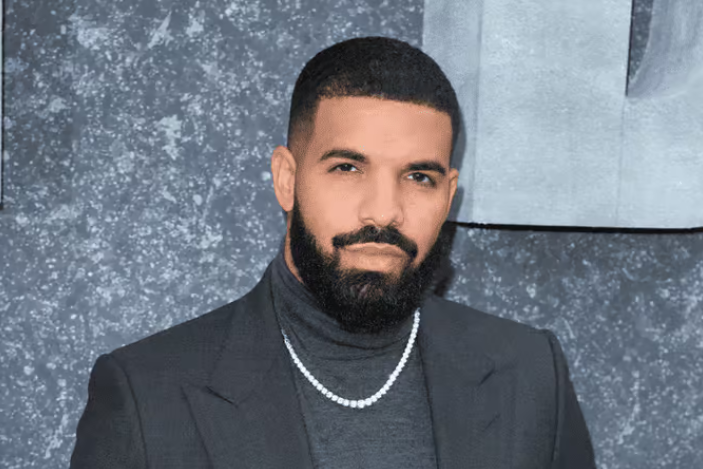
Drake is not just one of the most successful rappers of his generation. He is one of the defining artists of the streaming era, a Toronto-born star whose career changed how rap sounds, how rap travels, and how rap competes on a global commercial stage.
Born Aubrey Drake Graham on October 24, 1986, Drake moved from Canadian television into hip-hop history with a run that has included No. 1 albums, record-breaking singles, Grammy wins, Billboard dominance, viral moments, arena tours, global collaborations, brand partnerships, and one of the most debated legacies in modern rap. This Raptology Rap Hall of Fame profile is built as a living Drake hub, covering his biography, albums, songs, career timeline, business empire, feuds, social media, streaming presence, and long-term impact on hip-hop culture.
Why Drake belongs in the Raptology Rap Hall of Fame: He helped push melodic rap into the center of mainstream music, brought Toronto into the global rap conversation, dominated the Billboard era of streaming, and built a career that merged rap, R&B, pop, dancehall, Afrobeats, drill, and luxury lifestyle branding into one of the most powerful formulas in modern music.
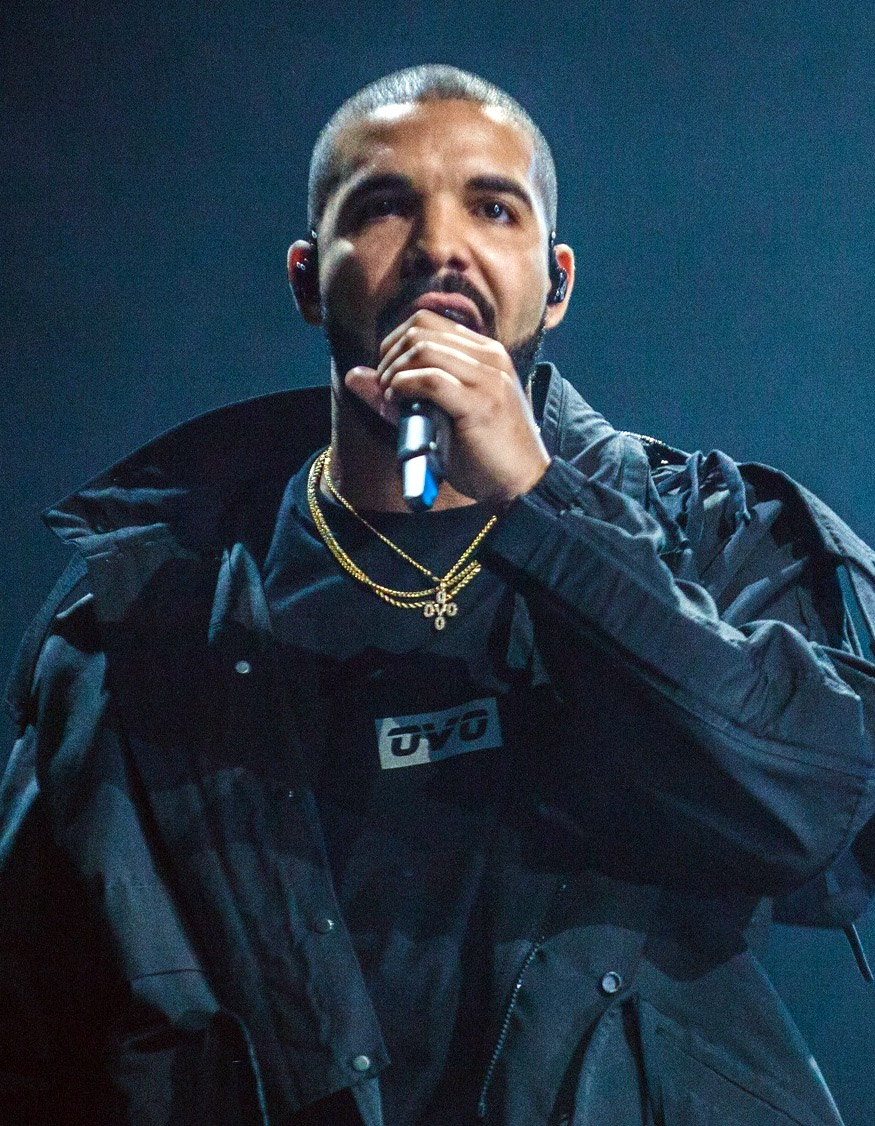
Who Is Drake?
Drake is a Canadian rapper, singer, songwriter, actor, and entrepreneur who became one of the biggest music stars in the world after first gaining attention as an actor on Degrassi: The Next Generation. His music career began with independent mixtapes, but his breakthrough came with So Far Gone, the 2009 project that introduced a new kind of rap superstar: emotionally open, melody-driven, internet-aware, and comfortable moving between hard rap verses and vulnerable R&B hooks.
That combination turned into one of the most successful formulas in modern music. Drake became the artist who could win on rap radio, pop radio, streaming platforms, club playlists, social media, and global charts at the same time. His influence is heard in the way a generation of artists blend singing and rapping, the way rappers now build lifestyle brands around themselves, and the way streaming-era albums are designed to dominate attention across multiple audiences.
Official Drake Links
For readers who want to follow Drake directly, his official hub is Drake Related. His verified Spotify artist page is Drake on Spotify, his official YouTube channel is Drake on YouTube, his Instagram is @champagnepapi, and his X account is @Drake.
Drake Related also connects fans to the larger world around his brand, including DreamCrew, El Chico Studios, NOCTA, October’s Very Own, OVO Sound, Better World Fragrance House, touring, merchandise, and other official projects.
Listen to Drake on Spotify
Drake’s official Spotify artist page
Take Care
Views
Scorpion
For All The Dogs
Early Life: Toronto, Family, and the Start of a Dual Career
Drake was born in Toronto to Dennis Graham and Sandi Graham. His father was a musician from Memphis, while his mother raised him primarily in Canada after his parents separated. This split background shaped a major part of Drake’s identity. He was connected to Black American music through his father’s side and grounded in Toronto through his upbringing, giving him a cultural position that later helped him build bridges across sounds, regions, and markets.
Before rap made him a global figure, Drake became known to television audiences as Jimmy Brooks on Degrassi: The Next Generation. The role gave him early visibility, but it also created a challenge. Many rappers come into the industry selling street credibility, while Drake entered with a public acting background. Instead of hiding it, he eventually turned that difference into part of his story, presenting himself as an artist whose strength came from emotional honesty, ambition, vulnerability, and self-awareness.
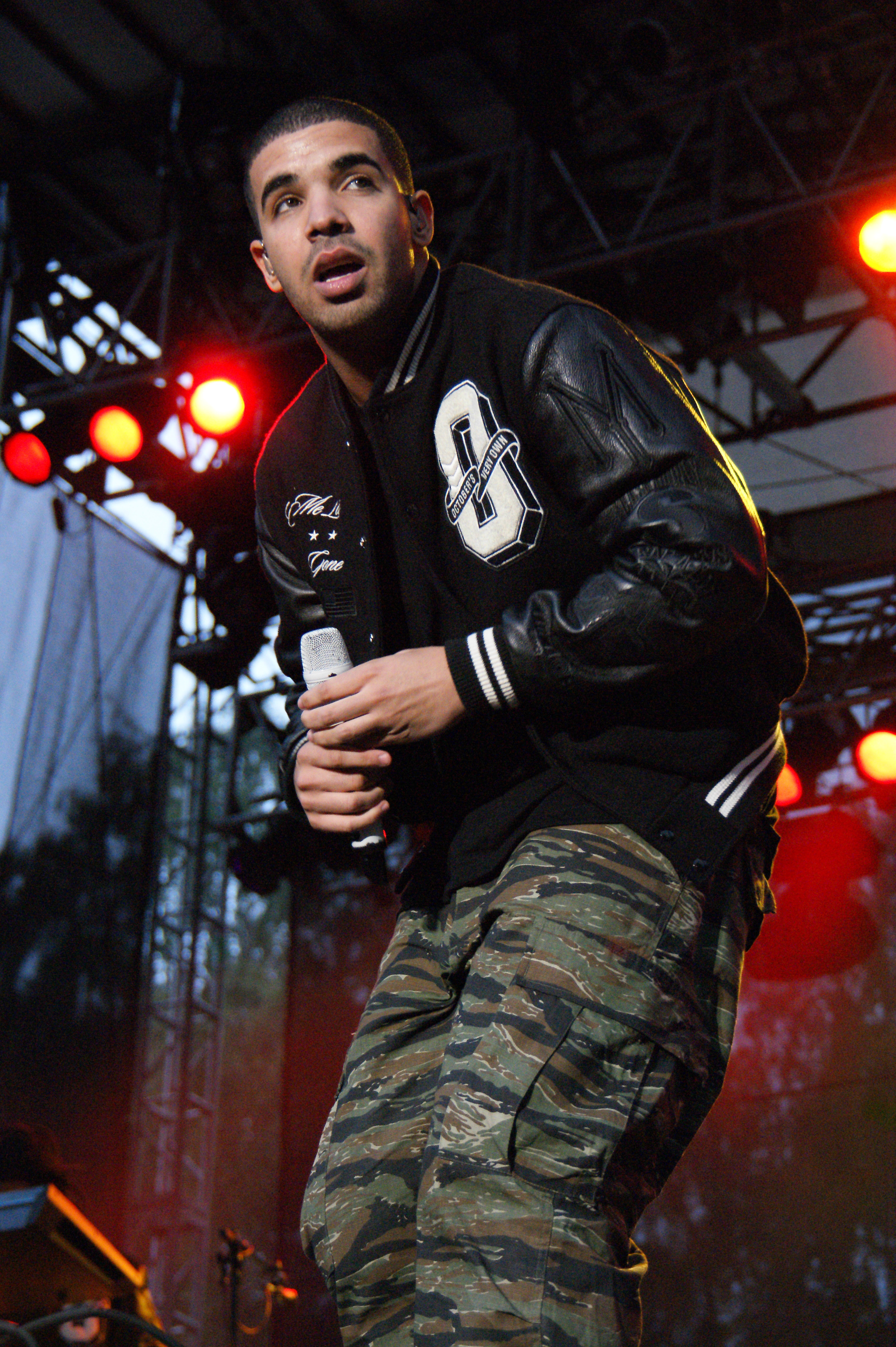
The Mixtape Years: Room for Improvement, Comeback Season, and So Far Gone
Drake’s first mixtapes helped build the foundation for his recording career. Room for Improvement arrived in 2006, followed by Comeback Season in 2007. These projects showed potential, but So Far Gone in 2009 changed everything. It was the moment when Drake’s sound, identity, and audience started to align.
So Far Gone blended rap ambition with moody R&B textures, blog-era discovery, and emotional writing. Songs like “Best I Ever Had” gave Drake a radio moment, while deeper cuts helped define the atmospheric style that would soon become central to his brand. The project connected him to Lil Wayne’s orbit and eventually to Young Money, placing him inside one of the most important rap movements of the late 2000s.
Career Timeline
| Year | Moment | Why It Matters |
|---|---|---|
| 2001 | Drake joins Degrassi: The Next Generation | He becomes publicly known before his music career takes off. |
| 2006 | Room for Improvement | His first mixtape begins his transition from actor to rapper. |
| 2007 | Comeback Season | Drake develops his sound and starts building a music audience. |
| 2009 | So Far Gone | The breakout project puts him in the national conversation. |
| 2010 | Thank Me Later | His debut studio album arrives and confirms him as a major label star. |
| 2011 | Take Care | The album becomes a defining release in modern melodic rap and R&B-influenced hip-hop. |
| 2013 | Nothing Was the Same | Drake sharpens his confidence, production style, and superstar identity. |
| 2015 | If You’re Reading This It’s Too Late | He leans into harder rap energy and strengthens his credibility during a major run. |
| 2016 | Views | Drake turns Toronto into a global pop-rap symbol and expands into dancehall and Afro-fusion sounds. |
| 2018 | Scorpion | The double album produces huge singles including “God’s Plan,” “Nice for What,” and “In My Feelings.” |
| 2021 | Certified Lover Boy | Drake continues his chart dominance in the streaming era. |
| 2022 | Honestly, Nevermind and Her Loss | He experiments with dance music, then reconnects with rap through a collaborative project with 21 Savage. |
| 2023 | For All The Dogs | The album keeps Drake at the center of rap’s commercial conversation. |
| 2025 | $ome $exy $ongs 4 U with PARTYNEXTDOOR | The project extends Drake’s relationship with OVO’s R&B universe. |
Thank Me Later: Drake Becomes a Major Label Star
Released in 2010, Thank Me Later was Drake’s official arrival as a studio album artist. The album carried the pressure of a highly anticipated debut, especially after the success of So Far Gone. Instead of being a small underground moment, Drake’s first album entered the marketplace as a major event backed by Young Money, Cash Money, and Universal Motown.
The album included records such as “Over,” “Find Your Love,” “Miss Me,” and “Fancy.” It showed Drake balancing rap ambition with pop accessibility, while still leaning into the emotional tone that had made his mixtape material connect so strongly. It also proved that he was not just a promising newcomer. He was already positioned as one of the next leaders of mainstream hip-hop.
Take Care: The Album That Changed His Legacy
Take Care, released in 2011, remains one of the most important projects in Drake’s catalog. It expanded the moody, atmospheric sound associated with Drake and producer Noah “40” Shebib, while giving fans a more complete version of his emotional universe. The album moved through heartbreak, fame, insecurity, success, isolation, nightlife, and ambition without separating rap from R&B.
Its influence can still be heard across modern music. Many artists who came after Drake borrowed from the Take Care playbook: sparse production, confessional lyrics, sung hooks, late-night atmosphere, and vulnerability presented as a form of power. The album also helped make Drake a serious award contender, eventually winning Best Rap Album at the Grammy Awards.
Nothing Was the Same: Drake Finds His Superstar Voice
Nothing Was the Same arrived in 2013 with a more confident version of Drake. Where Take Care felt wounded and atmospheric, Nothing Was the Same sounded sharper, cleaner, and more self-assured. Songs like “Started From the Bottom,” “Hold On, We’re Going Home,” “Worst Behavior,” and “Tuscan Leather” helped define this period as one where Drake fully stepped into his superstar role.
The album is also important because it strengthened Drake’s relationship with Toronto as both a city and an aesthetic. By this point, Drake was not only representing Toronto. He was turning it into a global symbol inside hip-hop and pop culture.
Views: Toronto Goes Global
Released in 2016, Views was designed as a large-scale statement. It leaned into Toronto imagery, seasonal moods, dancehall influence, Caribbean rhythm, and international pop reach. The album included “One Dance,” one of Drake’s biggest global records, along with “Hotline Bling,” “Controlla,” “Too Good,” “Pop Style,” and other records that extended his commercial reach.
Views became one of the clearest examples of Drake’s ability to turn regional inspiration into global sound. It also showed how powerful he had become in the streaming era, where playlist culture and repeat listening could turn a long album into a commercial machine.
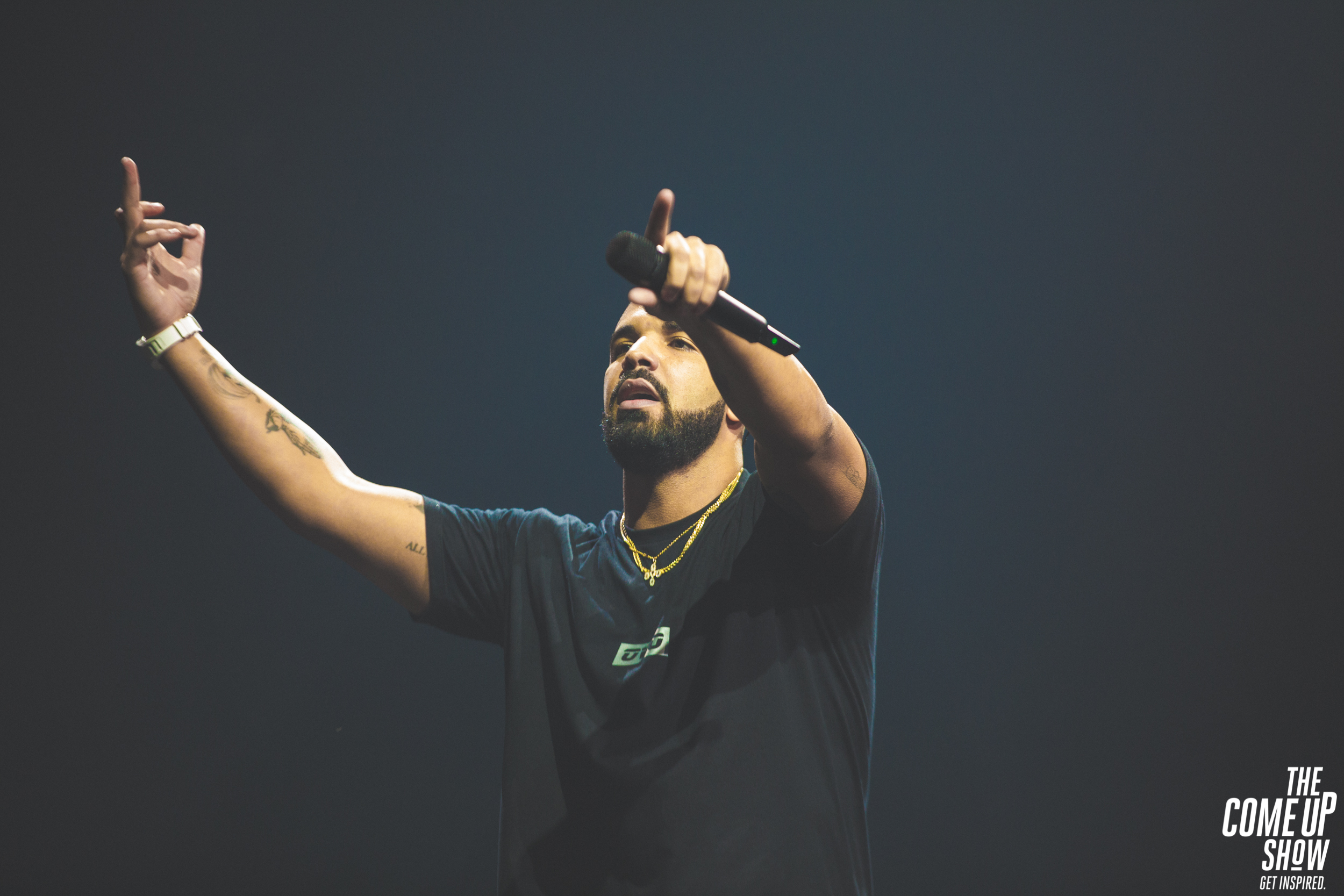
Scorpion: The Peak Streaming-Era Statement
Scorpion, released in 2018, was one of the biggest albums of Drake’s career. The double-album structure gave him room to split his identity across rap records and R&B-driven songs, while its biggest singles dominated streaming platforms, radio, and social media. “God’s Plan,” “Nice for What,” and “In My Feelings” became massive cultural moments, each connecting with a different part of Drake’s audience.
“God’s Plan” also became one of Drake’s most memorable videos because of its charitable concept. The video shows Drake giving away nearly its full budget through donations and gifts in Miami, turning the release into a feel-good public moment that extended far beyond a standard music video rollout.
Watch Drake Videos
Drake – God’s Plan
Drake – Hotline Bling
Drake – Started From the Bottom
Drake – First Person Shooter featuring J. Cole
Drake Albums and Projects
Drake’s discography is unusually large because it includes studio albums, mixtapes, collaborative albums, compilation projects, commercial mixtapes, and playlist-style releases. For SEO and reader usefulness, the table below focuses on the key projects most fans search for when researching Drake’s catalog.
| Year | Project | Type | Key Songs and Notes |
|---|---|---|---|
| 2006 | Room for Improvement | Mixtape | Early independent project showing Drake’s first steps as a rapper. |
| 2007 | Comeback Season | Mixtape | Helped build his early audience before the major label era. |
| 2009 | So Far Gone | Mixtape / EP | “Best I Ever Had,” “Successful,” “Houstatlantavegas.” |
| 2010 | Thank Me Later | Studio Album | “Over,” “Find Your Love,” “Miss Me,” “Fancy.” |
| 2011 | Take Care | Studio Album | “Headlines,” “Marvins Room,” “Take Care,” “The Motto.” |
| 2013 | Nothing Was the Same | Studio Album | “Started From the Bottom,” “Hold On, We’re Going Home,” “Worst Behavior.” |
| 2015 | If You’re Reading This It’s Too Late | Commercial Mixtape | “Legend,” “Energy,” “Know Yourself,” “6 God.” |
| 2015 | What a Time to Be Alive | Collaborative Project with Future | “Jumpman,” “Diamonds Dancing,” “Big Rings.” |
| 2016 | Views | Studio Album | “One Dance,” “Hotline Bling,” “Controlla,” “Too Good.” |
| 2017 | More Life | Playlist Project | “Passionfruit,” “Fake Love,” “Portland,” “Free Smoke.” |
| 2018 | Scorpion | Studio Album | “God’s Plan,” “Nice for What,” “In My Feelings,” “Nonstop.” |
| 2019 | Care Package | Compilation | Collected fan-favorite loosies and previously unavailable tracks. |
| 2020 | Dark Lane Demo Tapes | Commercial Mixtape | “Toosie Slide,” “Chicago Freestyle,” “D4L.” |
| 2021 | Certified Lover Boy | Studio Album | “Way 2 Sexy,” “Girls Want Girls,” “Fair Trade,” “Knife Talk.” |
| 2022 | Honestly, Nevermind | Studio Album | “Sticky,” “Massive,” “Jimmy Cooks.” |
| 2022 | Her Loss | Collaborative Album with 21 Savage | “Rich Flex,” “Major Distribution,” “Spin Bout U.” |
| 2023 | For All the Dogs | Studio Album | “First Person Shooter,” “IDGAF,” “8am in Charlotte.” |
| 2025 | $ome $exy $ongs 4 U | Collaborative Album with PARTYNEXTDOOR | OVO-centered R&B collaboration that continued Drake’s long relationship with PARTYNEXTDOOR. |
Most Important Drake Songs
Drake has too many major songs to reduce his career to one short list, but several records stand out because they represent different parts of his legacy. “Best I Ever Had” introduced him to a mainstream audience. “Headlines” turned confidence into a signature tone. “Marvins Room” pushed emotional rap and R&B into a darker, more vulnerable space. “Started From the Bottom” became a career slogan. “Hotline Bling” became a pop culture moment. “One Dance” showed his global reach. “God’s Plan” became one of his biggest commercial and visual statements. “Nice for What” connected him to New Orleans bounce influence. “In My Feelings” turned into a viral phenomenon. “First Person Shooter” placed him back in a direct rap conversation with J. Cole and helped reignite debate about rap’s modern hierarchy.
| Song | Era | Why It Matters |
|---|---|---|
| “Best I Ever Had” | So Far Gone | The breakout hit that made Drake a mainstream name. |
| “Marvins Room” | Take Care | A defining emotional Drake record that influenced a wave of moody rap and R&B. |
| “Started From the Bottom” | Nothing Was the Same | A career-defining anthem that became part of Drake’s public mythology. |
| “Hotline Bling” | Views era | A viral video and pop moment that reached far beyond rap audiences. |
| “One Dance” | Views | A global hit that showed Drake’s ability to merge rap stardom with international pop sounds. |
| “God’s Plan” | Scorpion | One of his biggest singles and one of his most memorable music video moments. |
| “Nice for What” | Scorpion | A bounce-influenced anthem with major cultural reach. |
| “In My Feelings” | Scorpion | A viral smash that connected with dance challenges and social media culture. |
| “Jimmy Cooks” | Honestly, Nevermind | A rap-focused closer with 21 Savage that became one of the album’s biggest moments. |
| “First Person Shooter” | For All the Dogs | A J. Cole collaboration that became central to later debate around rap’s “big three.” |
Billboard Records and Commercial Dominance
Drake’s commercial story is one of the clearest reasons he belongs in any modern Rap Hall of Fame conversation. Billboard named him Artist of the Decade for the 2010s, a recognition that reflected years of chart dominance across albums, singles, streaming, and cultural presence. His catalog has produced repeated Billboard Hot 100 success, Billboard 200 success, and long-running visibility across multiple chart categories.
What separates Drake from many rap superstars is the consistency of his dominance. Some rappers have higher peaks in a single era, but Drake built a career where almost every major release became a chart event. That consistency made him one of the most reliable commercial forces in modern music, especially during the shift from downloads to streaming.
Grammy History and Awards Conversation
Drake’s relationship with the Grammy Awards has been complicated. He has won multiple Grammys, including major recognition for Take Care, but he has also criticized the Recording Academy and at times pulled back from the awards system. That tension is part of his story. Drake is both a Grammy-winning artist and an artist who has questioned whether traditional award institutions properly understand rap, R&B, and Black music categories.
This makes his legacy larger than trophies alone. Drake’s career shows how the streaming era forced institutions to respond to artists whose impact could be measured not only by awards, but by charts, fan behavior, social conversation, cultural language, playlist presence, and global consumption.
Drake Net Worth and Business Empire
Drake’s exact net worth changes depending on the source and the year, so any number should be treated as an estimate rather than a confirmed personal financial statement. Most public celebrity wealth estimates place him in the hundreds of millions, driven by music revenue, touring, publishing, endorsements, merchandise, brand partnerships, real estate, and business ventures connected to OVO and Drake Related.
His business world includes October’s Very Own, OVO Sound, NOCTA, DreamCrew, Better World Fragrance House, and Drake Related. These ventures matter because they show how Drake moved beyond being only a recording artist. He became a brand architect, using music as the foundation for fashion, lifestyle, media, and luxury identity.
OVO, Toronto, and Brand Power
October’s Very Own, known widely as OVO, became one of the most recognizable artist-led brands in hip-hop. The owl logo, the Toronto connection, the annual OVO Fest history, and the close relationship between Drake, 40, Oliver El-Khatib, and the wider OVO circle helped create a world around the music. Fans were not just following songs. They were following an aesthetic.
Toronto is central to that brand story. Before Drake’s rise, Toronto had important music history, but it did not occupy the same global rap position as New York, Los Angeles, Atlanta, Chicago, Houston, or New Orleans. Drake helped shift that perception. He made Toronto slang, Toronto moods, Toronto visuals, and Toronto nightlife part of the mainstream rap imagination.
Feuds, Battles, and Controversies
Drake’s career has also been shaped by conflict. His feud with Meek Mill in 2015 became one of the first major rap battles to fully unfold in the social media age, with memes, reference track debates, diss records, and public reaction moving at internet speed. Drake’s “Back to Back” became a rare diss track that also worked as a hit record, strengthening his reputation as someone who could turn conflict into commercial momentum.
The Pusha T feud was different. Pusha T’s “The Story of Adidon” created one of the most damaging moments in Drake’s public career, exposing personal information and forcing a larger conversation about image, privacy, authenticity, and the limits of rap battle warfare. Unlike the Meek Mill battle, this conflict did not end with Drake clearly controlling the narrative.
The Kendrick Lamar rivalry became even larger because it involved two artists often placed in the same generation-defining conversation. Drake represented chart dominance, versatility, and global pop-rap influence. Kendrick represented lyricism, albums as artistic statements, and critical prestige. The tension between them was never only personal. It reflected a bigger debate about what greatness in hip-hop should mean.
Why Drake Is So Debated
Drake’s greatness is rarely discussed without argument. Supporters point to his hits, longevity, influence, records, versatility, hooks, and ability to stay relevant across changing eras. Critics question his use of collaborators, his relationship with pop trends, his lyrical consistency, and whether commercial dominance should be treated the same as artistic authority.
That debate is exactly why Drake matters. Artists who define eras are rarely neutral figures. They force people to take sides. Drake’s catalog, personality, public conflicts, and business power have made him one of the most analyzed figures in hip-hop, not because everyone agrees on his place, but because nobody can ignore it.
Influence on Modern Rap
Drake’s influence can be heard in the structure of modern rap songs. The line between rapper and singer is now much thinner than it was before his rise. Artists across hip-hop, R&B, Afrobeats, drill, trap, and pop regularly use the kind of melodic phrasing, emotionally direct writing, and hybrid production that Drake helped push into the mainstream.
He also influenced how artists think about geography. Drake showed that a rapper from outside the traditional American rap capitals could become one of the biggest figures in the genre without abandoning his city. His success opened more space for artists from Toronto and helped normalize the idea that rap’s center is not fixed in one country, region, or accent.
Social Media and Cultural Reach
Drake’s social media presence is part of his power. His Instagram account, @champagnepapi, functions as a public window into his lifestyle, humor, brand partnerships, studio activity, fashion, travel, and relationships with other artists. His posts often become news items, fan theories, memes, and rollout clues.
In the streaming era, an artist’s cultural reach is not only measured by album sales. It is measured by whether people quote the lyrics, share the captions, copy the style, follow the rollout, remix the moments, and turn the artist’s life into conversation. Drake has repeatedly shown that he understands that attention economy.
Drake’s Place in Rap History
Drake’s place in rap history is secure because he changed the expectations for what a rap superstar could be. He was not the first rapper to sing, not the first rapper to dominate pop charts, and not the first rapper to build a brand. His importance comes from how completely he combined those ideas during the streaming era. He became a rapper, singer, meme generator, businessman, actor, sports-world personality, fashion figure, Toronto ambassador, and global pop presence at the same time.
That combination made him difficult to categorize, which is also what made him powerful. Drake could release a hard rap record, a dancehall-influenced song, an R&B ballad, a club record, a drill-inspired track, or a viral single and still keep the same central audience. Few artists in hip-hop history have moved across lanes with that level of commercial control.
Why Drake Is Raptology Rap Hall of Fame Pillar Content
For Raptology, Drake is not just an artist profile. He is a pillar topic because his career connects to nearly every major modern hip-hop theme: streaming, rap beef, Toronto’s rise, Young Money’s dynasty, mixtape culture, pop crossover, social media, brand building, award politics, ghostwriting debates, global sounds, and the changing definition of rap greatness.
This page should be treated as a living hub. Every future Drake news story, documentary piece, album update, legal development, tour update, business story, or feud-related article on Raptology should link back to this page. At the same time, this page should link out to those newer Drake stories, creating a strong internal SEO cluster around one of the highest-search artists in the world.
Suggested internal links to add once published:
- Rap Hall of Fame
- Raptology Documentaries
- Featured Stories
- More Drake Coverage on Raptology
FAQ About Drake
What is Drake’s real name?
Drake’s real name is Aubrey Drake Graham. He uses his middle name professionally, which helped create one of the most recognizable one-word artist names in modern music.
Where is Drake from?
Drake is from Toronto, Ontario, Canada. His Toronto identity became a central part of his music, branding, visuals, slang, and long-term cultural impact.
What was Drake’s breakout project?
Drake’s breakout project was So Far Gone, released in 2009. The project helped him move from actor and promising rapper to one of the most talked-about new artists in hip-hop.
What is Drake’s best album?
Many fans and critics point to Take Care as Drake’s most important album because of its emotional writing, production style, R&B influence, and long-term impact. Others argue for Nothing Was the Same, Views, or If You’re Reading This It’s Too Late, depending on what side of Drake’s artistry they value most.
What are Drake’s biggest songs?
Some of Drake’s biggest songs include “Best I Ever Had,” “Headlines,” “Marvins Room,” “Started From the Bottom,” “Hotline Bling,” “One Dance,” “God’s Plan,” “Nice for What,” “In My Feelings,” “Jimmy Cooks,” and “First Person Shooter.”
Is Drake one of the greatest rappers of all time?
Drake is widely included in modern greatest-rapper debates because of his commercial dominance, influence, longevity, catalog, and cultural reach. The debate usually centers on how much weight should be given to chart success, songwriting, rap skill, albums, influence, and battle history.
Why is Drake controversial?
Drake is controversial because his career sits at the intersection of rap authenticity, pop success, ghostwriting accusations, public feuds, social media narratives, and debates over whether commercial dominance equals artistic greatness. His visibility makes every major move part of a larger conversation.
Reader Poll: What is Drake’s strongest Hall of Fame argument?
15 Comments


💶 Transfer of funds to your name. Receive a funds transfer >>> graph.org/TRANSACTION-05-05-6?hs=5fbf35db85366d0a00845f19b26bcbdb&
dmhz6f

MmzHrrdb
555
MmzHrrdb-1 waitfor delay '0:0:15' --
555
MmzHrrdb-1 waitfor delay '0:0:4.946' --
555
MmzHrrdb-1 waitfor delay '0:0:0' --
555
MmzHrrdb5Mabu94V'; waitfor delay '0:0:15' --
555
MmzHrrdb
555-1 waitfor delay ‘0:0:15’ —
MmzHrrdb
555-1)) OR 595=(SELECT 595 FROM PG_SLEEP(15))–
MmzHrrdb
555WKEYivOS’ OR 550=(SELECT 550 FROM PG_SLEEP(15))–
MmzHrrdb
555gZoQESsB’)) OR 809=(SELECT 809 FROM PG_SLEEP(15))–
MmzHrrdb
555’||DBMS_PIPE.RECEIVE_MESSAGE(CHR(98)||CHR(98)||CHR(98),15)||’

MmzHrrdb
555

MmzHrrdb
555

MmzHrrdb
555
Natalia Privalova
Dope