
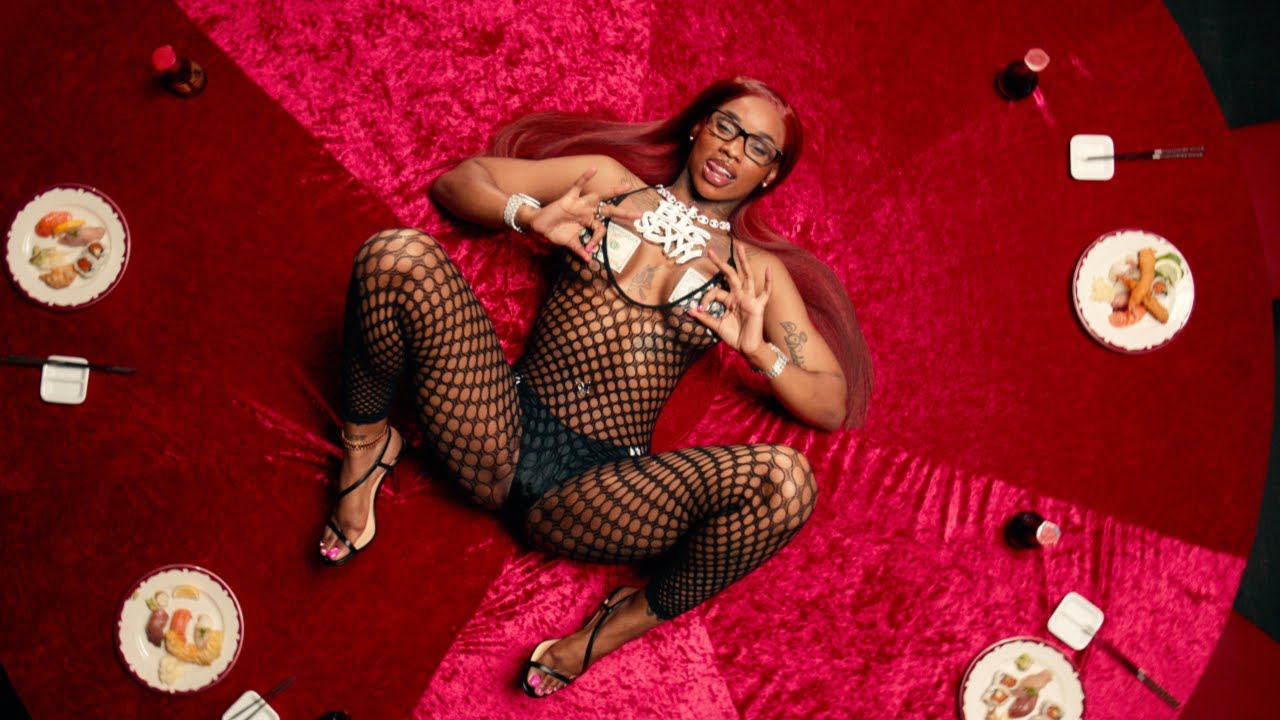
Sexyy Red is back in the center of hip-hop conversation after the rollout of Yo Favorite Trappa Favorite Rappa, a new 18-track project that arrived in April 2026 and immediately reopened one of rap’s most familiar debates. The St. Louis rapper has built a career on raw delivery, viral hooks, and an image that refuses to soften itself for traditional industry approval, but her latest release has critics and fans arguing again over where entertainment ends and artistry begins.
The discussion is not really about one album alone. It is about what the rap business rewards in 2026, how female rappers are judged compared to male artists, and whether shock value has become one of the most reliable marketing tools in modern hip-hop.
A New Album, An Old Argument
Sexyy Red’s rise has always been bigger than clean industry approval. Since breaking through with records like “Pound Town,” “SkeeYee,” and later high-profile collaborations that pushed her into the mainstream conversation, she has become one of the most polarizing figures in current rap.
Her supporters see her as unfiltered, funny, regionally authentic, and impossible to ignore. Her critics argue that the industry has leaned too heavily into controversy, sexual branding, and viral moments while giving less attention to lyricism, development, and long-term artistic growth.
That argument gained new fuel after Yo Favorite Trappa Favorite Rappa landed with a throwback mixtape-style presentation and a guest-heavy trap sound. The project’s timing, birthday-week rollout, and direct connection to Southern rap nostalgia made it feel like a statement, but the response has been divided across music media, fan pages, and comment sections.
Why Sexyy Red Keeps Dividing The Room
Part of Sexyy Red’s appeal is that she does not move like an artist asking permission. Her records are blunt, her humor is intentionally raw, and her public image often feels closer to the club, the group chat, and the street than to a polished label boardroom.
That directness is exactly why fans defend her. In their view, Sexyy Red is not pretending to be a conscious rapper or a traditional lyricist; she is making loud, catchy, personality-driven records that work in clubs, on social media, and inside the fast-moving attention economy that now shapes rap careers.
For critics, that same formula is the problem. They argue that labels, playlists, and media platforms often elevate the most outrageous voices because controversy creates clicks, even when more versatile women in rap struggle for the same level of investment.
The Female Rap Double Standard
The debate around Sexyy Red also exposes a long-running double standard in hip-hop. Male rappers have built careers on explicit lyrics, street imagery, viral behavior, and aggressive personas for decades, but female rappers are often asked to carry a heavier burden of respectability.
When artists like Lil’ Kim, Trina, Foxy Brown, Gangsta Boo, and Khia pushed sexual confidence into the center of rap, they were often criticized while also becoming deeply influential. Sexyy Red’s defenders argue that today’s backlash is part of that same pattern, only amplified by TikTok, Instagram, and the 24-hour commentary cycle.
At the same time, some listeners say the issue is not sexuality itself. Their concern is that the industry may be narrowing the public image of women in rap by rewarding the most extreme, meme-ready version of female confidence while giving less visibility to artists with different styles, stories, and approaches.
Controversy Still Moves The Market
Whether people love or dislike Sexyy Red, the business reality is hard to ignore. The conversation itself keeps her visible, and visibility remains one of the most valuable currencies in modern rap.
Every debate becomes free promotion. Every criticism pushes fans to defend her, every viral clip brings new listeners into the conversation, and every new release gives the industry another chance to test how far personality can carry a project.
This is where the argument becomes bigger than Sexyy Red. Hip-hop has always had disruptive artists who made older audiences uncomfortable, but the speed of today’s platforms means that controversy is now processed almost instantly as marketing content.
What This Says About Rap In 2026
The larger question is whether the industry is reflecting the audience or training the audience. If records trend, videos circulate, and fans keep showing up, labels can argue that they are simply responding to demand.
Critics see it differently. They believe the biggest platforms influence taste by deciding which artists receive repeated visibility, editorial placement, playlist support, and media attention, creating a loop where the most polarizing artists become the easiest to promote.
Sexyy Red sits directly inside that tension. She is not the first rapper to turn raw personality into commercial momentum, but she is one of the clearest examples of how the current rap economy rewards artists who can generate debate as easily as they generate streams.
The Bottom Line
Sexyy Red may not be trying to win over every critic, and that might be the point. Her career has been built on the kind of energy that divides listeners while keeping her name active in the same rooms where decisions about playlists, festivals, collaborations, and media coverage are made.
The debate around her latest rollout shows how complicated hip-hop’s relationship with popularity has become. Fans want authenticity, critics want standards, labels want attention, and artists are left navigating a system where being talked about can matter almost as much as being praised.
For now, Sexyy Red remains one of rap’s most debated figures. Whether that makes her a symbol of the genre’s decline or a reflection of where the audience already is depends on who you ask.
Reader Poll: Is Sexyy Red’s rise good for hip-hop?

Natalia is a Rap and Hip Hop enthusiast. After graduating from The New School of New York’s Public Relations Program and taking a course in Journalism at Michigan State University, she decided to dedicate her life to the music publishing business and to the discovery of new talent. She helps new artists gain exposure to the masses via online marketing and publications.











Leave a Reply