

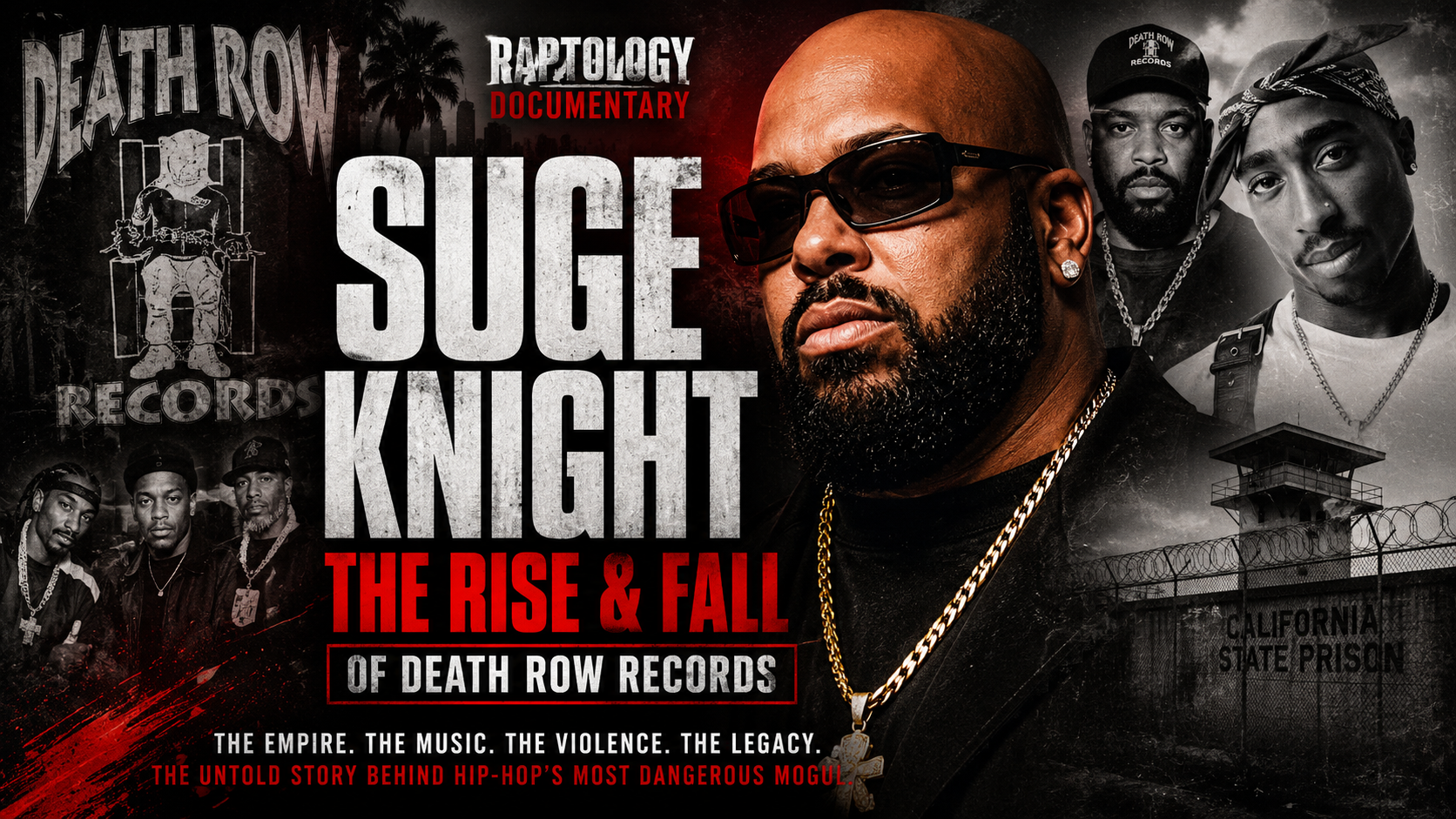
Death Row Records did not simply become one of the most famous labels in rap history. It became a symbol of power, danger, ambition, controversy, and the explosive rise of West Coast hip-hop in the 1990s. The label helped turn Dr. Dre, Snoop Dogg, 2Pac, and Suge Knight into central figures in one of the most dramatic eras the genre has ever seen.
At its peak, Death Row was not just selling records. It was shaping culture. Its albums moved through neighborhoods, cars, clubs, radio stations, and music television with a force that made the label feel bigger than the music business itself. But the same intensity that made Death Row powerful also made it unstable.
The Birth Of A West Coast Powerhouse
Death Row Records emerged during a period when West Coast rap was demanding national respect. Dr. Dre’s production style, Snoop Dogg’s voice, and Suge Knight’s aggressive business presence helped create a label that felt dangerous, cinematic, and impossible to ignore.
The release of Dr. Dre’s The Chronic helped redefine the sound of mainstream rap. The record brought G-funk into the center of American music and gave Death Row an identity built around smooth grooves, street authority, and larger-than-life personalities.
Snoop Dogg Became The Face Of A New Era
Snoop Dogg’s rise turned Death Row from a powerful new label into a full cultural movement. His delivery, image, and charisma gave the label a superstar who could connect with the street audience and mainstream fans at the same time.
With Doggystyle, Death Row proved that its success was not a one-album moment. The label had developed a sound, a brand, and a pipeline of stars that made it one of the most dominant forces in rap.
2Pac Changed The Stakes
When 2Pac joined Death Row, the label entered its most intense and controversial period. Pac brought urgency, emotion, fame, conflict, and a level of public attention that made every move around the label feel historic.
His Death Row run produced some of the most important music of his career, but it also deepened the chaos surrounding the label. The combination of commercial success, legal pressure, public conflict, and industry tension made Death Row feel unstoppable and fragile at the same time.
The Collapse Was Built Into The Rise
Death Row’s downfall did not happen because the label lacked talent. It happened because the forces around the label became too heavy to control. Business disputes, violence, legal issues, public rivalries, and internal fractures slowly weakened the empire that had once looked untouchable.
Dr. Dre eventually left the label, 2Pac was killed in 1996, and the energy that once powered Death Row began to turn inward. What remained was a complicated legacy filled with classic music, unanswered questions, and one of the most discussed chapters in hip-hop history.
Source Notes: This Raptology documentary is based on publicly reported music history, artist interviews, label history, official music video releases, and long-running coverage of Death Row Records, Dr. Dre, Snoop Dogg, 2Pac, Suge Knight, and the West Coast hip-hop era.
Dr. Dre official site: “Nuthin’ But A ‘G’ Thang” video
Read More On Raptology:
Reader Poll
Why Death Row Still Matters
Death Row Records remains one of the most important and complicated stories in rap history because it captured both the power and the danger of the industry at its most explosive. The label gave hip-hop some of its most iconic records, but it also became a warning about what happens when success, conflict, money, and street politics collide.
Decades later, Death Row is still studied, debated, sampled, referenced, and revisited because its impact never fully disappeared. The music still moves people, the stories still raise questions, and the label’s legacy remains one of the defining chapters of West Coast hip-hop.

Raptology Editorial is the official newsroom voice of Raptology, covering breaking hip-hop news, artist developments, industry trends, and in-depth editorial reports from across the global rap landscape.






💰 TRC20-USDT Crypto Refund 2026 Withdraw Compensation 💥💥 telegra.ph/COMPENSATION-05-12-9?hs=b983cf9696335eb023a75529a3f98fe4& 💰
lsih6b