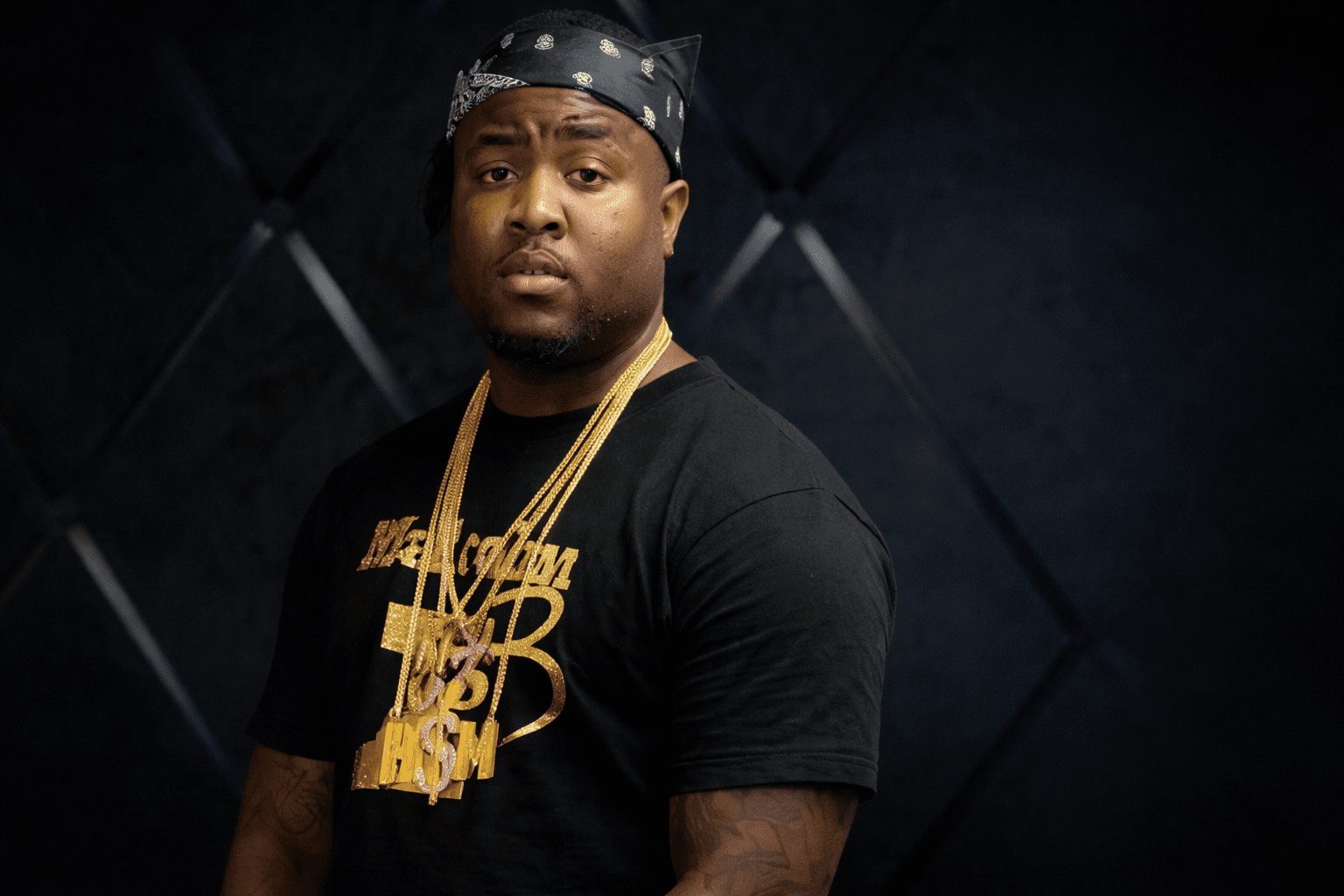
Few modern Southern rappers captured pain, survival, and street reality with the emotional weight of Mo3. Long before the tragic headlines of November 11, 2020, his music had already become a voice for Dallas pain and Texas street poetry. This is the story of how one of the most emotionally resonant voices in Southern rap rose from the city’s hardest corners — and how his life ended in one of hip-hop’s most shocking public murders.
Born Melvin Noble in Dallas, Texas, on May 31, 1992, Mo3’s story was deeply tied to the city that raised him. Dallas has long produced talent, but Mo3 brought something different: a melodic vulnerability layered over brutally honest street storytelling. His records often sounded like diary entries from someone living under constant pressure. Unlike artists who separated street image from personal emotion, Mo3 blended the two seamlessly. His music carried pain, grief, paranoia, and reflection in equal measure. This emotional transparency is what made listeners connect so deeply with him. He did not simply rap about the streets; he made the streets sound human.
By 2018 and 2019, Mo3 had begun building a much larger regional and eventually national presence. Tracks like “Errybody” and his collaborations with :contentReference[oaicite:1]{index=1} helped widen his reach beyond Texas. Yet even as the audience expanded, the music never lost its emotional core. He remained deeply rooted in Dallas identity, often turning local tension and personal survival into narrative-driven records that felt closer to testimony than entertainment. His rise was not built on gimmick or trend. It was built on pain that listeners could feel. This is one of the reasons his search volume remains so high even years later — the story is inseparable from the music.
The story took its darkest turn on November 11, 2020. In broad daylight on Interstate 35 in Dallas, Mo3 was reportedly pursued after exiting his vehicle during what authorities described as a targeted shooting. The image of the rapper running on foot along the highway, in full public view, remains one of the most haunting visuals in modern hip-hop tragedy. He was fatally shot, and the news sent shockwaves through Texas rap and the wider hip-hop community. Unlike many music industry losses that happen behind closed doors, this tragedy unfolded in a public space, making the event feel even more surreal and horrifying. For Dallas, the day the highway went silent became a permanent scar in the city’s rap history.
Need press for your music?
Get featured on Raptology and reach hip-hop fans worldwide.
Get FeaturedThe murder quickly became one of the most searched stories in rap news, not only because of Mo3’s rising status but because of the deeply cinematic and tragic nature of the event itself. Fans across the country searched for footage, updates, legal developments, and the broader context surrounding the case. Over time, the legal process surrounding the killing added another layer to the documentary narrative. But even beyond the investigation, what stayed with listeners was the sense that one of Southern rap’s most emotionally distinct voices had been cut short at the very moment his influence was expanding.
Mo3’s legacy now exists in two powerful forms: the music and the tragedy. His records continue to resonate because they captured a kind of street realism that was never one-dimensional. There was vulnerability, regret, and survival in the same verse. This is what separates his story from many rise-and-fall narratives. He was not simply a rapper from the streets. He was a storyteller whose pain translated into poetry. For Dallas, his name remains foundational to the city’s modern rap identity. For the wider culture, his story stands as one of the most emotionally devastating documentaries in recent hip-hop history.
Few stories in rap combine artistry and tragedy as powerfully as Mo3’s. The city gave him his pain, the music gave him a voice, and the highway murder gave the story a permanence that still drives search interest years later. In the archive of Southern rap documentaries, Mo3 remains essential — not just because of how he died, but because of how honestly he lived through the music.
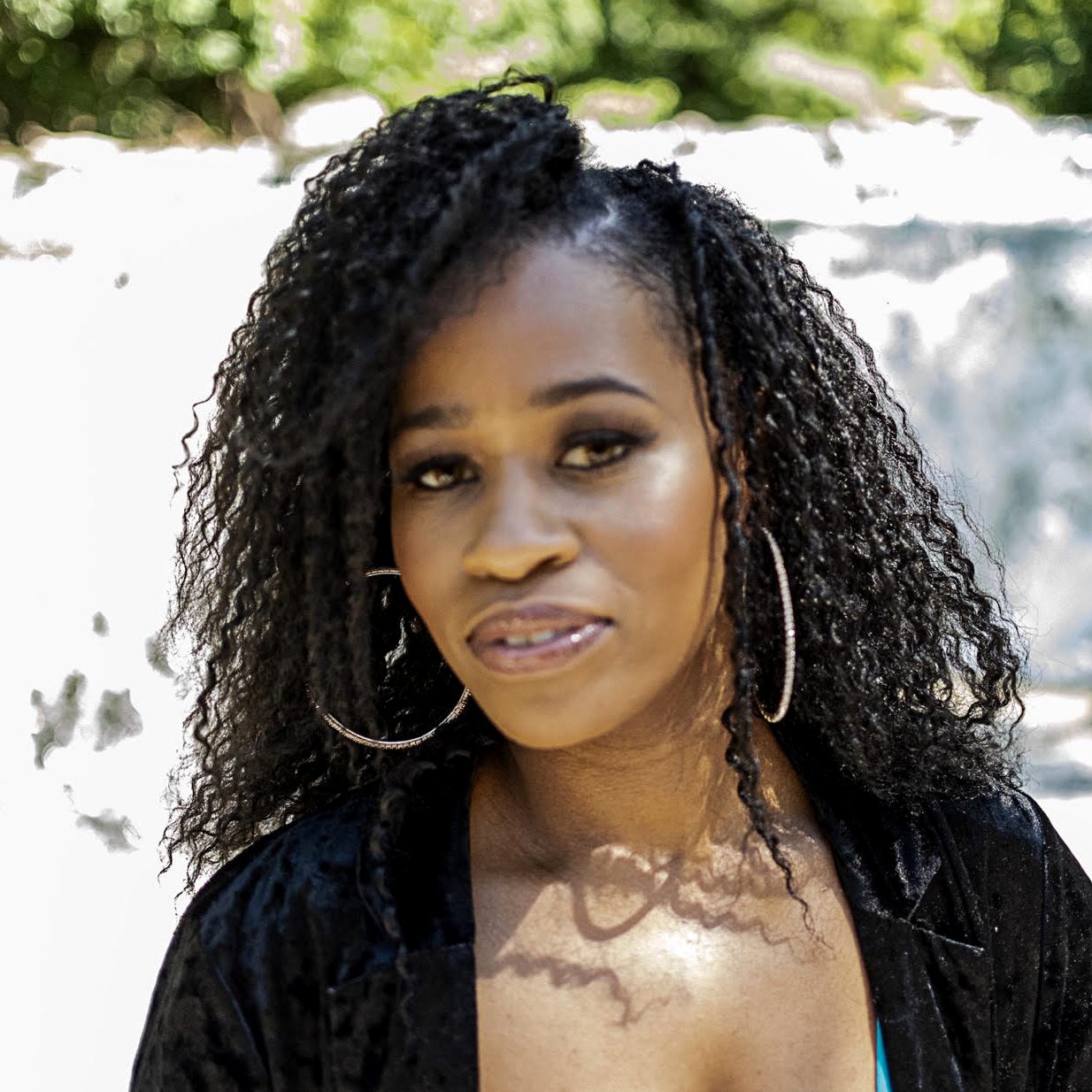
Hulda Hicks was born in Brooklyn, NY in the late ’70s, at the time when Hip-Hop music was just emerging as an art form. Her entire life was influenced by the culture, having grown up in the epicenter of the creative movement.
As a trained musician and vocalist, Hulda got exposed to the industry in her twenties and has worked on projects with iconic figures such as the Chiffons, the Last Poets, and Montell Jordan, to name a few. Her passion for music extended past the stage on to the page when she began to write ad copy and articles as a freelancer for several underground publications.
A written review from “Jubilee Huldafire” is as authentic as it gets, hailing from one creative mind that has a unique voice, on paper and in person.