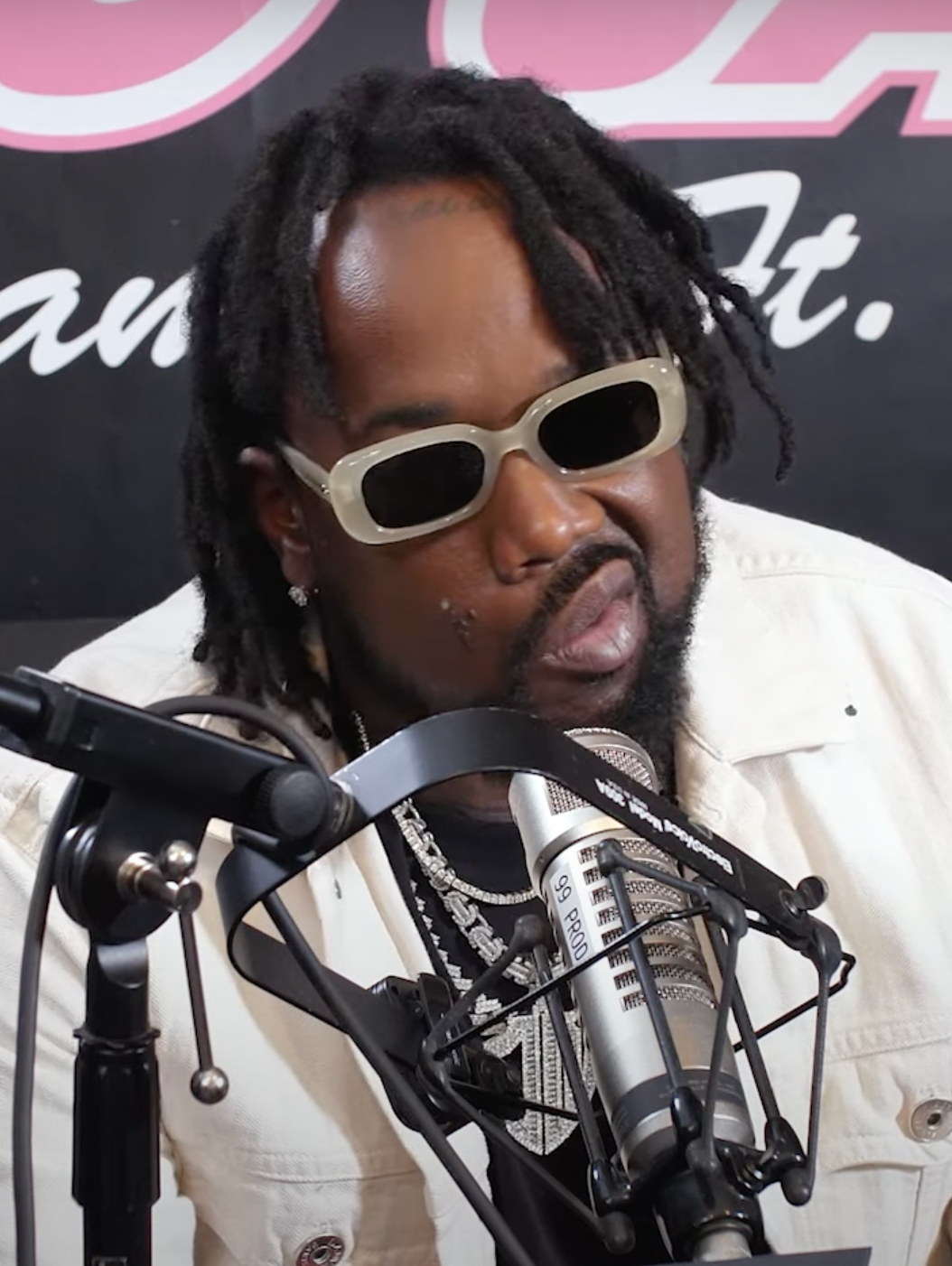
BUFFALO, N.Y. – Conway the Machine has released OTIS, an 11-track album that brings three Wu-Tang Clan members into the same recording and closes with an unexpected Buffalo rock collaboration.
A Buffalo rapper puts his lineage on the record
Conway the Machine has spent much of his career making the case that Buffalo belongs in any serious conversation about contemporary New York rap. His latest album, OTIS, makes that argument through the company he keeps. Released Friday, November 20, the 11-song project places the Griselda-associated MC alongside three Wu-Tang Clan veterans on one track, Kool G Rap on another and a member of Buffalo rock institution the Goo Goo Dolls on its closing song. That combination is more than a list of guest appearances. It connects the rapper’s hard-edged writing to the older New York tradition that helped shape it, while allowing room for an unexpected hometown crossover. Apple Music identifies the album as a Drumwork release under license to Roc Nation Distribution, with a running time of approximately 40 minutes. The title is an abbreviation for Often Times I Suffer, an unusually direct statement of the personal weight behind a catalog known for stark street narratives. The album is available now, not merely announced or open for preorders.
The Wu-Tang meeting is the centerpiece
The most immediately recognizable collaboration arrives on the second track, “Lupita!,” which credits Ghostface Killah, Raekwon and Method Man. Their presence carries a particular significance for listeners who hear Griselda’s production choices and lyrical approach as an extension of New York’s gritty 1990s tradition. This is not a speculative feature list. The three artists appear in the official Apple Music track credits. The pairing also gives Conway an opportunity to work beside performers whose records helped establish the vocabulary of cinematic street rap, densely packed verses and distinct regional identities. It would be premature to call the song a classic based solely on the credits. What is verifiable is the unusual concentration of influential voices on one six-minute-plus cut. In a streaming environment where marquee collaborations often last little more than two minutes, the recording gives the performers a more expansive canvas. The record also reflects a broader conversation between generations: Buffalo’s underground resurgence did not emerge in isolation from the boroughs that built East Coast rap’s earlier commercial and creative foundations.
Kool G Rap and the art of continuity
The seventh track, “Cobra!,” features Kool G Rap, another figure whose influence extends far beyond the sales history of his own recordings. His appearance reinforces the project’s commitment to the storytelling lineage associated with precise internal rhymes and street-level detail. For Conway, these features are not simply exercises in borrowing prestige. His existing body of work has already established an affinity for ominous loops, direct delivery and the kind of verse that rewards repeat listening. Bringing veteran MCs into that setting makes the connection audible rather than leaving it to critics and fans to draw. The album’s other credited appearances include Flee Lord and Shots Almigh on “Almigh!” and Inkredible N.E.S. on “1002 corpses!” Those names also prevent the guest list from becoming exclusively a roll call of established stars. The sequencing mixes artists with different levels of public recognition while keeping Conway’s own voice at the center. It is important, however, to distinguish confirmed credits from claims about the performers’ private relationships. A shared track establishes a recorded collaboration, not necessarily a broader alliance, contract or ongoing partnership.
A surprising finish from Buffalo’s rock world
The closing song, “Grease paint!,” provides the album’s most unexpected stylistic connection. The official TIDAL track listing and Conway’s release announcement credit Goo Goo Dolls bassist Robby Takac on the song, with Daringer supplying guitar-driven production. Apple Music’s editorial description instead names John Rzeznik, an inconsistency in secondary release information; the credited track listing and artist’s publicity materials identify Takac. The Goo Goo Dolls’ association with Buffalo gives the appearance a local dimension that goes beyond the novelty of a rock musician turning up on a rap record. Conway’s career has been deeply connected to the city’s identity, even as his audience has spread internationally. The collaboration is an opportunity to hear two different musical traditions linked through their hometown. That does not mean the album has suddenly abandoned its established sound or become a rock project. The track appears at the end of an otherwise firmly hip-hop-centered sequence. Its placement suggests a deliberate closing contrast, although any claim about Conway’s precise intentions would require an interview or direct statement. The confirmed facts are the song, the featured vocalist and the musical credit, not an invented narrative about how the collaboration was arranged.
Drumwork and the independent-label equation
Another important detail is the release line itself. Apple Music lists OTIS as a 2026 Drumwork recording under license to Roc Nation Distribution. That credit matters because it identifies the label and distribution relationship associated with this particular album. It does not, on its own, establish ownership of every master, the terms of the agreement or the financial value of the deal. For independent-minded rappers, distribution arrangements can offer a route to major platforms while retaining a distinct label identity, but the actual business terms vary. Conway has used the Drumwork name as a central part of his artistic identity beyond his earlier Griselda breakthrough. The new record’s credits place that brand directly beside an established distribution operation. The distinction is worth making in an industry where headlines often flatten label, management, licensing and distribution into one vague claim that an artist has ‘signed.’ The verified description here is narrower and more useful: this album is issued through Drumwork under license to Roc Nation Distribution.
The album’s route to release
The campaign was not a surprise drop. The advance single “Diggwutumsayn!” arrived in late October, and “Sarah!” followed ahead of the full project. By November 20, listeners could access all 11 tracks. The official album listing identifies “Tricknology!” as the opener, followed by “Lupita!” and “1002 corpses!” before moving through the middle of the sequence toward “Cobra!” and the closing “Grease paint!” That order matters because it allows the project to establish its core aesthetic before introducing the more unusual ending. It also creates several points of entry: listeners drawn by the Wu-Tang reunion can start with “Lupita!,” while those interested in the Buffalo crossover can hear the finale. A responsible release report should not confuse a distributor’s track listing with an independent critical verdict. The record’s availability, sequencing, credits and length are confirmed. Assessments of its artistic success are judgments that require sustained listening and should be presented as such.
Why this release matters to East Coast rap
The larger story is the continued viability of lyric-driven street rap outside the dominant pop-radio formula. Conway’s audience was built around records that treat the rapper’s voice and narrative as the central attraction. OTIS does not have to chase every prevailing production trend to become newsworthy. Its guest list, distribution credit and compact length speak to an artist positioning himself within a durable tradition while operating under his own label identity. There is also a geographic story here. Buffalo has become a major reference point in modern underground rap, but it is not interchangeable with New York City. Its artists have developed an identity of their own, shaped partly by the city’s industrial history and partly by a creative network that pushed beyond local boundaries. Pairing Conway with Wu-Tang veterans underscores a connection across upstate and downstate New York without erasing those differences. The album’s arrival also gives fans a concrete new release to discuss rather than another speculative promise of future music.
What listeners can verify now
The official TIDAL track listing credits Robby Takac on the closer, and Conway’s publicity materials confirm the guest lineup. Another reliable place to check the release is the official Apple Music album page, which lists the date, 11-song sequence, credited guests and distribution information. Contemporary reporting by stupidDOPE and KAZI Magazine independently describes the album’s arrival and its prominent collaborations. One small but instructive caution: some short release notices have incorrectly identified Redman instead of Raekwon on “Lupita!” The official Apple Music credits name Raekwon, alongside Ghostface Killah and Method Man. Readers should rely on the credited release rather than repeat the inconsistent version. As of this report, the verified headline is straightforward: Conway has released OTIS, with notable appearances from Wu-Tang members, Kool G Rap and Robby Takac. Claims about sales, chart positions or critical consensus would require separate evidence after release.
Get Featured on Raptology
Independent artists can submit music for editorial consideration.
Support Independent Hip-Hop Journalism
Help Raptology keep reporting on the artists and scenes shaping the culture.
For more reporting, see Raptology’s Wu-Tang Clan Hall of Fame coverage and Westside Gunn album review.

Jose Zamora is a writer and creator from Boston, MA. He has been a music nerd since middle school when he started his record collection. His passion for Hip-hop began when he discovered legends like Nas and Gang Starr and became obsessed with up-and-coming acts like Kendrick Lamar and A$AP Mob.
He is a recently graduated, up-coming journalist, passionate about music and culture. He is always keeping an eye out for the next big thing and is eager to put their talent in the spotlight for others to enjoy. He believes firmly that “Good art deserves to be talked about.”




Leave a Reply