

Casanova’s federal case remains one of the clearest examples of how quickly a rapper’s career can move from street credibility and industry momentum to a courtroom, a guilty plea, and a long federal sentence. The Brooklyn rapper, born Caswell Senior, had built his name on a hard-edged image, a breakout record, and co-signs that placed him near some of New York rap’s most powerful circles.
By the time the federal case unfolded, the story had become bigger than one artist. It involved allegations around the Untouchable Gorilla Stone Nation, a racketeering conspiracy, narcotics trafficking, violence, and the federal government’s continued use of RICO-style prosecutions in cases involving rappers, crews, and street organizations.
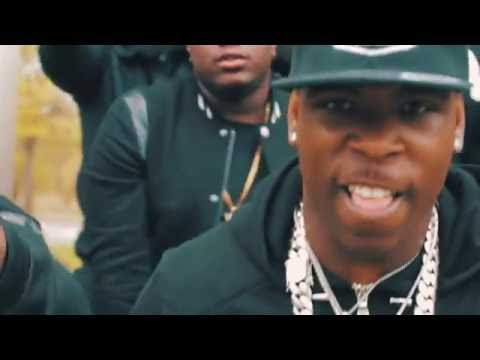
Casanova’s “Don’t Run” helped make him one of Brooklyn’s most visible street rap voices.
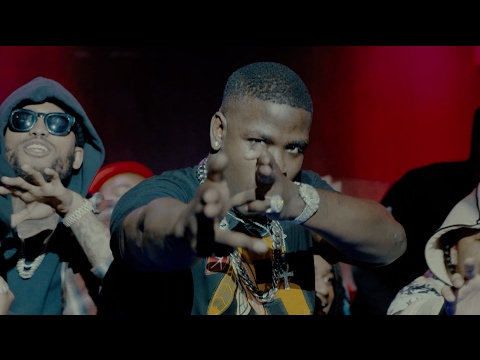
The “Don’t Run” remix connected Casanova with Young M.A, Fabolous, Dave East, and Don Q.
Raptology Case Summary: Casanova pleaded guilty in May 2022 to racketeering and narcotics offenses. In June 2023, he was sentenced to 188 months in federal prison, equal to 15 years and 8 months, after prosecutors said the case involved his role in the Untouchable Gorilla Stone Nation Bloods gang.
Who Is Casanova?
Casanova emerged from Brooklyn with a voice and presence that felt built for New York street rap. His breakout record “Don’t Run” became a regional anthem and helped position him as one of the city’s most recognizable new street rappers of the late 2010s. The record was aggressive, direct, and easy to remember, which made it travel beyond New York clubs and radio.
His industry story also carried major attention because he became associated with Roc Nation and the wider Jay-Z orbit. That connection gave him visibility beyond the local scene, and for a period, Casanova looked like an artist who could turn street reputation into mainstream opportunity. His public personality, interviews, and music all fed into a brand built around authenticity, loyalty, and survival.
Video link opens directly on YouTube to avoid the black-box embed issue inside WordPress.
Listen: Casanova’s official Spotify artist page.
The Federal Indictment
The case became public in December 2020, when federal prosecutors announced charges against members and associates of the Untouchable Gorilla Stone Nation. The indictment described a broad criminal case involving alleged racketeering, murder, narcotics, firearms, and fraud offenses connected to the gang.
Casanova was one of the defendants named in the case. Prosecutors alleged that he held a leadership role within Gorilla Stone and that his conduct was tied to the racketeering conspiracy. After the indictment was announced, Casanova initially became the subject of an arrest warrant before surrendering to federal authorities.
Social Media Reference: Casanova’s official Instagram profile can be viewed at @bigcasanova_2x. This direct link is safer than an Instagram embed, which often fails on WordPress mobile pages or inside browsers with tracking protection.
What Casanova Admitted To
In May 2022, Casanova pleaded guilty to racketeering and narcotics offenses. According to the U.S. Attorney’s Office for the Southern District of New York, he admitted that as part of the racketeering conspiracy, he participated in a July 5, 2020 shooting in Florida, an August 5, 2018 robbery in New York City, and a conspiracy to traffic more than 100 kilograms of marijuana.
Those admissions became central to the case because they moved the story beyond rumor, rap lyrics, and public image. In federal court, the guilty plea meant the case was no longer just about allegations in an indictment. It became a documented legal record with consequences that would reshape the rest of his career.

Casanova Case Timeline:
- 2016: Casanova gains major attention with “Don’t Run,” helping establish his name in New York rap.
- December 2020: Federal prosecutors announce the Gorilla Stone indictment, naming Casanova among the defendants.
- December 2020: Casanova surrenders to federal authorities after a warrant is issued.
- May 2022: Casanova pleads guilty to racketeering and narcotics offenses.
- June 2023: Casanova is sentenced to 188 months in federal prison.
The Sentence
On June 27, 2023, U.S. District Judge Philip M. Halpern sentenced Casanova to 188 months in prison. That sentence equals 15 years and 8 months. Prosecutors said the sentence was connected to racketeering and narcotics offenses arising from his leadership role in Gorilla Stone.
The length of the sentence made the case a major talking point in hip-hop because it arrived during a period when fans were already debating how the justice system treats rappers, how street organizations intersect with music careers, and how public image can become a liability once federal investigators begin building a case.
Why The Casanova Case Still Gets Searched
The Casanova case continues to attract search interest because it sits at the intersection of several themes that hip-hop audiences follow closely. It is a New York rap story, a federal RICO-style case, a cautionary industry story, and a street-to-mainstream narrative that ended in prison instead of a larger commercial breakthrough.
For older fans, Casanova represented the type of rapper who felt connected to the harder edge of New York street music. For younger fans, his case is part of a larger wave of legal stories involving artists whose music, crews, affiliations, and real-life conflicts became part of public legal discussion.
The Bigger Lesson For Hip-Hop
Casanova’s story is not just about one rapper losing his freedom. It is also about the risks that come when the image that sells records overlaps with the behavior prosecutors say proves a criminal enterprise. In hip-hop, authenticity can create opportunity, but in a courtroom, the same reputation can become dangerous.
The case also shows why record labels, management teams, and artists often struggle with the gap between street credibility and long-term career survival. Casanova had momentum, industry access, and name recognition. But the federal case turned that momentum into a cautionary story about how fast a rap career can collapse when criminal allegations become federal convictions.
Sources and further reading:
- U.S. Attorney’s Office SDNY: Casanova sentenced to 188 months
- U.S. Attorney’s Office SDNY: Casanova pleads guilty
- ABC7NY: Casanova pleads guilty to racketeering and narcotics charges
- Rolling Stone: Casanova sentenced to nearly 16 years
- YouTube: Casanova – “Don’t Run” official video
- Spotify: Casanova official artist page
Reader Poll: What is the biggest lesson from the Casanova case?
Vote below and see how other Raptology readers are reacting.
Read next on Raptology:
Casanova’s case remains one of the most important recent cautionary stories in New York rap. It shows how a rapper can move from viral records and industry access to federal prison when the line between music, reputation, and real-world allegations collapses under the weight of a federal investigation.

Natalia is a Rap and Hip Hop enthusiast. After graduating from The New School of New York’s Public Relations Program and taking a course in Journalism at Michigan State University, she decided to dedicate her life to the music publishing business and to the discovery of new talent. She helps new artists gain exposure to the masses via online marketing and publications.

Leave a Reply