
Independent musicians preparing to register songs, recordings and album projects will face a different federal fee schedule beginning January 5, 2027. The U.S. Copyright Office has finalized its first broad fee adjustment since 2020, raising the cost of several commonly used registration services while preserving a lower-priced filing option that had initially been slated for elimination.
The final rule published in the Federal Register on November 18 establishes the effective date and the new charges. For creators working without label legal departments, the most important distinction is between the kind of copyright claim being filed and the type of application used. A solo songwriter filing one qualifying work does not necessarily pay the same fee as collaborators registering a joint work or a label registering multiple masters.
What the new registration fees actually cost
The basic electronic Single Application increases from $45 to $55. This narrower option is generally for one work created by one author who is also the sole claimant, provided the work is not made for hire. The more broadly available electronic Standard Application rises from $65 to $85. Paper applications increase from $125 to $185.
That is a $10 increase for eligible single-author filings and a $20 increase for standard online registrations. These are government filing fees, not charges imposed by distributors, publishing administrators or private registration services. A registration service may charge separately for preparing or submitting paperwork.
For album projects, the distinction becomes more significant. The group registration option for musical works on an album rises from $65 to $85. The separate group option for sound recordings and associated eligible material on an album rises from $65 to $130. Eligibility and the required relationship between works still matter: artists should not assume that one filing automatically covers every composition, recording, guest contribution and ownership interest connected with a release.
The official Copyright Office fee-study docket contains the rule, supporting analysis and the earlier proposal. The agency’s current fee page also warns of the January change, but creators should not confuse the currently displayed charges with the new schedule.
Why the cheaper single-author option survived
In March, the Copyright Office proposed eliminating the Single Application altogether. That would have removed the $45 route many self-releasing musicians use when the claim meets its narrow eligibility rules. The agency argued that applicants frequently misunderstood the option and that processing problems reduced its efficiency.
Public feedback changed the outcome. The final rule acknowledges objections from individual creators and organizations concerned that removing the lower-priced route would make registration less accessible. Instead, the Office retained it at $55. The decision illustrates an important distinction between a proposed regulatory change and a final one: the initial proposal was not the policy ultimately adopted.
The Office also moderated the proposed increase for the group registration of musical works on an album. It had considered $130, but adopted $85. The sound-recording album group fee, by contrast, rises to $130. These two categories are not interchangeable. A song’s underlying composition and the particular recorded performance can involve different rights and different owners.
Why the federal government is raising prices
The Copyright Office says inflation, personnel costs, modernization and the expense of processing filings have pushed the cost of its services higher. Its fee study examined operating costs and sought to move fee recovery closer to historical levels while keeping the registration system accessible.
The agency submitted its proposed schedule and analysis to Congress in July 2026 under the Copyright Act’s fee-setting procedure. Congress did not enact a disapproval measure during the statutory review period. The Office then finalized the adjusted schedule, with implementation set for January 5, 2027. This is a final federal agency rule, not a newly introduced congressional bill and not a law that suddenly changes who owns a song.
Copyright protection generally arises when an original work is fixed in a tangible medium. Registration is a separate legal step that can affect enforcement options, public records and the availability of certain remedies. Musicians should therefore avoid the misleading claim that paying a registration fee is what creates copyright ownership in the first place.
What it means for independent artists
For independent rappers, producers and songwriters, the practical issue is planning. A creator who releases singles throughout the year may need to assess whether each work qualifies for the lower-cost Single Application, while a collaborative track can require the Standard Application or another appropriate filing route. An album release may qualify for a group option, but the application requirements should be checked before relying on a lower per-track cost.
Producers should also separate the underlying beat or composition from a finished master recording when reviewing ownership paperwork. Split sheets, producer agreements, sample clearances and work-for-hire provisions can change who has authority to register particular rights. A distributor’s upload form is not a substitute for resolving those questions.
Artists managing older catalogs should maintain an organized inventory of titles, collaborators, release dates, masters and publishing interests. Raptology has previously examined how catalog ownership and documentation affect long-term estate planning. The new fee schedule adds another reason to get records in order before making multiple filings.
There is also a wider business context. As the industry debates AI-generated recordings, licensing and fraudulent streams, reliable documentation of ownership remains valuable. The Copyright Office is separately conducting a music-streaming fraud inquiry, but that inquiry is distinct from the finalized fee regulation. Neither proceeding should be described as a new royalty payout rule.
What to do before January 5
Musicians planning registrations should first identify the correct application type, confirm the claimant and authorship information, and consult the official rulemaking materials. If a filing is ready under the current rules, the approaching effective date is a legitimate planning consideration. But rushing an inaccurate application merely to avoid a modest increase can create larger administrative problems later.
Independent labels and managers can prepare a release-by-release registration checklist that identifies compositions and masters separately, names the rights holders and records which applications have actually been submitted. For a catalog with many recordings, the difference between a single-work filing and a qualifying group registration can be meaningful, but eligibility must be established rather than assumed.
One final caution: the Copyright Office has indicated that its longer-term modernization plans may revisit how single-author filings are handled. That possibility is not part of the January 5 fee increase and should not be reported as an immediate abolition of the Single Application. For now, the finalized rule keeps the option available and changes its price to $55.
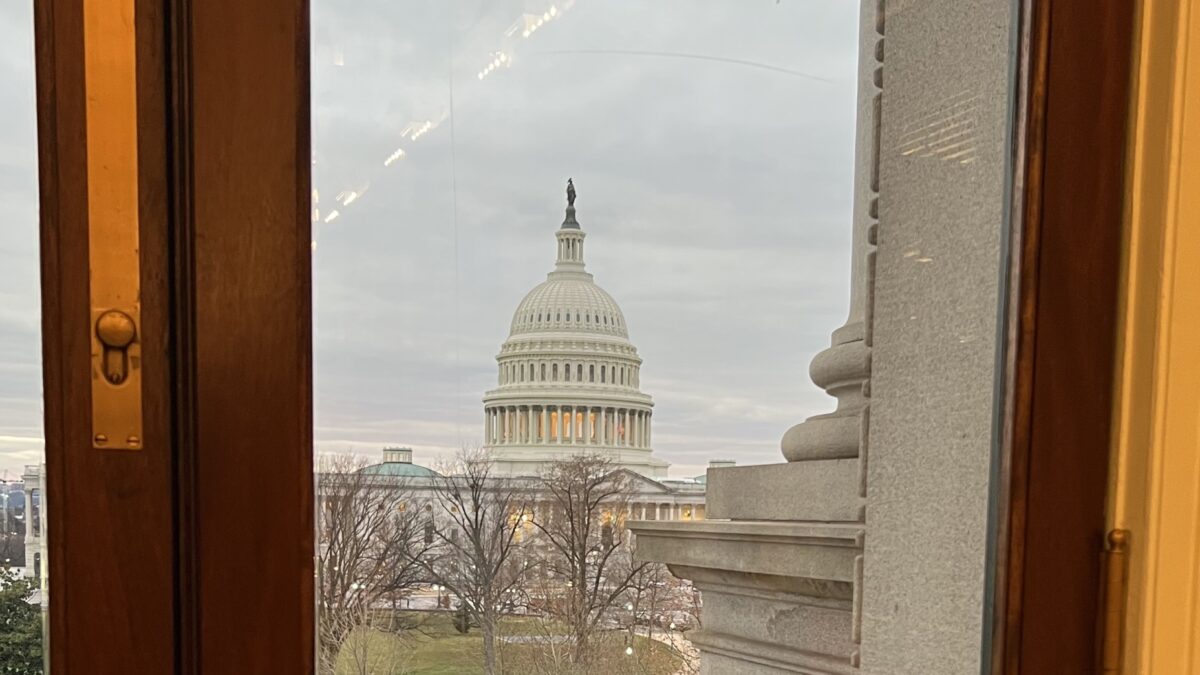
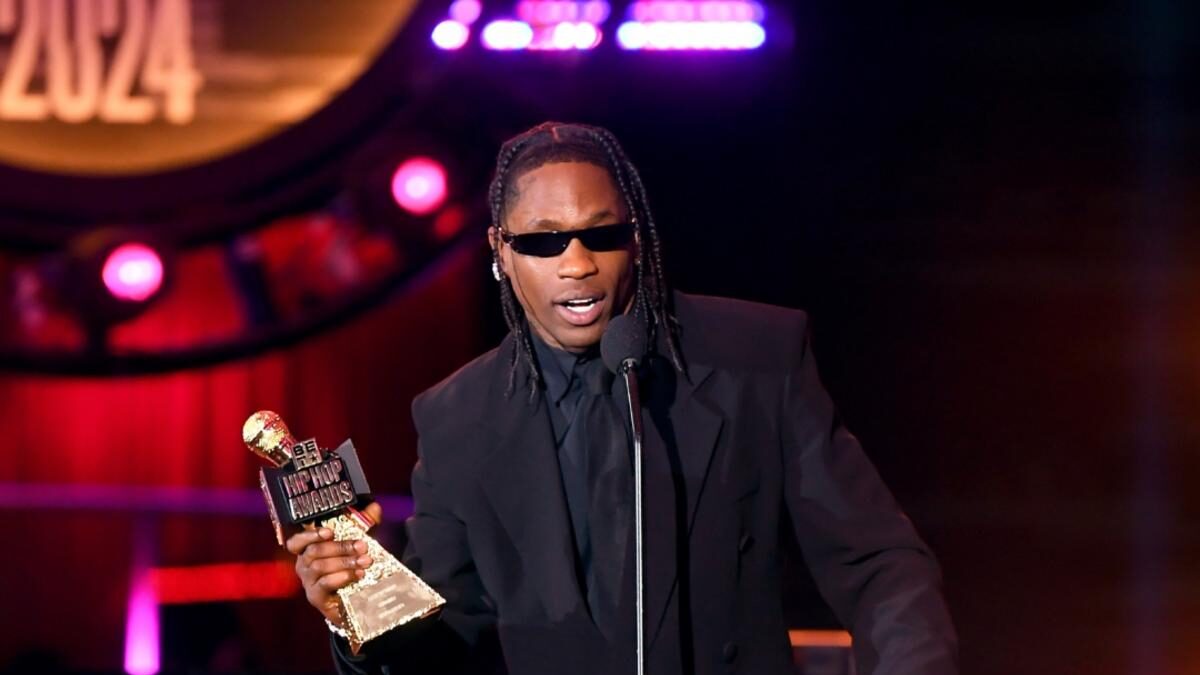
Primary documents: Federal Register final rule; U.S. Copyright Office fee-study record. Featured photograph by Packer1028, Wikimedia Commons, CC0 1.0.

Jason Soto is a HipHop enthusiast with love for everything generated by the culture. He fell in love with music during the first decade of his life and spent most of his teenage years as a DJ. He began to dabble in writing and rapping after being introduced to battle rap and found the art form to be extremely exciting and innovative. As an adult, his own personal interest has lead him to become a freelance columnist, a HipHop ghostwriter, and a cover art designer.



Leave a Reply