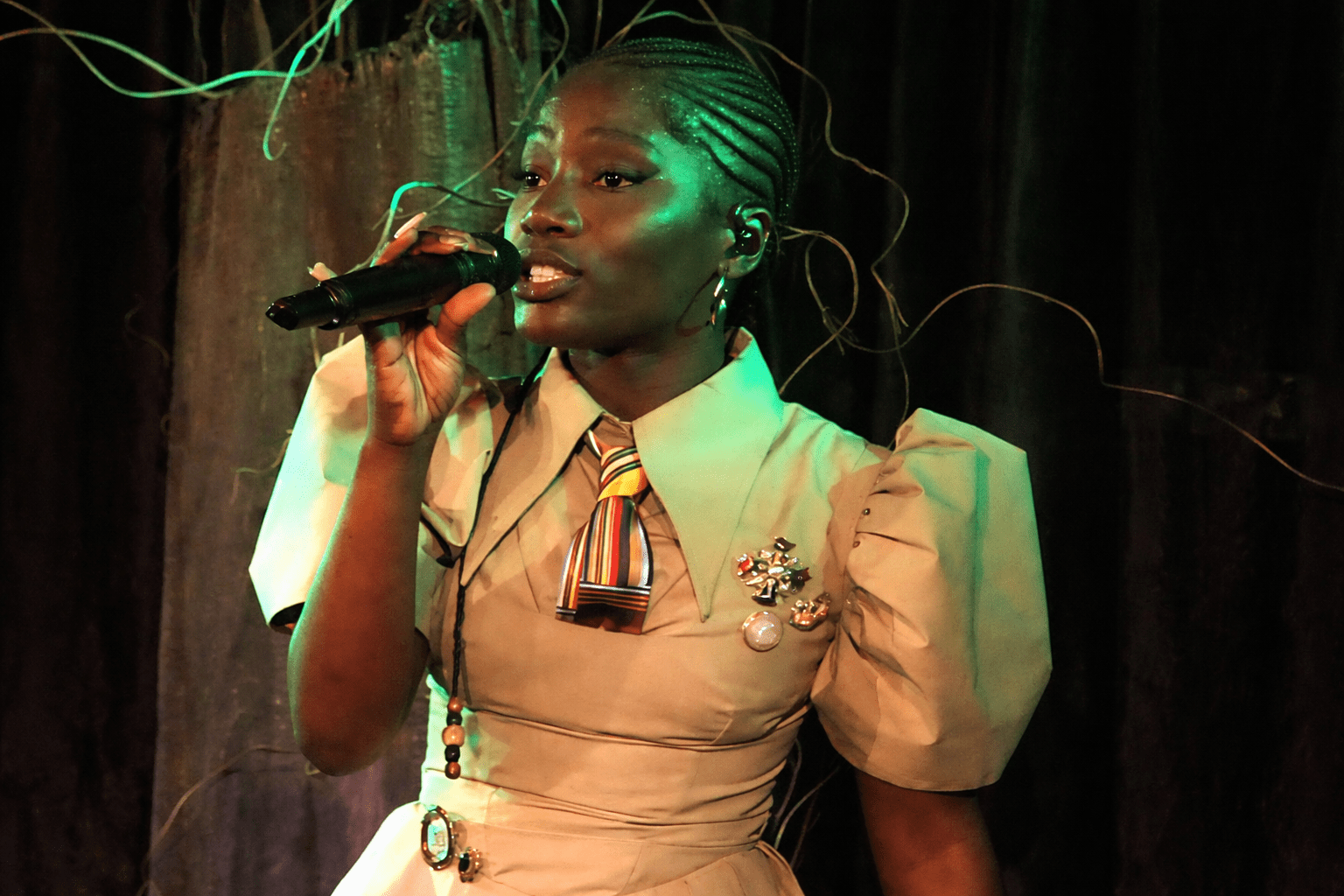
Doechii did not arrive like a conventional rap star. She came in loud, theatrical, funny, unpredictable, deeply self-aware, and impossible to flatten into one category. Long before awards shows, major-label attention, and mainstream headlines, the Tampa artist was already building a world around her music. What changed over time was not the ambition. It was the size of the audience finally catching up.
From Tampa to the self-made Doechii universe
The Doechii story makes more sense once you understand that she was never chasing a narrow rap lane. Before the co-signs, before the awards, before the bigger budgets, there was already a creative instinct that felt bigger than algorithm-friendly singles. She came up out of Tampa with a style that could swing from rap to melody, from absurdist humor to emotional confession, from theatrical performance to blunt autobiography. That elasticity became one of her greatest strengths, but it also made her harder to categorize in an industry that still likes clear boxes.
That is part of why her rise felt so organic and so disruptive at the same time. Doechii did not need to erase her weirdness to get attention. She turned it into the point. She built records and visuals that felt like they came from the same mind, not from separate marketing departments. The result was an artist who looked like she knew who she was long before the business fully understood how to sell her.
The viral breakthrough was never just about virality
Plenty of artists go viral. Very few turn that moment into an actual long-term identity. That is what separated Doechii from the start. Her early online visibility brought listeners in, but the deeper reason people stayed was the writing, the character, and the feeling that every song opened another room inside her world. A track like “Yucky Blucky Fruitcake” did not simply move because it was catchy. It moved because it felt specific, conversational, vivid, and alive in a way that made people want to replay it, quote it, and send it around.
That distinction matters in a documentary sense. There is a difference between an artist who catches a wave and an artist who learns how to surf every version of attention without losing herself. Doechii’s internet-era rise made her visible, but it also tested whether she could scale her originality. Every next step in her career would ask the same question in a different form: can this artist get bigger without becoming blander?
TDE, bigger stakes, and the pressure of being “next”
Once Doechii entered the Top Dawg Entertainment and Capitol orbit, the scale changed. That kind of move can elevate an artist instantly, but it also creates a new burden. The music starts getting measured against legacy, roster symbolism, and the label’s history of carefully developed stars. For Doechii, that pressure carried extra weight because she was not just another addition. She was arriving with expectation, scrutiny, and the challenge of keeping her edge under a brighter spotlight.
This is where a lot of promising artists flatten out. They become more polished and somehow less memorable. But Doechii’s catalog in this phase kept signaling that she was willing to sharpen the spectacle instead of reducing it. The performances became more controlled, the visuals more intentional, and the songwriting more layered. Instead of sanding off her personality, she started weaponizing it with more confidence.
That balancing act matters because major-industry growth often comes with invisible pressure: be more universal, but do not lose what made people care. Be bigger, but still feel intimate. Be weird enough to stand out, but not so weird that executives get nervous. Doechii’s rise became compelling precisely because you could hear her fighting to protect the parts of herself that made the music feel alive.
Explore more longform hip-hop features, emerging-artist spotlights, and documentary-style coverage across Raptology’s growing archive.
Industry pressure, identity, and why Doechii stands out
The most interesting Doechii story is not just that she broke through. It is how she did it while carrying contradictions that the business still struggles to process cleanly. She can rap with venom, sing with vulnerability, lean into choreography, joke, spiral, self-diagnose, perform glamour, perform chaos, and make all of it feel like one artist instead of six disconnected campaigns. That versatility is usually celebrated after someone becomes undeniable. Before that point, it can make gatekeepers nervous.
There is also the image pressure. Once an artist starts being labeled “the future,” every move gets overread. Every look becomes commentary. Every live set becomes a referendum. Every genre shift becomes a risk analysis. In that environment, self-possession becomes a survival skill. Doechii’s “Swamp Princess” identity works not because it sounds catchy, but because it gives her a center of gravity. It lets her move across sounds and settings without looking lost inside them.
That is one reason her best material feels bigger than trend-chasing. Even when she taps into internet momentum, the records do not sound like they were built only to serve it. There is usually a deeper emotional current underneath the humor, the performance, or the chaos. That emotional sharpness is what makes the songs stick after the gimmick window closes.
The Grammy moment and the jump from rising artist to real rap force
At some point, the conversation around Doechii shifted from potential to proof. Alligator Bites Never Heal felt like a decisive statement because it did not sound like an artist trying to prove she could do everything. It sounded like an artist who already knew she could and had decided to make that range part of the experience. The project gave listeners a more complete map of her musical instincts: sharp writing, theatrical framing, emotional left turns, regional texture, and the kind of sequencing that makes a project feel lived in rather than assembled.
The awards-world breakthrough pushed that momentum into a wider public lane, but it was not just a trophy story. It was a perception shift. Suddenly, the artist some people still viewed as an online-era anomaly had a larger stamp of legitimacy. That matters in hip-hop, where institutional validation does not create greatness, but it can force reluctant audiences to look again. Once more people looked closely, Doechii had enough artistry to make the second impression hit harder than the first.
Then came another reminder that her story was not linear in the usual way. “Anxiety,” a song with roots going back years earlier, resurfaced and connected with a much broader audience in a new moment. That kind of delayed explosion fit the Doechii arc perfectly. Her rise has repeatedly shown that her catalog does not just live in the present tense. Songs can come back, mutate, gain new context, and suddenly feel bigger than they did the first time around.
The making of a superstar is still happening in real time
What makes Doechii especially interesting right now is that the superstar narrative still feels unfinished. She has already crossed several major thresholds: viral notoriety, label validation, critical attention, a major project, award momentum, wider mainstream recognition. But she still gives off the energy of an artist who is mid-construction rather than fully settled. That can be a fragile phase, but it is also where the most exciting work often happens.
The next chapter will likely come down to the same thing that defined the earlier ones: whether she can keep expanding without becoming generic. If she does, she will not just be remembered as one of rap’s most distinctive new stars from this era. She will be remembered as one of the artists who proved that originality could still scale in the middle of a system that often rewards sameness.
And that is why the Doechii story is bigger than one artist’s rise. It speaks to what audiences still want from rap when the noise clears: personality, risk, craft, perspective, and the feeling that the person behind the music is actually building something real. Doechii has delivered enough to make the hype understandable. The reason people are still watching is because it no longer feels like hype alone.
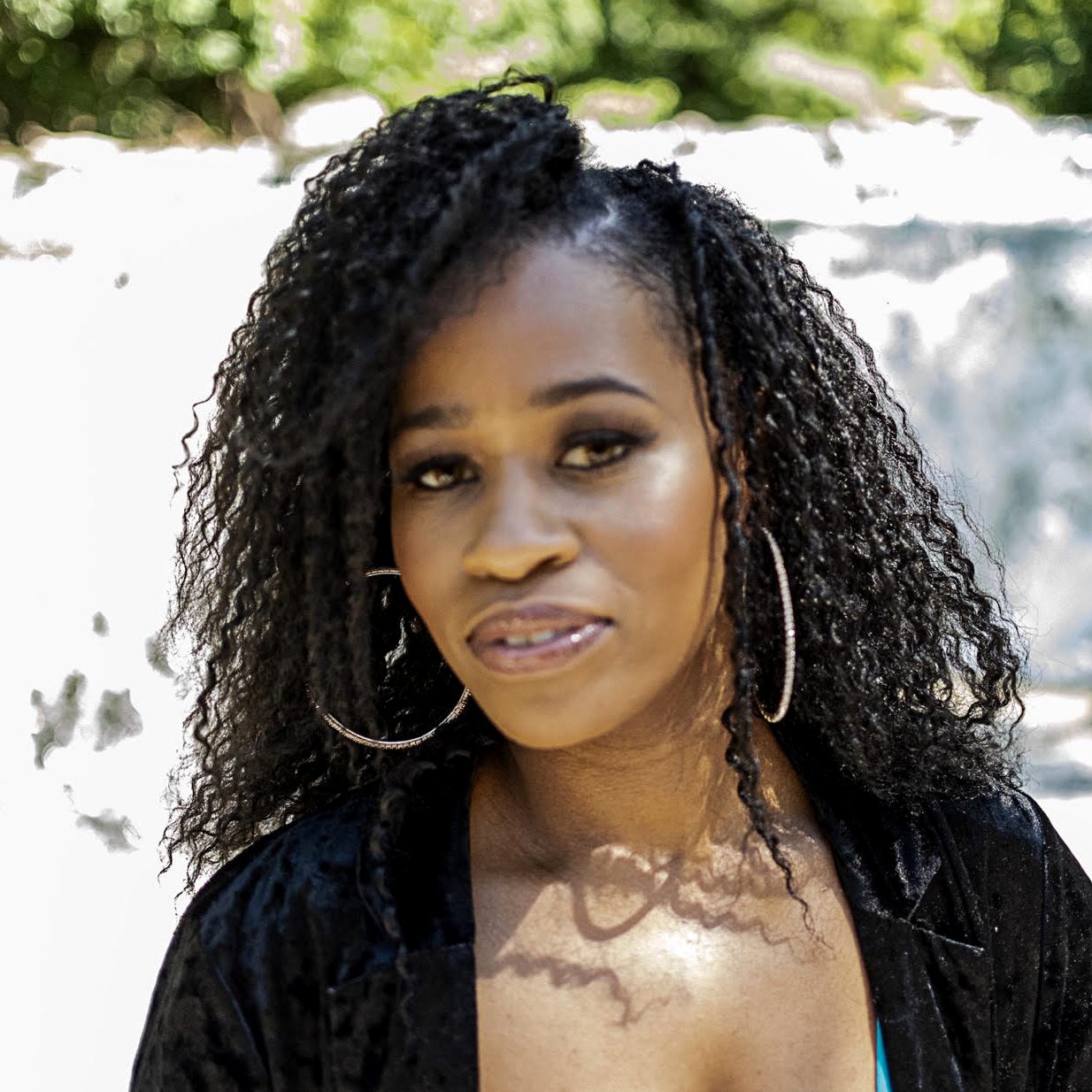
Hulda Hicks was born in Brooklyn, NY in the late ’70s, at the time when Hip-Hop music was just emerging as an art form. Her entire life was influenced by the culture, having grown up in the epicenter of the creative movement.
As a trained musician and vocalist, Hulda got exposed to the industry in her twenties and has worked on projects with iconic figures such as the Chiffons, the Last Poets, and Montell Jordan, to name a few. Her passion for music extended past the stage on to the page when she began to write ad copy and articles as a freelancer for several underground publications.
A written review from “Jubilee Huldafire” is as authentic as it gets, hailing from one creative mind that has a unique voice, on paper and in person.