

Rap in 2026 has refused to follow one clean storyline. Superstars returned with heavily anticipated albums, veterans revisited the sounds that made them important, and younger artists continued pushing hip-hop toward stranger production, shorter attention spans and increasingly unpredictable genre combinations.
The strongest albums have not all succeeded for the same reason. Some are polished blockbuster releases. Others are intimate projects built around grief, recovery or artistic reinvention. A few simply remind listeners that elite rapping still matters.
This ranking will be updated as new albums arrive. The order reflects Raptology’s editorial assessment of songwriting, production, originality, consistency, replay value and cultural impact.
- Overall quality and consistency
- Songwriting, rapping and storytelling
- Production and sonic identity
- Replay value
- Originality and artistic risk
- Impact on the 2026 rap conversation
Vince Staples, Cry Baby
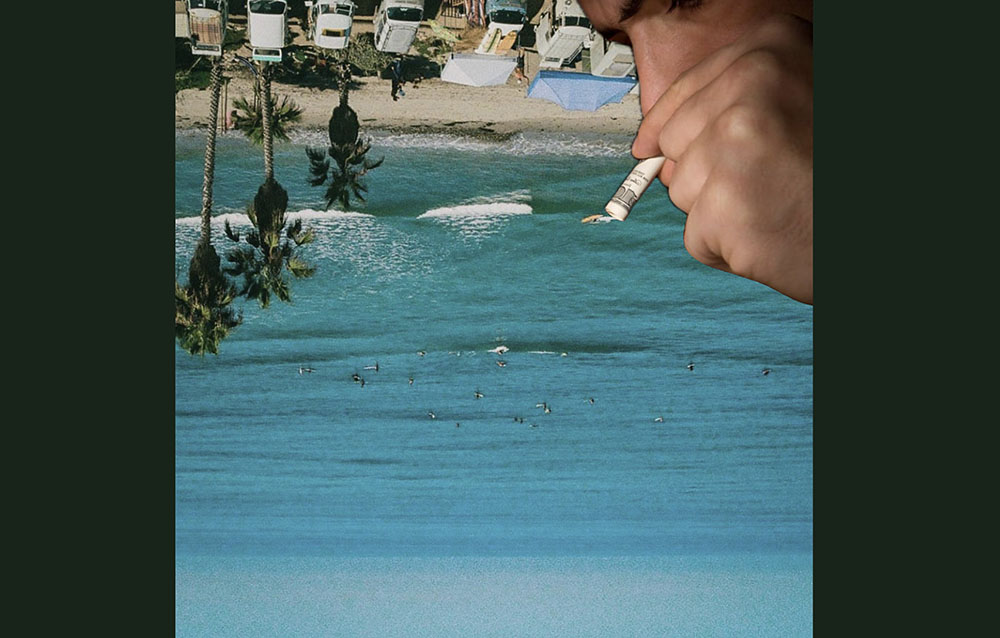
Vince Staples has never seemed interested in repeating himself, and Cry Baby pushes that instinct further than most of his catalog. The album leans into punk energy, abrasive textures and compressed song structures without losing the dry observation that makes Vince unmistakable.
The record works because the experimentation does not feel decorative. Its sharper edges match the tension in his writing. He remains funny, skeptical and emotionally guarded, but the music sounds increasingly unwilling to make listeners comfortable.
Tierra Whack, Whack’s Museum
Tierra Whack remains one of rap’s most naturally imaginative artists. On Whack’s Museum, she channels that imagination into a project that pays closer attention to traditional rap craft without losing the surreal personality that built her reputation.
The production gives her room to rap, shift characters and turn small observations into strange miniature worlds. The result is playful without feeling lightweight and technically sharp without becoming stiff.
Ken Carson, xperiment
Ken Carson continues developing the distorted Opium sound without simply recreating A Great Chaos. xperiment is loud, synthetic and intentionally excessive, but its strongest moments reveal a more controlled artist beneath the chaos.
The album benefits from momentum. Its production creates a continuous environment rather than a collection of unrelated singles. Ken’s delivery often functions as another instrument inside the mix, giving the record the feeling of a futuristic live set built for large rooms.
A$AP Rocky, Don’t Be Dumb
After years of delays and speculation, A$AP Rocky returned with an album that refuses to play like a safe comeback. Don’t Be Dumb moves through jazz, punk, psychedelic textures and polished New York rap without allowing one direction to dominate the entire project.
The range can make the album feel less immediate than a tightly focused release, but that restlessness is also its greatest strength. Rocky sounds more interested in building a visual and sonic world than chasing one obvious radio record.
Rylo Rodriguez, S.K.A.T.E.
Rylo Rodriguez remains one of the most gifted writers in modern Southern street rap. His unusual phrasing, dense comparisons and emotional detail allow him to turn familiar subjects into lines that require repeated listens.
S.K.A.T.E., short for Silence Keeps All Targets Exposed, balances survival music with quieter reflection. The album does not need a dramatic reinvention because Rylo’s writing remains its central event.
Isaiah Rashad, It’s Been Awful
Isaiah Rashad’s first full-length release in five years feels heavy without becoming hopeless. He addresses rehabilitation, anxiety, desire and perseverance with the conversational writing that has made his catalog feel personal to listeners.
The production carries the humid atmosphere associated with his best music, but the emotional center is clearer. This is not simply an album about struggling. It is an album about trying to identify what survival should look like after the crisis has passed.
Baby Keem, Ca$ino
Baby Keem returns with an album that feels more focused than his earlier work without removing the unpredictability that made him exciting. Ca$ino connects soulful, sample-based production with sharper digital textures and abrupt shifts in delivery.
The short track list helps. Keem does not overextend the concept or bury the strongest songs beneath unnecessary filler. He sounds playful, competitive and increasingly comfortable controlling a project rather than simply generating memorable moments.
Don Toliver, OCTANE
OCTANE is one of the year’s most immersive mainstream releases. Don Toliver’s voice remains the primary instrument, bending around bass-heavy production and melodies that feel designed for cars, headphones and large festival stages.
The album succeeds because it understands the power of consistency. Don does not attempt to prove that he can become a completely different artist. He expands the world he already owns, sharpening the transitions, hooks and psychedelic atmosphere.
J. Cole, The Fall-Off
Few albums entered 2026 carrying more expectation. J. Cole spent years building The Fall-Off into an idea larger than a normal release, which made it nearly impossible for the finished project to satisfy every version fans had imagined.
What he delivered is a technically elite, reflective double album. Cole examines age, ambition, reputation and the distance between the hungry rapper he once was and the veteran he became.
It may not be the flawless career-ending masterpiece some listeners expected, but its writing, structure and patience place it near the top of the year. Cole sounds less interested in winning every debate and more interested in leaving behind an honest account of what the journey cost.
Read: J. Cole’s The Fall-Off Is Great. It’s Just Not a Classic.
Drake, ICEMAN
ICEMAN arrived under extraordinary pressure. Drake was not simply releasing another major album. He was responding to one of the most difficult public periods of his career while listeners questioned his dominance, judgment and ability to regain control of the conversation.
The album’s best decision is that it does not spend every moment begging for vindication. Drake returns to the colder, more controlled writing that shaped some of his strongest work. He sounds wounded, suspicious and competitive, but rarely desperate.
The production is polished without becoming anonymous, and the sequencing gives the project enough emotional movement to avoid feeling like a collection of reactions. Drake uses the controversy as context rather than allowing it to become the entire album.
Whether ICEMAN becomes a permanent top-tier Drake album will take longer to determine. For now, it is the most complete combination of cultural weight, replay value, memorable writing and mainstream execution released in rap during 2026.
Honorable Mentions
These projects did not make the Top 10, but each deserves attention and may rise during future updates.
Introspective writing and a strong conclusion to his Knighthood trilogy.
Cold, self-produced luxury rap from one of the underground’s most influential architects.
Another reminder that Chief Keef remains one of rap’s most unpredictable experimenters.
A maximalist double album built around futuristic production and a major guest list.
Unstable, emotional and technically sharper than the public conversation around Kodak often acknowledges.
A confident project that balances technical rapping with atmospheric experimentation.
Frequently Asked Questions
What is the best rap album of 2026 so far?
Raptology currently ranks Drake’s ICEMAN as the best rap album of 2026 so far, narrowly ahead of J. Cole’s The Fall-Off and Don Toliver’s OCTANE.
Will this ranking be updated?
Yes. The list will be reviewed as new albums arrive and as existing releases develop greater cultural impact or replay value.
What qualifies as a rap album?
The ranking includes traditional rap, melodic hip-hop and experimental projects in which rap remains a major part of the artist’s identity and album structure.
Why are some popular albums ranked lower?
Popularity is considered, but it is not the only factor. The ranking also evaluates writing, production, originality, consistency and long-term replay value.
Vote
Raptology publishes artist features, interviews, release coverage, album stories and promotional campaigns for independent artists and music professionals.
GET FEATURED ON RAPTOLOGYAlbum references and release verification
Raptology Editorial is the official newsroom voice of Raptology, covering breaking hip-hop news, artist developments, industry trends, and in-depth editorial reports from across the global rap landscape.









Leave a Reply