The artist and creator Dariel Martinez discusses a 2018 car crash, the freedom of improvisation and the ongoing story he is building through music and video.
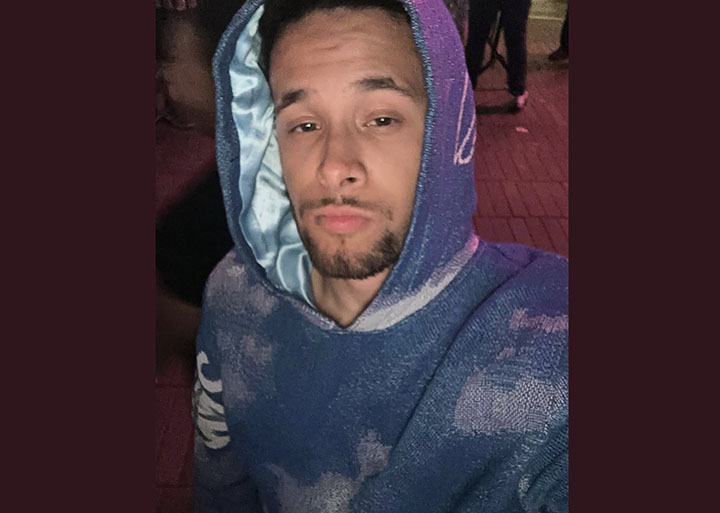
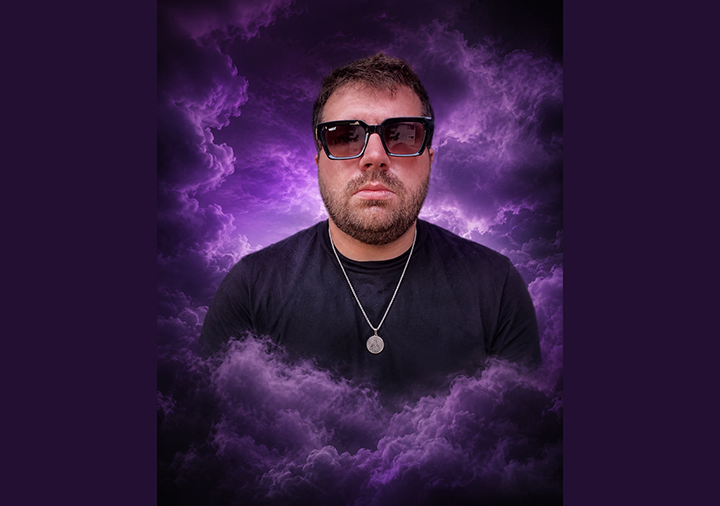
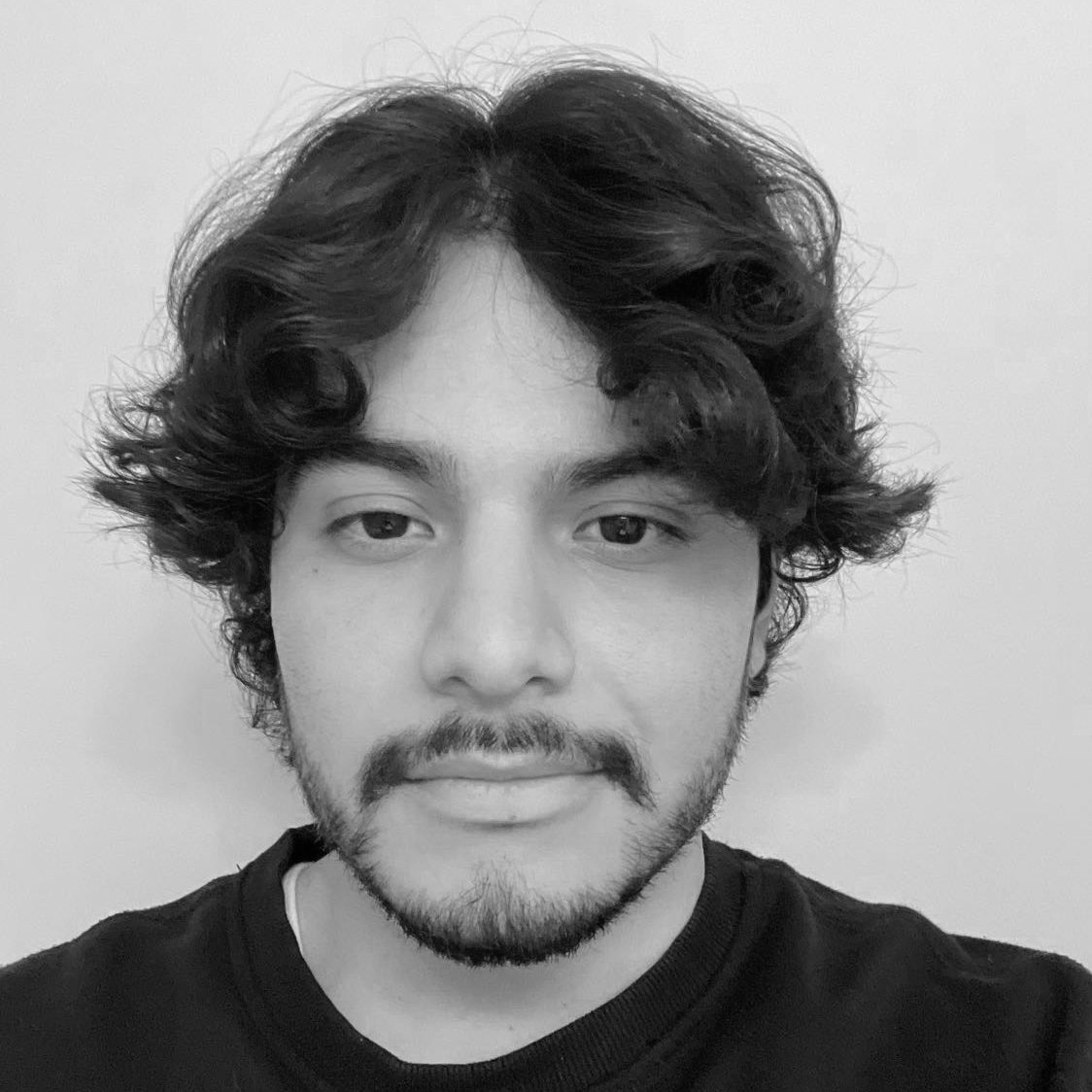
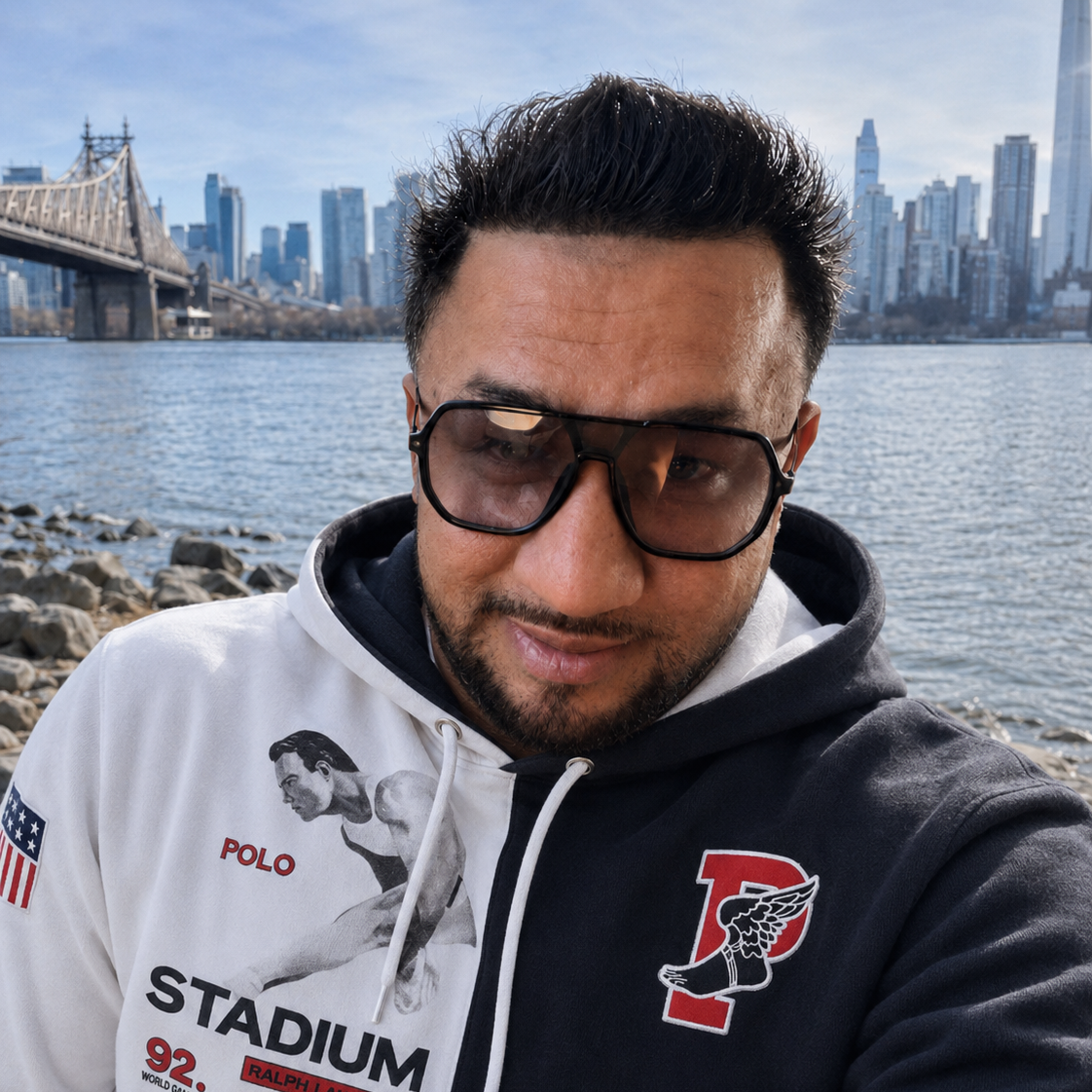
For Zenitram, a freestyle is more than a test of lyrical reflexes. It is a way of making sense of memories that he spent years struggling to understand. Behind the name is Dariel Martinez, an independent rapper and the creator of ZeniTV, a developing multimedia project shaped by a traumatic car accident and his subsequent search for direction.
Martinez traces a turning point to October 12, 2018, when his car collided with a pickup truck at an intersection. He describes recalling a strangely peaceful arrival home before waking up at the scene. Only years later did he begin to interpret the episode as a near-death experience. That interpretation is his own, but its impact on his art is unmistakable in the way he talks about music: as a record of feeling, reflection and change.
His evolving ZeniTV concept connects music with personal storytelling. A video prologue explores the period surrounding the accident and its emotional aftermath, while a rap-focused pilot forms another part of the story. He says the project was freestyled rather than written verse by verse. In this written interview with Raptology, Zenitram explains why improvisation matters, what he learned from Drake and Juice WRLD, and why being seen remains one of his greatest challenges.
Today we had an exclusive chance to interview Zenitram:
Raptology: First, where does the name Zenitram come from?
Zenitram: It’s my creator’s last name spelled backward. That’s how I came up with it.
Raptology: Why did you start making music?
Zenitram: After my car accident in 2018, I went through years of emotional grief. I didn’t fully understand what I had experienced. On September 27, 2026, I began to recognize it as what I believe was a near-death experience. Through making music and videos, I started to recover pieces of the memory. I remember the lights of the other car, but I also remember feeling as though I had made it home. In that memory, everything was warm, there was music and I could hear people talking. Then I woke up in the car, confused about what had happened. I began making music to work through those memories and try to understand myself again.
Raptology: Which artists have influenced you most?
Zenitram: Drake and Juice WRLD. I know people might say, ‘Here we go, another Drake fan,’ but I appreciate the way simple words can carry real meaning. My music comes from pain and soul-searching. Like Juice WRLD, I want to be able to freestyle and create in the moment. Not every attempt works. Sometimes the lyrics are corny, and that’s part of it. My videos are important because they help show the scenes I picture in my head while I’m freestyling. I don’t sit down and write every line.
Raptology: Walk us through your creative process. What happens when you sit down to make a track?
Zenitram: I open FL Studio, use a pretty basic mixer preset and find indie or rap-type beats. Sometimes I’ll make something from scratch by beatboxing or singing melodies into the microphone. I like experimenting with different sounds and finding the spaces in a beat where a particular flow might work. I’m not trying to make every take perfect. If I stumble over a word or a line doesn’t land, I can learn from it. I go back over recordings of my sessions the way athletes study game footage. I want to become better, and that means being willing to critique myself. Authenticity matters more to me than pretending every take is flawless.

Raptology: Do difficult experiences bring something different out of an artist?
Zenitram: I believe they can. A hard period can reveal things about you, but you can also revisit that period when life is going well. A lot of people are afraid to reflect on old pain because they don’t want to feel it again. I understand that because I spent years doing it myself. Music allows me to explore those feelings instead of burying them. I love music that takes you out of reality, too, but I also think we have to ask how much of reality we want to escape.
Raptology: How would you describe the music you make?
Zenitram: I call it ‘epiphany music.’ It’s about the realizations I’ve had, including toxic traits and mistakes I’ve seen in myself. Growth is inevitable, but you have to decide when you’re ready to face it. I’ve been through therapy and I’m constantly working on myself. Melodic, indie and rap sounds give me room to process the past. I’m not trying to act as if I’ve always made the right decisions. Accountability is part of what I’m trying to express.
Raptology: What has been the biggest obstacle in getting your career moving?
Zenitram: Getting seen. People often assume you can pay for internet ads and everything will fall into place, but it isn’t that simple. I believe I have something different to offer. I want people to hear the music and understand where it’s coming from. I also don’t want imposter syndrome, criticism or the things I’ve lived through to dictate what I create. I’m willing to talk about the hard parts of my life because the music is about facing them, not hiding them.
Raptology: What’s the best compliment you’ve received about your music?
Zenitram: I honestly haven’t received many compliments. It can feel like people only start paying attention once an artist has already made it. So the best encouragement I can give myself is to keep creating and sharing the message. I want to build a community of people who spread love instead of hate. There is a lot of negativity in the world, and I want my music to be honest while still putting something positive into it.
Raptology: Is there a song that means something special to you when you perform it?
Zenitram: ‘Manifesting a Song With Drake.’ I believe I’ll open for Drake one day. People can call it unrealistic, but that’s the goal I’m putting out there. When it happens, I want people to remember that I said it.

Raptology: You have spoken about changing your lifestyle. What helped you recognize what you wanted?
Zenitram: For years, I was distracted by drugs, alcohol and the party lifestyle. I eventually realized that I was chasing a life I’d seen other artists live, rather than asking what I actually wanted for myself. I started questioning my morals, my values and my direction. I had to ask, ‘Who am I?’ and ‘What do I really want to do?’ Coming back to music helped me reconnect with something I truly cared about.
Raptology: When people look back on Zenitram and ZeniTV, what do you hope they’ll see?
Zenitram: I want to become the biggest music and internet star in the world. That’s the vision I’m working toward.
Zenitram’s ambition may be outsized, but the foundation of his story is unusually personal. He is presenting the work of remembering, improvising and rebuilding as part of the art itself, rather than waiting until the process is complete to let listeners in.
Watch the Story of Zenitram prologue and the ZeniTV rap pilot shared by the artist.

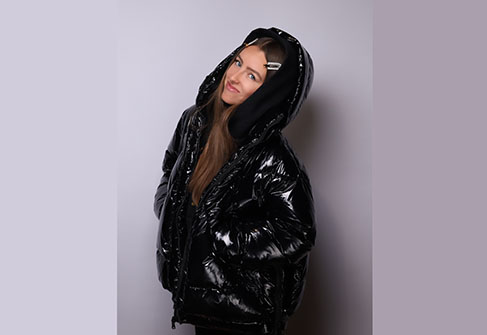
Natalia is a Rap and Hip Hop enthusiast. After graduating from The New School of New York’s Public Relations Program and taking a course in Journalism at Michigan State University, she decided to dedicate her life to the music publishing business and to the discovery of new talent. She helps new artists gain exposure to the masses via online marketing and publications.



Leave a Reply