
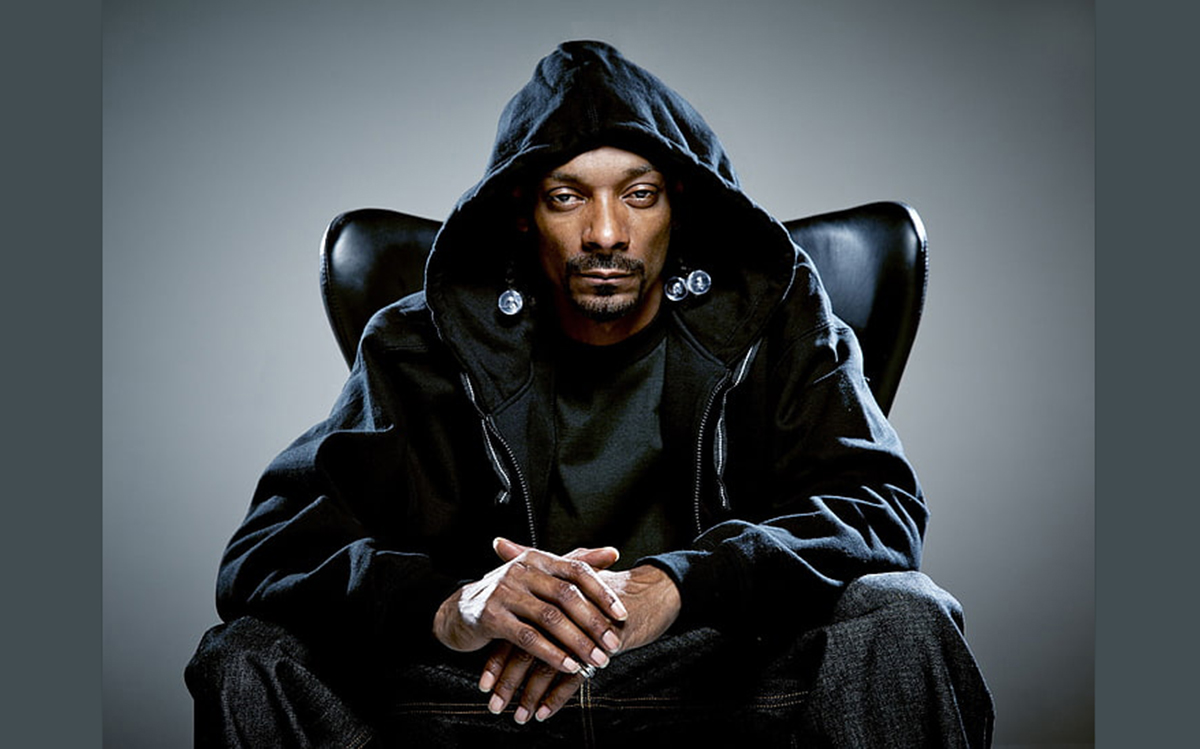
Snoop Dogg is not just a West Coast rap legend. He is one of hip-hop’s most recognizable cultural figures, a Long Beach original whose voice, slang, flow, personality, business moves, and global celebrity changed the way rap artists could move through the world.
Born Calvin Cordozar Broadus Jr. on October 20, 1971, Snoop Dogg rose from Long Beach, California into hip-hop history through Dr. Dre’s The Chronic, his classic debut Doggystyle, the Death Row Records era, No Limit reinvention, decades of albums, film and television work, brand partnerships, youth football, cannabis ventures, cooking shows, sports appearances, and one of the longest mainstream careers in rap. This Raptology Rap Hall of Fame profile is built as a living Snoop Dogg hub, covering his biography, albums, songs, career timeline, business empire, Death Row legacy, social media, streaming presence, and long-term impact on hip-hop culture.
Why Snoop Dogg belongs in the Raptology Rap Hall of Fame: He helped define the sound and image of West Coast hip-hop, delivered one of rap’s most important debut albums, became the smoothest voice of G-funk, survived multiple industry eras, rebuilt himself as a global media personality, and turned a rapper’s personality into one of the strongest brands in entertainment.
Who Is Snoop Dogg?
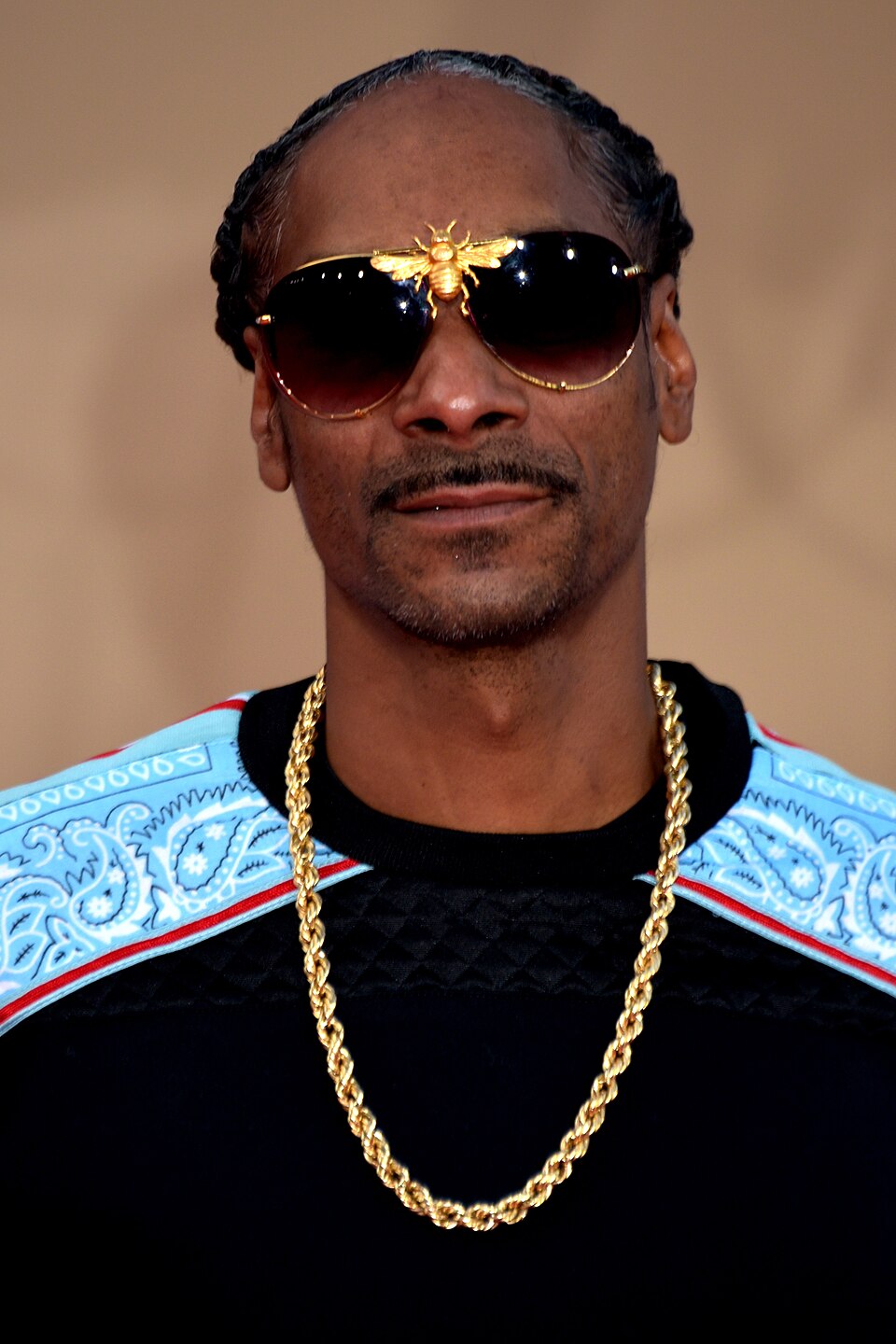
Snoop Dogg is an American rapper, songwriter, actor, entrepreneur, and media personality who became one of the defining voices of West Coast hip-hop in the early 1990s. Before he became a global celebrity, Snoop was a Long Beach rapper whose laid-back delivery, elastic flow, and instantly recognizable voice made him stand out from the moment listeners heard him alongside Dr. Dre.
His breakthrough came through Dr. Dre’s 1992 album The Chronic, where Snoop appeared as both a featured artist and a central presence in the project’s sound. By the time he released Doggystyle in 1993, Snoop was not just a new rapper. He was already a superstar in waiting, carrying the sound of G-funk into the mainstream with confidence, humor, street detail, and a relaxed vocal style that made even hard records feel effortless.
Official Snoop Dogg Links
For readers who want to follow Snoop Dogg directly, his official website is SnoopDogg.com. His verified Spotify artist page is Snoop Dogg on Spotify, his official YouTube channel is SnoopDoggTV on YouTube, his Instagram is @snoopdogg, and his X account is @SnoopDogg.
Snoop’s official online world connects fans to music, merchandise, announcements, tour updates, Death Row Records, film projects, brand partnerships, and the wider entertainment empire he has built across more than three decades.
Listen to Snoop Dogg on Spotify
Snoop Dogg’s official Spotify artist page
Early Life: Long Beach and the Roots of a West Coast Icon
Snoop Dogg grew up in Long Beach, California, a city that became central to his identity and music. His voice, slang, calm delivery, and connection to Southern California street culture helped make him one of the clearest representatives of the West Coast sound. Long before he became a household name, Snoop was shaped by neighborhood life, music, church singing, school, football, legal trouble, and the local rap circles that helped him develop his style.
What made Snoop different was not only what he said, but how he said it. His delivery sounded relaxed even when the subject matter was tense. He could glide over Dr. Dre production with a conversational calm that made his lyrics feel natural, cool, and instantly memorable. That vocal identity became one of the most valuable signatures in rap history.
The Chronic and Dr. Dre: The Breakthrough Moment
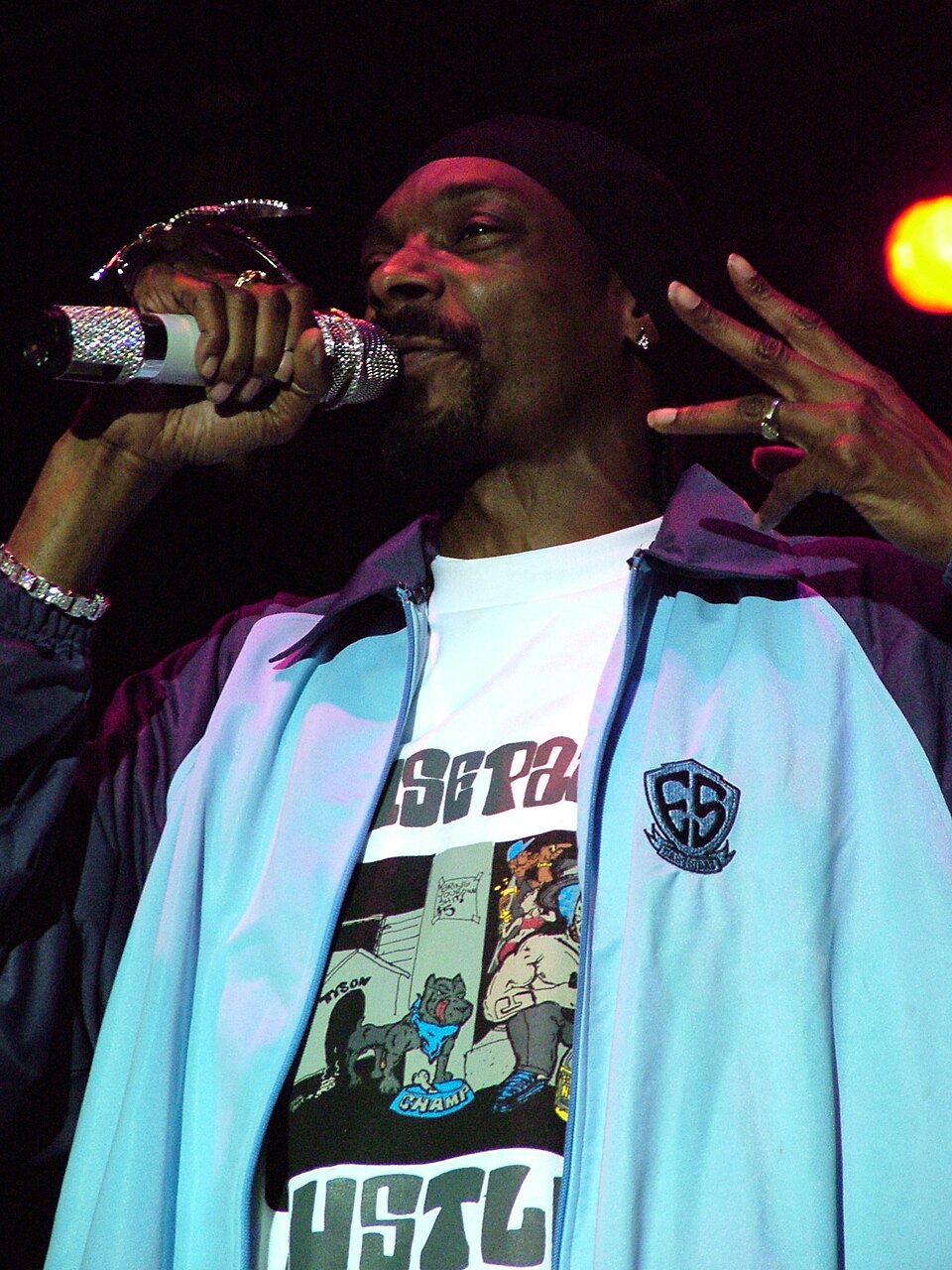
Snoop Dogg’s arrival on Dr. Dre’s The Chronic changed the course of his life and helped define an entire era of West Coast hip-hop. Released in 1992, The Chronic introduced G-funk to a wider mainstream audience with heavy basslines, melodic synths, funk samples, street narratives, and a polished but dangerous sound. Snoop’s voice became one of the album’s most important weapons.
His appearances on songs connected to The Chronic made him feel like more than a guest. He sounded like the future of the label. The chemistry between Dr. Dre’s production and Snoop’s delivery became one of rap’s most famous producer-rapper combinations, and it set the stage for Doggystyle.
Career Timeline
| Year | Moment | Why It Matters |
|---|---|---|
| 1992 | Breakthrough on Dr. Dre’s The Chronic | Snoop becomes one of the breakout voices of the G-funk era. |
| 1993 | Doggystyle | His debut album becomes an instant West Coast classic. |
| 1996 | Tha Doggfather | Snoop continues after Tupac’s death and major changes at Death Row. |
| 1998 | No Limit era begins | Snoop reinvents himself after leaving Death Row. |
| 1999 | No Limit Top Dogg | He reconnects with West Coast production and strengthens his comeback. |
| 2000 | Tha Last Meal | Snoop enters a new millennium with a refreshed mainstream presence. |
| 2004 | “Drop It Like It’s Hot” | He scores one of the biggest singles of his career with Pharrell. |
| 2012 | Snoop Lion era | He explores reggae and spiritual reinvention through Reincarnated. |
| 2015 | BUSH | Snoop works with Pharrell on a funk-driven album. |
| 2022 | Death Row acquisition era | Snoop becomes connected to Death Row not only as an artist, but as a business figure. |
| 2024 | Missionary | Snoop reunites creatively with Dr. Dre for a major late-career statement. |
| 2025 | Iz It a Crime? | He continues releasing music through the modern Death Row and gamma era. |
Doggystyle: The Debut That Made Snoop a Superstar
Doggystyle, released in 1993, is one of the most important debut albums in rap history. Produced largely by Dr. Dre, the album captured the G-funk sound at its commercial peak: slow grooves, deep bass, funk melodies, sharp drums, and street storytelling delivered with Snoop’s calm, conversational voice. It was both cinematic and relaxed, hard-edged and musical.
The album included records like “Who Am I? (What’s My Name?)” and “Gin and Juice,” songs that helped make Snoop an immediate icon. Doggystyle mattered because it proved Snoop could carry an album after the massive attention surrounding The Chronic. He was not just Dr. Dre’s featured discovery. He was a star on his own.
Tha Doggfather and the Post-Death Row Pressure
Tha Doggfather, released in 1996, arrived during a difficult period. Death Row Records was changing, Tupac Shakur had been killed, Dr. Dre had already left the label, and Snoop was trying to continue under intense public and industry pressure. The album did not land with the same force as Doggystyle, but it remains an important part of his story because it shows the weight of surviving a chaotic era.
Snoop’s career could have faded after the Death Row turbulence, but instead he adapted. That ability to keep moving became one of his defining traits. Many rappers are tied to one moment. Snoop kept finding new ones.
No Limit Reinvention
Snoop’s move to Master P’s No Limit Records was one of the boldest reinventions of his career. Leaving Death Row meant leaving behind the label that had made him famous, but it also gave him space to survive. No Limit provided a new machine, a new audience strategy, and a different kind of independence.
Albums like Da Game Is to Be Sold, Not to Be Told, No Limit Top Dogg, and Tha Last Meal helped Snoop remain visible during a period when rap was changing fast. He was no longer just the young G-funk prodigy. He became a veteran adapting to Southern rap business models, changing production trends, and a new generation of listeners.
Watch Snoop Dogg Videos
Snoop Dogg – Gin And Juice
Snoop Dogg – Drop It Like It’s Hot featuring Pharrell
Snoop Dogg Albums and Projects
Snoop Dogg’s discography is one of the longest and most varied catalogs in hip-hop. It includes Death Row classics, No Limit reinvention albums, Pharrell collaborations, reggae experiments, gospel projects, West Coast returns, and modern Death Row releases. For SEO and reader usefulness, the table below focuses on the key projects most fans search for when researching Snoop’s catalog.
| Year | Project | Type | Key Songs and Notes |
|---|---|---|---|
| 1993 | Doggystyle | Studio Album | “Who Am I? (What’s My Name?),” “Gin and Juice,” “Doggy Dogg World.” |
| 1996 | Tha Doggfather | Studio Album | Death Row follow-up released during a turbulent period in West Coast rap. |
| 1998 | Da Game Is to Be Sold, Not to Be Told | Studio Album | Snoop’s first major No Limit Records era project. |
| 1999 | No Limit Top Dogg | Studio Album | Reconnected Snoop with West Coast production and helped stabilize his comeback. |
| 2000 | Tha Last Meal | Studio Album | “Lay Low,” “Snoop Dogg (What’s My Name Pt. 2),” “Wrong Idea.” |
| 2004 | R&G (Rhythm & Gangsta): The Masterpiece | Studio Album | “Drop It Like It’s Hot” became one of Snoop’s biggest crossover singles. |
| 2006 | Tha Blue Carpet Treatment | Studio Album | A strong West Coast-centered return with major features. |
| 2013 | Reincarnated | Studio Album | Released during the Snoop Lion reggae era. |
| 2015 | BUSH | Studio Album | Pharrell-produced funk and R&B-influenced album. |
| 2018 | Bible of Love | Gospel Album | Expanded Snoop’s catalog into gospel music. |
| 2022 | BODR | Studio Album | Released during Snoop’s renewed Death Row era. |
| 2024 | Missionary | Studio Album | A major Dr. Dre reunion project released through Death Row Records. |
| 2025 | Iz It a Crime? | Studio Album | A modern Death Row and gamma era release featuring contemporary collaborators. |
Most Important Snoop Dogg Songs
Snoop Dogg’s catalog stretches across decades, but several records define his legacy. “Nuthin’ but a ‘G’ Thang” introduced his chemistry with Dr. Dre to the world. “Who Am I? (What’s My Name?)” made him a solo star. “Gin and Juice” became one of the most recognizable West Coast party records ever. “Doggy Dogg World” showed his connection to funk tradition. “Lay Low” marked a strong No Limit-era presence. “Drop It Like It’s Hot” gave him a new-generation smash. “Beautiful” showed his softer crossover side. “Young, Wild & Free” introduced him to another era of listeners.
| Song | Era | Why It Matters |
|---|---|---|
| “Nuthin’ but a ‘G’ Thang” | The Chronic | One of the defining Dr. Dre and Snoop Dogg collaborations. |
| “Who Am I? (What’s My Name?)” | Doggystyle | The solo breakout that introduced Snoop’s identity to the mainstream. |
| “Gin and Juice” | Doggystyle | A West Coast classic and one of Snoop’s most recognizable records. |
| “Doggy Dogg World” | Doggystyle | Connected Snoop’s G-funk world to older funk traditions. |
| “Lay Low” | Tha Last Meal | A major No Limit-era record with strong West Coast energy. |
| “Beautiful” | Paid tha Cost to Be da Boss | A Pharrell-assisted crossover record that showed Snoop’s smoother side. |
| “Drop It Like It’s Hot” | R&G | A minimalist Pharrell-produced smash that gave Snoop a new peak in the 2000s. |
| “Vato” | Tha Blue Carpet Treatment | A West Coast street record that reflected Snoop’s veteran era. |
| “Sensual Seduction” | Ego Trippin’ | A playful, funk-inspired single that showed Snoop’s willingness to experiment. |
| “Young, Wild & Free” | Mac & Devin Go to High School | A major cross-generational hit with Wiz Khalifa and Bruno Mars. |
Commercial Dominance and Pop Culture Reach
Snoop Dogg’s commercial story is different from artists who are remembered only for album sales or chart peaks. His power comes from a combination of music, personality, visibility, longevity, and brand recognition. He became famous as a rapper, but he stayed famous because his image moved across television, film, sports, food, cannabis, comedy, gaming, children’s programming, and mainstream advertising.
Very few rappers have become as recognizable to people outside hip-hop as Snoop. His voice, name, face, slang, and relaxed humor have made him a permanent figure in American entertainment. That level of cultural reach is one of the clearest reasons he belongs in the Rap Hall of Fame.
Death Row Records and Business Legacy
Snoop’s relationship with Death Row Records is one of the most important arcs in his story. As a young artist, he helped make Death Row one of the most powerful labels in rap. Decades later, he returned to the Death Row name as an ownership and business figure, turning a label connected to his early rise into part of his modern brand identity.
This matters because Snoop’s Hall of Fame case is not only musical. It is also institutional. His career connects early 1990s West Coast rap, the rise of G-funk, the Death Row empire, the No Limit business model, modern celebrity entrepreneurship, and the current era of artist-owned legacy branding.
Snoop Dogg Net Worth and Business Empire
Snoop Dogg’s exact net worth changes depending on the source and year, so any public number should be treated as an estimate rather than a confirmed personal financial statement. His wealth has been driven by music revenue, touring, publishing, merchandise, brand partnerships, film and television work, cannabis ventures, food and beverage collaborations, sports involvement, media appearances, and Death Row-related business.
His business empire is unusually broad. Snoop has built ventures and partnerships across cannabis, alcohol, food, fashion, esports, children’s media, football, television, and branded entertainment. That range helped transform him from a rap star into a mainstream cultural brand.
Feuds, Battles, and Controversies
Snoop Dogg’s career has included conflict, but he is not defined by beef in the same way as some rap legends. In the Death Row era, he was connected to one of the most volatile periods in hip-hop history, including label tension, East Coast and West Coast rivalries, and public scrutiny around gangsta rap. His legal battles and public image during the 1990s made him one of the most watched and debated artists in America.
Over time, Snoop’s public image softened without disappearing. He became more widely accepted by mainstream audiences, but controversy never fully left his story. His ability to move through criticism, rebrand, and remain relevant is part of what makes his career so unusual. Snoop did not simply survive controversy. He converted survival into longevity.
Why Snoop Dogg Is So Beloved
Snoop Dogg is beloved because he feels familiar across generations. Older fans remember the danger and cool of the Death Row era. Younger fans may know him through memes, cooking shows, sports clips, commercials, YouTube, gaming, or family-friendly projects. He has managed to keep his original identity while becoming accessible to audiences far outside rap.
That balance is rare. Many rappers become safer by losing their edge. Snoop became more mainstream while still sounding and looking like Snoop. His voice, humor, and calm confidence kept his identity intact even as his audience expanded.
Influence on West Coast Rap
Snoop’s influence on West Coast rap is massive. His relaxed flow, melodic phrasing, slang, and delivery helped define the G-funk era and inspired countless artists who wanted to sound cool without sounding rushed. He showed that charisma could be as powerful as aggression, and that a rapper could command attention through ease rather than force.
His success also helped Long Beach become a permanent part of the hip-hop map. Snoop’s image, music, and language gave the city a global identity within rap culture, and his continued loyalty to the West Coast helped keep that legacy visible across generations.
Social Media and Cultural Reach
Snoop Dogg’s social media presence is one of the clearest examples of his modern power. His Instagram, YouTube, and X presence extend his personality beyond music, allowing him to move between comedy, commentary, promotion, nostalgia, sports, family moments, and cultural reaction. Snoop can go viral for a song, a joke, a sports appearance, a cooking clip, or a random facial expression.
In the attention economy, that matters. Snoop understands how to stay visible without making every move feel forced. His online presence mirrors his musical style: relaxed, recognizable, and easy to share.
Snoop Dogg’s Place in Rap History
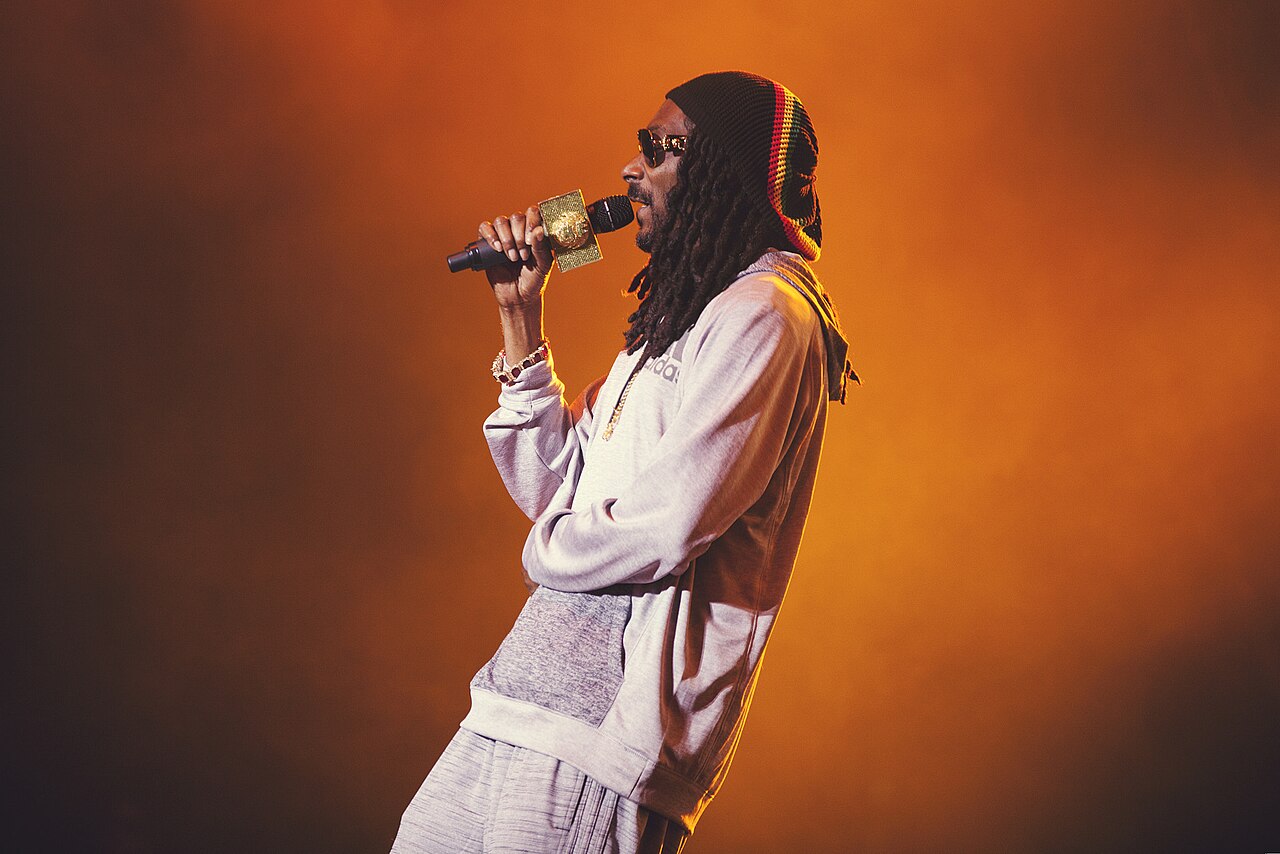
Snoop Dogg’s place in rap history is secure because he helped define one of hip-hop’s most important regional eras and then outgrew the limits of that era. He entered the game as the smooth voice of G-funk, became a Death Row superstar, survived label chaos, reinvented himself through No Limit, crossed over repeatedly, and eventually became one of the most famous rappers on earth.
His importance is not only that he made classic songs. It is that he changed the model for rap longevity. Snoop showed that a rapper could age into broader visibility without abandoning hip-hop identity. He became a veteran, businessman, entertainer, mentor, media personality, sports figure, and cultural ambassador while still carrying the sound and attitude of Long Beach.
Why Snoop Dogg Is Raptology Rap Hall of Fame Pillar Content
For Raptology, Snoop Dogg is not just an artist profile. He is a pillar topic because his career connects to nearly every major West Coast hip-hop theme: Dr. Dre, Death Row Records, G-funk, Long Beach, Doggystyle, Tupac-era label history, No Limit reinvention, cannabis culture, music and television crossover, brand building, and the transformation of rappers into global entertainment figures.
This page should be treated as a living hub. Every future Snoop Dogg news story, documentary piece, album update, Death Row feature, business story, anniversary article, or West Coast history piece on Raptology should link back to this page. At the same time, this page should link out to those newer Snoop stories, creating a strong internal SEO cluster around one of the highest-recognition artists in hip-hop.
Read Next On Raptology:
- Rap Hall of Fame
- Eminem Rap Hall of Fame
- Raptology Documentaries
- Featured Stories
- More Snoop Dogg Coverage on Raptology
FAQ About Snoop Dogg
What is Snoop Dogg’s real name?
Snoop Dogg’s real name is Calvin Cordozar Broadus Jr. His stage name grew from a childhood nickname and became one of the most recognizable names in hip-hop.
Where is Snoop Dogg from?
Snoop Dogg is from Long Beach, California. His Long Beach identity became central to his music, slang, visual style, and West Coast legacy.
What was Snoop Dogg’s breakout album?
Snoop Dogg’s breakout solo album was Doggystyle, released in 1993. Before that, he gained major attention through his appearances on Dr. Dre’s The Chronic.
What is Snoop Dogg’s best album?
Most fans and critics point to Doggystyle as Snoop Dogg’s best and most important album. Others value Tha Last Meal, No Limit Top Dogg, or R&G depending on which era of his career they prefer.
What are Snoop Dogg’s biggest songs?
Some of Snoop Dogg’s biggest songs include “Who Am I? (What’s My Name?),” “Gin and Juice,” “Doggy Dogg World,” “Beautiful,” “Drop It Like It’s Hot,” “Vato,” “Sensual Seduction,” and “Young, Wild & Free.”
Is Snoop Dogg one of the greatest rappers of all time?
Snoop Dogg is widely included in greatest-rapper and most influential-rapper conversations because of his classic debut, West Coast impact, unique voice, G-funk legacy, longevity, cultural reach, and ability to remain relevant across multiple generations.
Why is Snoop Dogg controversial?
Snoop Dogg has been controversial because of his early gangsta rap image, legal issues, Death Row-era associations, public comments, business choices, and ability to move between street credibility and mainstream entertainment. His evolution from controversial rapper to beloved pop culture figure is part of what makes his career so unique.