
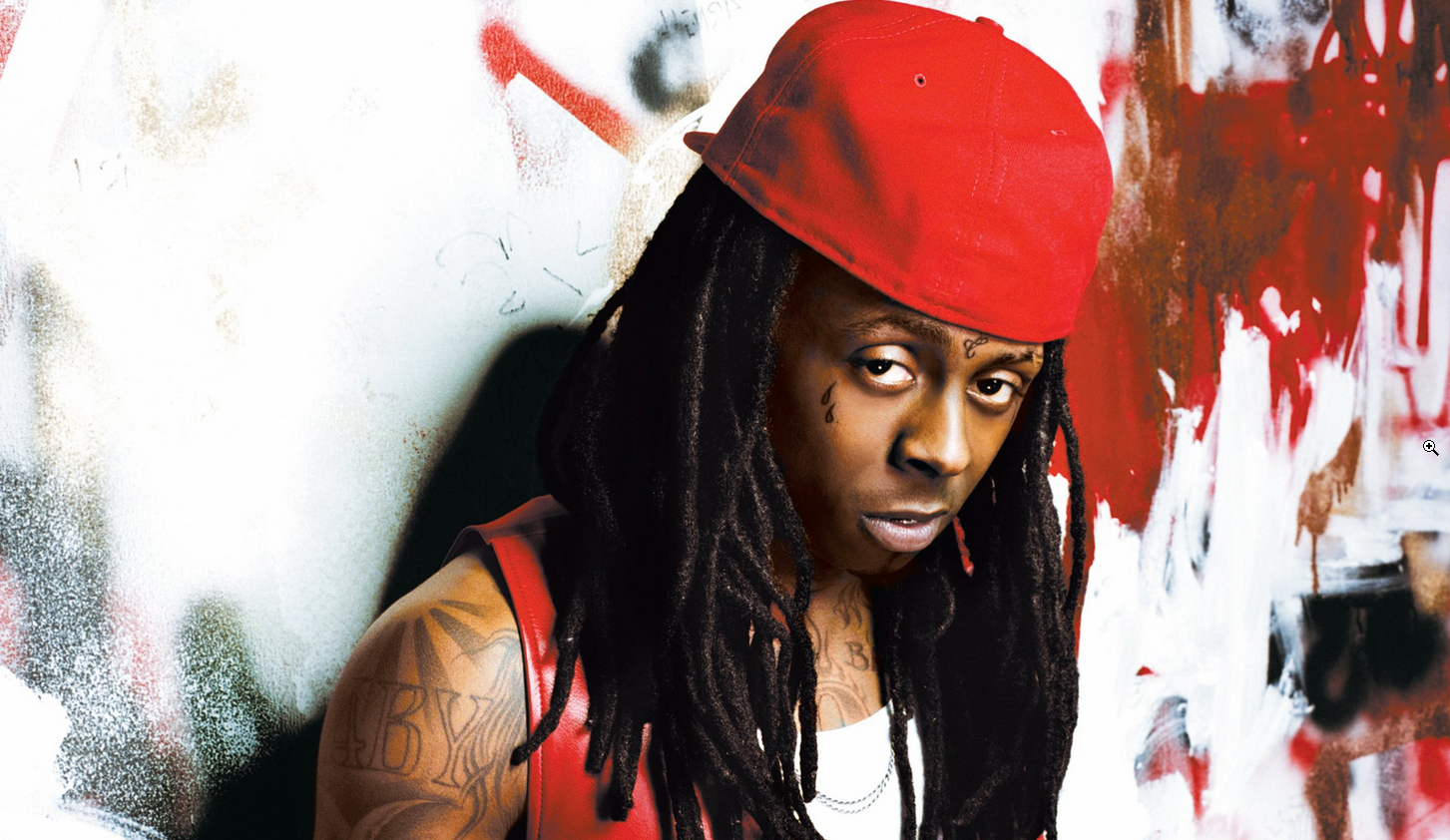
Lil Wayne is one of the most influential rappers in hip-hop history, a New Orleans icon whose mixtape dominance, punchline-heavy lyricism, work ethic, and Young Money empire helped redefine modern rap.
Born Dwayne Michael Carter Jr. on September 27, 1982, Lil Wayne evolved from a teenage Cash Money prodigy into one of the defining artists of the 2000s and 2010s. His career includes platinum albums, Grammy Awards, legendary mixtapes, unforgettable guest verses, and an influence that shaped an entire generation of rappers. This Raptology Rap Hall of Fame profile explores Lil Wayne’s biography, mixtapes, albums, songs, Young Money legacy, Spotify presence, business empire, and long-term impact on hip-hop culture.
Why Lil Wayne belongs in the Raptology Rap Hall of Fame: He revolutionized mixtape culture, influenced modern rap flows and aesthetics, launched Drake and Nicki Minaj through Young Money, and became one of the most quoted, imitated, and respected rappers of his era.

Who Is Lil Wayne?
Lil Wayne is a rapper, songwriter, entrepreneur, and founder of Young Money Entertainment. He first became nationally known as a member of the Hot Boys under Cash Money Records before transforming into one of rap’s biggest solo stars. His music blended Southern rap, freestyle culture, emotional vulnerability, humor, and complex punchline writing into a style that influenced countless artists.
Wayne’s impact goes beyond sales and awards. He helped normalize the modern mixtape era, changed how rappers approached internet buzz and nonstop releases, and inspired an entire generation of artists who adopted his tattoos, melodic delivery, and unpredictable flows.
Official Lil Wayne Links
Fans can follow Lil Wayne through his official Spotify page at Lil Wayne on Spotify, his official YouTube channel at Lil Wayne on YouTube, Instagram at @liltunechi, and X at @LilTunechi.
Listen To Lil Wayne On Spotify
Official Lil Wayne Spotify Artist Page
Tha Carter III
Early Life And Cash Money Beginnings
Wayne grew up in New Orleans and joined Cash Money Records as a child. Mentored by Birdman, he became one of the label’s earliest stars and appeared alongside Juvenile, B.G., and Turk in the Hot Boys. During the late 1990s, the group helped Southern rap become a national force.
At first, Wayne was often underestimated because of his age and unusual voice, but over time his technical growth became impossible to ignore. By the early 2000s, he was rapidly evolving into one of rap’s most creative lyricists.
The Mixtape Era: Dedication, Da Drought, And No Ceilings
Few artists have ever dominated mixtape culture the way Lil Wayne did between 2005 and 2009. During this era, Wayne flooded the internet and streets with freestyles, leaks, features, and unofficial projects. Mixtapes like Dedication, Da Drought 3, and No Ceilings became legendary because Wayne routinely rapped over other artists’ beats and made fans feel like his versions were better than the originals.
This nonstop output created the mythos around Wayne’s work ethic. Fans believed he recorded constantly, never stopped writing, and treated rap like a full-time obsession. The mixtape era also helped define internet-era hip-hop before streaming fully took over the music business.
Career Timeline
| Year | Moment | Why It Matters |
|---|---|---|
| 1997 | Joins Hot Boys | Wayne enters national rap culture through Cash Money Records. |
| 1999 | Guerrilla Warfare | Hot Boys become one of Southern rap’s biggest groups. |
| 2004 | Tha Carter | Wayne officially begins his classic solo-album run. |
| 2005 | Tha Carter II | Many fans begin viewing Wayne as one of rap’s elite lyricists. |
| 2006–2009 | Mixtape dominance | Wayne becomes the defining rapper of the mixtape/blog era. |
| 2008 | Tha Carter III | Wayne becomes a global rap superstar. |
| 2009 | Launches Drake and Nicki Minaj | Young Money becomes one of rap’s biggest dynasties. |
| 2011 | Tha Carter IV | Wayne proves his dominance can continue into a new era. |
| 2018 | Tha Carter V | Long-awaited release becomes a major comeback moment. |
Tha Carter Series
The Tha Carter series became the centerpiece of Lil Wayne’s legacy. Each installment represented a different phase of his evolution. Tha Carter II showcased technical growth and lyrical confidence, while Tha Carter III turned Wayne into one of the biggest artists on Earth.
Tha Carter III included major records like “Lollipop,” “A Milli,” and “Got Money,” helping Wayne achieve massive commercial success while still maintaining respect among hardcore rap fans.
Years later, Tha Carter V arrived after delays and label disputes, becoming one of the most anticipated albums in modern rap history.
Tha Carter III
Young Money And Lil Wayne’s Influence
Wayne’s legacy expanded dramatically through Young Money Entertainment. By signing Drake and Nicki Minaj, Wayne helped launch two of the biggest stars of the next generation. Young Money became one of rap’s defining labels and changed the balance of power inside mainstream hip-hop.
Wayne’s influence can be heard across modern rap. Artists like Young Thug, Lil Uzi Vert, Future, Juice WRLD, and many others borrowed from Wayne’s free-flowing delivery, emotional openness, melodic instincts, and tattoo-heavy rockstar image.
Watch Lil Wayne Videos
Lil Wayne – A Milli
Lil Wayne – 6 Foot 7 Foot
Lil Wayne – Lollipop
Most Important Lil Wayne Songs
| Song | Era | Why It Matters |
|---|---|---|
| “Go DJ” | Tha Carter | One of Wayne’s early solo breakthroughs. |
| “Fireman” | Tha Carter II | Helped establish Wayne as a solo superstar. |
| “A Milli” | Tha Carter III | A defining rap anthem and lyrical showcase. |
| “Lollipop” | Tha Carter III | Wayne’s biggest crossover hit. |
| “6 Foot 7 Foot” | Tha Carter IV | One of Wayne’s most technically respected songs. |
| “Mrs. Officer” | Tha Carter III | Showed Wayne’s humor and mainstream versatility. |
Grammy Awards And Commercial Success
Wayne became one of the most commercially dominant rappers of the late 2000s. Tha Carter III sold over one million copies in its first week and won the Grammy Award for Best Rap Album. Wayne also earned major recognition for his guest verses, collaborations, and mixtape influence.
His combination of critical respect and mainstream popularity helped make him one of the few rappers who could dominate lyrical conversations and pop charts simultaneously.
Lil Wayne Net Worth And Business Ventures
Public estimates of Lil Wayne’s net worth vary, but his wealth comes from music sales, touring, publishing, endorsements, Young Money, and business ventures. Wayne’s commercial success extended beyond rap into fashion, skateboarding culture, sports management, and lifestyle branding.
Even after label disputes and changing trends, Wayne remained one of hip-hop’s most respected veteran artists and a major touring act.
Why Lil Wayne Changed Hip-Hop
Lil Wayne helped redefine the modern rapper archetype. Before Wayne, mainstream rap stars were often expected to fit rigid images. Wayne’s style was more chaotic, emotional, funny, melodic, tattooed, experimental, and internet-driven.
He normalized the idea that rappers could flood the market with content, experiment freely, and blur the lines between rap, rock, melody, and internet culture. His fingerprints are visible all over modern hip-hop.
Lil Wayne’s Place In Rap History
Lil Wayne’s place in rap history is secure because he mastered multiple eras of hip-hop. He succeeded during the CD era, mixtape era, ringtone era, blog era, and streaming era while remaining influential throughout all of them.
More importantly, Wayne inspired a generation that eventually became the dominant force in rap. Few artists can point to that level of direct cultural influence.
Suggested internal links to add once published:
FAQ About Lil Wayne
What is Lil Wayne’s real name?
Lil Wayne’s real name is Dwayne Michael Carter Jr.
Where is Lil Wayne from?
Lil Wayne is from New Orleans, Louisiana.
Why is Lil Wayne important in hip-hop?
Lil Wayne helped revolutionize mixtape culture, influenced modern rap flows and aesthetics, launched Young Money, and inspired an entire generation of rappers.
What are Lil Wayne’s best albums?
Many fans consider Tha Carter II, Tha Carter III, and Tha Carter V among Wayne’s most important projects.
Who did Lil Wayne influence?
Artists influenced by Lil Wayne include Drake, Nicki Minaj, Young Thug, Lil Uzi Vert, Future, Juice WRLD, and many others.