For independent artists trying to break through in today’s music industry, talent alone is rarely enough. Every day, thousands of songs are uploaded to streaming platforms, social media feeds move at impossible speed, and artists compete not only against major labels, but also against algorithms. In the middle of that chaos, visibility becomes currency. Attention becomes survival. Branding becomes almost as important as the music itself.
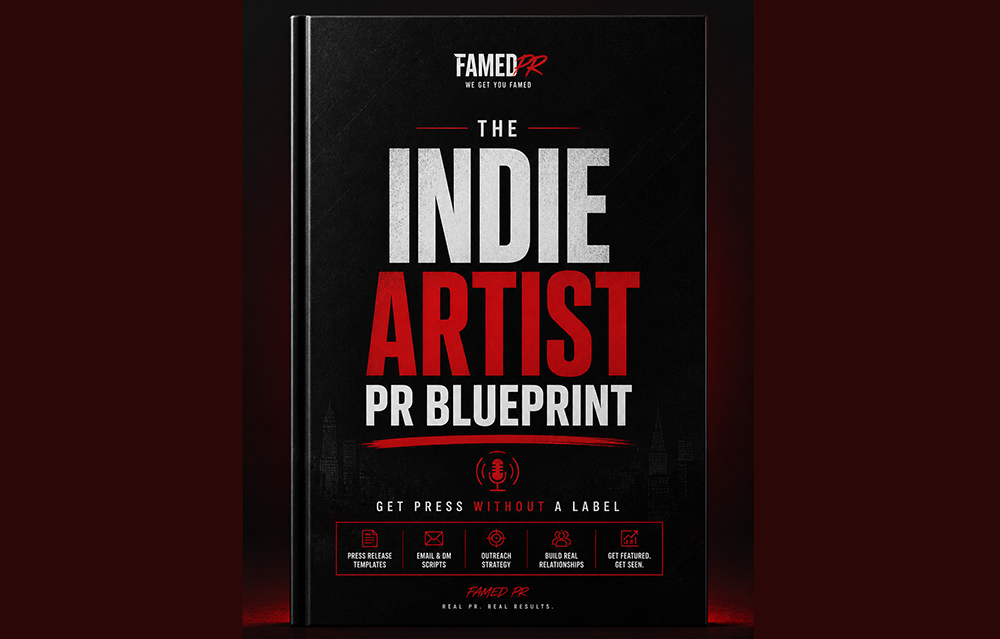
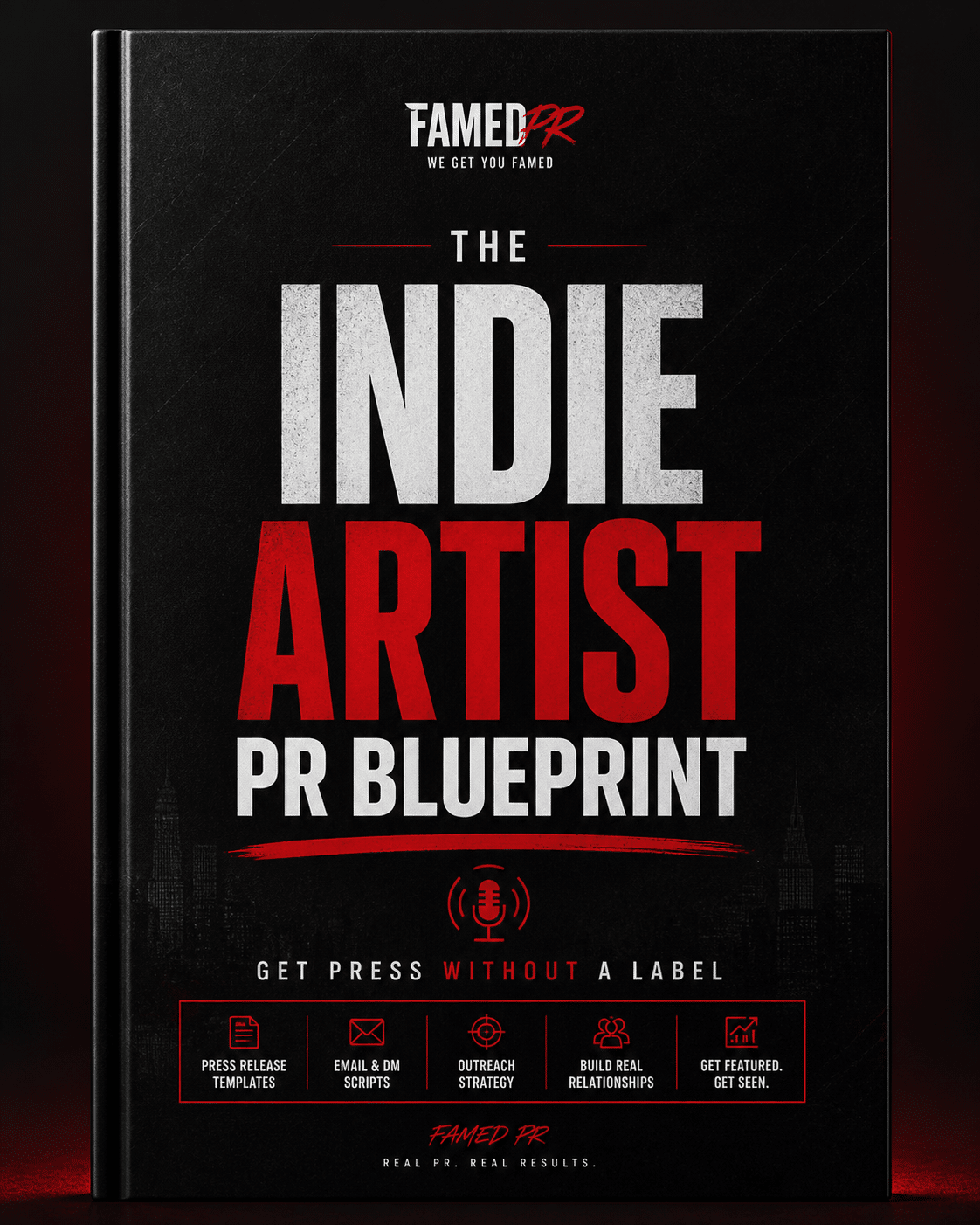
That reality is exactly what inspired The Indie Artist PR Blueprint, a free downloadable guide designed to help independent musicians understand how music publicity, branding, digital marketing, and strategic positioning actually work in the modern era. Instead of selling unrealistic overnight success fantasies, the book focuses on practical industry concepts artists can immediately apply to their careers.
The guide arrives during a time when more musicians than ever are attempting to build careers independently. Platforms like Spotify, TikTok, YouTube, Instagram, and SoundCloud have removed many traditional barriers to entry, but they have also created a new challenge – oversaturation. Artists can now release music instantly, yet many still struggle to build an audience that actually listens consistently.
The Indie Artist PR Blueprint attempts to address that exact problem by focusing on long-term visibility instead of temporary hype. The book discusses how artists can build recognizable brands, approach media outreach professionally, create momentum around releases, and develop the type of narrative that keeps listeners emotionally invested.
Why Independent Artists Struggle With Promotion
One of the strongest themes throughout the guide is the disconnect between making music and marketing music. Many artists spend years perfecting their sound while barely learning how distribution platforms, press campaigns, playlist pitching, or audience psychology actually function. The result is often frustration. Musicians release projects they genuinely believe in, only to watch them disappear online within days.
The book argues that modern music careers are built through consistency and strategic exposure rather than isolated viral moments. It emphasizes that successful artist development usually involves repetition, branding discipline, visual identity, storytelling, audience engagement, and networking across multiple platforms simultaneously.
Instead of presenting PR as mysterious industry magic, the blueprint explains it in practical terms. Public relations is framed as the process of controlling perception, building credibility, and increasing visibility around an artist’s work. That includes press articles, interviews, social media strategy, playlisting, branding consistency, and reputation management.
Download The Free Guide
Artists, producers, managers, and creatives can download the full PDF version of The Indie Artist PR Blueprint here:
The Era Of DIY Music Careers
The music industry has changed dramatically over the last decade. Artists no longer need traditional gatekeepers to upload music or attract listeners. However, that independence comes with a new responsibility. Musicians now operate as brands, marketers, content creators, community managers, and business owners at the same time.
The blueprint explores this shift in detail. It explains why artists who understand branding and digital visibility tend to outperform equally talented musicians who rely entirely on luck or discovery. In many ways, the modern artist is closer to a media company than a traditional musician.
That means visuals matter. Storytelling matters. Social proof matters. Audience retention matters. Even search engine visibility matters. The guide repeatedly emphasizes that artists who consistently appear across media platforms build familiarity over time, and familiarity often leads to trust and fan loyalty.
One particularly important section discusses how artists can unintentionally damage their own momentum by approaching promotion inconsistently. Many independent musicians release music randomly, disappear for months, then return expecting algorithms and fans to remember them instantly. The book instead encourages artists to think in campaigns, narratives, and long-term positioning.
Building A Brand Instead Of Chasing Virality
Another major idea explored throughout the guide is the danger of relying entirely on viral content. While viral moments can create exposure, they rarely create sustainable careers unless artists already have infrastructure behind them. The book encourages readers to focus on building recognizable identity and audience loyalty rather than temporary internet attention.
That includes understanding visual branding, artist messaging, social media presentation, release strategy, and audience psychology. The blueprint explains that fans often connect emotionally to stories and identities before they become deeply attached to music itself.
For independent artists operating without label support, this approach can become especially important. A strong brand creates consistency. Consistency creates recognition. Recognition eventually creates momentum.
The Importance Of Media Coverage In Hip-Hop
Hip-hop culture has always been heavily connected to media visibility. From mixtape blogs and DVDs in the 2000s to today’s digital publications and social media ecosystems, artists often grow through repeated exposure across platforms.
The guide explains why articles, interviews, playlists, and editorial features still matter even in the TikTok era. Media coverage helps establish legitimacy. It creates searchable history. It gives artists content to repost. It helps new listeners discover music through search engines rather than only through social feeds.
This becomes particularly valuable for artists trying to establish long-term careers rather than short-term trends. A strong press presence can continue generating traffic months or years after publication, especially when articles rank in Google search results.
For many readers, one of the most useful aspects of the blueprint may be its focus on realistic expectations. Instead of promising instant fame, the guide emphasizes steady growth, relationship building, strategic visibility, and consistent branding over time.
A Guide Designed For The Independent Era
Perhaps the biggest strength of The Indie Artist PR Blueprint is that it speaks directly to the realities modern musicians face. The music business no longer follows a single path. Artists build audiences through entirely different methods now. Some emerge through short-form video. Others build loyal niche communities. Others rely on touring, media coverage, or highly engaged fanbases.
The guide acknowledges that no single strategy works for everyone. Instead, it encourages artists to understand the broader mechanics behind visibility and audience building so they can adapt those ideas to their own style and goals.
For upcoming musicians trying to navigate the overwhelming world of streaming, content creation, branding, and publicity, that perspective may ultimately be more valuable than any viral shortcut.
As independent music continues to dominate digital culture, educational resources like this are becoming increasingly important. Artists are no longer just competing musically. They are competing for attention, retention, and identity inside an endless online ecosystem.
The Indie Artist PR Blueprint positions itself as a practical introduction to understanding that ecosystem and learning how to move through it strategically rather than emotionally.
Final Thoughts
For independent artists searching for practical guidance on branding, music promotion, publicity, and digital strategy, The Indie Artist PR Blueprint offers an accessible starting point. Whether an artist is preparing for their first release or trying to rebuild momentum after years of inconsistency, the guide focuses on the same core principle repeatedly:
Visibility without strategy fades quickly. Branding combined with consistency creates longevity.
The complete guide is available as a free download through FAMED PR.
Reader Poll
Do independent artists spend enough time learning marketing and PR?
Read More On Raptology

Guest Account for Paid And Sponsored Content on Raptology.com. Posts by Guest Authors are independent of our regular editorial content.












MmzHrrdb
1