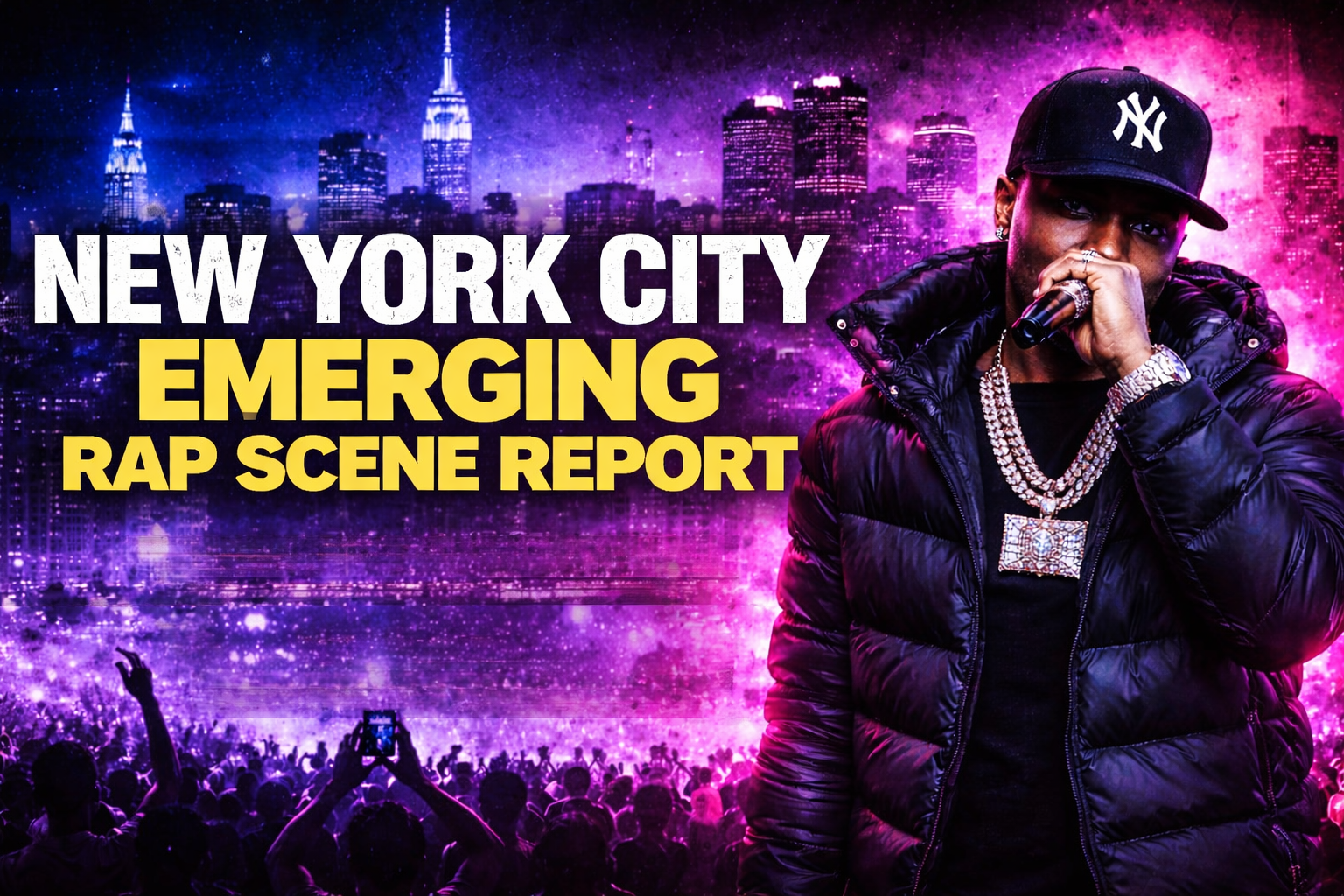
New York rap has spent the last decade proving that every time outsiders think the city has lost control of its own sound, it responds by inventing another one. In 2026, that pattern is still alive. The current independent ecosystem stretching from Brooklyn to the Bronx, Queens, Harlem, and downtown internet scenes is not just surviving on nostalgia. It is generating new stars, new micro-scenes, new dance records, new slang, new visual language, and new pipelines for artists who no longer need traditional label timelines to build heat.
That is the core reason New York City remains the epicenter of independent hip-hop in 2026: the city still manufactures momentum faster than almost anywhere else. It has borough identity, inherited mythology, neighborhood rivalry, fashion culture, club and radio history, street-level media, fast-twitch internet platforms, and a local audience that still cares about who is really next. In New York, a freestyle can matter. A snippet can change an artist’s week. A local dance can turn into a national record. A 90-second clip from a cramped studio can become the beginning of a career.
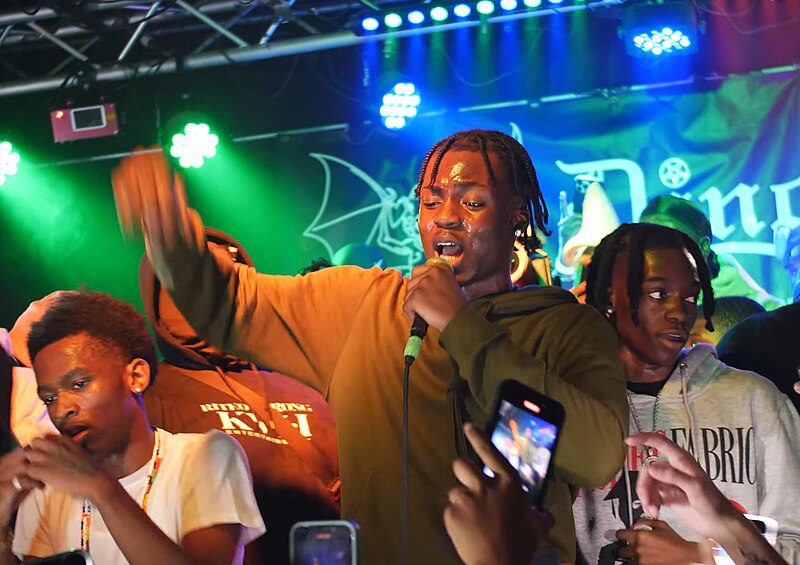
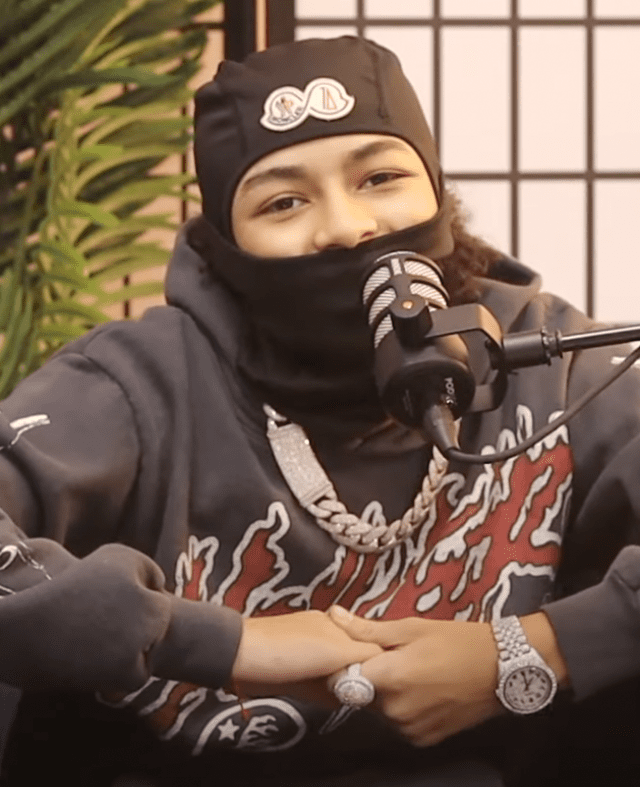
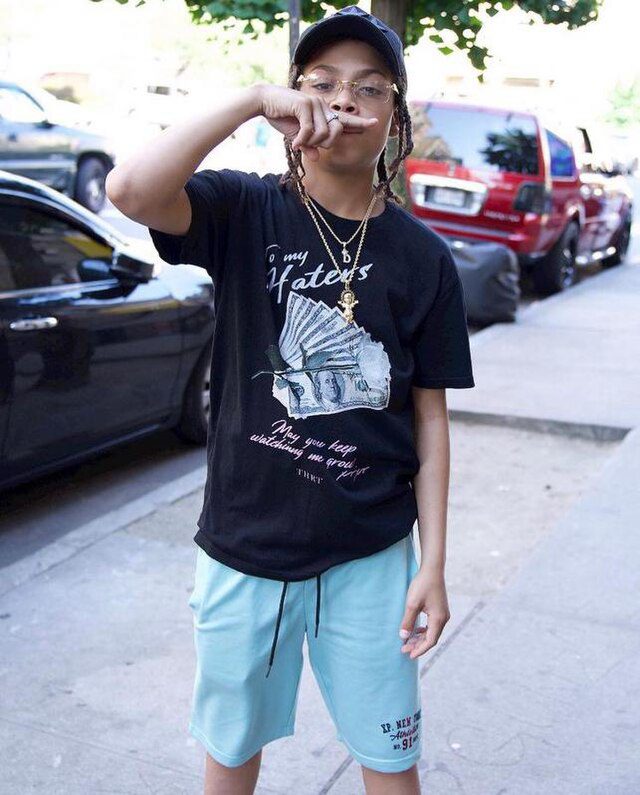
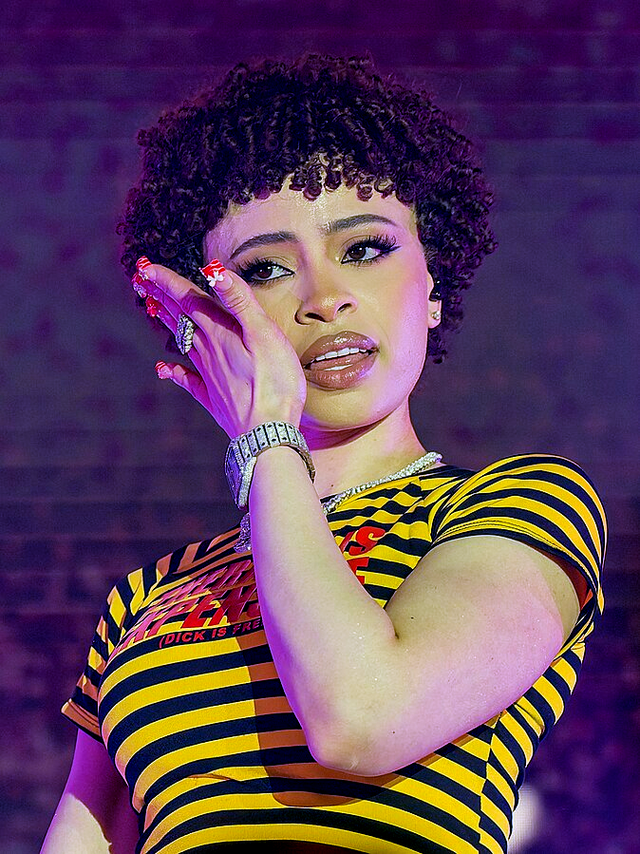
To understand 2026, you have to understand how New York kept reinventing itself
A real 2026 scene report cannot begin in 2026. It has to begin with the long chain of records and moments that kept the city from becoming a museum piece. The modern story runs from Bobby Shmurda’s 2014 eruption into the early Brooklyn drill years, through 22Gz and “Suburban,” through Sheff G and “No Suburban,” through the later mainstream lift provided by Fivio Foreign, Pop Smoke, Lil Tjay, A Boogie wit da Hoodie, and Sleepy Hallow.
But New York’s most important trait has never been preserving one winning formula for too long. By the early 2020s, the city had already started shifting again. The center of motion moved toward Bronx drill, sample drill, club-influenced rap, internet-born breakout culture, and the more flirtatious, melodic, and chaos-friendly tone that later became widely identified with the so-called “sexy drill” lane. That turn mattered because it widened who could break out and what a New York rap record could sound like.
In other words, independent New York rap stopped being only about menace. It became about texture, personality, danceability, memes, charisma, romance, trauma, neighborhood symbolism, and replay value. Records still had aggression. But the city also made room for humor, seduction, softness, bounce, and digital weirdness. That broader emotional range is one reason the pipeline is still productive in 2026.
The timeline that changed the city’s current sound
The dates matter. 22Gz began releasing songs on SoundCloud in 2015, and “Suburban” in 2016 is still widely treated as an early foundational Brooklyn drill statement. Sheff G responded with “No Suburban” in 2017, helping define drill rivalry as part of the city’s modern rap mythology. By 2019, Fivio Foreign had broken through with “Big Drip,” while later stars from different boroughs showed that New York rap no longer had to move as one block.
In the Bronx, Ice Spice started rapping in 2020 and exploded in 2022, proving that a locally rooted New York artist could still become a global talking point from a homegrown wave. Around the same period, uptown youth drill started moving with frightening speed. DD Osama began receiving major recognition in 2022 after early collaborations with his brother Notti Osama, while Sugarhill Ddot broke through the same year with songs like “I Wanna Love You” and then kept developing beyond one-off viral attention.
In Brooklyn, 41 became one of the city’s most discussed youth formations. Their “41 Cypher” arrived in January 2022, and their May 2022 On The Radar appearance later became one of the platform’s defining moments. That matters historically because On The Radar itself became a crucial piece of New York’s independent infrastructure. In earlier eras, rappers needed radio co-signs, DVDs, street teams, and label offices. By the 2020s, a focused freestyle platform with a strong local identity could function almost like a digital tunnel between neighborhood hype and national awareness.
Then came another key shift. Cash Cobain, born in New York City and shaped by Bronx and Queens experience, kept refining a sound that fused drill rhythm, R&B memory, playful writing, and a producer’s ear for stickiness. His collaborative history with Chow Lee, the wider Slizzy aesthetic, and later songs such as “Dunk Contest” and “Fisherrr” helped turn a local sonic mutation into a visible regional movement. By August 23, 2024, Play Cash Cobain arrived as a full-length statement, and by 2025 Billboard was openly naming him among artists to watch while also bringing him into its New York orbit for broader scene debate.
By late 2025 and into 2026, it was obvious that the city was no longer defined by one dominant lane. It had several. Brooklyn drill still mattered. Bronx personality rap still mattered. Uptown youth scenes still mattered. The sexy-drill and sample-drill universe mattered. And a more internet-native, genre-porous underground — including artists like Xaviersobased — showed that New York’s next wave might be as much about aesthetics and online communities as geography alone.
The artists driving the conversation in 2026
The names that keep appearing in any serious conversation about New York’s independent rap future include Cash Cobain, Chow Lee, Bay Swag, Zeddy Will, Jenn Carter, Kyle Richh, TaTa, Dee Billz, Sha EK, DThang, Kenzo B, DD Osama, Sugarhill Ddot, Ice Spice, Lola Brooke, 22Gz, Sheff G, Fivio Foreign, Sleepy Hallow, Lil Tjay, A Boogie wit da Hoodie, and Xaviersobased.
Cash Cobain, Chow Lee, Bay Swag, and the sexy-drill turn
If one branch of New York rap best explains why the city still sets trends instead of just memorializing them, it is the Cash Cobain-centered world. Cash’s rise is not important only because he became a recognizable artist. It matters because he helped shift the city’s emotional weather. He was central to a movement that proved New York could be flirtatious, melodic, sample-rich, funny, nasty, club-ready, and still feel unmistakably local.
Chow Lee deserves mention in the same breath because that entire lane makes less sense without him. He is one of the names most commonly connected to the shape, humor, and cultural energy of sexy drill. Then there is Bay Swag, whose collaboration history with Cash Cobain gave the movement another face and another entry point. “Fisherrr,” released on February 28, 2024, did not just succeed as a song; it succeeded as proof that a highly local New York idea could turn into a broader digital event.
By 2025, Bay Swag was still building visible motion, speaking publicly about the sexy-drill movement and later pairing with Zeddy Will on “Proceed.” Zeddy matters here because he represents another part of the current New York formula: instantly identifiable personality, social-media agility, quotable bars, and an ability to move between comedy, confidence, and rap performance without looking artificial. In 2026, artists like Cash, Chow, Bay, and Zeddy are not side stories. They are proof that the city’s newer center of gravity is flexible and youth-driven.
41 and the youth energy of Brooklyn
The story of 41 is bigger than one trio. It is about Brooklyn retaining a gift it has always had: turning local chemistry into citywide noise. Jenn Carter, Kyle Richh, and TaTa emerged from Brownsville with an energy that felt very New York in the old sense and very digital in the new one. They had the right mix of youth, meme velocity, neighborhood credibility, and clip-friendly performances.
Their 2022 and 2023 run mattered because it showed how Brooklyn’s next wave could function after the first great drill explosion. They were not simply imitating the Pop Smoke era. They were using drill, Jersey club, internet culture, personality-driven bars, and crew identity to build a new form of visibility. Their On The Radar moment became one of the most important youth-scene documents of the period, and their records kept circulating because the appeal was broader than one demographic.
Around them, related names such as Dee Billz and other neighborhood-connected artists kept expanding the impression that Brooklyn still generates collective scenes rather than just isolated stars. That is one of New York’s enduring advantages over other rap markets. A city wins longer when it can build ecosystems, not just singles.
Harlem youth rap: pain, speed, and audience loyalty
Uptown’s youth rap pipeline remains one of the most emotionally charged in the city. DD Osama and Sugarhill Ddot are central names here, but the larger significance is the audience behavior around them. These artists built intense digital followings at very young ages, and their fan bases often move with unusual loyalty and urgency. The records travel not only because of beats or aesthetics, but because listeners feel like they are watching lives unfold in real time.
DD Osama’s growth after 2022 reflected a brutally modern New York reality: trauma, public grief, neighborhood mythology, youth marketing, and algorithmic visibility fused together at extreme speed. Sugarhill Ddot, meanwhile, showed another possibility. He could move toward melody, emotional storytelling, and a softer kind of replay value without leaving the New York youth-rap frame. That difference matters. It proves the city’s younger artists do not all have to sound identical to survive.
The women reshaping New York’s pace and image
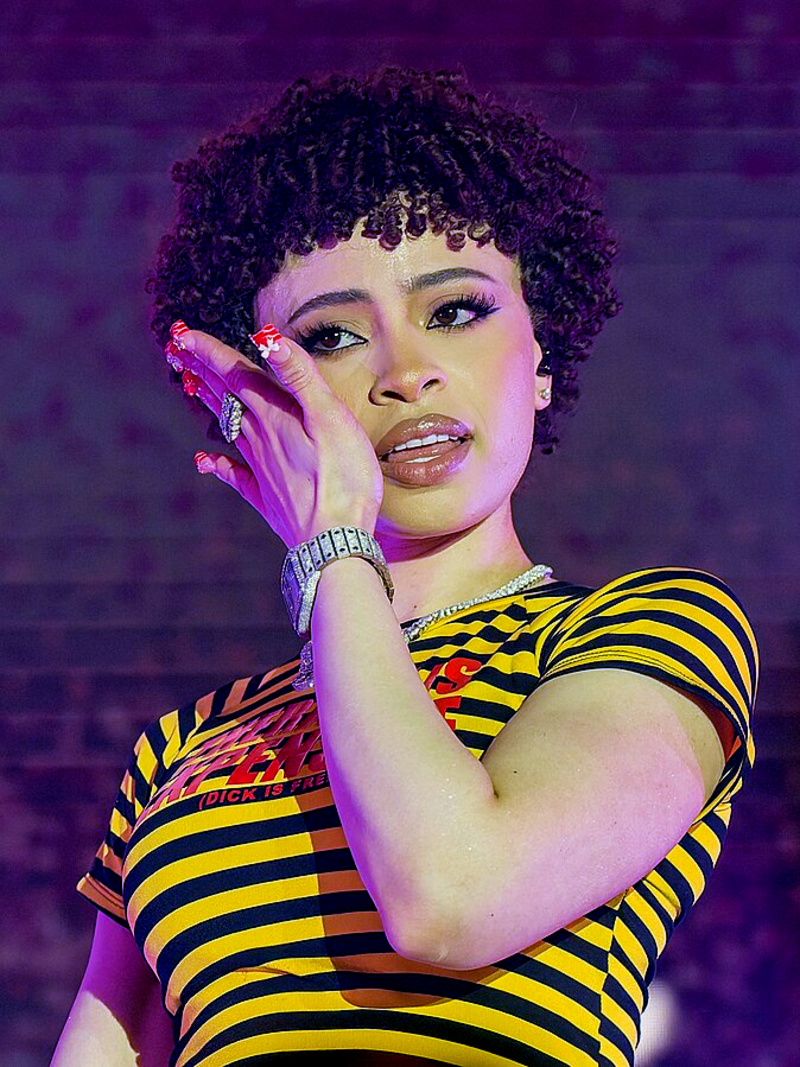
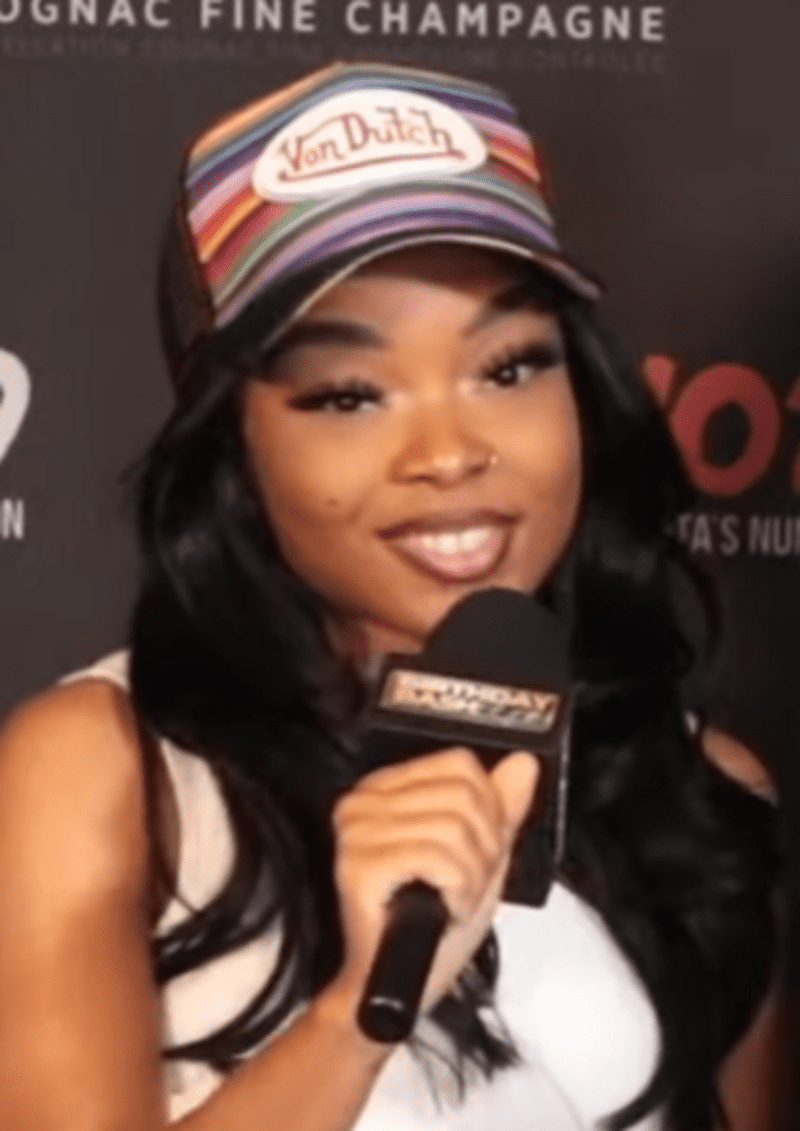
One of the strongest reasons New York remains important is that the city’s women are not peripheral to the movement. They are central to it. Ice Spice changed the commercial and aesthetic temperature of New York rap. Lola Brooke kept Brooklyn hunger visible. Jenn Carter became one of the most recognizable young voices in 41. Kenzo B remains part of the city’s active female drill conversation. Even where individual careers rise and cool at different times, the bigger picture is obvious: New York no longer depends on male-only scene logic to define its future.
That matters culturally and commercially. It expands audience demographics. It changes visual identity. It creates different modes of fandom. It also gives the city a better chance to keep evolving, because movements become stronger when they are not boxed into one performance style or one kind of persona.
Why New York still breaks artists differently from everywhere else
1. Borough identity still matters
New York’s geography is still one of its greatest musical assets. In many rap cities, local identity has become flattened into a generic metropolitan brand. New York is different. The borough origin still tells listeners something. Brooklyn suggests one history. The Bronx suggests another. Harlem, Queens, and downtown or internet-adjacent scenes all carry distinct associations. That gives artists narrative material before the first verse even lands.
2. The city has a local media ladder
New York still has a way for a rapper to feel “known” before they become famous. Freestyle platforms, neighborhood pages, DJs, reaction clips, playlist curators, TikTok edits, campus buzz, gossip ecosystems, niche YouTube channels, and local press all create a middle tier between obscurity and celebrity. That middle tier is where scenes become sustainable.
3. Records are expected to do more than one thing
In New York, a good song often also has to be a moment. It should quote well, clip well, dance well, or trigger immediate debate. That pressure can be harsh, but it forces artists to think in total packages: delivery, cadence, look, quotables, captions, snippets, and public identity. The result is a city that tends to create bigger personalities, not just competent songs.
4. New York keeps remixing its own archive
Sample drill, sexy drill, and many of the city’s recent hybrids depend on memory. They pull from older R&B, older pop instincts, older neighborhood language, and older myths about what New York rap is supposed to feel like. But they do not simply reenact the past. They mutate it. That is why the city does not sound frozen. Even when it references history, it does it with forward motion.
5. The city still rewards rawness
Plenty of artists from other regions become over-managed the moment they show promise. New York still lets some edges remain rough. That roughness can be dangerous and self-defeating at times, but it is also part of what keeps the city compelling. Fans still chase the feeling that something is happening before the corporations can fully smooth it out.
The next layer: internet-born New York and the new underground
Any serious 2026 report also has to mention the less traditional side of New York rap’s future. Not every emerging name fits neatly into drill, sexy drill, or borough-specific street categories. Artists like Xaviersobased represent a more internet-native, fashion-aware, online-culture-sensitive direction. This lane often feels looser, stranger, and less tethered to old rap expectations, but it still belongs in the larger city story.
That matters because New York has always been strongest when it contains multiple futures at once. One future is still on the block. One future is in the club. One future is in a bedroom with a laptop and a cult online audience. The city wins when all three are alive simultaneously.
Artists to keep watching as 2026 unfolds
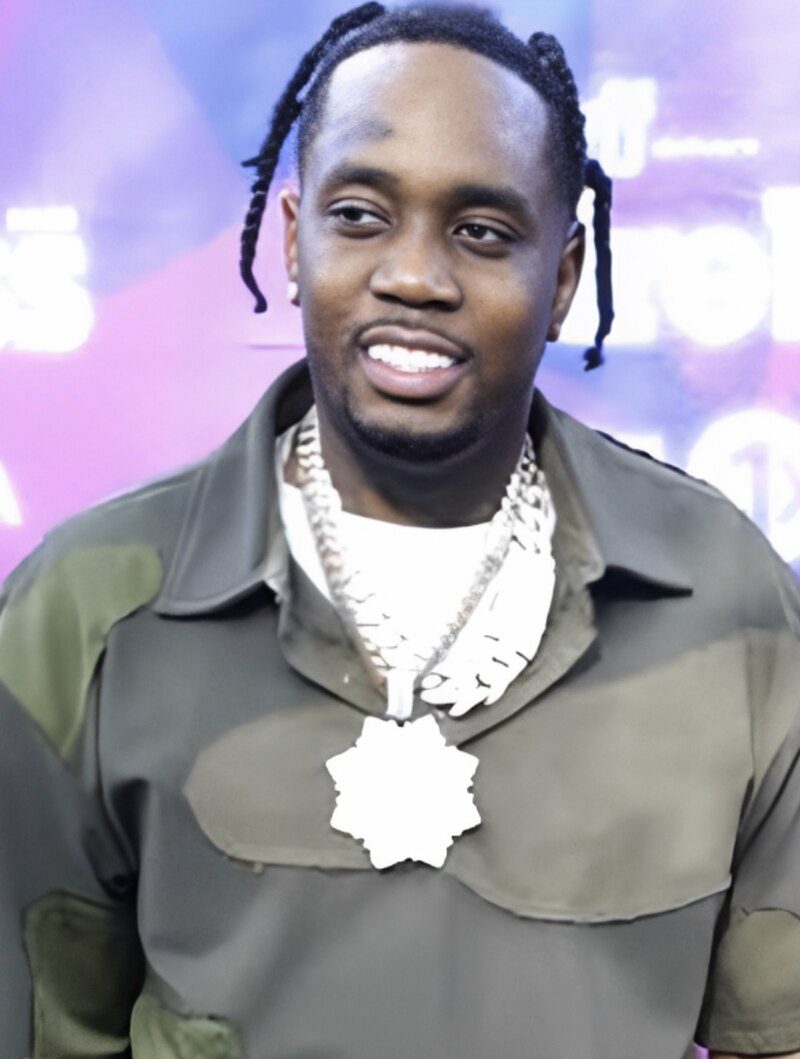
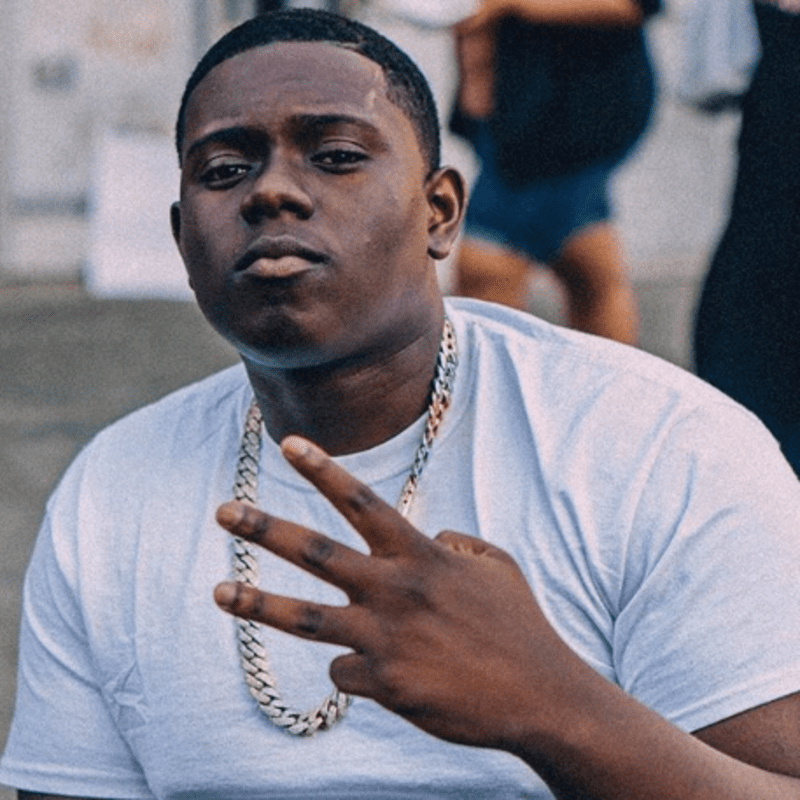
The safest conclusion is that there is no single “next face of New York.” That old framing is too narrow for the current moment. Still, the names with the clearest momentum or scene significance include Cash Cobain, Chow Lee, Bay Swag, Zeddy Will, Jenn Carter, Kyle Richh, TaTa, Dee Billz, DD Osama, Sugarhill Ddot, Sha EK, DThang, Kenzo B, and Xaviersobased.
There are also the bridge names — artists who may no longer fit the word “emerging” but still shape the scene’s possibilities. Those include Ice Spice, Lola Brooke, 22Gz, Sheff G, Fivio Foreign, Sleepy Hallow, Lil Tjay, and A Boogie wit da Hoodie. They matter because they help define what a younger New York rapper believes is possible.
Final word: the city is still the city because it still produces urgency
The strongest argument for New York in 2026 is not that every biggest rapper in America comes from there. That is not how rap works anymore. The strongest argument is that New York still produces urgency in a uniquely concentrated way. It still makes fans, media pages, local tastemakers, rival neighborhoods, and national observers feel that they must pay attention now, not later.
That urgency is what keeps the city at the center of independent hip-hop. It is why a borough-specific freestyle can still travel. It is why a city-born subgenre can still become a national aesthetic. It is why a teenager from Harlem, a trio from Brownsville, a sample-flipping innovator tied to the Bronx and Queens, and an internet-native downtown outlier can all belong to the same report without canceling each other out.
New York remains the epicenter because it still turns local tension into culture faster than almost anywhere else. It still argues with itself in public. It still births styles instead of only borrowing them. And in 2026, with so many young artists building at once, it does not look finished. It looks restless. That is usually when New York is at its most powerful.
Editorial note: This report was prepared for Raptology’s ongoing coverage of emerging rap movements, regional scenes, and independent artist development.
Raptology Editorial is the official newsroom voice of Raptology, covering breaking hip-hop news, artist developments, industry trends, and in-depth editorial reports from across the global rap landscape.