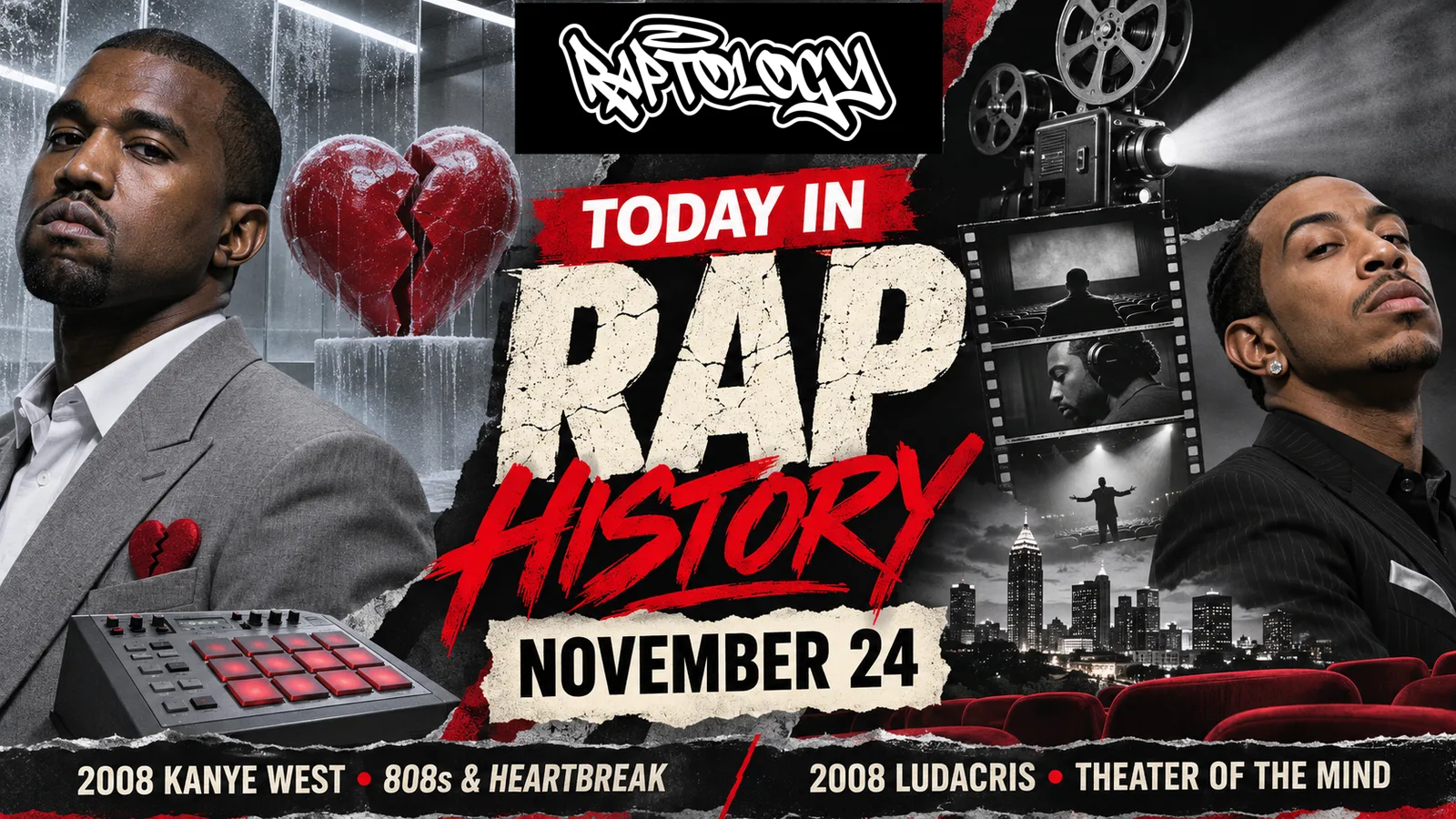
November 24, 2008 brought two very different statements from rap’s major-label mainstream. Kanye West’s 808s & Heartbreak turned inward, using processed singing and spare electronic textures to make isolation audible. Ludacris’ Theater of the Mind moved like an ensemble production, placing a commanding MC in scenes crowded with guests. Heard together, the releases capture a moment when rap’s possibilities were expanding in several directions at once.
The shared U.S. release date was deliberate. Island Def Jam moved both albums forward from Tuesday, November 25 to Monday, November 24, as contemporary reporting documented. This entry follows that U.S. street date.
2008 – Kanye West releases 808s & Heartbreak
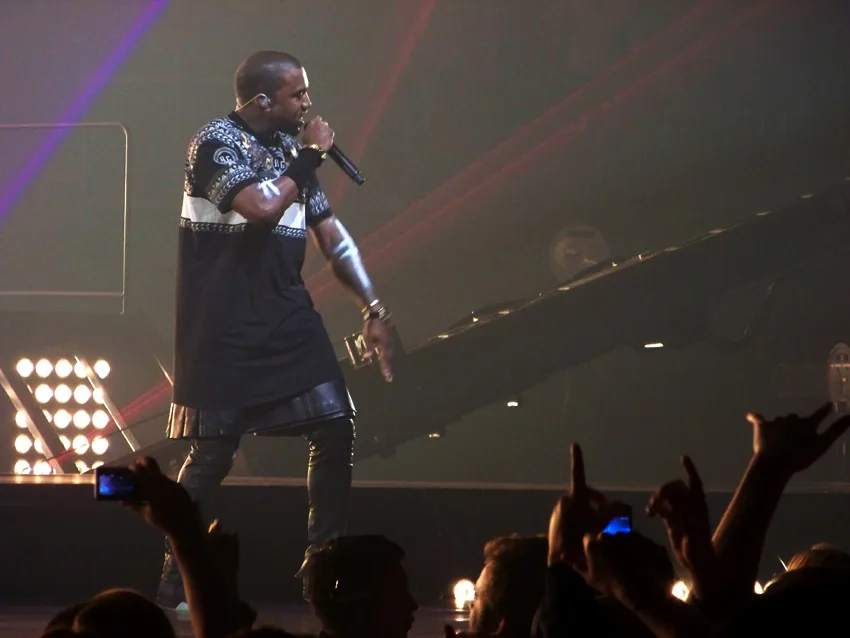
On 808s & Heartbreak, the voice itself becomes part of the production. Auto-Tune makes West sound exposed and distant at the same time. Instead of filling every opening with a verse, he lets short melodic phrases repeat until they begin to feel like thoughts he cannot shake.
“Heartless” gives that tension a sharp pop hook. “Welcome to Heartbreak” pairs the spectacle of success with a sense of personal absence, while “Street Lights” finds movement inside a restrained, repeating arrangement. These are different kinds of rap-star performances: the personality remains large, but the songs allow uncertainty to occupy the foreground.
The album’s later influence is part of its historical weight. Apple Music’s retrospective notes connect its melodic, confessional approach to a subsequent generation including Drake, The Weeknd, Juice WRLD and Lil Uzi Vert. That lineage does not make every later singer-rapper an imitation. It shows how a prominent release helped widen the space for vulnerability and vocal experimentation.
Get Featured on Raptology
Have a release or artist story to share? Submit your music for editorial consideration.
2008 – Ludacris releases Theater of the Mind
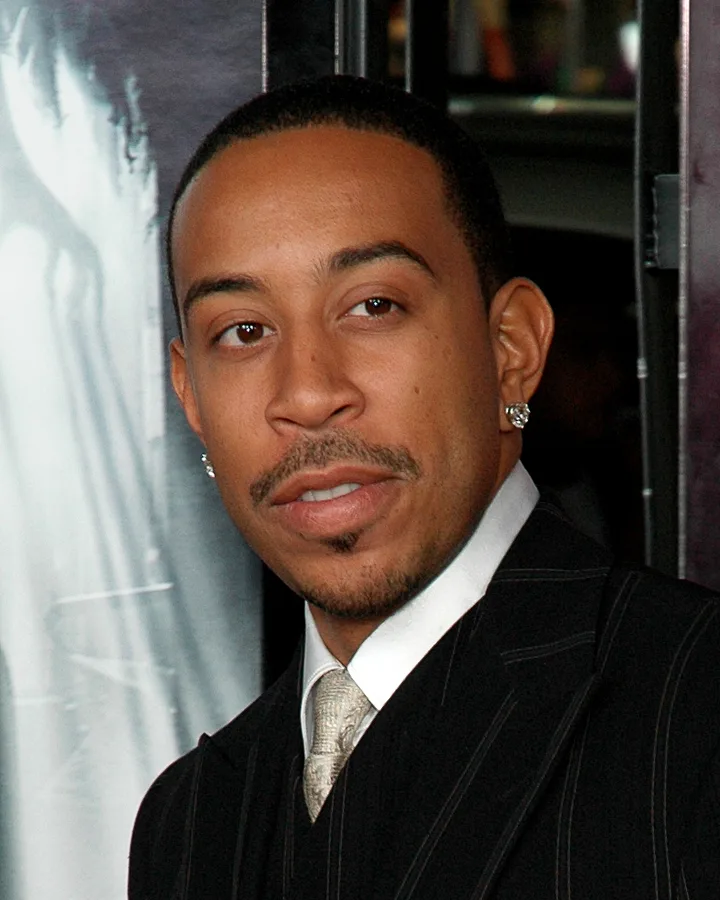
Ludacris approached the same release day with a different set of strengths: precise projection, comic timing and the ability to make a guest-heavy record feel like a series of scenes. The album’s Def Jam catalog listing confirms November 24, 2008 and identifies the collaborators across its track list.
“I Do It for Hip Hop” brings Nas and JAY-Z into a record built around devotion to the craft. “Last of a Dying Breed,” featuring Lil Wayne, puts the emphasis on competitive rapping, while “One More Drink,” with T-Pain, gives the album a more melodic and mischievous turn. The changing cast gives Ludacris room to show how comfortably he can move between technical display and entertainment.
Placed beside 808s, Theater of the Mind makes November 24 a useful listening exercise. One album builds drama from emotional distance; the other stages it through personalities, voices and performance. Both belong in the history of what mainstream rap could sound like in 2008.
Keep exploring: Visit the Today in Rap History calendar for more dates and milestones.
Featured Stories: Discover more artists and releases on Raptology.

Raphael Fonge is a journalism graduate from Kennesaw State University, where he published several articles in the university’s newspaper. He has released multiple chapters of creative writing, with aspirations to work in the entertainment industry.
Raphael is a member of the KSU Film Club and the Society of Professional Journalists.
Leave a Reply