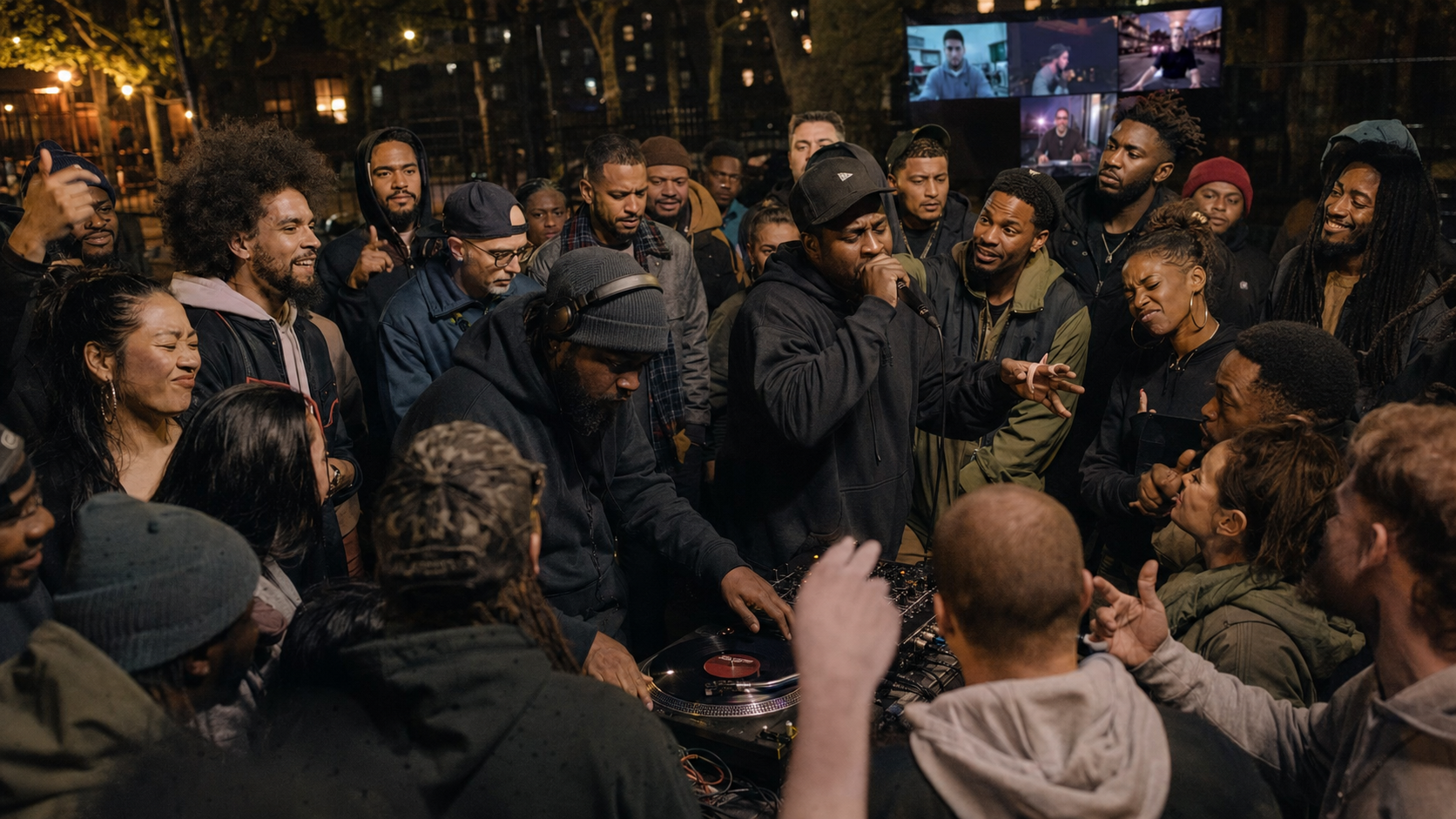
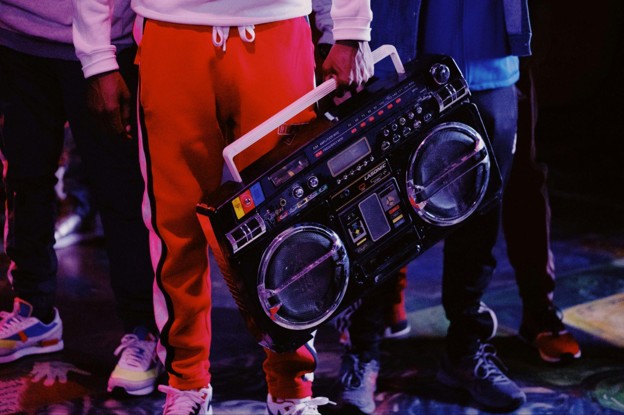
Hip-hop has always embraced new technology faster than many other genres. From the earliest days of DJs experimenting with turntables in the Bronx to producers building platinum-selling albums on laptops, innovation has consistently shaped both the sound and the business of rap music. Every major technological shift has influenced not only how artists create music but also how fans discover, consume, and discuss it.
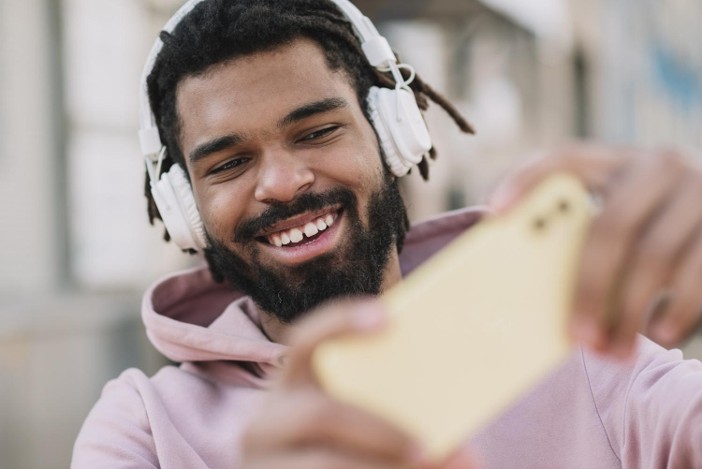
The smartphone may be the biggest transformation of all.
Today’s fans no longer need to wait for television premieres, radio shows, or magazine interviews. A new freestyle appears on social media within minutes. Behind-the-scenes footage arrives through Instagram Stories. Albums launch simultaneously around the world, while artists livestream directly to millions of followers from anywhere.
Hip-hop has become truly mobile, and so has almost every form of digital entertainment that surrounds it.
Mobile Devices Changed More Than Music Consumption
The rise of smartphones altered nearly every stage of the fan experience.
Listening to music remains central, but phones now function as ticket offices, merchandise stores, video platforms, social networks, editing suites, and communication tools. Independent artists can record demos, edit promotional clips, release singles, monitor streaming statistics, and engage with audiences without ever opening a laptop.
This accessibility has lowered barriers for emerging talent while allowing fans unprecedented access to the creative process.
Raptology’s editorial coverage reflects this broader evolution, regularly examining not only artists and albums but also the business, technology, and cultural forces shaping modern hip-hop. The publication has increasingly explored how digital platforms influence music promotion, independent careers, and fan engagement beyond traditional record label models.
Hip-Hop Audiences Expect Everything To Be Instant
Speed has become one of the defining characteristics of today’s music industry.
Fans expect immediate access to new singles, surprise album drops, interviews, podcasts, documentaries, and live performances. Artists who once relied entirely on major promotional campaigns can now reach audiences directly through their own channels.
That same expectation extends well beyond music itself.
Many people who spend their free time listening to playlists, watching battle rap, following sneaker releases, or discussing album rankings also use their phones for a wide variety of digital entertainment. Streaming services, fantasy sports, gaming platforms, social media, and interactive mobile experiences increasingly compete for attention within the same device.
As mobile habits continue evolving, convenience has become a defining factor across these different forms of entertainment.
Convenience Has Become Part of the Experience
Few people enjoy switching between multiple devices to complete simple tasks.
Whether ordering concert tickets, buying exclusive merchandise, subscribing to a streaming service, or accessing other online platforms, users increasingly expect payment methods that are quick, secure, and familiar.
That expectation has encouraged many digital businesses to simplify transactions. For example, users exploring a deposit on phone casino can choose billing methods that allow eligible deposits to be charged directly through their mobile phone account rather than entering bank card information every time. MrQ explains how this payment option works, together with eligibility requirements, supported mobile networks, spending limits, and responsible gambling safeguards, giving users an alternative that prioritises convenience while remaining within a regulated environment.
Although the industries differ, the underlying trend is remarkably similar across digital services. Mobile-first experiences continue replacing longer, more complicated processes because users increasingly value speed without sacrificing security.
Independent Artists Are Building Entire Businesses From Their Phones
The smartphone has become an essential business tool for independent musicians.
A single device can now manage activities that previously required recording studios, graphic designers, publicists, photographers, and distribution companies.
Artists routinely use mobile devices to:
- upload new music
- edit short-form videos
- manage social media campaigns
- communicate with producers
- review streaming analytics
- sell merchandise
- coordinate live performances
- negotiate collaborations
This flexibility allows musicians to remain productive while travelling between shows, recording sessions, or promotional appearances.
Rather than separating creative work from business management, smartphones increasingly combine both into one portable workspace.
Fans No Longer Consume Only Music
The relationship between artists and audiences has expanded dramatically.
Listening remains important, but fans also follow interviews, podcasts, documentaries, reaction videos, fashion launches, livestreams, and personal updates that provide additional context around the music.
Some artists even build communities around entrepreneurship, investing, fitness, gaming, or technology alongside their musical careers.
This broader ecosystem means audiences move naturally between different forms of entertainment throughout the day. Someone may begin by watching a music documentary, spend time discussing lyrics on social media, stream a new album during a commute, then switch to completely different digital activities later that evening.
The smartphone serves as the gateway connecting all of those experiences.
Mobile Technology Has Changed Music Marketing Forever
Album promotion once depended heavily on radio stations, music television, newspapers, and printed magazines.
Today, much of that communication happens directly between artists and audiences.
Announcements arrive through push notifications.
Exclusive previews appear in private communities.
Short clips generate anticipation before official releases.
Livestreams replace traditional press conferences.
Independent musicians especially benefit from this direct relationship because they retain greater control over both messaging and audience engagement.
Rather than waiting for traditional media coverage, creators can build momentum through consistent interaction with supporters across multiple platforms.
The Creator Economy Continues Expanding
Hip-hop artists increasingly operate as entrepreneurs.
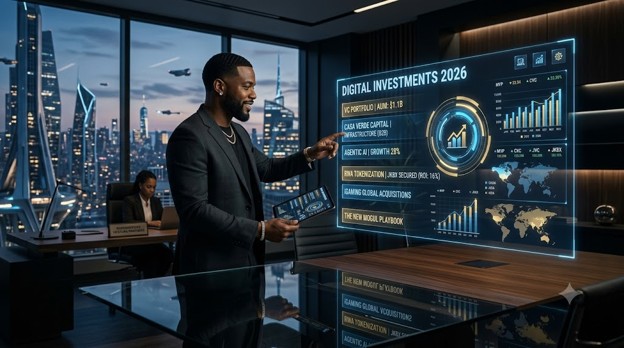
Many now manage clothing brands, beverage companies, technology investments, production businesses, podcasts, and educational platforms alongside their music careers.
Raptology frequently explores this broader entrepreneurial landscape, highlighting how modern artists build sustainable careers that extend beyond album sales alone. Coverage increasingly focuses on business development, creative ownership, and the digital economy surrounding contemporary hip-hop.
The same entrepreneurial mindset appears across many digital industries.
Creators understand that audiences value seamless user experiences, consistent communication, and services that fit naturally into mobile lifestyles.
Responsible Technology Matters
Greater convenience should never come at the expense of responsible behaviour.
Whether spending time on streaming platforms, social media, gaming, or other forms of digital entertainment, maintaining healthy habits remains important.
The UK Gambling Commission encourages licensed operators to provide consumer protections, identity verification, spending controls, and safer gambling tools designed to help users make informed decisions. These measures reflect a wider trend across digital industries toward improving transparency and user protection as online services continue expanding.
Technology works best when it enhances entertainment without becoming overwhelming.
Hip-Hop Will Continue Adapting
If history has demonstrated anything, it is that hip-hop rarely stands still.
The culture embraced sampling, digital production, streaming, social media, and independent distribution long before many other industries fully recognised their potential. Artificial intelligence, immersive media, and new mobile technologies will almost certainly shape the next chapter as well.
What is unlikely to change is the community itself.
Fans will continue searching for new artists, debating albums, supporting independent creators, and discovering fresh ways to experience music together. Smartphones simply provide another platform through which those relationships can grow.
The technology may evolve every year, but hip-hop’s ability to adapt, innovate, and connect people has remained remarkably consistent from the first block parties to today’s fully mobile digital world.
Guest Account for Paid And Sponsored Content on Raptology.com. Posts by Guest Authors are independent of our regular editorial content.




Leave a Reply